Stadium Lights LED: Lighting Contractors’ Top Strategies
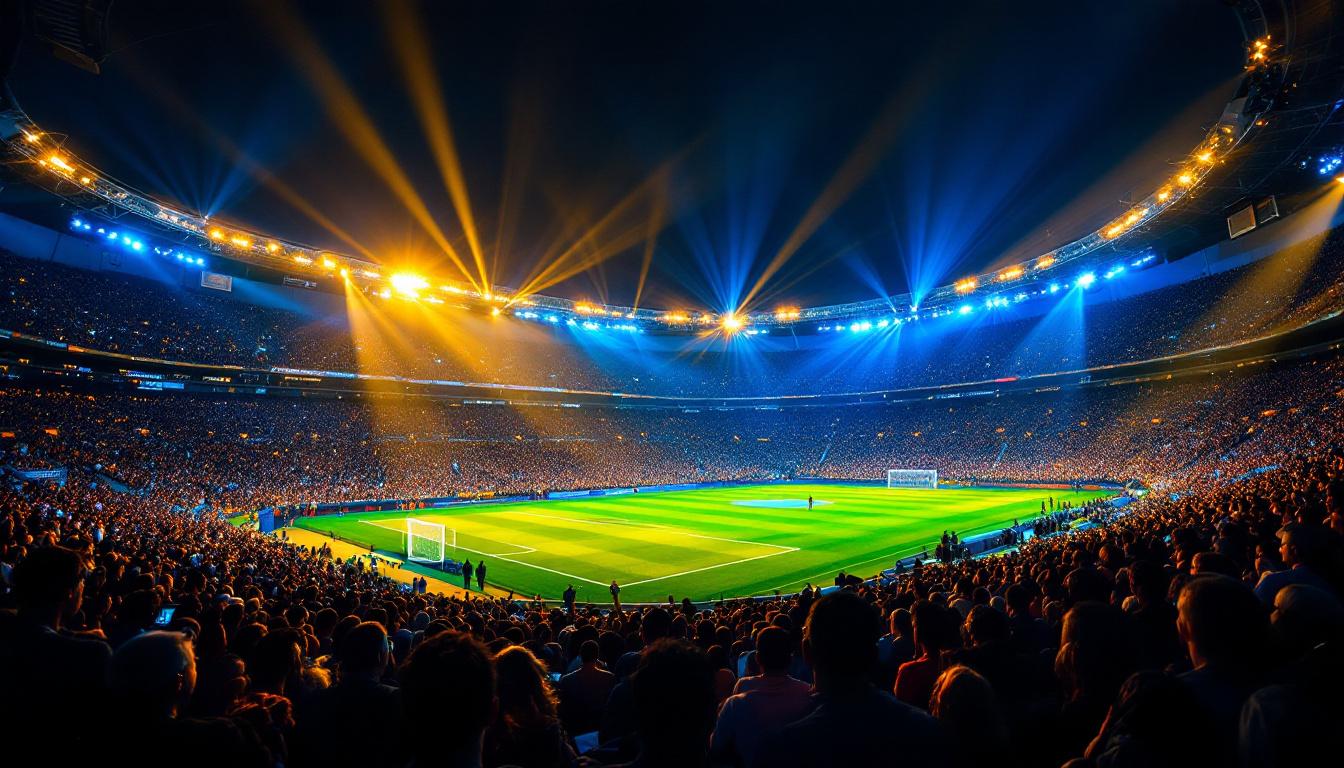
In the realm of sports and entertainment, stadium lighting plays a pivotal role in enhancing the experience for both players and spectators. The shift towards LED technology has revolutionized how stadiums are illuminated, offering energy efficiency, longevity, and superior light quality. For lighting contractors, understanding the best strategies for implementing LED stadium lights is essential for successful projects. This article delves into the top strategies that lighting contractors can employ when working with LED stadium lighting systems.
Understanding LED Technology
Before diving into specific strategies, it is crucial to grasp the fundamentals of LED technology. LEDs, or light-emitting diodes, are semiconductor devices that convert electricity into light. Unlike traditional lighting options, LEDs offer several advantages that can significantly impact stadium lighting design.
Energy Efficiency
One of the most compelling reasons to choose LED lights for stadiums is their energy efficiency. LEDs consume significantly less power compared to incandescent or halogen lights, which translates into lower operational costs. This efficiency not only benefits the stadium’s budget but also reduces the overall carbon footprint, aligning with sustainability goals. Furthermore, the reduced energy consumption can lead to lower demand on local power grids, which is particularly beneficial during peak usage times, ensuring that energy resources are available for other essential services.
Longevity and Maintenance
LED lights boast an impressive lifespan, often exceeding 25,000 hours of operation. This longevity means that lighting contractors can reduce the frequency of replacements and maintenance schedules, ultimately saving time and resources. Additionally, fewer replacements contribute to less waste, further enhancing the environmental benefits of LED technology. The durability of LEDs also means they are less prone to breakage and damage, making them ideal for high-impact environments like stadiums where physical contact and vibrations are common.
Quality of Light
The quality of light produced by LEDs is another significant advantage. LEDs provide bright, uniform illumination that enhances visibility for both players and spectators. The ability to adjust color temperature and brightness levels allows for customized lighting solutions tailored to specific events, whether it’s a night game or a concert. Moreover, the instant-on capability of LEDs eliminates the warm-up time associated with traditional lighting, ensuring that venues can quickly adapt to changing conditions, such as sudden weather changes or the need for emergency lighting. This responsiveness is crucial in maintaining safety and enhancing the overall experience for attendees.
Smart Technology Integration
In addition to their inherent advantages, LED technology can seamlessly integrate with smart lighting systems. This integration allows for advanced control options, such as dimming, scheduling, and remote management, which can further optimize energy use and enhance user experience. Stadium operators can program lighting to adjust automatically based on the time of day or specific events, ensuring that the lighting remains effective and efficient. Moreover, the incorporation of sensors can facilitate adaptive lighting solutions that respond to real-time conditions, such as crowd size and movement, maximizing both safety and energy savings.
Visual Appeal and Branding
Beyond functionality, LED lighting offers unique opportunities for visual appeal and branding within stadiums. With the ability to produce a wide spectrum of colors and dynamic lighting effects, stadiums can create immersive environments that enhance the spectator experience. This capability is particularly useful during major events, allowing for synchronized light shows that can captivate audiences and elevate the overall atmosphere. Additionally, LED displays can be used for branding purposes, showcasing team colors and logos, which not only fosters team spirit but also provides sponsors with valuable advertising space, further enhancing the stadium’s revenue potential.
Designing for Versatility
When planning the installation of LED stadium lights, versatility should be a key consideration. Stadiums host a variety of events, from sports games to concerts and community gatherings. Therefore, the lighting design must be adaptable to meet the diverse needs of these events.
Layered Lighting Approach
A layered lighting approach involves using multiple types of lighting fixtures to achieve a comprehensive lighting solution. This strategy can include combining floodlights, spotlights, and ambient lighting to create a dynamic environment. By layering different light sources, contractors can ensure that all areas of the stadium are adequately illuminated, enhancing both safety and aesthetics.
Adjustable Lighting Systems
Incorporating adjustable lighting systems allows for real-time changes to the lighting setup. This flexibility is particularly beneficial during events that require different lighting conditions, such as transitioning from warm lighting for a pre-game ceremony to bright, focused lights during the game itself. Utilizing smart lighting controls can facilitate these adjustments seamlessly, providing an enhanced experience for all attendees.
Maximizing Energy Savings
Energy savings are one of the primary motivations for transitioning to LED lighting. However, simply installing LED fixtures is not enough; contractors must implement strategies to maximize these savings effectively.
Smart Controls and Automation
Integrating smart controls and automation into the lighting system can lead to significant energy savings. These systems can be programmed to adjust lighting levels based on occupancy, time of day, or specific event requirements. For instance, dimming lights during non-peak hours or automatically turning off lights when the stadium is empty can drastically reduce energy consumption.
Regular Maintenance and Monitoring
While LEDs require less maintenance than traditional lighting, regular monitoring is still essential to ensure optimal performance. Implementing a maintenance schedule that includes inspections and timely replacements of any malfunctioning units can prevent energy waste and ensure that the lighting system operates at peak efficiency.
Enhancing Safety and Visibility
Safety is paramount in any stadium environment. Proper lighting not only enhances the spectator experience but also plays a critical role in ensuring the safety of players and attendees. Lighting contractors must prioritize safety in their designs and installations.
Uniform Illumination
Uniform illumination is vital for preventing shadows and dark spots that can lead to accidents. When designing the lighting layout, contractors should conduct thorough assessments of the stadium’s layout to identify potential problem areas. By ensuring that all sections of the stadium receive adequate light, the risk of accidents can be significantly minimized.
Emergency Lighting Solutions
Incorporating emergency lighting solutions is another essential aspect of stadium safety. These systems should be designed to activate during power outages or emergencies, guiding spectators safely to exits. LED emergency lights can be integrated into the overall lighting system, ensuring that they are both energy-efficient and effective.
Engaging Stakeholders
Successful stadium lighting projects often involve collaboration with various stakeholders, including stadium owners, event organizers, and local authorities. Engaging these parties early in the design process can lead to better outcomes and smoother project execution.
Stakeholder Meetings
Regular meetings with stakeholders provide an opportunity to gather input and address concerns. These discussions can help identify specific lighting needs for different events and ensure that the final design aligns with the expectations of all parties involved. By fostering open communication, contractors can build trust and facilitate a more collaborative working environment.
Showcasing Benefits
Lighting contractors should also take the time to educate stakeholders about the benefits of LED technology. Presenting data on energy savings, maintenance costs, and improved lighting quality can help stakeholders understand the value of investing in LED stadium lights. Providing case studies or examples of successful installations can further reinforce these points.
Staying Updated with Industry Trends
The lighting industry is constantly evolving, with new technologies and trends emerging regularly. Staying informed about these developments is crucial for lighting contractors looking to remain competitive in the market.
Continuous Education and Training
Participating in workshops, webinars, and industry conferences can provide valuable insights into the latest advancements in LED technology and lighting design. Continuous education ensures that contractors are equipped with the knowledge and skills needed to implement cutting-edge solutions effectively.
Networking with Industry Professionals
Networking with other professionals in the lighting industry can lead to new opportunities and collaborations. Engaging with peers can facilitate knowledge sharing and provide exposure to innovative ideas and practices. Building a strong professional network can be an invaluable asset for lighting contractors.
Implementing Sustainable Practices
As sustainability becomes increasingly important in all sectors, lighting contractors must consider eco-friendly practices in their projects. Implementing sustainable strategies not only benefits the environment but can also enhance a contractor’s reputation and appeal to environmentally conscious clients.
Recycling and Waste Reduction
Contractors should prioritize recycling and waste reduction throughout the project lifecycle. This includes properly disposing of old lighting fixtures and materials, as well as minimizing waste during installation. By adopting sustainable practices, contractors can contribute to a greener future while also appealing to clients who value environmental responsibility.
Utilizing Renewable Energy Sources
Incorporating renewable energy sources, such as solar panels, into the stadium’s lighting system can further enhance sustainability. By harnessing solar energy to power LED lights, contractors can significantly reduce reliance on traditional energy sources and lower operational costs. This approach not only aligns with sustainability goals but can also serve as a selling point for clients.
Conclusion
Implementing LED lighting in stadiums presents numerous opportunities for lighting contractors to enhance their projects while delivering significant benefits to clients. By understanding LED technology, designing versatile lighting solutions, maximizing energy savings, and prioritizing safety, contractors can create effective lighting systems that elevate the stadium experience. Engaging stakeholders, staying updated with industry trends, and adopting sustainable practices will further position contractors for success in this evolving landscape. As the demand for high-quality, energy-efficient lighting continues to grow, those who embrace these strategies will undoubtedly stand out in the competitive field of stadium lighting.
Illuminate Your Projects with LumenWholesale
Ready to take your stadium lighting projects to the next level? At LumenWholesale, we provide lighting contractors with the highest quality, spec-grade LED lighting products at unmatched wholesale prices. Say goodbye to inflated markups and hello to a vast selection of industry-standard lighting solutions that promise reliability and high performance for every project. With the added convenience of free shipping on bulk orders, LumenWholesale is your go-to source for premium lighting without hidden fees or compromises. Elevate your lighting game and discover the perfect balance of quality, affordability, and convenience. Take action now and secure the best value in wholesale lighting by visiting Wholesale Lighting at the Best Value.