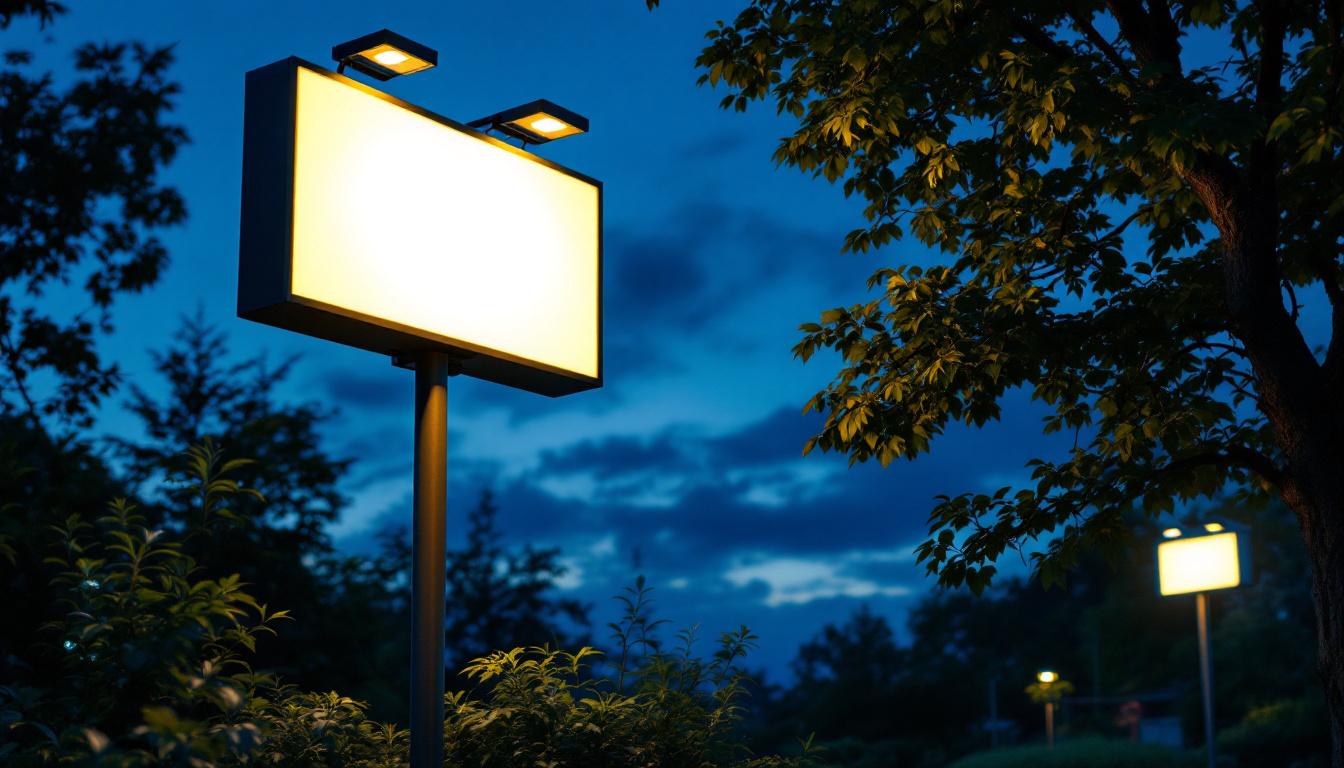
Introduction to Solar Lighting for Outdoor Signs
Solar lighting has become an increasingly popular solution for illuminating outdoor signs, offering an eco-friendly and cost-effective alternative to traditional electrical lighting. For lighting contractors, understanding the nuances of solar technology is essential to delivering reliable, efficient, and visually appealing installations. However, despite its growing adoption, many contractors encounter recurring pitfalls that can compromise the performance and longevity of solar sign lighting systems.
This article explores the most common mistakes lighting contractors make when installing solar lights for outdoor signs and provides actionable insights to help avoid these errors. By addressing these issues, contractors can enhance customer satisfaction, reduce maintenance calls, and solidify their reputation in the competitive lighting market.
One of the most critical aspects of solar lighting installation is selecting the right type of solar panel and battery combination. Not all solar panels are created equal; their efficiency can vary significantly based on factors such as size, material, and design. Additionally, the choice of battery plays a vital role in how well the system performs, especially during periods of low sunlight. Contractors must consider the geographical location and typical weather patterns when making these selections to ensure the lighting remains effective year-round. For instance, in areas with prolonged cloudy seasons, opting for a higher-capacity battery can provide the necessary backup power to keep signs illuminated during darker months.
Another common oversight is the positioning of solar lights. Proper placement is crucial to maximizing sunlight exposure and ensuring optimal performance. Many contractors underestimate the impact of surrounding structures, trees, or even the angle of the sun throughout the day. Conducting a thorough site assessment before installation can help identify the best locations for solar panels, allowing for unobstructed sunlight access. Furthermore, adjusting the angle of the solar panels to capture the most sunlight can significantly enhance their efficiency. By taking these factors into account, contractors can help ensure that their solar lighting systems operate at peak performance, providing reliable illumination for outdoor signs.
Misjudging Site Assessment and Solar Exposure
Overlooking Proper Sunlight Availability
One of the fundamental errors contractors make is failing to conduct a thorough site assessment focused on solar exposure. Solar lights rely entirely on sunlight to charge their batteries, so even partial shading from trees, buildings, or signage structures can drastically reduce their effectiveness. Installing solar lights in shaded or poorly exposed areas often results in dim illumination or complete failure during nighttime hours.
Contractors should use tools such as solar pathfinders or smartphone apps that analyze sunlight patterns throughout the day and across seasons. This ensures that the chosen location receives adequate direct sunlight to maintain optimal battery charge levels. Additionally, understanding the impact of seasonal changes on sunlight angles can prevent unexpected performance drops during certain months. For instance, during winter months, the sun’s lower trajectory can lead to significant changes in available sunlight, making it crucial for contractors to plan installations with these variations in mind. Moreover, conducting a historical analysis of weather patterns can provide insights into how often cloud cover might affect solar efficiency, allowing for more informed decisions about placement and technology selection.
Ignoring Orientation and Placement
Beyond sunlight availability, the orientation of solar panels is critical. Panels facing true south (in the Northern Hemisphere) or true north (in the Southern Hemisphere) generally capture the most sunlight. Deviations from this orientation can reduce energy intake by up to 30%. Contractors sometimes install panels without considering this factor, leading to underperforming systems.
Proper placement also involves avoiding obstructions such as sign frames or mounting hardware that could cast shadows on the panels. Ensuring panels are angled correctly and unobstructed maximizes energy absorption and contributes to consistent lighting performance. Furthermore, it is essential to consider the local topography, as hills or valleys can also influence the amount of sunlight reaching the panels. In some cases, a slight elevation change can significantly enhance solar exposure, making it worthwhile to assess the surrounding landscape thoroughly. Additionally, integrating adjustable mounts can provide flexibility in optimizing the angle of solar panels throughout the year, allowing for adjustments that further enhance energy capture as the seasons change.
Underestimating System Sizing and Power Requirements
Inadequate Battery Capacity
Another common mistake is under-sizing the battery capacity relative to the sign’s lighting demands. Solar lighting systems must store enough energy during daylight hours to power the lights throughout the night, including overcast days or extended periods of low sunlight. Using batteries with insufficient capacity leads to premature dimming or outages.
Contractors should calculate the total wattage of the LED or other light sources, estimate the average hours of operation per night, and factor in days of autonomy (typically 3-5 days) to determine the appropriate battery size. Oversizing batteries slightly can provide a buffer against unexpected weather conditions and prolong battery lifespan. Additionally, it is important to consider the temperature range in which the batteries will operate, as extreme temperatures can affect performance and capacity. For example, batteries may lose efficiency in colder climates, necessitating a larger capacity to ensure consistent operation.
Incorrect LED or Fixture Selection
Choosing the wrong type or wattage of LED fixtures can also cause issues. Some contractors select high-wattage LEDs without considering the solar system’s ability to support them, resulting in excessive energy consumption and inadequate runtime. Conversely, using low-quality fixtures may lead to poor light distribution, color inconsistency, or early failure.
It is crucial to match LED fixtures with the solar panel and battery specifications, prioritizing energy-efficient models designed for outdoor sign illumination. High-quality LEDs with appropriate beam angles and color temperatures ensure the sign is visible and attractive while conserving energy. Furthermore, the placement and orientation of the fixtures can significantly impact their effectiveness. Properly positioning lights to minimize shadows and maximize coverage not only enhances visibility but also optimizes energy use, ensuring that the system operates efficiently throughout its intended lifespan. By taking these factors into account, contractors can create a more reliable and effective solar lighting solution that meets the specific needs of their projects.
Neglecting Quality Components and Installation Practices
Using Substandard Solar Panels and Batteries
Cost-cutting by opting for low-grade solar panels or batteries is a frequent mistake that undermines system reliability. Inferior panels may have lower conversion efficiencies and degrade faster, while cheap batteries often suffer from reduced charge cycles and capacity loss. This leads to frequent replacements and dissatisfied clients.
Contractors should invest in reputable brands with proven warranties and certifications. Monocrystalline panels, for example, offer higher efficiency and better performance in limited space compared to polycrystalline options. Lithium-ion batteries, although more expensive upfront, provide longer life and better depth-of-discharge characteristics than traditional lead-acid batteries.
Poor Wiring and Weatherproofing
Improper wiring techniques and inadequate protection against environmental factors can cause system failures. Loose connections, exposed wires, or non-waterproof junctions allow moisture ingress, corrosion, and short circuits. This is especially critical in outdoor settings where exposure to rain, wind, and temperature fluctuations is constant.
Contractors must use weather-rated cables, connectors, and enclosures designed for outdoor use. All connections should be sealed with appropriate gaskets or waterproofing compounds. Additionally, securing wiring to prevent mechanical damage from wind or animals enhances system durability.
Failing to Account for Maintenance and Accessibility
Overlooking Maintenance Needs
Solar lighting systems require periodic maintenance to sustain optimal performance. Dust, dirt, and debris accumulation on solar panels can reduce energy absorption by up to 25%. Batteries also need monitoring for capacity and health, especially in harsh climates.
Contractors often neglect to educate clients about these maintenance requirements or fail to design systems with accessibility in mind. This leads to premature system degradation and increased service calls. Providing clear maintenance guidelines and scheduling routine inspections can extend system life and improve customer satisfaction.
Inaccessible Installations
Installing solar panels and batteries in hard-to-reach locations complicates maintenance and repairs. Lighting contractors should consider ease of access during the design phase, balancing security and protection with practicality. For example, mounting panels on adjustable brackets or accessible poles facilitates cleaning and troubleshooting.
Ignoring Local Regulations and Signage Standards
Non-Compliance with Lighting Codes
Many jurisdictions have specific regulations governing outdoor sign illumination, including maximum brightness levels, light pollution controls, and energy efficiency standards. Contractors who overlook these regulations risk fines, forced modifications, or project delays.
Familiarity with local codes and industry standards such as the Illuminating Engineering Society (IES) guidelines ensures that solar lighting installations meet legal and safety requirements. Designing systems that comply with these parameters protects contractors and clients alike.
Neglecting Aesthetic and Branding Considerations
Lighting contractors sometimes focus solely on functionality, disregarding how lighting affects the sign’s visual appeal and brand messaging. Incorrect color temperature, uneven illumination, or glare can detract from the sign’s effectiveness and the client’s brand image.
Collaborating with sign designers and clients to select lighting that enhances readability and complements brand colors is essential. Using dimmable fixtures or smart controls can also adapt lighting levels to different times of day or events, optimizing both impact and energy use.
Conclusion: Best Practices for Successful Solar Sign Lighting
Solar lighting for outdoor signs presents unique challenges that require careful planning, quality components, and skilled installation. Avoiding common mistakes such as inadequate site assessment, improper system sizing, substandard materials, and neglecting maintenance can dramatically improve system performance and client satisfaction.
Lighting contractors who invest time in understanding solar technology, local regulations, and client needs position themselves as trusted experts in this growing field. By adhering to best practices and continuous learning, contractors can deliver sustainable, efficient, and visually striking solar lighting solutions that stand the test of time.
Illuminate Your Projects with LumenWholesale
Ready to elevate your solar sign lighting projects with the best in the business? At LumenWholesale, we provide lighting contractors with exceptional, spec-grade lighting products at prices that can’t be beaten. Say goodbye to local distributor markups and hello to our premium selection that meets rigorous industry standards. With free shipping on bulk orders, LumenWholesale is your go-to source for quality, affordability, and convenience. Don’t compromise on your lighting solutions—Wholesale Lighting at the Best Value is just a click away. Partner with us and light up your projects with confidence.