Why Solar LED Wall Lamps Are Revolutionizing Outdoor Lighting
Lighting contractors have long faced challenges when it comes to outdoor installations. Traditional wiring, trenching, and electrical hookups not only add to labor costs but also extend project timelines. Solar LED wall lamps eliminate many of these hurdles by offering a self-contained, energy-efficient lighting solution that requires minimal infrastructure.
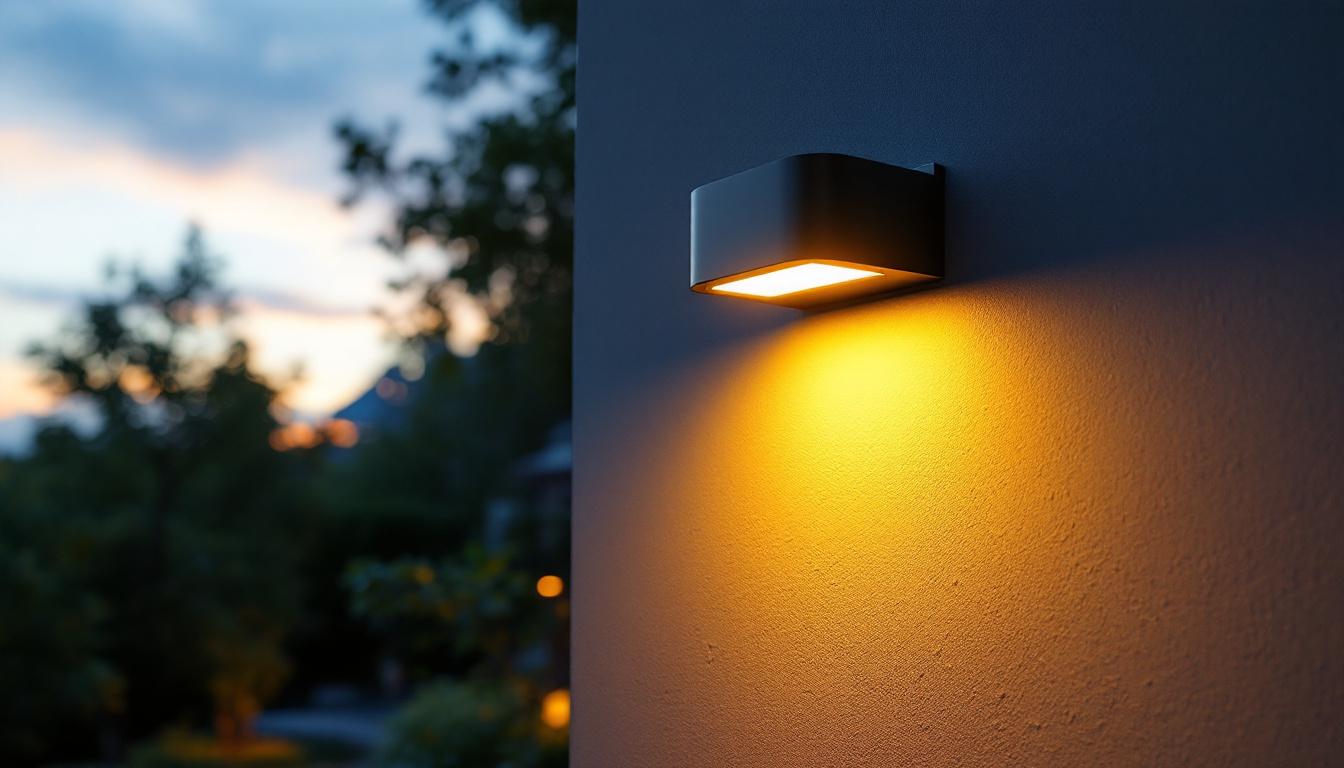
These lamps harness solar energy during the day and automatically illuminate at night, providing reliable lighting without the need for external power sources. This independence from the grid is particularly valuable in remote or hard-to-wire locations, making solar LED wall lamps a versatile option for a wide range of projects.
For contractors, this means faster installations, fewer permits, and reduced material costs. The ability to deploy lighting without digging trenches or running electrical conduit opens up new possibilities for clients and expands the scope of potential projects. Moreover, the aesthetic appeal of solar LED wall lamps has also evolved significantly, with designs that complement various architectural styles and outdoor settings. From sleek, modern fixtures to more traditional lantern styles, these lamps can enhance the visual appeal of any outdoor space while providing functional lighting.
Additionally, the environmental benefits of solar LED wall lamps cannot be overstated. By utilizing renewable energy, these lamps contribute to reducing carbon footprints and promoting sustainability. As more homeowners and businesses prioritize eco-friendly solutions, the demand for solar-powered lighting continues to grow. This shift not only aligns with global efforts to combat climate change but also encourages communities to invest in greener technologies. Furthermore, many solar LED wall lamps come equipped with motion sensors or smart technology, allowing for enhanced security and energy efficiency. Such features enable the lights to activate only when needed, further conserving energy and extending the lifespan of the bulbs, making them an even more attractive option for outdoor lighting solutions.
Key Benefits for Lighting Contractors
Cost Efficiency and Reduced Labor
One of the most significant advantages of solar LED wall lamps is the reduction in both material and labor costs. Traditional outdoor lighting requires wiring, junction boxes, and often, the involvement of licensed electricians. Solar lamps bypass these requirements entirely.
With no wiring necessary, contractors can complete installations in a fraction of the time. This speed translates into lower labor expenses and the ability to take on more projects within the same timeframe. Additionally, the absence of electrical infrastructure reduces the risk of accidental damage to underground utilities, which can be costly and dangerous.
Easy Installation and Flexibility
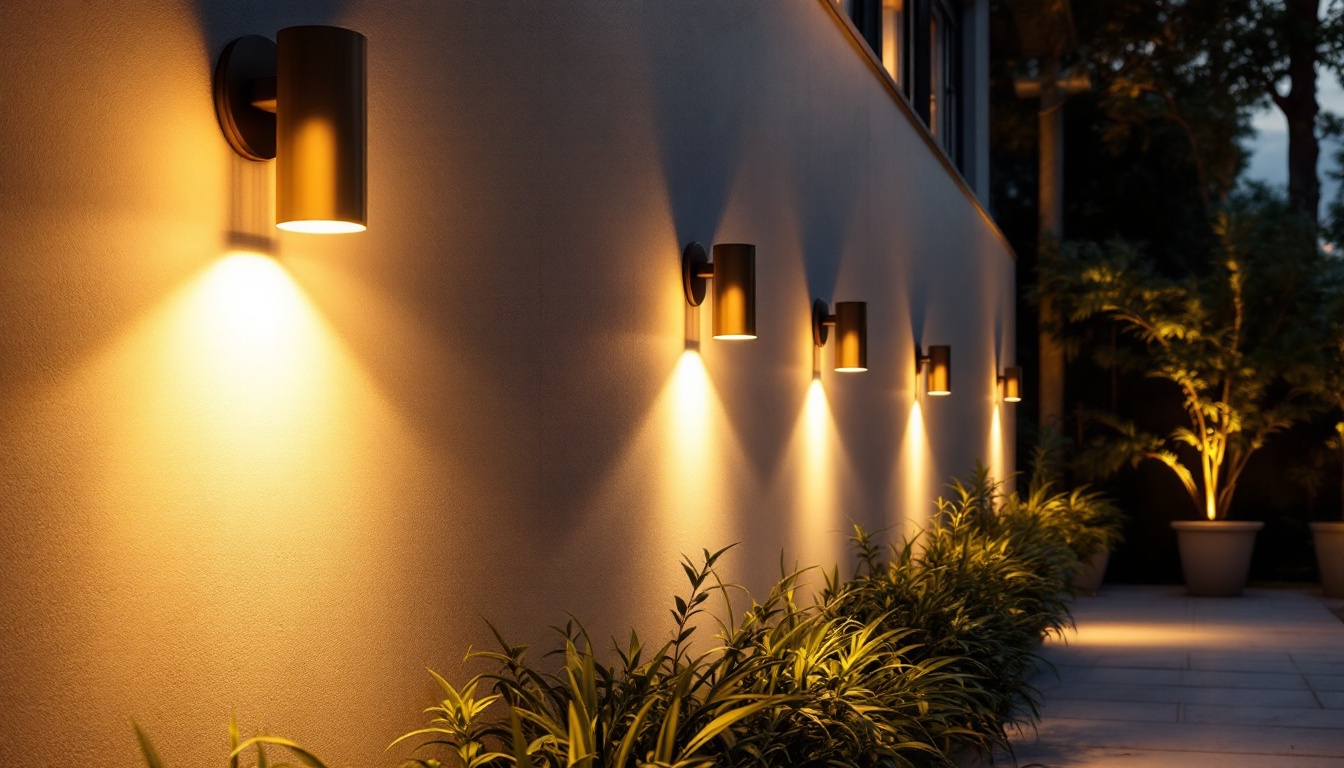
Solar LED wall lamps are designed for straightforward mounting on exterior walls, fences, or posts. Their lightweight construction and integrated solar panels mean they can be installed almost anywhere with adequate sun exposure. This flexibility allows contractors to meet client needs without being constrained by the availability of power outlets or existing wiring.
Moreover, many models come with adjustable brightness settings and motion sensors, enabling contractors to tailor the lighting to specific applications such as security, ambiance, or pathway illumination. This adaptability enhances the value proposition for clients and gives contractors a competitive edge.
Low Maintenance and Longevity
Once installed, solar LED wall lamps require minimal upkeep. The LED bulbs have long lifespans, often exceeding 25,000 hours, which reduces replacement frequency. The solar panels and batteries are designed to withstand outdoor conditions, with many models featuring weatherproof and vandal-resistant housings.
For contractors, this means fewer callbacks and maintenance visits, freeing up resources for new projects. Clients also appreciate the hassle-free nature of solar lighting, which can be a strong selling point during consultations.
Technical Considerations for Lighting Contractors
Assessing Solar Exposure and Placement
Proper placement is critical to the performance of solar LED wall lamps. Lighting contractors must evaluate the site to ensure the solar panel receives sufficient sunlight throughout the day. Shaded areas, overhangs, or dense foliage can significantly reduce charging efficiency and diminish light output at night.
Using tools like solar pathfinders or smartphone apps that track sun exposure can help contractors plan installations that maximize energy capture. Additionally, educating clients about the importance of unobstructed sunlight can prevent future dissatisfaction with the lighting’s performance.
Battery Capacity and Runtime
The battery is the heart of a solar LED wall lamp. Contractors should consider the battery’s capacity relative to the lamp’s power consumption and expected runtime. Higher-capacity lithium-ion batteries offer longer life and better performance in cold weather compared to older nickel-metal hydride or lead-acid types.
Understanding the balance between brightness, runtime, and battery size allows contractors to recommend the right product for each application. For example, security lighting may require brighter LEDs and longer runtime, necessitating larger batteries or more efficient solar panels.
Integration with Smart Controls
Modern solar LED wall lamps increasingly incorporate smart technology such as motion sensors, dusk-to-dawn sensors, and even remote control via smartphone apps. These features not only enhance energy efficiency but also improve user experience.
Lighting contractors who stay current with these innovations can offer clients advanced solutions that combine convenience with cost savings. For instance, motion-activated lamps can conserve battery life by only illuminating when needed, while remote controls allow users to adjust settings without physical interaction with the fixture.
Applications and Project Opportunities
Residential Outdoor Lighting
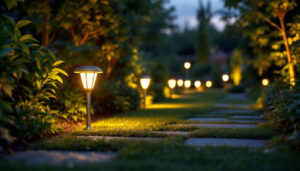
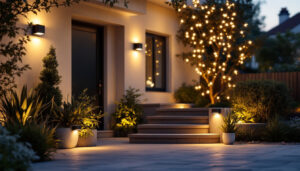
Solar LED wall lamps are ideal for residential settings, including patios, garden walls, driveways, and entryways. Homeowners appreciate the ease of installation and the energy savings that come with solar lighting. Contractors can capitalize on this by offering solar solutions as part of landscape lighting packages or home security upgrades.
Additionally, solar lamps can be used to highlight architectural features or provide ambient lighting for outdoor living spaces, enhancing both aesthetics and functionality.
Commercial and Public Spaces
Businesses and municipalities are increasingly adopting solar LED wall lamps for parking lots, walkways, parks, and public buildings. The reduced need for electrical infrastructure makes solar lighting a cost-effective choice for large-scale projects or temporary installations.
Lighting contractors can position themselves as experts in sustainable lighting solutions by promoting solar options to commercial clients. This approach aligns with growing environmental awareness and corporate social responsibility goals.
Remote and Temporary Installations
Construction sites, event venues, and remote properties often require temporary or portable lighting solutions. Solar LED wall lamps provide a plug-and-play option that can be relocated easily without the hassle of rewiring.
Contractors involved in these sectors can expand their service offerings by including solar lighting rentals or sales, meeting the demand for flexible, eco-friendly illumination.
Challenges and How to Overcome Them
Weather and Climate Considerations
Solar LED wall lamps depend on sunlight, so geographic location and weather patterns can impact performance. In areas with frequent overcast days or heavy snow, charging efficiency may decline, leading to shorter lighting durations.
Contractors should assess local climate data and select products with appropriate battery capacity and panel efficiency to mitigate these issues. Educating clients on seasonal performance variations also sets realistic expectations.
Vandalism and Security
Outdoor lighting fixtures are vulnerable to vandalism or theft, especially in public or unsecured areas. Solar LED wall lamps, being standalone units, can be more exposed without the protection of wiring or fixed infrastructure.
Choosing models with tamper-resistant features, sturdy housings, and secure mounting options can reduce these risks. Contractors might also recommend supplementary security measures such as cameras or protective cages when appropriate.
Cost Per Unit vs. Long-Term Savings
While solar LED wall lamps can have a higher upfront cost compared to traditional fixtures, their long-term savings on electricity and maintenance often justify the investment. Contractors should be prepared to present clear cost-benefit analyses to clients, highlighting payback periods and environmental benefits.
Offering financing options or bundling solar lighting with other energy-efficient upgrades can make the initial cost more palatable and encourage adoption.
Future Trends Lighting Contractors Should Watch
Advances in Solar Technology
Solar panel efficiency continues to improve, enabling smaller panels to generate more power. This trend will allow for more compact and aesthetically pleasing solar LED wall lamps that do not compromise on brightness or runtime.
Contractors who stay informed about these developments can offer cutting-edge products that meet evolving client demands.
Integration with Smart Home and IoT Systems
The rise of smart homes and Internet of Things (IoT) devices is influencing outdoor lighting as well. Solar LED wall lamps that integrate seamlessly with home automation platforms offer enhanced control and customization.
Lighting contractors can differentiate their services by providing installations that connect with voice assistants, security systems, and energy management tools.
Sustainability and Green Building Certifications
Increasingly, building codes and certification programs emphasize sustainable design. Solar LED wall lamps contribute to energy efficiency credits and can help projects meet standards such as LEED or WELL.
Contractors knowledgeable about these certifications can advise clients on how solar lighting fits into broader sustainability goals, adding value beyond the fixture itself.
Conclusion: Embracing Solar LED Wall Lamps for Competitive Advantage
Solar LED wall lamps offer lighting contractors a powerful tool to enhance project efficiency, reduce costs, and meet growing demand for sustainable solutions. Their ease of installation, low maintenance, and adaptability make them suitable for a wide range of applications, from residential to commercial and temporary settings.
By understanding the technical nuances and market opportunities, contractors can position themselves as leaders in solar lighting, delivering value to clients while expanding their own business potential. As technology advances and environmental priorities shift, solar LED wall lamps will undoubtedly play an increasingly central role in outdoor lighting strategies.
Illuminate Your Projects with LumenWholesale
Ready to harness the power of solar LED wall lamps and gain that competitive edge? Look no further than LumenWholesale for your lighting needs. Our commitment to providing contractors with high-quality, specification-grade lighting at unbeatable wholesale prices ensures that your projects shine without breaking the bank. With our expansive selection, free shipping on bulk orders, and no middleman markups, you can trust that you’re getting the best value in the industry. Elevate your lighting game with the perfect blend of quality, affordability, and convenience at LumenWholesale – your partner in exceptional lighting solutions.