Understanding the Appeal of Solar Garden Lamps
Solar garden lamps have become a staple in outdoor lighting projects, offering an eco-friendly and cost-effective solution that appeals to homeowners and commercial clients alike. For lighting contractors, these fixtures present both an opportunity and a challenge. The opportunity lies in meeting growing demand for sustainable lighting options. The challenge is in selecting, installing, and maintaining solar lamps that deliver reliable performance and aesthetic appeal.
Unlike traditional wired lighting, solar garden lamps operate independently of the electrical grid, which simplifies installation and reduces labor costs. However, this independence also means understanding the nuances of solar technology—how sunlight, battery capacity, and LED efficiency interact to create effective lighting solutions. Contractors who grasp these elements can provide superior service and build lasting client trust.
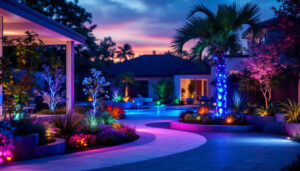
Moreover, the variety of designs available in solar garden lamps allows for creative expression in outdoor spaces. From sleek modern styles to charming vintage designs, these lamps can complement any landscape aesthetic. This versatility not only enhances the visual appeal of gardens, patios, and walkways but also provides an opportunity for contractors to showcase their design expertise. By offering a range of options, they can cater to diverse client preferences, ensuring that every installation is both functional and visually pleasing.
Additionally, the advancements in solar technology have led to improvements in battery life and light output, making modern solar garden lamps more reliable than ever. Many models now feature smart technology, allowing users to control brightness levels and even set timers via smartphone apps. This integration of technology not only enhances user experience but also positions contractors to educate clients on the benefits of smart lighting solutions. As energy efficiency becomes increasingly important, the ability to offer innovative, tech-savvy products can set a contractor apart in a competitive market.
Key Components and Technology Behind Solar Garden Lamps
Solar Panels: Efficiency and Placement
The solar panel is the heart of any solar garden lamp. Its efficiency determines how much sunlight is converted into electrical energy. Monocrystalline panels are generally more efficient and compact than polycrystalline ones, but they come at a higher price point. Lighting contractors should evaluate the site’s sun exposure carefully. Even the best panel will underperform if shaded by trees, buildings, or garden structures.
Placement is critical. Panels should face true south in the northern hemisphere (or true north in the southern hemisphere) and be angled to maximize sun exposure based on geographical latitude. Advising clients on optimal placement can significantly enhance lamp performance and client satisfaction. Additionally, it’s worth noting that seasonal changes can affect sun exposure; therefore, some contractors recommend adjustable mounts that allow for seasonal repositioning of the panels. This adaptability ensures that the solar garden lamps maintain optimal performance throughout the year, regardless of shifting sunlight patterns.
Batteries: Capacity and Longevity
Energy storage is another vital consideration. Most solar garden lamps use rechargeable lithium-ion or nickel-metal hydride (NiMH) batteries. Lithium-ion batteries offer higher energy density and longer life cycles but come at a premium. NiMH batteries are more affordable but may require more frequent replacement.
Battery capacity directly affects how long the lamp can operate after sunset. For areas with shorter daylight hours or frequent overcast conditions, larger capacity batteries or hybrid systems with supplemental power may be necessary. Lighting contractors should assess local climate conditions and client usage patterns to recommend the right battery type and size. Furthermore, advancements in battery technology, such as the development of solid-state batteries, are on the horizon and may soon offer even greater efficiency and safety, potentially revolutionizing the solar garden lamp market. Keeping abreast of these innovations can provide contractors with a competitive edge and enhance their service offerings.
LED Technology: Brightness and Color Temperature
LEDs are the preferred light source for solar garden lamps due to their energy efficiency and long lifespan. However, not all LEDs are created equal. Brightness is measured in lumens, and color temperature in Kelvins (K). For garden lighting, a range of 2700K to 4000K is typical, providing warm to neutral white light that enhances outdoor ambiance without harshness.
Contractors should consider the lamp’s intended function—whether it’s for accent lighting, pathway illumination, or security purposes—to select the appropriate brightness and color temperature. Dimmable or multi-mode LEDs offer flexibility and can be a selling point for clients seeking customizable lighting solutions. Additionally, the integration of smart technology into LED systems is becoming increasingly popular. Features such as motion sensors, timers, and smartphone connectivity not only improve energy efficiency but also provide users with greater control over their outdoor lighting, allowing for tailored experiences that can adapt to different occasions or times of day. This trend towards smart solar lighting solutions is likely to shape the future of garden illumination, making it an exciting area for contractors to explore and implement in their projects.
Installation Best Practices for Solar Garden Lamps
Site Assessment and Preparation
Before installation, a thorough site assessment is essential. Identify potential shading issues, verify sunlight availability throughout the day, and consider the client’s landscaping plans. Solar garden lamps should complement the garden’s design and not interfere with plant growth or irrigation systems.
Ground conditions also matter. For stake-mounted lamps, ensure the soil is firm enough to support the fixture securely. In rocky or sandy soil, additional anchoring may be necessary. For wall-mounted or post-mounted lamps, verify structural integrity and access to sunlight.
Optimizing Solar Lamp Placement
Even distribution of light is crucial for both aesthetics and safety. Pathways, patios, and garden features should be evenly illuminated without creating glare or dark spots. Spacing between lamps depends on their brightness and beam angle. A typical spacing guideline is 6 to 8 feet for pathway lighting, but this varies with lamp specifications.
When installing multiple lamps, consider wiring and control options. While solar lamps are generally wireless, some models can be interconnected for synchronized operation. This can enhance security lighting or create dynamic lighting effects.
Ensuring Proper Orientation and Tilt
Correct orientation of the solar panel maximizes energy capture. Use a compass or smartphone app to align the panel accurately. The tilt angle should correspond to the site’s latitude to optimize sunlight absorption year-round. Adjustable mounts can help fine-tune the angle after installation.
In some cases, seasonal adjustments may be beneficial, especially in regions with significant changes in sun angle. Educate clients on how to adjust panels if the lamps do not have automatic tracking features.
Maintenance and Troubleshooting Tips
Routine Cleaning and Inspection
Solar panels accumulate dust, pollen, and debris, which reduce efficiency. Regular cleaning with a soft cloth and mild detergent can restore performance. Advise clients to clean panels at least twice a year, or more frequently in dusty environments.
Inspect batteries and LEDs periodically for signs of wear or damage. Battery replacement intervals vary but typically range from two to five years. Keeping a maintenance log helps track performance and anticipate replacements.
Common Issues and Solutions
Lighting contractors often encounter issues such as dim or non-functioning lamps. The most common causes include insufficient sunlight, dirty panels, degraded batteries, or faulty LEDs. Troubleshooting starts with checking panel cleanliness and orientation, then testing battery voltage and LED function.
In cases of persistent underperformance, consider upgrading to higher-capacity batteries or more efficient panels. Some clients may benefit from hybrid solar-electric systems that supplement solar power with grid electricity during low-light periods.
Design Considerations and Client Communication
Balancing Aesthetics and Functionality
Solar garden lamps come in a wide range of styles-from sleek modern designs to rustic lanterns. Understanding the client’s taste and the garden’s architectural style is essential. Lighting contractors should present options that meet both aesthetic and functional needs.
Discuss the desired ambiance and lighting goals with clients. Soft, warm lighting enhances relaxation areas, while brighter, cooler tones improve security and visibility. Offering samples or demonstrations can help clients visualize the final effect.
Setting Realistic Expectations
Clients sometimes expect solar lamps to perform identically to wired lighting. It’s important to explain the inherent limitations of solar technology, including dependence on sunlight and battery capacity. Clear communication helps prevent dissatisfaction and builds trust.
Highlight the benefits-energy savings, ease of installation, and environmental impact-while being transparent about maintenance requirements and potential performance variability. Providing a written maintenance plan can reinforce professionalism.
Emerging Trends and Innovations in Solar Garden Lighting
Smart Solar Lighting Systems
Integration of smart technology is transforming solar garden lamps. Features like motion sensors, remote controls, and app-based scheduling allow for customized lighting scenarios and energy optimization. Lighting contractors should stay informed about these advances to offer cutting-edge solutions.
Smart systems can enhance security by activating lights only when needed, extending battery life. They also enable clients to adjust brightness and color temperature remotely, adding convenience and personalization.
Hybrid and Modular Solutions
Hybrid solar lamps that combine solar power with traditional electrical connections provide reliability in challenging environments. Modular designs allow for easy upgrades or replacements of components like batteries and LEDs, extending the lifespan of the fixture.
Contractors can recommend hybrid or modular options for clients with specific needs, such as shaded gardens or areas with variable weather. These solutions balance sustainability with performance consistency.
Final Thoughts for Lighting Contractors
Mastering solar garden lamps requires a blend of technical knowledge, practical skills, and client communication. By understanding the technology, executing precise installations, and offering proactive maintenance, lighting contractors can differentiate their services and capitalize on the growing demand for sustainable outdoor lighting.
Staying current with industry trends and emerging technologies will position contractors as trusted experts in solar lighting. This expertise not only benefits clients but also enhances the contractor’s reputation and business growth in an increasingly eco-conscious market.
Illuminate Your Projects with LumenWholesale
Ready to elevate your lighting projects with the best solar garden lamps on the market? Look no further than LumenWholesale, where we provide contractors with exceptional, spec-grade lighting products at unbeatable wholesale prices. Our commitment to quality and affordability ensures that you can offer your clients high-performance, sustainable lighting solutions without the burden of inflated costs. Plus, with free shipping on bulk orders, you can stock up on all your lighting needs with ease and confidence. Don’t compromise on quality or value—choose LumenWholesale for your next project. Discover our extensive selection and experience the ultimate in contractor convenience by visiting Wholesale Lighting at the Best Value today.