Why Outdoor Wall Light Height Matters More Than You Think
When installing outdoor wall lights, the height at which they’re mounted can make or break the entire lighting effect. It’s not just about aesthetics—though that’s a big part of it—but also about functionality, safety, and energy efficiency. For lighting contractors, understanding the optimal height for outdoor wall lights is essential to delivering projects that satisfy clients and stand the test of time.
Imagine a porch light mounted too low. It might cast harsh shadows or glare directly into the eyes of anyone walking by. Conversely, if it’s too high, the light may spread too thinly, leaving dark patches that defeat the purpose of illumination. Striking the right balance ensures the space is welcoming, secure, and visually appealing.
Moreover, the height of outdoor wall lights can significantly impact the overall ambiance of the area. For instance, lights positioned at eye level can create a cozy, intimate atmosphere, perfect for entertaining guests or enjoying a quiet evening outdoors. On the other hand, higher placements can provide a more dramatic effect, illuminating architectural features or landscaping elements while maintaining a sense of grandeur. This thoughtful consideration of height can transform an ordinary outdoor space into an extraordinary one, enhancing not just functionality but also the emotional experience of the environment.
In addition to aesthetics and ambiance, the height of outdoor wall lights plays a crucial role in energy efficiency. By strategically placing lights at the right height, homeowners can maximize the effectiveness of their lighting while minimizing energy consumption. For example, using LED fixtures at optimal heights can ensure that light is directed where it’s needed most, reducing the need for additional fixtures and lowering electricity bills. This approach not only benefits the homeowner’s wallet but also contributes to a more sustainable lifestyle, aligning with modern eco-conscious values.
Standard Height Guidelines for Outdoor Wall Lights
General Recommendations
Most lighting professionals agree that the ideal height for mounting outdoor wall lights ranges between 60 and 72 inches (5 to 6 feet) from the finished floor or ground level. This range tends to work well for entrances, patios, and walkways, providing enough light to see clearly without overwhelming the space. The height also allows for a balance between visibility and aesthetics, ensuring that the fixtures complement the architecture of the home while serving their functional purpose.
For residential front doors or porch areas, 66 inches is often cited as a sweet spot. This height aligns the light source roughly at eye level for most adults, minimizing glare and distributing light evenly across the entryway. Additionally, this positioning can enhance the curb appeal of a home, as well-placed lighting can accentuate architectural details and landscaping features, creating an inviting atmosphere for guests and passersby alike.
Adjusting for Specific Applications
Not every outdoor lighting project fits the same mold. For example, in commercial settings or spaces with higher ceilings, wall lights may need to be mounted higher—sometimes up to 84 inches—to ensure adequate coverage. This adjustment is particularly important in areas where large gatherings occur, such as restaurants or event venues, where effective illumination can enhance safety and create a welcoming environment. Furthermore, the type of light fixture chosen can influence the perceived height, as larger fixtures may require different mounting strategies to maintain proportionality with the surrounding architecture.
Walkways and garden paths often benefit from wall lights installed closer to the 60-inch mark, illuminating the ground and reducing tripping hazards. The strategic placement of lights along these paths not only enhances safety but also adds to the visual appeal of the landscape, guiding guests through the outdoor space. Meanwhile, security lighting might require higher placement to cover broader areas and avoid easy tampering. In these cases, fixtures equipped with motion sensors can provide added functionality, activating only when movement is detected, thus conserving energy while ensuring safety. Ultimately, understanding the specific needs of each area will help in selecting the appropriate height and type of outdoor wall lights for optimal performance and aesthetic appeal.
Factors Influencing the Ideal Wall Light Height
Fixture Design and Light Distribution
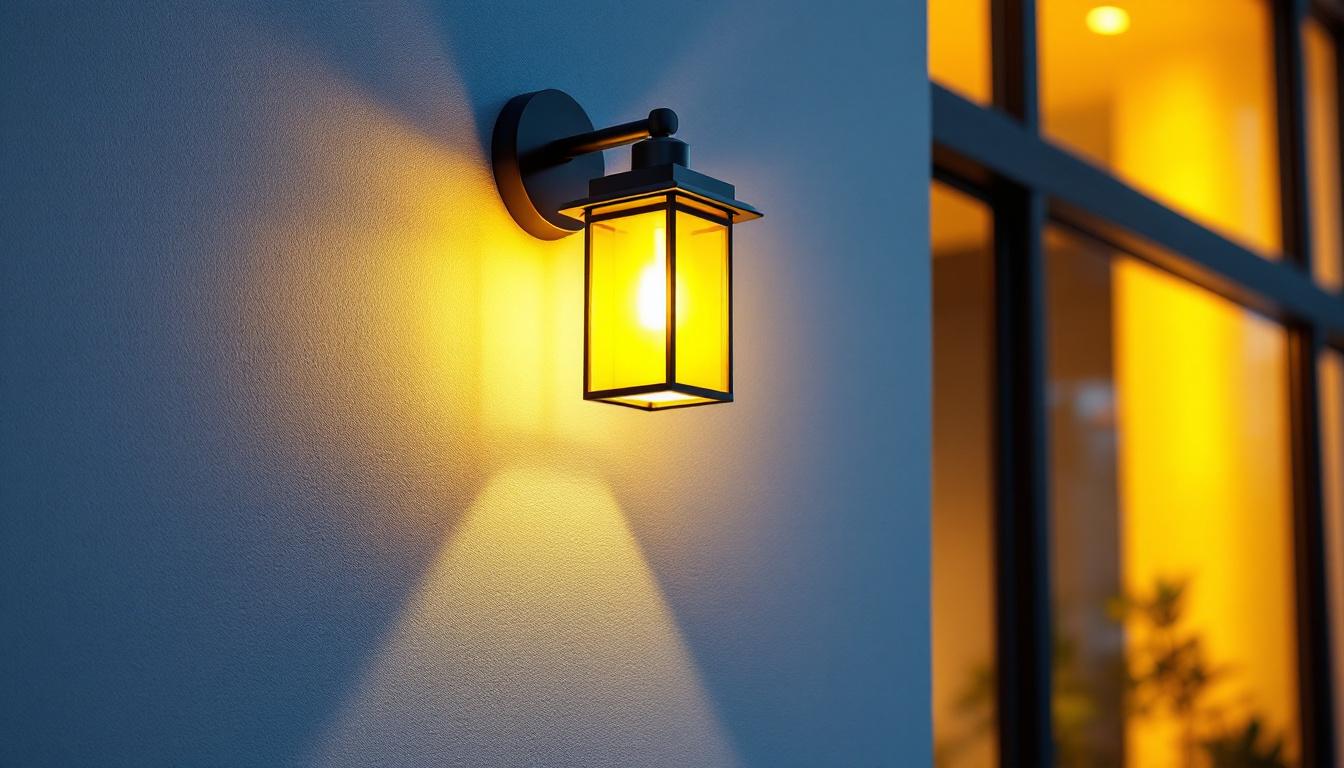
The style and beam angle of the fixture play a significant role in determining mounting height. Downward-facing sconces, for example, typically perform best when mounted between 60 and 72 inches, as they direct light toward the ground and the immediate surroundings.
Fixtures with adjustable heads or diffusers may allow more flexibility in height, but it’s crucial to test the light spread before final installation. A narrow beam angle will require a higher mounting point to cover the same area as a wider beam. Additionally, the material and finish of the fixture can affect how light is reflected and absorbed, further influencing the perceived brightness and warmth of the space. For instance, a polished metal fixture may create a more vibrant glow compared to a matte finish, which can soften the light and create a more subdued ambiance.
Architectural Features and Wall Height
The height of the wall itself and the architectural elements around it influence where lights should be placed. On taller walls, mounting lights too low can make them appear out of scale or ineffective. Conversely, on shorter walls, placing lights too high can cause uneven illumination and leave the lower areas in shadow.
Consider the overall proportions of the building’s facade and the height of doors and windows. Lighting should complement these elements, enhancing the structure’s visual balance. Architectural features such as columns, moldings, or recesses can also dictate light placement. For example, fixtures may be strategically positioned to accentuate a decorative archway or to highlight the texture of brickwork, creating a dynamic interplay of light and shadow that adds depth to the design.
Purpose of Lighting
Clarify the primary function of the outdoor wall light before deciding on height. Is it for safety, security, ambiance, or decoration? Each purpose requires a different approach:
- Safety: Lights should be bright and positioned to eliminate dark spots along pathways and stairs.
- Security: Higher placement with wider coverage helps deter intruders and reduces blind spots.
- Ambiance: Lower, softer lighting creates inviting atmospheres for social spaces.
- Decoration: Strategic placement highlights textures, plants, or architectural details.
Moreover, the integration of smart lighting technology can further enhance the functionality of outdoor wall lights. For instance, motion sensors can automatically adjust the brightness based on the presence of people, ensuring that areas remain well-lit when needed while conserving energy during quiet hours. Additionally, color-changing LEDs can be programmed to shift hues for different occasions, allowing homeowners to create festive atmospheres during celebrations or maintain a more subdued tone for everyday use. This versatility not only improves the practicality of outdoor lighting but also enriches the overall aesthetic experience of the space.
Common Mistakes and How to Avoid Them
Mounting Lights Too Low
One of the most frequent errors is installing outdoor wall lights too close to the ground. This can cause glare that’s uncomfortable for anyone nearby and limits the light’s effectiveness. It also increases the risk of damage from accidental contact or vandalism.
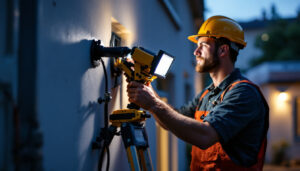
For contractors, double-checking measurements before installation is key. Using a laser level or tape measure to confirm the height from the finished floor ensures consistency and accuracy.
Ignoring Surrounding Elements
Failing to account for nearby trees, shrubs, or architectural protrusions can result in blocked or uneven lighting. Shadows cast by these obstacles may create dark patches, which are counterproductive for safety and aesthetics.
Conduct a thorough site survey and consider how natural and built elements will interact with the light. Adjust mounting height or fixture type accordingly.
Overlooking Local Codes and Regulations
Some municipalities have specific rules about outdoor lighting height and brightness to reduce light pollution and ensure public safety. Ignoring these can lead to costly rework or fines.
Always review local building codes and lighting ordinances before starting installation. Compliance not only protects your business but also fosters community goodwill.
Tips for Lighting Contractors to Perfect Outdoor Wall Light Installations
Plan with a Lighting Layout
Before drilling any holes, create a detailed lighting plan. This should include fixture types, mounting heights, and spacing. Using design software or simple sketches helps visualize the final outcome and identify potential issues early.
Test Light Placement Temporarily
Whenever possible, install fixtures temporarily using clamps or adjustable mounts. Observe the light distribution at night and make adjustments to height or angle as needed. This hands-on approach minimizes guesswork and leads to better results.
Communicate with Clients
Discuss the lighting goals and preferences with your clients upfront. Show them examples of different mounting heights and the effects they produce. Involving them in the decision process builds trust and ensures satisfaction.
Consider Energy Efficiency and Maintenance
Mounting height can impact energy consumption. Properly positioned lights reduce the need for higher wattage bulbs. Additionally, higher mounts may require ladders or special equipment for maintenance, so balance accessibility with performance.
Case Study: Transforming a Residential Entryway
A recent project involved upgrading a suburban home’s front porch lighting. The original fixtures were mounted at 48 inches, causing glare and uneven light coverage. After consulting lighting standards, the contractor raised the fixtures to 66 inches.
The result was a more inviting entrance with soft, even illumination. The homeowner reported feeling safer at night and received compliments on the improved curb appeal. This simple adjustment demonstrated how critical mounting height is to successful outdoor lighting.
Conclusion: Precision in Height Equals Success in Lighting
For lighting contractors, mastering the ideal outdoor wall light height from the floor is a fundamental skill. It influences everything from the quality of illumination to client satisfaction and long-term project success. By considering fixture type, architectural context, lighting purpose, and local regulations, contractors can deliver installations that are both beautiful and functional.
Taking the time to plan, test, and communicate ensures that outdoor lighting projects not only meet but exceed expectations. In the world of outdoor illumination, height truly matters.
Illuminate Your Projects with LumenWholesale
Ready to elevate your lighting projects with the perfect outdoor wall lights? At LumenWholesale, we provide lighting contractors with the quality and value needed to bring any space to life. Our extensive selection of spec-grade lighting products ensures you have access to the best options for any installation, all at unbeatable wholesale prices. Say goodbye to middleman markups and hello to hassle-free bulk buying with free shipping. Make your next project shine with superior lighting solutions that combine quality, affordability, and convenience. Discover the difference at Wholesale Lighting at the Best Value today.