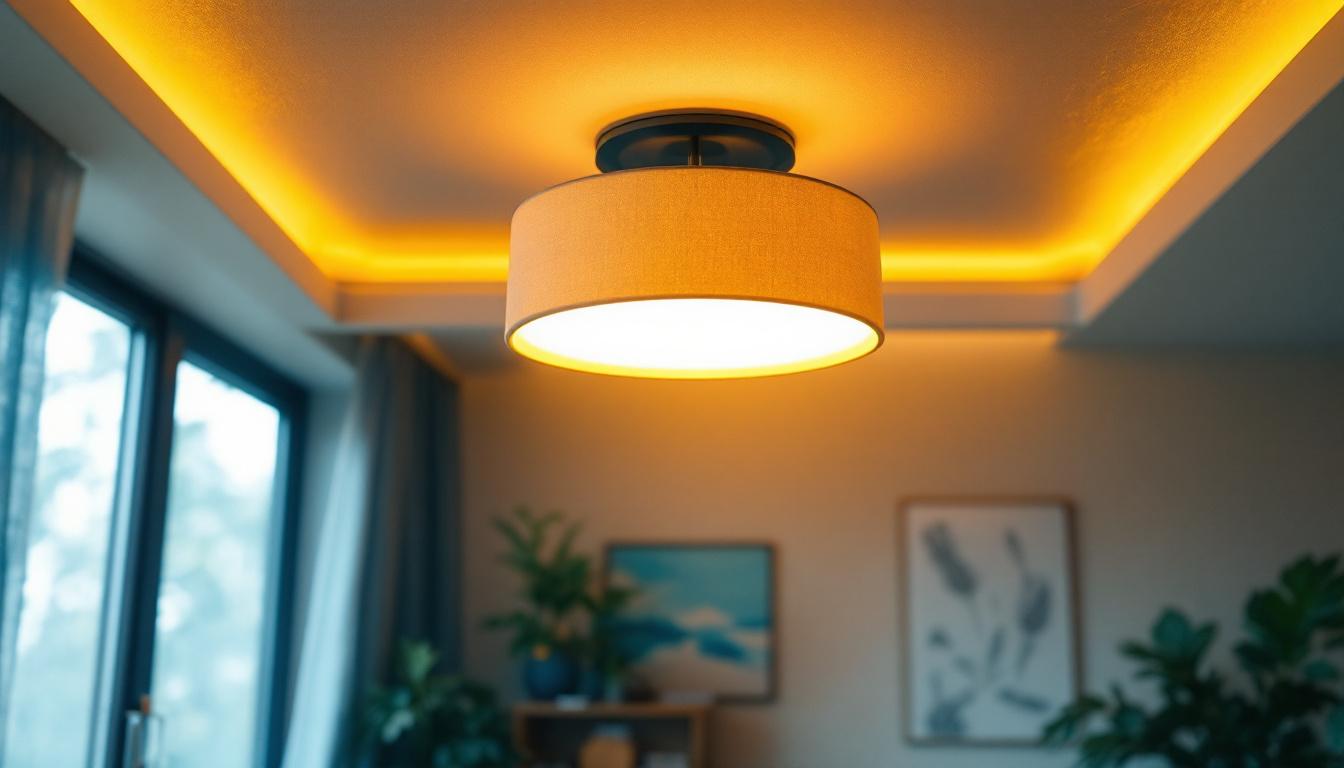
As a lighting contractor, ensuring that every project meets the highest standards of quality and aesthetics is paramount. Ceiling interior lights play a crucial role in transforming spaces, enhancing functionality, and setting the mood. This comprehensive checklist is designed to assist lighting contractors in selecting, installing, and maintaining ceiling interior lights effectively.
Understanding the Basics of Ceiling Interior Lights
Before diving into the specifics, it’s essential to grasp the fundamental types of ceiling lights available. Each type serves different purposes and can dramatically alter the ambiance of a room.
Types of Ceiling Lights
Ceiling lights come in various forms, including flush mounts, chandeliers, pendant lights, and recessed lighting. Flush mounts are ideal for low ceilings, providing a sleek look without taking up space. Chandeliers, on the other hand, add a touch of elegance and are perfect for dining rooms or entryways. Pendant lights offer versatility, allowing for creative arrangements, while recessed lighting provides a clean, modern aesthetic. Additionally, track lighting has gained popularity for its ability to direct light where it’s needed most, making it an excellent choice for highlighting artwork or architectural features.
Choosing the Right Style
The style of ceiling light should complement the overall decor of the space. For instance, a contemporary home may benefit from minimalist designs, while a traditional setting might require ornate fixtures. Understanding the client’s vision is key to making the right selections. Furthermore, one must consider the color temperature of the bulbs used; warmer tones can create a cozy atmosphere, while cooler tones are often more energizing and suitable for workspaces. The placement of the lights is also crucial, as it can influence the perception of space and depth within a room, making it feel either more expansive or intimate.
Moreover, energy efficiency is an important factor to consider when selecting ceiling lights. With advancements in LED technology, homeowners can enjoy significant savings on their energy bills while also contributing to environmental sustainability. Many modern fixtures now come with integrated LED options, which not only last longer than traditional bulbs but also offer a variety of brightness levels and color options. This flexibility allows for a tailored lighting experience that can adapt to different moods and activities throughout the day, enhancing both functionality and aesthetics in any living space.
Planning the Layout
Proper planning is crucial for achieving the desired lighting effect. A well-thought-out layout ensures that light is evenly distributed and meets the functional needs of the space. Additionally, considering the natural light available throughout the day can significantly enhance your lighting strategy. By observing how sunlight enters the room at different times, you can complement natural light with artificial sources, creating a harmonious balance that enhances the overall ambiance.
Measuring the Space
Accurate measurements of the room are essential. This includes the ceiling height, room dimensions, and the placement of furniture. These measurements will guide the selection of light fixtures and their arrangement. For example, in a large room, multiple fixtures may be necessary to avoid dark corners. It’s also important to consider the scale of the fixtures in relation to the room size; oversized fixtures can overwhelm a small space, while tiny fixtures may get lost in a large area. Incorporating adjustable fixtures can also provide flexibility, allowing you to modify the lighting based on different activities or moods.
Determining the Purpose of Lighting
Understanding the purpose of the lighting is vital. Different areas of a home may require different types of lighting. For instance, task lighting is essential in kitchens and workspaces, while ambient lighting is more suitable for living areas. Establishing the primary function of each room helps in selecting the appropriate fixtures. Moreover, accent lighting can be employed to highlight artwork or architectural features, adding depth and interest to the design. By layering different types of lighting—ambient, task, and accent—you can create a dynamic environment that caters to various activities and enhances the aesthetic appeal of your home.
Electrical Considerations
Safety and compliance with electrical codes are paramount when working with ceiling lights. This section outlines critical electrical considerations that every contractor should keep in mind.
Wiring and Circuitry
Ensure that the wiring is adequate for the chosen fixtures. Each light fixture will have specific wattage requirements, and the existing circuit must support this load. It’s advisable to consult local electrical codes to ensure compliance and safety. Additionally, consider the type of wiring being used; for instance, using copper wiring is generally preferred due to its superior conductivity and durability compared to aluminum. Furthermore, it’s essential to check for any signs of wear or damage in the existing wiring, as this can pose significant safety risks, including fire hazards.
Switch Placement and Control Options
Consider the placement of switches and control options. Dimmers can enhance the versatility of lighting, allowing clients to adjust brightness according to their needs. Smart lighting solutions are also becoming increasingly popular, offering remote control and automation features. These systems can be integrated with home automation platforms, enabling users to control their lighting through voice commands or smartphone apps. Moreover, think about the user experience; placing switches at convenient heights and locations can significantly improve functionality, especially in high-traffic areas. Consider also including motion sensors in strategic locations to enhance energy efficiency and convenience, automatically turning lights on or off as needed.
Fixture Selection
Choosing the right fixtures is a critical step in the lighting design process. This decision impacts both the functionality and aesthetic appeal of the space.
Energy Efficiency
Energy-efficient lighting options, such as LED fixtures, should be prioritized. Not only do they reduce energy consumption, but they also have a longer lifespan, which can be a selling point for clients. Understanding the benefits of different bulb types, such as lumens versus watts, is essential for making informed choices.
Color Temperature and Brightness
The color temperature of the lighting can significantly affect the mood of a room. Warmer tones (2700K-3000K) create a cozy atmosphere, while cooler tones (4000K-5000K) are more suitable for workspaces. It’s important to consider the intended use of the space when selecting color temperature.
Installation Best Practices
Once the planning and selection phases are complete, the installation process begins. Following best practices during installation ensures safety and optimal performance of the lighting fixtures.
Tools and Equipment
Having the right tools and equipment is essential for a smooth installation process. This includes ladders, screwdrivers, wire strippers, and voltage testers. Ensuring that all tools are in good condition can prevent delays and ensure safety.
Following Manufacturer Instructions
Each lighting fixture will come with specific installation instructions from the manufacturer. Adhering to these guidelines is crucial for ensuring the fixture operates correctly and safely. It’s also important to check for any warranty requirements that may be affected by improper installation.
Post-Installation Checks
After installation, conducting thorough checks is vital to ensure everything is functioning as intended. This phase often determines the success of the project.
Testing the Fixtures
Once installed, all fixtures should be tested to ensure they are working correctly. This includes checking for flickering lights, ensuring all switches operate as intended, and confirming that dimmers function properly. Any issues should be addressed immediately to avoid client dissatisfaction.
Client Walkthrough
Conducting a walkthrough with the client is an excellent way to ensure their satisfaction. This allows the contractor to explain the features of the lighting, demonstrate how to use any smart controls, and address any concerns the client may have. It’s an opportunity to reinforce professionalism and build trust.
Maintenance and Troubleshooting
Even after installation, the contractor’s role doesn’t end. Providing guidance on maintenance and troubleshooting can enhance client relationships and lead to future referrals.
Regular Maintenance Tips
Clients should be educated on the importance of regular maintenance. This includes cleaning fixtures to prevent dust buildup, checking for loose connections, and replacing bulbs as needed. Providing a maintenance schedule can help clients keep their lighting in optimal condition.
Troubleshooting Common Issues
Occasionally, issues may arise with lighting fixtures. Common problems include flickering lights, bulbs burning out quickly, or switches not functioning. Providing clients with basic troubleshooting tips can empower them to resolve minor issues without needing to call for service.
Staying Updated with Trends
The lighting industry is constantly evolving, with new trends and technologies emerging regularly. Staying informed can give contractors a competitive edge.
Emerging Technologies
Smart lighting technology continues to gain popularity. Understanding how to integrate smart systems can enhance the services offered to clients. This includes knowledge of voice-activated systems, mobile app controls, and energy monitoring features.
Design Trends
Keeping an eye on design trends can also help contractors provide better recommendations to clients. Trends such as minimalist designs, vintage fixtures, and eco-friendly options are increasingly sought after. Being knowledgeable about these trends can help contractors position themselves as experts in the field.
Conclusion
Ceiling interior lights play a vital role in enhancing the functionality and aesthetic appeal of spaces. By following this comprehensive checklist, lighting contractors can ensure that they deliver high-quality installations that meet client expectations. From understanding the basics of ceiling lights to staying updated with industry trends, a thorough approach will lead to successful projects and satisfied clients.
Ultimately, the goal of any lighting contractor should be to create spaces that are not only well-lit but also reflect the personality and needs of the occupants. By prioritizing quality, safety, and client satisfaction, contractors can build a strong reputation in the industry and secure future business opportunities.
Illuminate Your Projects with LumenWholesale
Ready to elevate your lighting projects with the finest selection of ceiling interior lights? Look no further than LumenWholesale, where we provide contractors with exceptional, spec-grade lighting products at unbeatable wholesale prices. Say goodbye to local distributor markups and hello to a vast array of reliable, high-performance lighting options that meet the highest industry standards. Plus, with free shipping on bulk orders, you can enjoy premium lighting at the best value — all without hidden fees or compromises. Don’t miss out on the perfect blend of quality, affordability, and convenience. Visit LumenWholesale now for Wholesale Lighting at the Best Value, and let us help you shine a light on excellence.