Introduction to Solar Commercial Lighting
Solar commercial lighting has rapidly emerged as a transformative solution within the lighting industry, offering sustainable, cost-effective alternatives to traditional electrical lighting systems. For lighting contractors, understanding the nuances of solar lighting is essential to staying competitive and meeting the evolving demands of commercial clients who prioritize energy efficiency and environmental responsibility.
Unlike conventional lighting systems that rely on grid electricity, solar commercial lighting harnesses energy from the sun through photovoltaic panels, storing it in batteries for use during nighttime or low-light conditions. This independence from the electrical grid not only reduces operating costs but also simplifies installation in locations where electrical infrastructure is limited or costly to extend.
Moreover, solar commercial lighting systems are increasingly equipped with advanced technology, such as motion sensors and smart controls, which enhance their functionality and efficiency. These features allow for adaptive lighting that responds to real-time conditions, ensuring that energy is used only when necessary. This not only contributes to further cost savings but also extends the lifespan of the lighting fixtures. As businesses strive to reduce their carbon footprints, the integration of smart technology into solar lighting solutions aligns perfectly with the goals of sustainability and innovation.
Additionally, the aesthetic versatility of solar commercial lighting cannot be overlooked. With a variety of designs, styles, and color temperatures available, these systems can be tailored to fit the specific needs and branding of a business. From sleek modern fixtures to more traditional designs, solar lighting can enhance the visual appeal of outdoor spaces, such as parking lots, walkways, and gardens, while simultaneously promoting a greener image. As more businesses recognize the dual benefits of functionality and aesthetics, the demand for customized solar lighting solutions continues to grow, paving the way for exciting developments in the industry.
Key Benefits of Solar Commercial Lighting for Contractors
Energy Savings and Reduced Operational Costs
One of the most compelling reasons commercial clients opt for solar lighting is the significant reduction in energy expenses. Solar lighting systems eliminate or drastically reduce electricity bills associated with outdoor and security lighting, parking lots, pathways, and signage illumination. For lighting contractors, this translates into a strong selling point when proposing projects, as clients increasingly seek long-term cost savings and return on investment.
Moreover, solar lighting systems often come with low maintenance requirements. The absence of complex wiring and reliance on durable LED fixtures means fewer service calls and replacements, which benefits both contractors and end-users by minimizing downtime and ongoing expenses. This reliability not only enhances customer satisfaction but also allows contractors to build a reputation for delivering quality, hassle-free solutions. As clients experience fewer issues over time, they are more likely to refer contractors to other businesses, creating a valuable word-of-mouth marketing effect.
Environmental Impact and Sustainability Goals
With growing awareness of climate change and corporate social responsibility, many commercial enterprises are setting ambitious sustainability targets. Solar commercial lighting aligns perfectly with these objectives by reducing carbon footprints and reliance on fossil fuels. Contractors who specialize in solar lighting can position themselves as partners in their clients’ green initiatives, enhancing their market reputation and opening doors to new business opportunities.
Additionally, many jurisdictions offer incentives, rebates, or tax credits for installing renewable energy systems, including solar lighting. Contractors knowledgeable about these programs can assist clients in maximizing financial benefits, further strengthening project proposals. This expertise not only helps clients navigate the complexities of available incentives but also positions contractors as trusted advisors, fostering long-term relationships that can lead to repeat business and referrals. Furthermore, as sustainability becomes a priority, contractors who embrace solar solutions can differentiate themselves in a crowded marketplace, attracting environmentally conscious clients.
Flexibility and Ease of Installation
Solar lighting systems are inherently modular and can be installed in a variety of commercial settings without the need for extensive trenching or electrical wiring. This flexibility is particularly advantageous in remote or hard-to-access locations, temporary installations, or sites with restrictive infrastructure. The ability to adapt lighting solutions to fit unique site conditions makes solar lighting an appealing option for a wide range of commercial applications.
For lighting contractors, this means reduced labor costs and shorter project timelines. The ability to quickly deploy lighting solutions without extensive groundwork also minimizes disruptions to business operations, a critical consideration for commercial clients. Additionally, the portability of solar lighting units allows for easy relocation or reconfiguration as business needs change, providing clients with a versatile lighting solution that can evolve alongside their operations. This adaptability not only enhances the value proposition for contractors but also ensures that clients can maintain optimal lighting conditions as their environments and requirements shift over time.
Challenges and Considerations in Solar Lighting Projects
Site Assessment and Solar Resource Evaluation
Successful solar lighting installation begins with a thorough site assessment. Contractors must evaluate solar exposure, shading, and local weather patterns to ensure the system will perform optimally. Inadequate sunlight due to building shadows, trees, or geographic location can compromise energy generation and system reliability.
Advanced tools such as solar pathfinders and irradiance meters can assist contractors in accurately assessing site conditions. This upfront diligence helps avoid costly redesigns or system underperformance, ensuring client satisfaction and project success.
System Sizing and Battery Capacity
Determining the appropriate size of photovoltaic panels and battery storage is critical. Undersized systems may fail to provide adequate lighting throughout the night, while oversized systems increase upfront costs unnecessarily. Contractors must balance lighting requirements, expected usage hours, and local climate factors to design efficient and cost-effective solutions.
Battery technology plays a pivotal role in system reliability. Lithium-ion batteries are increasingly favored for their longer lifespan and higher energy density compared to traditional lead-acid batteries, though they come at a higher initial cost. Contractors should educate clients on these trade-offs to facilitate informed decision-making.
Integration with Existing Infrastructure
Many commercial projects involve retrofitting solar lighting into existing sites. Contractors must navigate challenges related to integrating solar systems with current electrical infrastructure, controls, and lighting fixtures. Compatibility issues can arise, necessitating customized solutions or hybrid systems that combine solar with grid power.
Effective communication with clients and collaboration with electrical engineers or architects can streamline integration, ensuring seamless operation and adherence to safety standards.
Technological Advancements Driving Solar Commercial Lighting
LED Innovations and Energy Efficiency
Light-emitting diode (LED) technology has revolutionized commercial lighting by offering superior energy efficiency, longer lifespan, and improved light quality compared to traditional bulbs. When paired with solar power, LEDs maximize the utility of harvested solar energy, enabling brighter illumination with minimal power consumption.
Recent advancements include smart LEDs capable of dimming, color tuning, and adaptive lighting based on occupancy or ambient conditions. These features enhance user experience and further reduce energy usage, making solar LED lighting highly attractive for commercial applications.
Smart Controls and IoT Integration
Integration of smart controls and Internet of Things (IoT) technology is transforming solar commercial lighting into dynamic, responsive systems. Lighting contractors can now offer clients solutions that allow remote monitoring, scheduling, and fault detection via mobile apps or cloud platforms.
This connectivity enables proactive maintenance, reduces operational costs, and provides valuable data on energy consumption and system performance. For contractors, expertise in these technologies differentiates their services and adds value to their projects.
Advances in Battery and Solar Panel Technology
Ongoing improvements in photovoltaic panel efficiency and battery storage capacity continue to enhance the feasibility and attractiveness of solar commercial lighting. Higher efficiency panels generate more power from limited space, while new battery chemistries improve durability and reduce environmental impact.
Contractors who stay abreast of these developments can recommend cutting-edge solutions that optimize performance and cost-effectiveness, strengthening client trust and project outcomes.
Practical Applications and Case Studies
Parking Lot and Perimeter Lighting
Parking lots are among the most common commercial applications for solar lighting. Solar-powered LED fixtures provide bright, uniform illumination that enhances safety and security without the need for extensive wiring. Many businesses have successfully reduced energy costs by up to 70% by switching to solar lighting in these areas.
For contractors, these projects often involve standardized designs that can be efficiently replicated across multiple sites, creating scalable business opportunities.
Pathway and Landscape Lighting
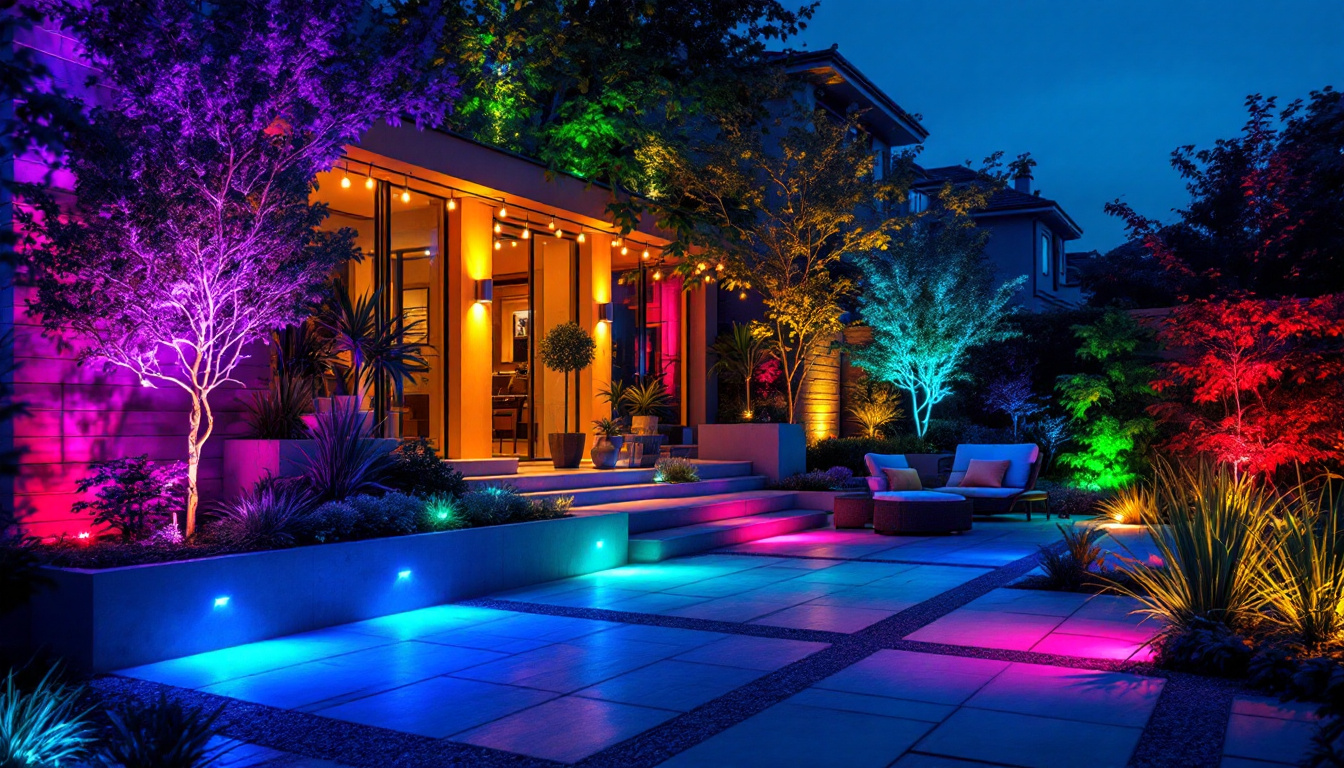
Solar lighting is ideal for illuminating pathways, gardens, and outdoor recreational spaces. The ease of installation and aesthetic flexibility allow contractors to design visually appealing lighting schemes that complement commercial properties while enhancing nighttime usability.
These projects often appeal to clients in hospitality, retail, and municipal sectors, where ambiance and customer experience are critical.
Remote and Temporary Installations
Construction sites, event venues, and remote facilities frequently require temporary lighting solutions. Solar commercial lighting offers a plug-and-play option that eliminates the need for generators or temporary electrical hookups.
Contractors can capitalize on this demand by providing rental or turnkey solar lighting packages that reduce logistical complexity and environmental impact.
Best Practices for Lighting Contractors Implementing Solar Commercial Lighting
Comprehensive Client Education
Educating clients about the benefits, limitations, and maintenance requirements of solar lighting is crucial. Transparent communication helps set realistic expectations and fosters long-term satisfaction. Contractors should provide detailed proposals that include performance projections, cost analyses, and potential incentives.
Collaboration with Industry Partners
Partnering with reputable manufacturers, battery specialists, and renewable energy consultants can enhance project quality and innovation. Access to the latest technology and expert advice enables contractors to deliver superior solutions and troubleshoot complex challenges effectively.
Ongoing Training and Certification
Given the rapid evolution of solar technologies, continuous professional development is essential. Obtaining certifications related to solar energy and sustainable lighting not only improves technical competence but also signals credibility to clients and industry peers.
Conclusion: Embracing Solar Lighting for Future-Ready Projects
Solar commercial lighting represents a significant opportunity for lighting contractors to expand their service offerings, reduce environmental impact, and meet the growing demand for sustainable solutions. By mastering the technical, financial, and operational aspects of solar lighting, contractors can deliver projects that provide lasting value and position themselves as leaders in an increasingly green marketplace.
As technology advances and client expectations evolve, the integration of solar lighting into commercial projects will become not just advantageous but essential. Lighting contractors who proactively adapt to this shift will enjoy enhanced competitiveness, client loyalty, and business growth.
Illuminate Your Projects with LumenWholesale
Ready to lead the charge in sustainable commercial lighting solutions? At LumenWholesale, we provide lighting contractors with the highest quality solar lighting products at exceptional wholesale prices. Our spec-grade selection is designed to meet rigorous industry standards, ensuring your projects shine with reliability and performance. Say goodbye to middleman markups and hello to unbeatable value, complemented by the convenience of free shipping on bulk orders. Elevate your lighting game and give your clients the best without compromise. Discover the perfect fusion of quality, cost-efficiency, and ease at LumenWholesale – Wholesale Lighting at the Best Value.