In the evolving landscape of home automation, smart house light switches have emerged as a pivotal component for modern lighting contractors. These devices not only enhance the functionality of lighting systems but also provide homeowners with unparalleled convenience and energy efficiency. For contractors, understanding the intricacies of these smart switches is essential to staying competitive in the market. This article delves into the critical insights that lighting contractors need to know about smart house light switches.
Understanding Smart Light Switches
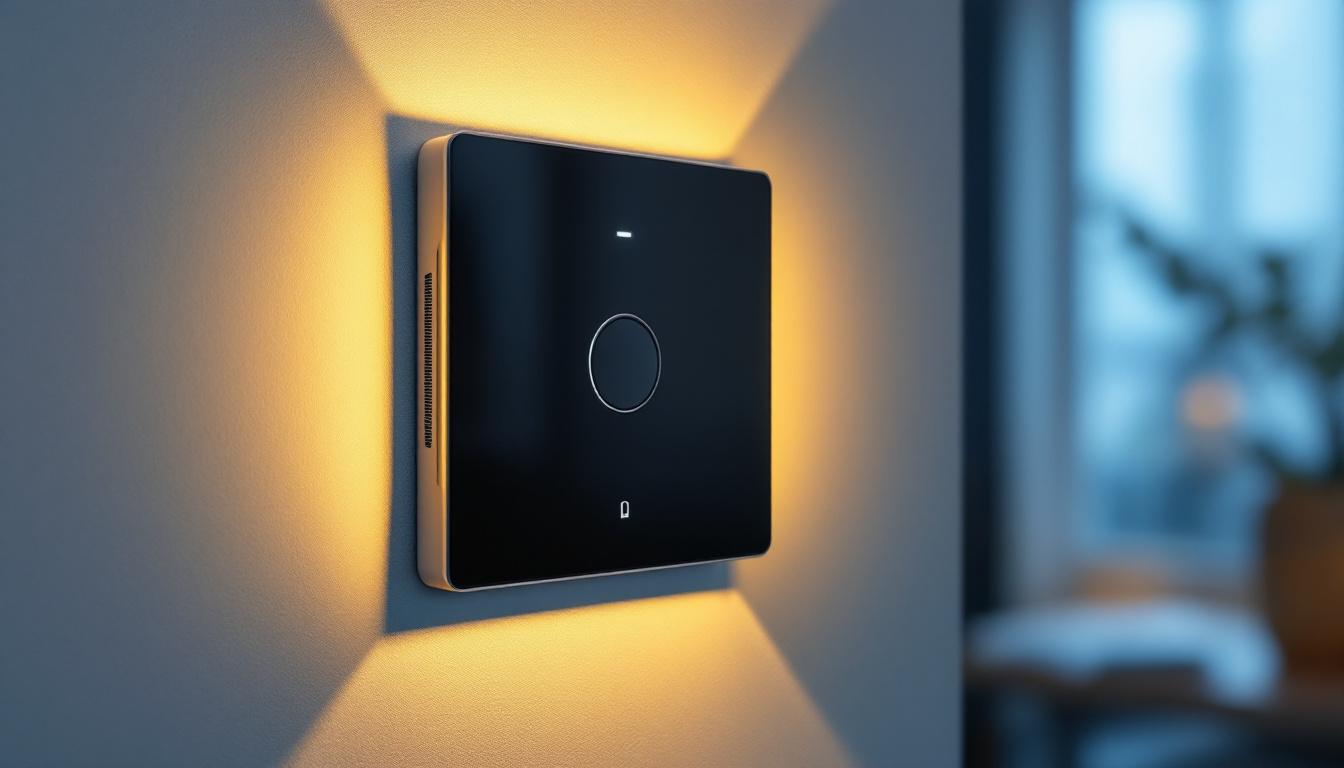
Smart light switches are designed to replace traditional switches, allowing users to control their lighting through various means, including mobile apps, voice commands, and automation schedules. The integration of smart technology in lighting systems offers a myriad of benefits, from energy savings to enhanced user experience. With the rise of smart homes, these devices have become essential components, providing not only convenience but also the ability to customize lighting based on personal preferences and daily routines.
Types of Smart Light Switches
There are several types of smart light switches available, each catering to different needs and preferences. The most common types include:
- Wi-Fi-enabled switches: These connect directly to the home’s Wi-Fi network, allowing for remote control via smartphone apps.
- Zigbee and Z-Wave switches: These operate on low-power wireless protocols, ideal for creating a mesh network of smart devices within a home.
- Bluetooth switches: These offer a more localized control option, typically requiring proximity to the switch for operation.
Each type has its own set of advantages and limitations, making it crucial for contractors to understand which option best suits their clients’ needs. For instance, Wi-Fi-enabled switches can be more straightforward to install and integrate with existing home networks, while Zigbee and Z-Wave switches excel in environments with multiple smart devices, ensuring reliable communication across the network. Additionally, Bluetooth switches may appeal to users who prefer simplicity and direct control without relying on internet connectivity.
Key Features to Consider
When selecting smart light switches, several key features should be evaluated:
- Compatibility: Ensure that the switches are compatible with existing lighting systems and smart home ecosystems.
- Control options: Look for switches that offer multiple control methods, including app control, voice activation, and physical buttons.
- Scheduling and automation: Features that allow users to set schedules and automate lighting can significantly enhance user experience.
Understanding these features will enable contractors to make informed recommendations to their clients, ensuring satisfaction and optimal functionality. Furthermore, it’s important to consider energy monitoring capabilities that some smart switches offer. These features can provide users with insights into their energy consumption patterns, helping them make more informed decisions about their usage and potentially leading to cost savings on their electricity bills. Additionally, some switches come with customizable lighting scenes, allowing users to create the perfect ambiance for various occasions, from movie nights to dinner parties, enhancing both the aesthetic and functional aspects of their living spaces.
The Benefits of Smart Light Switches
The adoption of smart light switches brings numerous advantages that can appeal to both contractors and homeowners alike. These benefits extend beyond mere convenience, influencing energy consumption and overall home security.
Energy Efficiency
Smart light switches can contribute significantly to energy savings. By allowing users to schedule lights to turn off when not needed or to adjust brightness based on time of day, these switches help reduce unnecessary energy consumption. Furthermore, many smart switches provide real-time energy usage data, enabling homeowners to make informed decisions about their lighting habits. This data can reveal patterns of usage, prompting homeowners to rethink their lighting strategies and further optimize their energy efficiency. For instance, if a homeowner discovers that certain lights are left on during the day, they can adjust their settings accordingly, leading to even greater savings on energy bills.
Enhanced Security Features
Another compelling benefit of smart light switches is their potential to enhance home security. Homeowners can program lights to turn on and off at specific times, creating the illusion of occupancy even when they are away. Some switches also integrate with security systems, allowing for coordinated responses to security breaches. Additionally, many smart light switches can be controlled remotely, enabling homeowners to activate or deactivate lights from anywhere in the world. This feature is particularly useful for those who travel frequently or have second homes, as it adds an extra layer of protection against potential intruders who might target unoccupied properties.
Improved User Experience
Smart light switches offer unparalleled convenience, allowing users to control their lighting with simple voice commands or through mobile applications. This level of control is particularly beneficial for individuals with mobility challenges, making homes more accessible and user-friendly. Moreover, the ability to customize lighting scenes for different activities—such as movie nights, dinner parties, or reading—enhances the overall ambiance of a home. Users can easily create presets that adjust multiple lights simultaneously, setting the perfect mood without the hassle of manual adjustments. This flexibility not only enriches the living experience but also encourages homeowners to engage more with their living spaces, fostering a sense of comfort and personalization.
Installation Considerations for Contractors
While the benefits of smart light switches are clear, installation can present unique challenges. Contractors must be well-versed in the installation process to ensure a seamless integration into existing systems.
Wiring and Compatibility
Before installation, contractors should assess the existing wiring and ensure compatibility with the chosen smart switch. Some smart switches require a neutral wire, which may not be present in older homes. Understanding the electrical layout is crucial to avoid complications during installation. Additionally, contractors should familiarize themselves with the specific requirements of various brands and models, as they can differ significantly. This knowledge not only streamlines the installation process but also helps in providing accurate estimates and timelines to clients, ensuring transparency and trust.
Network Setup
For Wi-Fi-enabled switches, a stable and robust network is essential. Contractors should verify that the home’s Wi-Fi signal is strong in the areas where switches will be installed. In cases where the signal is weak, recommending range extenders or alternative connection methods can enhance performance. Furthermore, it’s beneficial for contractors to educate homeowners on the importance of network security, especially when integrating smart devices. Encouraging the use of secure passwords and the latest encryption protocols can help protect the home’s network from potential vulnerabilities, giving clients peace of mind as they embrace smart technology.
Testing and Configuration
After installation, thorough testing is necessary to ensure that all features function as intended. This includes checking app connectivity, voice control capabilities, and automation settings. Providing clients with a walkthrough on how to use their new smart switches can enhance their experience and satisfaction. Additionally, contractors should consider offering ongoing support or maintenance services, as clients may have questions or require assistance as they explore the full range of features available. This proactive approach not only fosters long-term relationships with clients but also positions contractors as knowledgeable professionals in the growing field of smart home technology.
Challenges in the Smart Switch Market
Despite the growing popularity of smart light switches, several challenges persist in the market that contractors should be aware of. Understanding these challenges can help contractors navigate potential pitfalls and provide better service to their clients.
Interoperability Issues
One of the primary challenges in the smart home market is interoperability. Not all smart devices communicate seamlessly with one another, which can lead to frustration for users. Contractors should be knowledgeable about which brands and products work well together, ensuring that clients receive a cohesive smart home experience.
Security Concerns
As with any connected device, security is a significant concern. Smart light switches can be vulnerable to hacking if not properly secured. Contractors should educate clients on best practices for securing their devices, such as changing default passwords and updating firmware regularly.
Client Education
Many homeowners may not fully understand the capabilities and benefits of smart light switches. Contractors have a crucial role in educating clients about these products, helping them make informed decisions and maximizing their investment in smart technology.
Future Trends in Smart Lighting
The smart lighting industry is continuously evolving, with new trends emerging that will shape the future of smart house light switches. Staying informed about these trends can help contractors anticipate client needs and adapt their offerings accordingly.
Integration with AI and Machine Learning
As artificial intelligence (AI) and machine learning technologies advance, smart light switches are likely to become even more intuitive. Future devices may learn user habits and preferences, automatically adjusting lighting based on time of day or occupancy patterns, further enhancing energy efficiency and user experience.
Increased Focus on Sustainability
With growing awareness of environmental issues, the demand for sustainable lighting solutions is on the rise. Smart light switches that promote energy conservation and integrate with renewable energy sources will likely become more popular among eco-conscious consumers.
Expanded Functionality
Future smart switches may offer expanded functionality, such as integration with other smart home devices like thermostats, security systems, and home entertainment systems. This interconnectedness will allow for more comprehensive automation solutions, providing homeowners with a truly smart living experience.
Conclusion
Smart house light switches represent a significant advancement in home lighting technology, offering numerous benefits for both contractors and homeowners. By understanding the types, features, and benefits of these devices, as well as the challenges and future trends in the market, lighting contractors can position themselves as knowledgeable professionals in this growing field.
As the demand for smart home solutions continues to rise, embracing smart light switches will not only enhance the services offered by contractors but also ensure that they remain competitive in an ever-evolving industry. By staying informed and adapting to emerging trends, contractors can provide their clients with the best possible solutions for their lighting needs.
Get Your Smart Lighting Solutions at LumenWholesale
Ready to elevate your lighting projects with the latest smart house light switches? Look no further than LumenWholesale for an extensive selection of spec-grade lighting products that will set your services apart. With our commitment to quality, affordability, and convenience, you can access premium lighting options at wholesale prices, ensuring your projects shine without breaking the bank. Take advantage of our hassle-free bulk buying and free shipping to get the best value in lighting solutions. Don’t let inflated markups dim your competitive edge. Visit LumenWholesale today and discover the perfect blend of performance and price for your lighting needs.