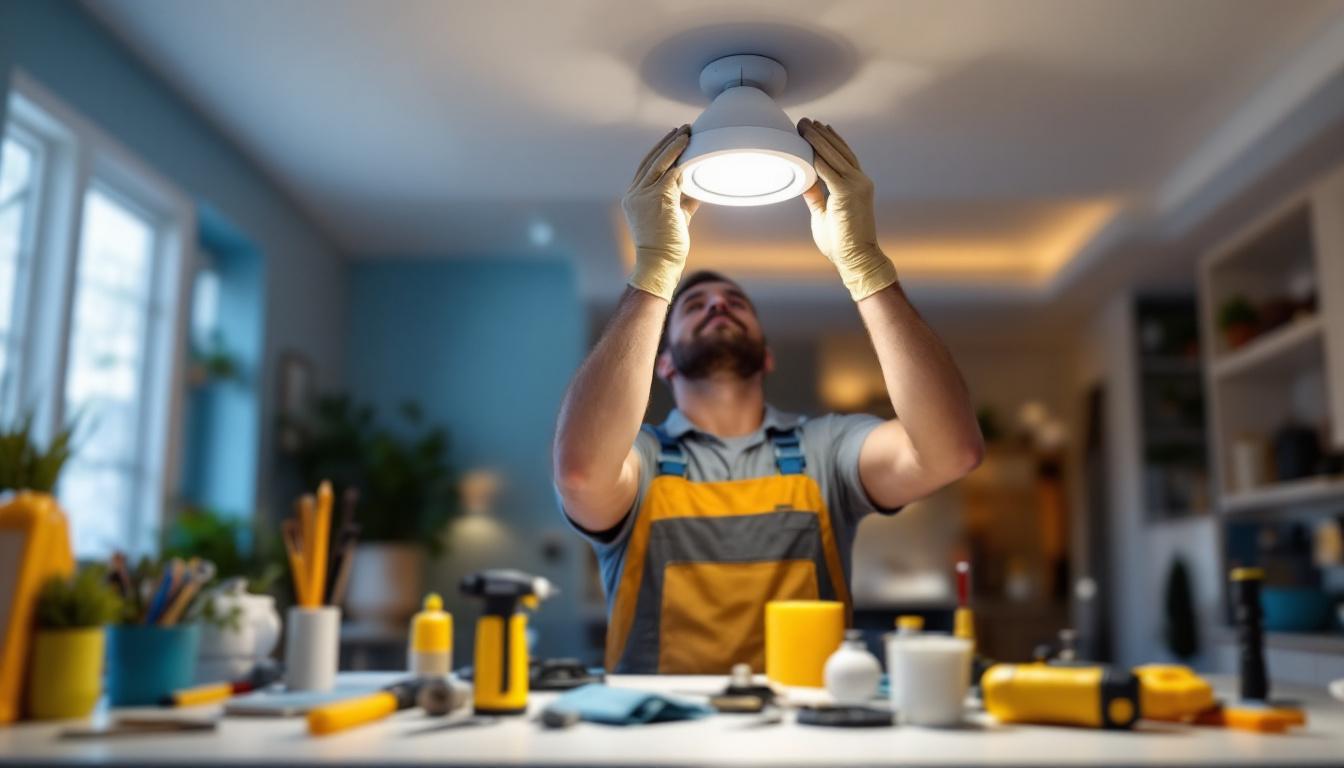
Understanding Shop LED Lighting: The Basics
For lighting contractors, mastering the nuances of shop LED lighting is essential to delivering efficient, cost-effective, and high-quality illumination solutions to retail and commercial environments. Shop LED lighting refers to the use of light-emitting diode (LED) technology specifically tailored for retail spaces, showrooms, and other commercial shops where product visibility and ambiance directly influence customer experience and sales.
Unlike general-purpose lighting, shop LEDs are designed to enhance product displays, create inviting atmospheres, and reduce energy consumption. Their versatility in color temperature, beam angle, and dimmability makes them an indispensable tool in the lighting contractor’s arsenal.
What Sets Shop LEDs Apart?
Shop LEDs typically emphasize color rendering index (CRI), brightness levels, and energy efficiency. A high CRI (above 80, ideally 90+) is crucial because it ensures that colors appear natural and vibrant, which is vital for retail environments where product appearance can affect purchasing decisions.
Additionally, shop LEDs often come with adjustable beam angles and tunable white options, allowing contractors to customize lighting schemes to highlight merchandise effectively and create dynamic visual effects. This adaptability is particularly beneficial in environments with diverse product lines, as it enables the lighting to shift in response to seasonal displays or promotional events, ensuring that the lighting remains relevant and effective throughout the year.
Moreover, the longevity of LED technology means that shop LEDs can significantly reduce maintenance costs over time. With lifespans often exceeding 25,000 hours, these lights require less frequent replacement compared to traditional lighting options. This not only minimizes disruption to the shopping experience but also contributes to a more sustainable approach to retail operations. As businesses increasingly prioritize eco-friendly practices, the energy efficiency of LED lighting aligns perfectly with their goals, offering a compelling reason for contractors to advocate for its use in shop environments.
Key Benefits of Shop LED Lighting for Commercial Spaces
Lighting contractors should be well-versed in the tangible benefits that shop LED lighting offers to clients. Understanding these advantages helps in recommending the right solutions that meet both functional and aesthetic needs.
Energy Efficiency and Cost Savings
One of the most compelling reasons to adopt LED lighting in shops is the significant reduction in energy consumption compared to traditional incandescent or fluorescent lighting. LEDs use up to 75% less energy and last up to 25 times longer, which translates directly into lower utility bills and reduced maintenance costs.
For commercial clients, these savings can be substantial over the lifespan of the lighting system, making LEDs a smart investment that pays off quickly. Additionally, many utility companies offer rebates or incentives for businesses that switch to energy-efficient lighting, further enhancing the financial appeal of LED installations. This not only helps businesses save money but also contributes to a more sustainable environment, aligning with the growing consumer preference for eco-friendly practices.
Enhanced Product Presentation
Shop LEDs allow for precise control over lighting direction and intensity, enabling contractors to spotlight key products and create focal points within a retail space. This targeted illumination can increase product visibility and attractiveness, influencing customer behavior positively.
Moreover, the availability of different color temperatures—from warm white to daylight—helps in setting the desired mood and complementing the type of merchandise being displayed. For instance, a clothing store might benefit from warmer tones that enhance the richness of fabrics, while a tech store could opt for cooler hues that highlight sleek designs and modern aesthetics. The versatility of LED lighting allows for creative displays that can be easily adapted for seasonal promotions or new product launches, ensuring that the shop remains dynamic and engaging.
Improved Customer Experience and Brand Perception
Lighting plays a critical role in shaping the ambiance of a shop. Well-designed LED lighting can create an inviting atmosphere that encourages customers to linger longer, enhancing their shopping experience. This, in turn, can boost sales and foster brand loyalty.
Contractors who understand how to manipulate light to evoke the right emotions and highlight brand identity provide added value to their clients. The strategic use of lighting can also guide customer flow within the store, subtly directing them toward high-margin products or promotional displays. Furthermore, the longevity of LED fixtures means that businesses can maintain a consistent lighting quality over time, reinforcing their brand image and ensuring that customers always have a pleasant experience when they visit. As the retail landscape continues to evolve, the importance of innovative lighting solutions in creating memorable shopping experiences cannot be overstated.
Technical Considerations for Lighting Contractors
When specifying and installing shop LED lighting, several technical factors must be considered to ensure optimal performance and client satisfaction.
Color Rendering Index (CRI) and Color Temperature
As mentioned, CRI is a critical metric for shop lighting. A CRI of 90 or above is recommended for retail settings to ensure colors appear true to life. This is especially important in sectors like fashion, food, and art, where color accuracy can influence purchasing decisions. High CRI lighting not only enhances the visual appeal of products but also helps to create a more engaging shopping experience, encouraging customers to spend more time in the store.
Color temperature, measured in Kelvin (K), affects the ambiance and perceived warmth of a space. For example, warm white (2700K-3000K) creates a cozy, inviting atmosphere, while cool white (4000K-5000K) offers a bright, energetic feel suitable for highlighting products. Additionally, understanding the psychological effects of color temperature can aid in crafting specific moods; for instance, cooler temperatures can stimulate alertness and focus, making them ideal for electronics or office supply stores, while warmer tones can evoke comfort and relaxation in home goods or cafés.
Lumens and Brightness Levels
Lumens measure the total amount of visible light emitted by a source. Lighting contractors must calculate the required lumens based on the size of the shop, ceiling height, and the nature of the merchandise. Over-lighting can cause glare and discomfort, while under-lighting can make products appear dull. It’s also crucial to consider the reflectivity of surfaces in the shop; lighter colors will reflect more light, potentially allowing for lower lumen outputs without sacrificing visibility.
Using lighting design software or photometric analysis can help in determining the ideal lumen output and fixture placement. This technology allows contractors to simulate different lighting scenarios and visualize how various fixtures will interact with the shop’s layout and design elements, ensuring that the final installation meets both aesthetic and functional requirements.
Beam Angle and Fixture Types
The beam angle determines how light is distributed. Narrow beam angles (15°-30°) are ideal for accent lighting and spotlighting individual products, while wider beam angles (60°-120°) provide general ambient lighting. Understanding the specific needs of the merchandise is essential; for instance, jewelry displays benefit from focused, narrow beams to create dramatic highlights, while clothing racks may require broader coverage to illuminate the entire area evenly.
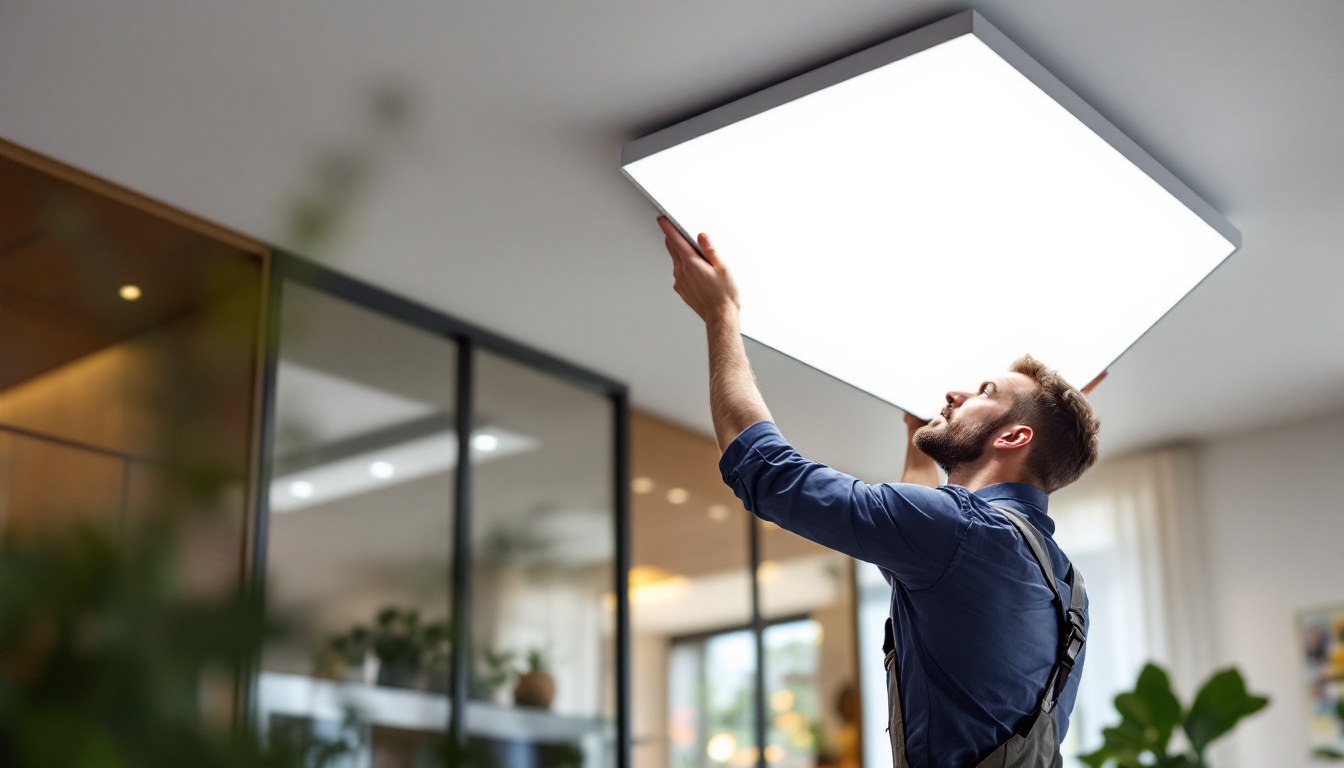
Contractors should select fixtures such as track lights, recessed downlights, or panel lights based on the desired lighting effect and shop layout. Additionally, the choice of fixture can impact maintenance and longevity; for example, fixtures that are easily accessible for bulb changes or cleaning can significantly reduce long-term operational costs and downtime.
Dimming and Control Systems
Modern shop LED systems often incorporate dimming capabilities and smart controls to adjust lighting levels throughout the day or in response to natural light availability. This flexibility enhances energy savings and allows for dynamic lighting scenes that can be tailored to different promotions or times of day. Furthermore, integrating sensors that detect customer traffic can optimize lighting levels based on store occupancy, ensuring that energy is not wasted during slower hours.
Understanding compatibility between LED drivers, dimmers, and control protocols (e.g., DALI, DMX) is essential for seamless integration. Additionally, training staff on how to utilize these systems effectively can maximize the benefits of advanced lighting technology, allowing for quick adjustments that can enhance the shopping experience during peak hours or special events.
Installation Best Practices and Challenges
Proper installation is key to maximizing the benefits of shop LED lighting. Lighting contractors must navigate various challenges while adhering to best practices to ensure safety, functionality, and aesthetics.
Site Assessment and Planning
Before installation, a thorough site assessment is necessary. This includes measuring the space, noting existing electrical infrastructure, and understanding client requirements. Detailed planning helps avoid costly adjustments later and ensures the lighting design complements the shop’s layout and branding.
Electrical Considerations and Compliance
LED lighting installations must comply with local electrical codes and standards. Contractors should verify that circuits can handle the new load and that wiring is compatible with LED drivers. Proper grounding and surge protection are also critical to prevent damage and ensure longevity.
Fixture Placement and Mounting
Strategic placement of fixtures is vital for achieving uniform illumination and highlighting key areas. Contractors should consider ceiling height, shelf arrangements, and customer traffic flow. Adjustable fixtures offer flexibility to fine-tune lighting angles post-installation.
Addressing Heat Management
Although LEDs generate less heat than traditional bulbs, heat dissipation remains important to maintain performance and lifespan. Using fixtures with adequate heat sinks and ensuring proper ventilation prevents overheating.
Emerging Trends and Innovations in Shop LED Lighting
Lighting contractors must stay abreast of technological advancements to offer cutting-edge solutions that meet evolving client demands.
Human-Centric Lighting (HCL)
HCL focuses on adjusting light quality and intensity to support human circadian rhythms, enhancing comfort and well-being. In retail environments, this can translate to lighting schemes that adapt throughout the day to maintain shopper alertness and mood.
Integration with IoT and Smart Systems
Smart lighting systems enable remote control, automation, and data analytics. Contractors can install sensors that adjust lighting based on occupancy or daylight, optimizing energy use. Additionally, these systems can integrate with other building management platforms for comprehensive control.
Sustainability and Green Building Certifications
With increasing emphasis on sustainability, shop LED lighting solutions that contribute to green building certifications like LEED or BREEAM are in demand. Contractors should be familiar with these standards and how LED lighting choices impact certification points.
Conclusion: Empowering Lighting Contractors with Knowledge
Shop LED lighting is a specialized field that requires a deep understanding of technical specifications, client needs, and emerging technologies. Lighting contractors who invest time in mastering these aspects can deliver superior lighting solutions that enhance retail environments, improve energy efficiency, and elevate customer experiences.
By focusing on quality, precision, and innovation, contractors not only meet but exceed client expectations, positioning themselves as trusted experts in the competitive lighting market.
Illuminate Your Projects with LumenWholesale
Ready to elevate your lighting projects with the best in shop LED solutions? At LumenWholesale, we provide lighting contractors like you with top-quality, spec-grade lighting products at unbeatable wholesale prices. Say goodbye to local distributor markups and hello to superior lighting products that meet the highest industry standards. With our hassle-free bulk buying and free shipping, you can ensure your projects shine with reliability and high performance, all while keeping costs down. Don’t compromise on quality or value. Discover wholesale lighting at the best value today and make LumenWholesale your go-to for premium lighting with convenience.