Why Light Post Height Matters More Than You Think
When bidding on lighting projects, it’s easy to focus on fixtures, wattage, and energy efficiency. However, one critical factor often overlooked is the height of the light post. This dimension directly influences not only the quality of illumination but also installation costs, maintenance, and compliance with local regulations.
Choosing the right light post height can be the difference between a successful bid and losing out to competitors who offer smarter, more tailored solutions. Clients want lighting that meets their needs without unnecessary expenses or future headaches. Understanding how post height affects every aspect of a project puts contractors in a stronger position to win bids.
Moreover, the height of the light post can significantly impact the distribution of light across the area being illuminated. For instance, taller posts can cast light over a wider area, reducing the number of fixtures needed and potentially lowering overall project costs. Conversely, if the posts are too short, there may be dark spots that require additional lighting, leading to increased expenses and an unsatisfactory outcome for the client. This balance of height and light distribution is crucial for creating effective and efficient lighting designs that enhance safety and visibility.
Additionally, the aesthetic aspect of light post height should not be underestimated. In urban environments, the height of light posts can contribute to the overall skyline and ambiance of the area. Taller posts may be more suitable for open spaces, while shorter posts may be ideal for pedestrian pathways or residential areas. By considering the visual impact alongside functional requirements, contractors can present a more comprehensive proposal that addresses both the practical and aesthetic needs of the project, ultimately leading to greater client satisfaction and potential for repeat business.
How Light Post Height Affects Lighting Performance
Optimizing Illumination and Coverage
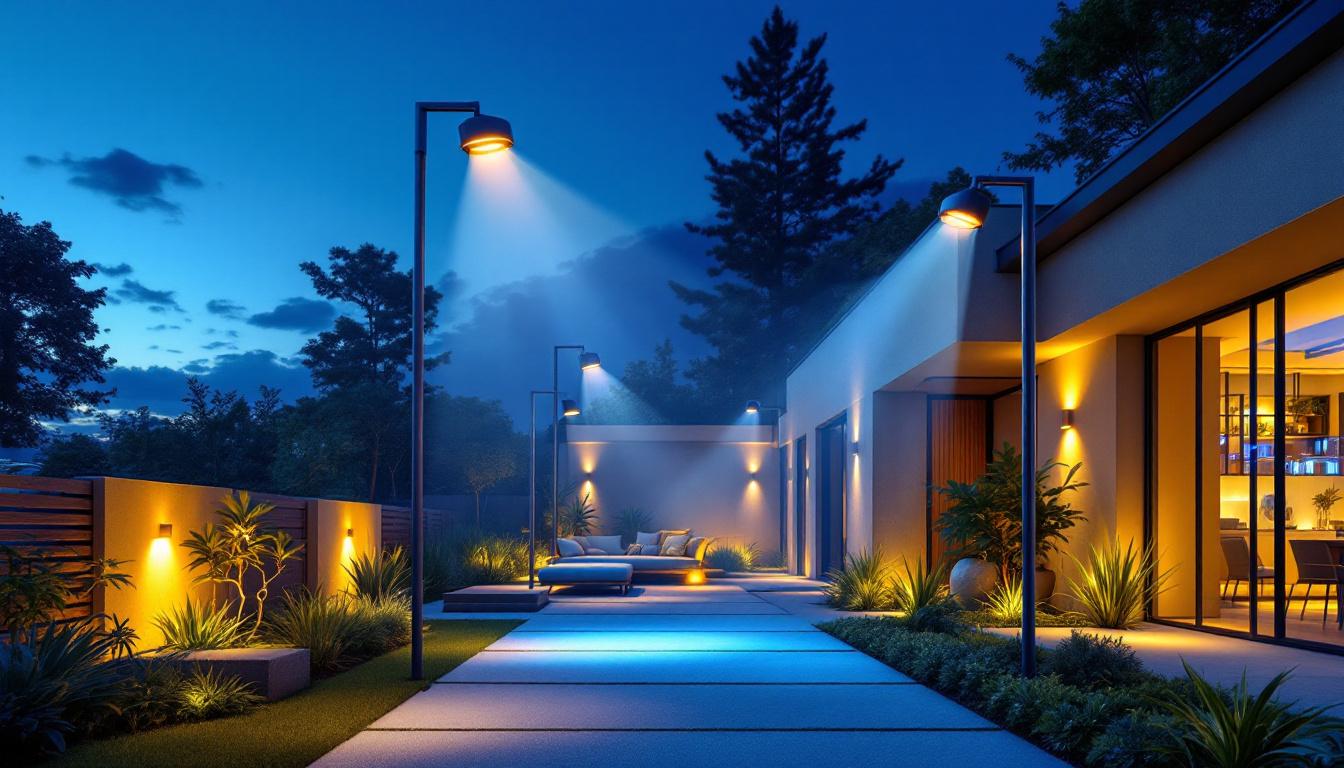
The height of a light post determines the spread and intensity of light on the ground. Taller posts cast light over a wider area but at a lower intensity, while shorter posts concentrate light more narrowly and brightly. Striking the right balance ensures uniform illumination, reduces dark spots, and enhances safety. This balance is especially crucial in areas with high foot traffic or where visibility is paramount, such as near schools or recreational parks.
For example, parking lots often require posts between 20 to 30 feet tall to provide broad coverage without excessive glare. On the other hand, pedestrian pathways might benefit from shorter posts, around 10 to 15 feet, to create a welcoming atmosphere with focused light. Additionally, the type of lighting fixture used can also affect performance; LED lights, for instance, offer a more directed beam, allowing for greater flexibility in post height selection while maintaining energy efficiency.
Reducing Glare and Light Pollution
Incorrect post height can cause glare, which is uncomfortable and potentially hazardous for drivers or pedestrians. It can also contribute to light pollution, disturbing nearby residents or wildlife. By selecting an appropriate height, contractors can minimize these issues, making their proposals more appealing to environmentally conscious clients. Furthermore, the use of shielding techniques and the right type of lens can enhance the effectiveness of the lighting while reducing unwanted light spill into surrounding areas. This careful consideration not only improves the aesthetic appeal of a space but also fosters a sense of community by allowing residents to enjoy their outdoor environments without the intrusion of harsh lighting.
Moreover, advancements in smart lighting technology are enabling cities to monitor and adjust light levels based on real-time conditions. For instance, during peak hours, lights can be set to higher intensities to ensure safety, while dimming during quieter times to conserve energy and reduce light pollution. This dynamic approach to lighting not only optimizes performance but also aligns with sustainable practices, making it a key consideration for urban planners and developers looking to create environmentally friendly spaces.
Cost Implications of Light Post Height
Material and Installation Costs
Light posts come in various materials—steel, aluminum, fiberglass—and their cost often scales with height. Taller posts require sturdier foundations and more complex installation procedures, which can drive up project costs. Conversely, shorter posts might reduce upfront expenses but could necessitate more fixtures to achieve the desired illumination. For instance, a project that opts for a 20-foot steel post may incur additional costs for concrete footings and anchoring systems, while a 10-foot aluminum post might only need a simple base, making it a more budget-friendly option for smaller areas.
Contractors who understand these trade-offs can craft bids that optimize cost-effectiveness. Offering clients a detailed breakdown of how post height impacts budget demonstrates expertise and transparency, building trust. Furthermore, it’s essential to consider the long-term implications of these choices; while a lower initial investment might seem appealing, the cumulative costs of energy consumption and additional fixtures can outweigh the savings over time. By presenting a comprehensive analysis, contractors can help clients make informed decisions that align with both their immediate budget and future operational costs.
Maintenance and Longevity
Maintenance costs also correlate with post height. Taller posts often require specialized equipment for bulb replacement or repairs, increasing labor expenses. Shorter posts are easier and safer to maintain, which can be a significant selling point for clients looking to minimize ongoing costs. For example, a maintenance crew might need a lift or scaffolding to access a 25-foot post, while a 12-foot post can typically be serviced with a simple ladder, reducing both time and labor costs significantly.
Additionally, the longevity of the materials used in constructing light posts can also influence maintenance schedules. Steel posts, while strong, may require regular inspections for rust and corrosion, particularly in coastal areas or regions with heavy rainfall. In contrast, fiberglass posts are often more resistant to environmental wear, potentially leading to lower maintenance frequency and costs over their lifespan. By educating clients on these differences, contractors can help them choose the best options that not only fit their budget but also align with their long-term maintenance strategies and sustainability goals.
Meeting Regulatory and Safety Standards
Compliance with Local Codes
Many municipalities have strict regulations governing light post height to ensure public safety and environmental protection. Non-compliance can lead to costly redesigns or project delays. Contractors who are well-versed in these requirements can avoid pitfalls and present bids that align perfectly with local standards. Additionally, understanding the nuances of local codes can provide contractors with a competitive edge, as they can tailor their proposals to not only meet but exceed the minimum requirements. This proactive approach can foster trust with local authorities and stakeholders, potentially leading to future projects and partnerships.
Enhancing Safety Through Proper Height Selection
Properly chosen post heights improve visibility for drivers and pedestrians, reducing accidents and liability risks. This consideration is especially important in areas like school zones, highways, and public parks. Demonstrating an understanding of safety implications in bids can differentiate contractors from competitors. Furthermore, the impact of light post height extends beyond mere visibility; it can also influence the overall ambiance of a space. For instance, in recreational areas, well-placed lighting can enhance the user experience, encouraging more visitors and fostering a sense of community. By integrating safety with aesthetic considerations, contractors can create environments that are not only secure but also inviting, thus adding value to their projects.
Leveraging Light Post Height Knowledge to Win More Bids
Customizing Solutions for Client Needs
Clients appreciate contractors who tailor solutions rather than offering one-size-fits-all options. By analyzing the site’s requirements-such as area size, usage patterns, and environmental factors-contractors can recommend optimal post heights that balance performance and cost.
This personalized approach not only improves project outcomes but also positions contractors as trusted advisors rather than mere suppliers.
Using Data and Visualizations in Proposals
Incorporating photometric studies and 3D renderings that illustrate how different post heights affect lighting can make bids more compelling. Visual evidence helps clients understand the benefits and trade-offs, making decision-making easier and faster.
Highlighting Long-Term Value
Emphasizing how the right post height reduces maintenance costs, extends fixture life, and enhances safety adds a persuasive layer to bids. Clients often look beyond initial costs, seeking solutions that offer the best return on investment over time.
Case Studies: Successful Bids Influenced by Light Post Height Expertise
Urban Parking Garage Lighting
A contractor won a competitive bid for an urban parking garage by proposing 25-foot light posts instead of the client’s initial 30-foot specification. This adjustment reduced installation costs and minimized glare for nearby apartments, addressing community concerns. The client appreciated the contractor’s attention to detail and cost-saving approach.
School Campus Walkways
In a school lighting project, choosing 12-foot posts enhanced pedestrian safety while preserving the campus’s aesthetic appeal. The contractor’s proposal included photometric analysis showing improved visibility and lower energy consumption compared to taller posts. This data-driven approach secured the contract.
Practical Tips for Contractors on Light Post Height Selection
- Conduct thorough site assessments: Measure area dimensions, identify usage patterns, and note any environmental constraints.
- Consult local codes early: Avoid surprises by understanding height restrictions and safety requirements upfront.
- Balance cost and performance: Evaluate how post height affects both installation and long-term expenses.
- Use lighting design software: Generate accurate simulations to support recommendations.
- Communicate clearly with clients: Explain how post height impacts lighting quality and project costs.
Conclusion
Light post height is more than a technical detail-it’s a strategic tool that lighting contractors can leverage to differentiate their bids and deliver superior value. Mastering the nuances of post height selection enhances lighting performance, controls costs, ensures compliance, and ultimately builds client confidence.
Contractors who integrate this knowledge into their bidding process position themselves as experts who understand both the art and science of lighting. This expertise not only helps win more bids but also fosters long-term client relationships and a strong reputation in the industry.
Illuminate Your Projects with LumenWholesale
Ready to elevate your lighting projects and outshine the competition? At LumenWholesale, we provide the spec-grade lighting solutions you need to make informed decisions on light post height and more. Our wholesale prices ensure you’re getting the best value for your investment, with a vast selection of premium products that meet rigorous industry standards. Say goodbye to middleman markups and hello to free shipping on bulk orders, making your next project not only successful but also cost-effective. Take the first step towards superior lighting performance and Wholesale Lighting at the Best Value today!