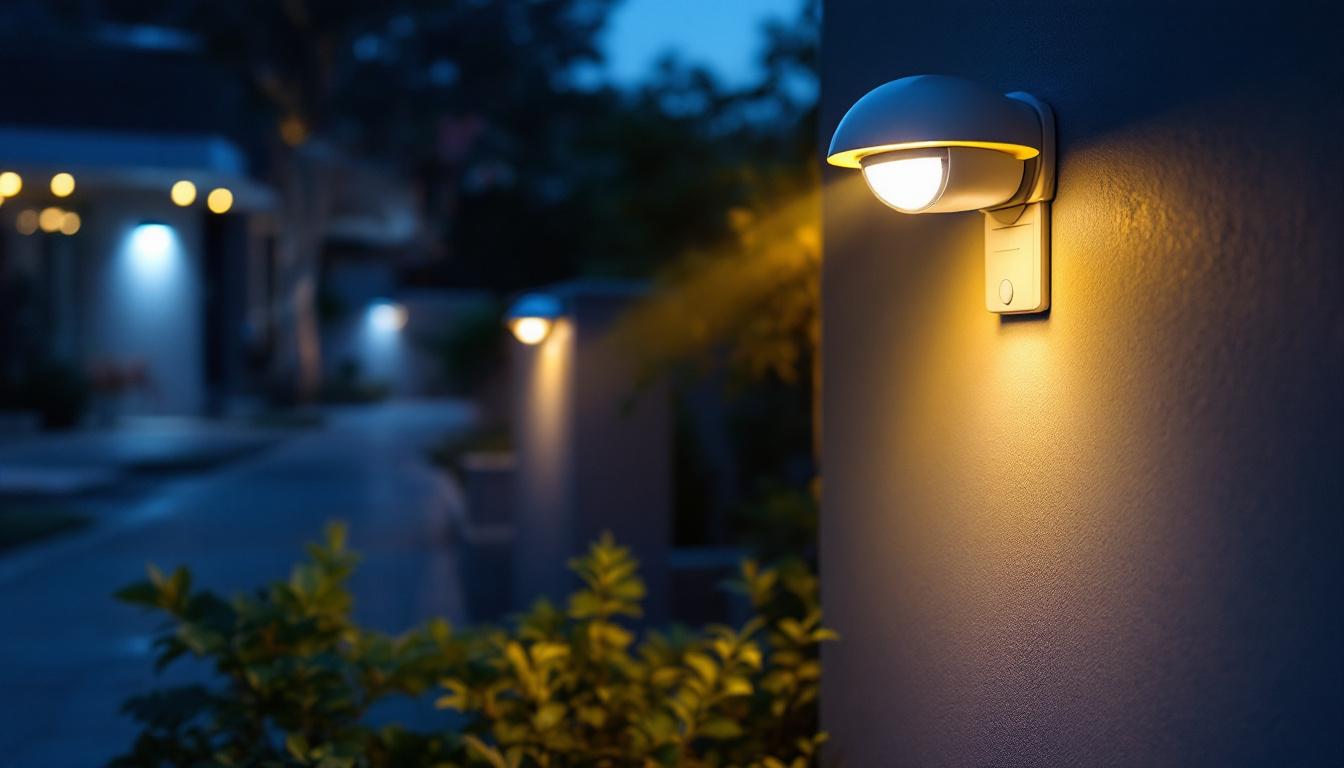
In an era where safety and security are paramount, the demand for effective lighting solutions has surged. Security lights equipped with motion detectors have become a staple for both residential and commercial properties. For lighting contractors, understanding the intricacies of these systems is essential for providing clients with the best possible solutions. This article delves into the critical aspects of security lights with motion detectors, offering insights that every lighting contractor should be familiar with.
Understanding Motion Detection Technology
Before diving into the specifics of security lights, it is crucial to grasp how motion detection technology works. Motion detectors utilize various technologies to sense movement, and each type has its unique advantages and applications. This understanding not only aids in the selection of the right equipment but also enhances the overall effectiveness of security systems, ensuring that properties are adequately protected against unauthorized access.
Types of Motion Detectors
There are primarily three types of motion detectors: passive infrared (PIR), microwave, and dual technology sensors. Understanding their differences can help contractors recommend the best solution for a given situation. For instance, while PIR sensors are widely used in residential settings due to their affordability and ease of installation, microwave sensors are often favored in commercial applications where larger areas need to be monitored continuously.
PIR sensors are the most common type, relying on infrared radiation emitted by objects in their field of view. They are cost-effective and efficient for detecting human movement. Microwave sensors, on the other hand, emit microwave pulses and measure the reflection off moving objects. They are more sensitive and can cover larger areas but may be prone to false alarms from small animals. This sensitivity can be advantageous in certain scenarios, such as monitoring large outdoor spaces, where a slight movement can indicate a potential security breach.
Dual technology sensors combine both PIR and microwave technologies, offering enhanced reliability. By requiring both technologies to trigger the light, they significantly reduce the chances of false alarms, making them ideal for high-traffic areas. This feature is particularly beneficial in environments where pets or wildlife may frequently trigger single-technology sensors, thus ensuring that security measures remain effective without unnecessary interruptions.
Key Features of Motion Detectors
When selecting motion detectors for security lights, several features should be considered. Sensitivity adjustment is crucial, allowing users to fine-tune the detector to ignore small movements while still responding to larger ones. This feature is particularly useful in residential settings where the presence of pets or frequent foot traffic can lead to false alarms. Range is another important factor; different models can detect motion at varying distances, which can be critical depending on the installation environment. For example, a long-range detector might be necessary for expansive outdoor areas, while a shorter range could suffice for smaller, enclosed spaces.
Additionally, contractors should be aware of the field of view. Some detectors have a narrow focus, while others can cover a wide area. Understanding the specific needs of a property will guide the selection of the appropriate motion detector. Furthermore, features such as weather resistance and energy efficiency should not be overlooked, especially for outdoor installations. Weather-resistant models ensure durability against the elements, while energy-efficient designs can help reduce electricity costs, making them a sustainable choice for long-term use. As technology continues to evolve, many modern motion detectors also offer smart capabilities, allowing users to integrate them with home automation systems for enhanced security and convenience.
Benefits of Security Lights with Motion Detectors
Integrating motion detectors into security lighting systems offers numerous benefits that enhance both safety and convenience. Understanding these advantages can help contractors better communicate the value of these systems to their clients.
Enhanced Security
The primary benefit of security lights with motion detectors is the enhanced security they provide. These lights activate when motion is detected, illuminating areas that may otherwise be dark and unwelcoming. This sudden burst of light can deter potential intruders, making properties less appealing targets.
Moreover, the presence of motion-activated lights can alert homeowners and occupants to unexpected movement, providing an additional layer of security. This feature is particularly beneficial for properties located in remote or poorly lit areas.
Energy Efficiency
Energy efficiency is another significant advantage of motion-activated security lights. Traditional lighting systems often remain on for extended periods, wasting energy and increasing utility costs. In contrast, motion detectors ensure that lights are only activated when needed, which can lead to substantial energy savings over time.
Many modern security lights also utilize LED technology, which is inherently more energy-efficient than traditional incandescent bulbs. Combining motion detection with LED lighting creates a powerful solution that meets both security and sustainability goals.
Installation Considerations
Proper installation is critical for the effective functioning of security lights with motion detectors. Lighting contractors must be aware of various factors that can influence the performance of these systems.
Optimal Placement
One of the most important aspects of installation is the optimal placement of motion detectors. Ideally, these sensors should be positioned to cover high-risk areas such as entrances, driveways, and backyards. The height and angle of installation can significantly impact the detection range and effectiveness.
Contractors should also consider potential obstructions that could block the sensor’s line of sight. Trees, walls, and other structures can hinder the detector’s ability to sense motion, leading to gaps in security coverage. Conducting a thorough site assessment before installation can help identify the best locations for mounting security lights.
Wiring and Power Supply
Another critical consideration is the wiring and power supply for security lights. Depending on the type of lights chosen, contractors may need to run electrical wiring to the installation site. For battery-operated models, ensuring that batteries are easily accessible for replacement is essential.
Additionally, contractors should be familiar with local electrical codes and regulations to ensure compliance during installation. This knowledge can prevent potential issues and ensure that the installation is safe and effective.
Maintenance and Troubleshooting
Regular maintenance is vital for ensuring the longevity and effectiveness of security lights with motion detectors. Lighting contractors should educate clients about the importance of routine checks and provide guidance on common troubleshooting techniques.
Routine Maintenance Tasks
Routine maintenance tasks include checking the alignment of motion detectors, cleaning the sensor lenses, and ensuring that light bulbs are functioning correctly. Over time, dirt and debris can accumulate on sensor lenses, reducing their effectiveness. A simple cleaning can often restore optimal performance.
Contractors should also advise clients to regularly check the settings of their motion detectors. Sensitivity and range settings may need adjustments based on changes in the environment, such as new landscaping or construction nearby.
Troubleshooting Common Issues
Despite regular maintenance, issues may still arise with motion-activated security lights. Common problems include false alarms, lights that do not activate, or lights that remain on continuously. Understanding how to troubleshoot these issues can save time and enhance client satisfaction.
For false alarms, contractors should first check the sensitivity settings. If the sensor is too sensitive, it may be triggered by small animals or environmental factors like wind. Adjusting the sensitivity can often resolve this issue. For lights that do not activate, checking the power supply and ensuring that the sensor is properly aligned are essential steps in troubleshooting.
Client Education and Recommendations
Educating clients about the benefits and proper use of security lights with motion detectors is crucial for maximizing their effectiveness. Lighting contractors should take the time to explain how these systems work and provide recommendations for optimal use.
Best Practices for Clients
Contractors should encourage clients to use security lights in conjunction with other security measures, such as cameras and alarm systems. A comprehensive security strategy that includes multiple layers of protection can significantly enhance overall safety.
Additionally, clients should be informed about the importance of adjusting motion detector settings based on seasonal changes. For instance, during the fall, when leaves may fall and create movement, sensitivity settings may need to be adjusted to prevent unnecessary activations.
Choosing the Right Products
When recommending products, contractors should consider the specific needs of each client. Factors such as the size of the property, the level of security required, and the budget will all influence the choice of security lights and motion detectors. Providing a range of options can help clients make informed decisions that best suit their needs.
Future Trends in Security Lighting
The field of security lighting is continually evolving, with new technologies and trends emerging regularly. Staying informed about these developments can help lighting contractors remain competitive and provide clients with the latest solutions.
Smart Lighting Systems
One of the most significant trends in security lighting is the rise of smart lighting systems. These systems allow users to control their lights remotely via smartphones or other devices, providing enhanced convenience and flexibility. Features such as scheduling, dimming, and integration with home security systems are becoming increasingly popular.
Smart security lights can also provide real-time alerts to users, notifying them of any detected motion or unusual activity. This level of connectivity enhances the overall security experience, allowing homeowners to monitor their properties from anywhere.
Integration with Home Automation
As home automation continues to gain traction, the integration of security lights with other smart home devices is becoming more prevalent. Lighting contractors should be familiar with how these systems can work together to create a cohesive security solution.
For example, security lights can be programmed to activate in conjunction with security cameras or alarm systems, creating a synchronized response to potential threats. This integration not only enhances security but also improves the overall user experience.
Conclusion
Security lights with motion detectors are an essential component of modern security solutions. For lighting contractors, understanding the technology, benefits, installation considerations, and maintenance practices associated with these systems is crucial for providing clients with effective and reliable solutions.
By staying informed about industry trends and educating clients on best practices, contractors can enhance their service offerings and contribute to safer environments for homeowners and businesses alike. As the demand for security lighting continues to grow, the knowledge and expertise of lighting contractors will play a vital role in shaping the future of residential and commercial security.
Get Your Premium Security Lighting Supplies at LumenWholesale
Ready to elevate your lighting projects with the highest quality security lights and motion detectors? Look no further than LumenWholesale. We provide lighting contractors with spec-grade lighting products that combine reliability and high performance, all at unbeatable wholesale prices. Say goodbye to local distributor markups and hello to our extensive selection that meets rigorous industry standards. Plus, with free shipping on bulk orders, you can stock up on superior lighting solutions without worrying about hidden fees. Make your next project shine and ensure your clients’ satisfaction by choosing Wholesale Lighting at the Best Value with LumenWholesale.