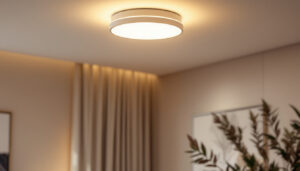
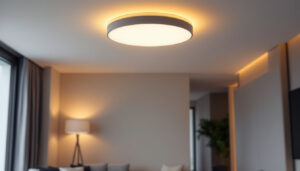
In the ever-evolving world of lighting design, retrofitting recessed lights has emerged as a popular solution for enhancing both aesthetics and functionality. For lighting contractors, understanding the nuances of retrofitting can lead to increased client satisfaction and expanded service offerings. This article delves into the various approaches that smart lighting contractors can adopt when retrofitting recessed lights, ensuring that they meet the diverse needs of their clients while staying ahead in the competitive market.
Understanding the Basics of Recessed Lighting
Recessed lighting, often referred to as can lighting or pot lights, has been a staple in modern interior design. These fixtures are installed into the ceiling, providing a sleek and unobtrusive lighting solution. However, as technology advances, so do the expectations of clients regarding energy efficiency, versatility, and smart capabilities. The design of recessed lighting allows it to blend seamlessly into the architecture of a room, making it an ideal choice for both residential and commercial spaces. Its minimalist appearance can enhance the aesthetic appeal of any environment while providing functional illumination.
Retrofitting involves replacing or upgrading existing recessed light fixtures with new technology, often LED options, that provide better performance and energy savings. This process not only enhances the lighting quality but also aligns with the growing trend of sustainable design. In addition to energy efficiency, retrofitting can also improve the lifespan of lighting fixtures, as modern LEDs typically last longer than traditional bulbs, reducing the frequency of replacements and maintenance costs.
Benefits of Retrofitting
One of the primary advantages of retrofitting recessed lights is the significant reduction in energy consumption. LED lights consume far less power than traditional incandescent or halogen bulbs, translating into lower utility bills for clients. This energy efficiency is not only beneficial for the environment but also enhances the overall value of the property. Furthermore, many utility companies offer rebates and incentives for upgrading to energy-efficient lighting, making retrofitting an economically savvy choice for homeowners and businesses alike.
Additionally, retrofitting allows for improved light quality. Modern LED fixtures offer a range of color temperatures and brightness levels, enabling contractors to create tailored lighting solutions that meet the specific needs of each space. Whether it’s a warm ambiance for a cozy living room or bright, focused lighting for a workspace, retrofitting provides the flexibility necessary to achieve the desired effect. Moreover, advancements in smart lighting technology mean that these fixtures can now be controlled remotely, allowing users to adjust brightness and color settings via smartphone apps or voice commands. This level of control not only enhances convenience but also allows for dynamic lighting scenarios that can change with the time of day or specific activities, further enriching the user experience.
Evaluating Existing Fixtures
Before embarking on a retrofitting project, it is essential for contractors to assess the existing recessed fixtures. This evaluation will determine the best approach for upgrading the lighting system while ensuring compatibility with the current setup.
Assessing Compatibility
Compatibility is a crucial factor when retrofitting recessed lights. Contractors should inspect the existing housing to determine whether it can accommodate new LED retrofit kits. Most LED kits are designed to fit standard housings, but variations exist. Understanding the specifications of the current fixtures will guide the selection of appropriate retrofit options.
Moreover, the electrical wiring and dimming systems should be evaluated to ensure they can support the new technology. This assessment not only prevents potential issues but also enhances the overall performance of the new lighting system.
Identifying Client Needs
Every client has unique lighting requirements based on their lifestyle and preferences. Engaging in detailed discussions with clients about their lighting goals is essential. Are they looking for energy savings, improved aesthetics, or enhanced functionality? Understanding these needs will help contractors recommend the most suitable retrofitting solutions.
Additionally, contractors should consider the specific characteristics of the space being retrofitted. Factors such as ceiling height, room size, and existing decor play a significant role in determining the right lighting approach. By tailoring solutions to individual client needs, contractors can foster stronger relationships and ensure project success.
Choosing the Right Retrofit Solutions
With a clear understanding of the existing fixtures and client needs, contractors can explore various retrofit solutions available in the market. The right choice can significantly impact the effectiveness and efficiency of the lighting system.
LED Retrofit Kits
LED retrofit kits are among the most popular options for upgrading recessed lighting. These kits typically include a new LED bulb and a trim that fits into the existing housing. They are designed for easy installation, making them a favorite among contractors looking for a quick and effective solution.
When selecting LED retrofit kits, contractors should consider factors such as lumens output, color temperature, and beam angle. These elements will influence the overall lighting effect and should align with the client’s preferences. Additionally, choosing high-quality kits from reputable manufacturers can ensure longevity and performance.
Smart Lighting Solutions
As technology continues to advance, smart lighting solutions have gained popularity. These systems allow for remote control, scheduling, and integration with smart home devices. Contractors should consider recommending smart LED retrofit kits that offer these functionalities, as they can significantly enhance user experience.
Smart lighting not only provides convenience but also promotes energy efficiency. Many systems allow users to adjust brightness levels and color temperatures based on their needs, further optimizing energy consumption. By incorporating smart solutions into retrofitting projects, contractors can position themselves as forward-thinking professionals in the lighting industry.
Installation Best Practices
Once the appropriate retrofit solutions have been selected, the installation process begins. Adhering to best practices during installation is crucial for ensuring safety, performance, and client satisfaction.
Safety First
Safety should always be the top priority during any installation project. Contractors must ensure that the power is turned off before beginning work on the fixtures. Additionally, using proper personal protective equipment (PPE) is essential to prevent accidents and injuries.
It is also important to follow local building codes and regulations when retrofitting recessed lights. This adherence not only ensures safety but also protects the contractor from potential legal issues. Familiarity with local codes can enhance a contractor’s reputation as a knowledgeable professional in the field.
Ensuring Proper Fit and Finish
Achieving a clean and professional finish is vital for client satisfaction. Contractors should take the time to ensure that the new fixtures fit securely within the existing housings and that all components are properly aligned. This attention to detail will enhance the overall aesthetic appeal of the installation.
Moreover, testing the fixtures after installation is crucial. Ensuring that all lights function correctly and meet the client’s expectations will lead to positive feedback and potential referrals. A thorough post-installation check can help identify any issues before the project is completed.
Post-Retrofit Considerations
After the retrofitting process is complete, there are several considerations that contractors should keep in mind to ensure ongoing client satisfaction and project success.
Client Education
Educating clients about their new lighting system is an essential step that is often overlooked. Contractors should take the time to explain how to operate any smart features, adjust brightness levels, and maintain the fixtures. Providing clients with this knowledge empowers them to make the most of their new lighting system.
Additionally, offering guidance on energy-saving practices can further enhance the client’s experience. By sharing tips on how to optimize lighting usage, contractors can reinforce their role as trusted experts in the field.
Follow-Up Services
Establishing a follow-up service can significantly enhance client relationships. Contractors should consider scheduling a follow-up visit after the installation to address any questions or concerns that may arise. This proactive approach demonstrates a commitment to client satisfaction and can lead to repeat business.
Furthermore, offering maintenance services can ensure that the lighting system continues to perform optimally over time. By providing ongoing support, contractors can build long-lasting relationships with clients and enhance their reputation in the industry.
Staying Ahead in the Industry
The lighting industry is constantly evolving, with new technologies and trends emerging regularly. For contractors, staying informed about these changes is essential for maintaining a competitive edge.
Continuing Education and Training
Investing in continuing education and training can significantly benefit lighting contractors. Workshops, seminars, and online courses can provide valuable insights into the latest products, installation techniques, and industry best practices. By staying updated, contractors can offer clients the most innovative solutions available.
Additionally, joining professional organizations and networking with other industry professionals can provide valuable resources and support. Engaging with peers can lead to collaborations, referrals, and shared knowledge that can enhance a contractor’s business.
Embracing Sustainability
As the demand for sustainable solutions continues to rise, contractors should consider incorporating eco-friendly practices into their retrofitting projects. This includes recommending energy-efficient products, utilizing sustainable materials, and promoting recycling practices during installations.
By embracing sustainability, contractors can appeal to environmentally conscious clients and position themselves as leaders in the green building movement. This commitment not only benefits the planet but also enhances a contractor’s brand image and marketability.
Conclusion
Retrofitting recessed lights presents a valuable opportunity for lighting contractors to enhance their service offerings and meet the evolving needs of their clients. By understanding the basics of recessed lighting, evaluating existing fixtures, choosing the right retrofit solutions, and adhering to best practices during installation, contractors can ensure successful projects that lead to satisfied clients.
Moreover, staying informed about industry trends, investing in continuing education, and embracing sustainability can further enhance a contractor’s reputation and competitiveness in the market. As the lighting industry continues to evolve, those who adapt and innovate will thrive, making retrofitting recessed lights a smart and strategic approach for lighting contractors.
Upgrade Your Lighting Projects with LumenWholesale
Ready to take your retrofitting projects to the next level? At LumenWholesale, we provide lighting contractors with exceptional, spec-grade lighting products at unbeatable wholesale prices. Our comprehensive selection is designed to meet the highest industry standards, ensuring you deliver reliable and high-performance lighting solutions to your clients. Say goodbye to local distributor markups and enjoy the convenience of free shipping on bulk orders. Elevate your lighting game with the quality, affordability, and convenience that LumenWholesale offers. Discover wholesale lighting at the best value today and illuminate your projects with confidence.