As the demand for energy-efficient lighting solutions continues to rise, retrofit can lights with LED technology have emerged as a popular choice among lighting contractors. These fixtures not only provide superior illumination but also offer significant energy savings and environmental benefits. This article delves into the various aspects of retrofit can lights, exploring their advantages, installation processes, and tips for lighting contractors to simplify their work.
Understanding Retrofit Can Lights
Retrofit can lights are designed to replace traditional incandescent or fluorescent fixtures in existing recessed can housings. This means that contractors can upgrade outdated lighting systems without the need for extensive renovations or new installations. The simplicity of this upgrade is a key selling point, making it an attractive option for both contractors and clients. Moreover, with the growing emphasis on sustainability, these retrofit solutions align perfectly with modern energy-saving initiatives, allowing homeowners and businesses to contribute positively to the environment while enhancing their spaces.
What Are Retrofit Can Lights?
Retrofit can lights typically consist of an LED module that fits directly into the existing can housing. These modules come in various sizes and shapes, allowing for compatibility with a wide range of can light designs. The installation process is straightforward, often requiring minimal tools and expertise, which is a significant advantage for lighting contractors. Furthermore, many retrofit kits are designed with user-friendly features, such as adjustable brightness and color temperature settings, enabling clients to customize their lighting experience to suit different moods and activities, from cozy evenings to vibrant gatherings.
Benefits of Using LED Technology
One of the primary benefits of LED technology is its energy efficiency. LED lights consume significantly less power than traditional incandescent bulbs, leading to lower energy bills for clients. Additionally, LED lights have a longer lifespan, reducing the frequency of replacements and maintenance costs. This longevity is particularly appealing for commercial clients who prioritize long-term savings. Beyond cost savings, LED lights also produce less heat, which can contribute to a more comfortable indoor environment, especially in spaces that rely heavily on artificial lighting. This characteristic not only enhances comfort but also reduces the strain on cooling systems, further optimizing energy consumption and contributing to a more sustainable building design.
Installation Process for Retrofit Can Lights
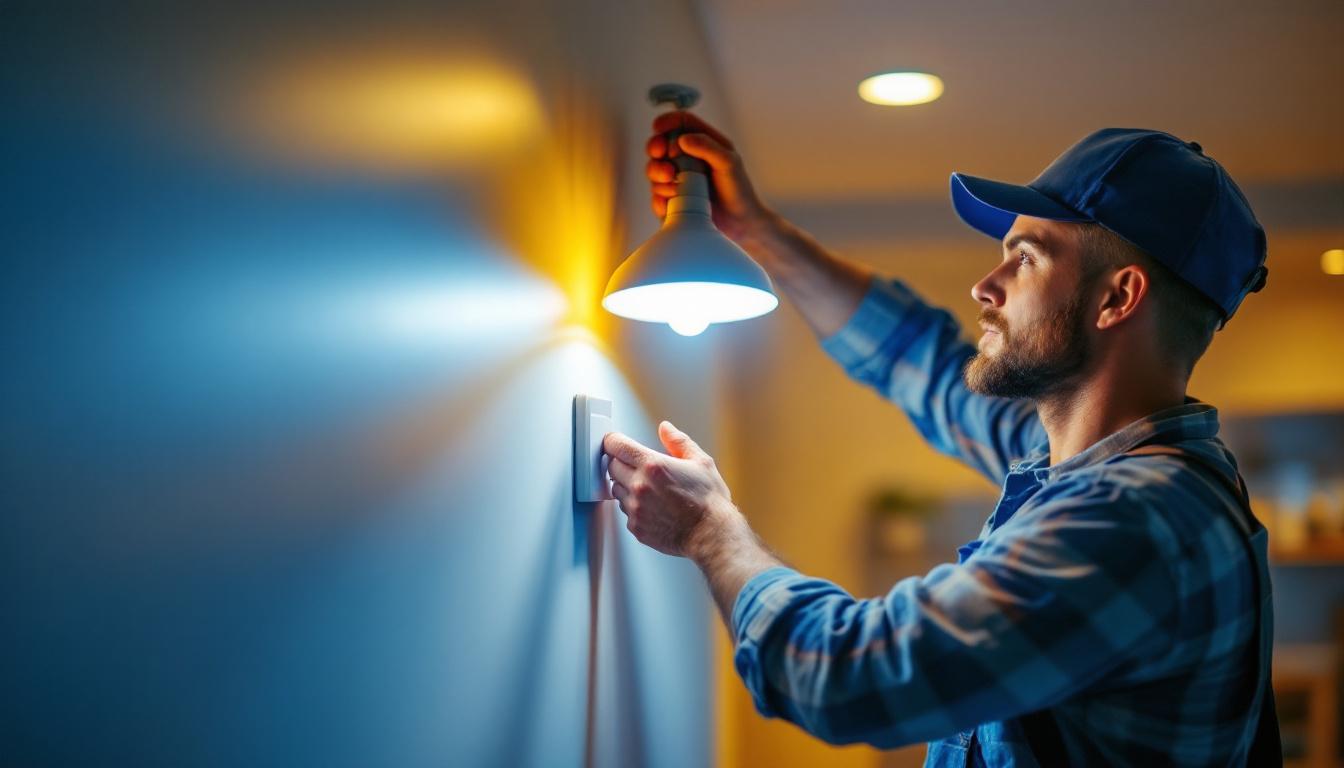
The installation of retrofit can lights is generally a quick and straightforward process, making it an ideal choice for busy lighting contractors. Understanding the steps involved can help streamline the workflow and ensure a successful installation.
Preparation and Planning
Before beginning the installation, it is essential to assess the existing can light fixtures. Contractors should check the size and type of the can housing to ensure compatibility with the retrofit LED modules. Additionally, it is crucial to determine the desired brightness and color temperature for the new lights, as these factors will influence the choice of LED products. It’s also worth considering the layout of the space; strategically placing lights can enhance the overall ambiance and functionality of the area. For instance, in kitchens or workspaces, brighter, cooler lights may be preferred, while warmer tones can create a cozy atmosphere in living rooms or bedrooms.
Installation Steps
The installation process typically involves the following steps:
- Turn Off Power: Safety should always be the top priority. Ensure the power to the existing fixtures is turned off at the circuit breaker.
- Remove Old Bulb: Carefully remove the existing bulb from the can light fixture. In some cases, the trim may also need to be taken off.
- Install Retrofit LED Module: Insert the retrofit LED module into the can housing, ensuring a snug fit. Some models may require a simple twist or click to secure them in place.
- Reconnect Power: Once the module is installed, restore power at the circuit breaker to test the new lights.
After the installation, it’s beneficial to take a moment to evaluate the lighting effect in the space. Adjustments may be necessary to achieve the desired brightness and distribution of light. For example, if the lights are too dim or unevenly distributed, consider repositioning them or adding additional fixtures. Furthermore, many retrofit LED modules come with dimming capabilities, allowing for greater control over the lighting environment. This feature can be particularly advantageous in multi-functional spaces, where lighting needs may vary throughout the day or for different activities.
Choosing the Right LED Retrofit Kits
With a wide variety of LED retrofit kits available on the market, selecting the right one can be a daunting task for lighting contractors. Understanding the key features and specifications can simplify this process.
Key Features to Consider
When evaluating retrofit kits, contractors should consider the following features:
- Wattage: Compare the wattage of the retrofit kit to the existing fixtures to ensure adequate brightness while maximizing energy savings.
- Lumen Output: Lumen output indicates the brightness of the light. Higher lumens are suitable for spaces requiring more illumination, while lower lumens can be used for ambient lighting.
- Color Temperature: LED lights come in various color temperatures, typically measured in Kelvin (K). Warmer temperatures (2700K-3000K) create a cozy atmosphere, while cooler temperatures (4000K-5000K) are ideal for task-oriented spaces.
Compatibility and Certification
Ensuring compatibility with existing fixtures is crucial. Contractors should look for retrofit kits that are compatible with standard can sizes and types. Additionally, checking for certifications such as Energy Star or UL can provide assurance of quality and performance, which is essential for client satisfaction.
Moreover, it is important to consider the installation process of the retrofit kits. Some kits are designed for easy installation, often featuring plug-and-play capabilities that can save time and labor costs. Others may require more complex wiring or additional components, which could complicate the installation process and lead to unexpected expenses. Therefore, contractors should assess their team’s skill level and the specific requirements of the project before making a selection.
Another factor to consider is the longevity and warranty of the LED retrofit kits. Many manufacturers offer warranties that can range from a few years to a lifetime, reflecting the durability and expected lifespan of the product. A longer warranty can provide peace of mind for contractors and clients alike, ensuring that the investment is protected against premature failures. Additionally, understanding the expected lifespan of the LEDs, often rated at 25,000 hours or more, can help in determining the overall value of the retrofit kit in relation to maintenance and replacement costs over time.
Maximizing Energy Efficiency
One of the most compelling reasons for contractors to recommend retrofit can lights is their potential for energy efficiency. However, maximizing these benefits requires a strategic approach.
Utilizing Smart Controls
Integrating smart controls can significantly enhance the energy efficiency of LED retrofit lights. Smart dimmers and timers allow clients to adjust lighting levels based on their needs, reducing energy consumption further. Additionally, occupancy sensors can automatically turn lights off when a room is unoccupied, providing an extra layer of efficiency.
Educating Clients on Benefits
Lighting contractors play a crucial role in educating clients about the benefits of LED retrofit can lights. By highlighting the long-term savings, reduced maintenance, and environmental advantages, contractors can help clients make informed decisions. Providing case studies or examples of previous installations can also reinforce the value of these upgrades.
Common Challenges and Solutions
While the installation of retrofit can lights is generally straightforward, contractors may encounter some challenges along the way. Being prepared for these issues can help ensure a smooth installation process.
Compatibility Issues
One common challenge is compatibility with existing can housings. Some older fixtures may not accommodate modern retrofit kits. In such cases, contractors may need to recommend alternative solutions, such as replacing the entire fixture or using adapter kits designed for specific housings.
Electrical Concerns
Another potential issue is related to electrical connections. If the existing wiring is outdated or damaged, it may require repairs or upgrades. Contractors should be equipped to assess the electrical system and make any necessary adjustments to ensure a safe and effective installation.
Future Trends in Retrofit Lighting
The lighting industry is constantly evolving, and staying informed about future trends can give contractors a competitive edge. Understanding these trends can help in recommending the best solutions to clients.
Advancements in LED Technology
As LED technology continues to advance, new products are being developed that offer even greater energy efficiency and versatility. For instance, tunable white LEDs allow users to adjust the color temperature based on the time of day or specific tasks, enhancing the functionality of retrofit can lights.
Integration with Smart Home Systems
The rise of smart home technology is also influencing the lighting industry. Retrofit can lights that seamlessly integrate with smart home systems are becoming increasingly popular. This integration allows homeowners to control their lighting through mobile apps or voice commands, adding convenience and customization to their lighting experience.
Conclusion
Retrofit can lights with LED technology present a valuable opportunity for lighting contractors to enhance their service offerings. By understanding the benefits, installation processes, and future trends, contractors can simplify their work while delivering high-quality lighting solutions to their clients. As energy efficiency becomes increasingly important, embracing these advancements will not only benefit contractors but also contribute to a more sustainable future.
Incorporating retrofit can lights into lighting projects not only meets client demands for energy efficiency and cost savings but also positions contractors as knowledgeable professionals in a rapidly evolving industry. By staying informed and adapting to new technologies, lighting contractors can continue to thrive in a competitive market.
Get Your Premium LED Retrofit Kits at LumenWholesale
Ready to elevate your lighting projects with the most efficient LED retrofit can lights? Look no further than LumenWholesale for an unbeatable combination of quality and value. We provide contractors with spec-grade lighting products at wholesale prices, ensuring you have access to the best without the burden of inflated costs. Our commitment to excellence means you can trust the performance and reliability of every product in our extensive selection. Plus, with free shipping on bulk orders, you can stock up on superior lighting solutions and maximize your project’s potential. Don’t miss out on the perfect blend of affordability and quality. Visit LumenWholesale today for wholesale lighting at the best value and make your next lighting project shine.