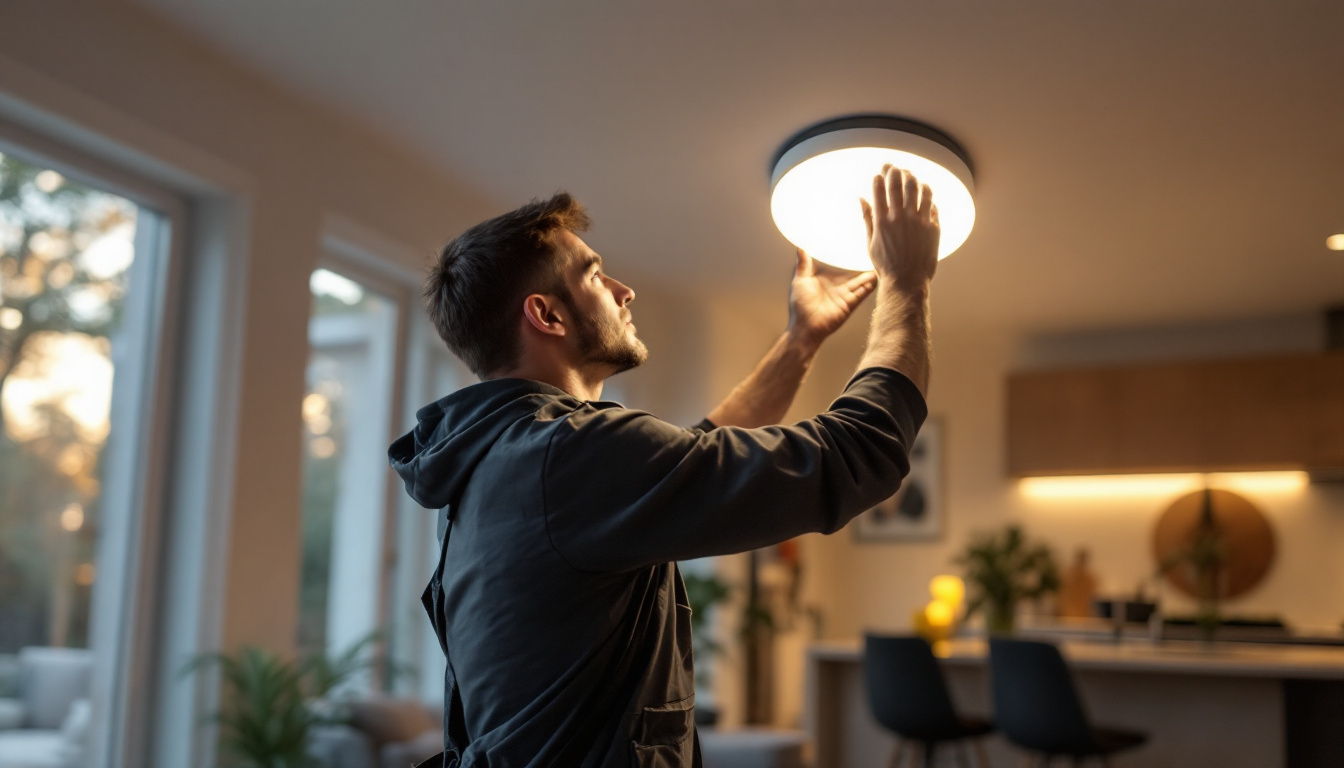
In the bustling world of restaurant design, ceiling fans play a crucial role in creating an inviting atmosphere. While lighting contractors often focus on the illumination aspect of a space, understanding the nuances of ceiling fan installation and selection is equally important. Clients expect contractors to provide insights not only on lighting but also on how ceiling fans can enhance the overall dining experience.
Understanding the Role of Ceiling Fans in Restaurants
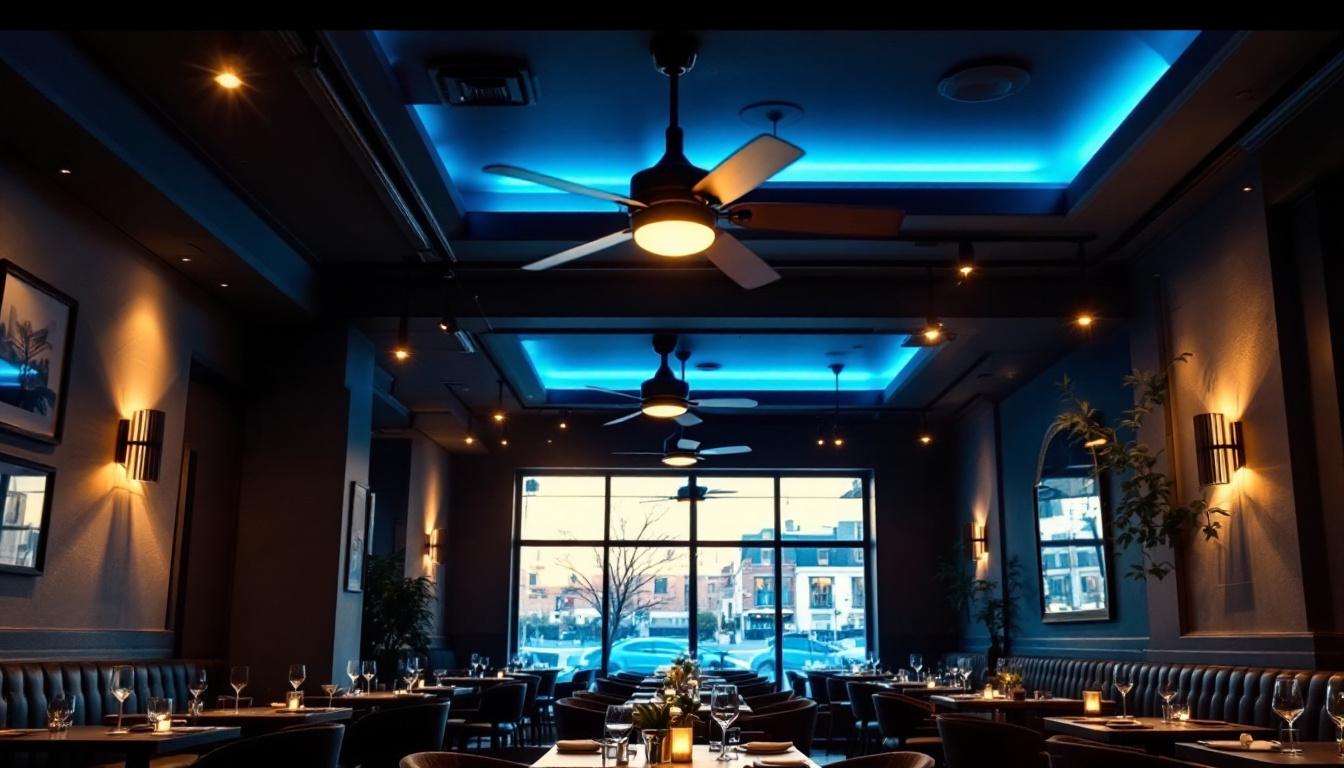
Ceiling fans serve multiple purposes in a restaurant setting. They not only help maintain a comfortable temperature but also contribute to the aesthetic appeal of the space. When clients approach lighting contractors, they often expect a comprehensive understanding of how ceiling fans can complement lighting solutions.
Temperature Control and Comfort
One of the primary functions of ceiling fans is to regulate temperature. In a restaurant, where patrons may linger for extended periods, maintaining a comfortable environment is essential. Ceiling fans can help circulate air, making it feel cooler in the summer and warmer in the winter by redistributing heated air. This functionality can significantly enhance the dining experience, leading to longer visits and increased customer satisfaction.
Lighting contractors should emphasize the importance of selecting the right fan speed and direction. Many modern ceiling fans come with reversible motors, allowing for adjustments based on the season. This knowledge can help clients make informed decisions that align with their operational needs. Additionally, the strategic placement of ceiling fans can further optimize airflow, ensuring that no area of the restaurant feels stuffy or too chilly. Properly installed fans can also reduce reliance on air conditioning, leading to energy savings and a more sustainable operation.
Aesthetic Integration
Ceiling fans are not merely functional; they can also serve as stylish design elements. Clients often seek lighting contractors who can recommend fans that harmonize with the overall theme of the restaurant. Whether it’s a rustic, industrial, or contemporary design, the right ceiling fan can enhance the visual appeal of the space.
Contractors should be prepared to discuss various styles, finishes, and sizes of ceiling fans that would best suit the restaurant’s decor. This includes understanding how the fan’s design can complement or contrast with lighting fixtures, creating a cohesive look that resonates with patrons. Furthermore, the choice of materials—such as wood, metal, or even glass—can play a significant role in the overall ambiance. For example, a sleek, brushed nickel fan might be perfect for a modern eatery, while a wooden fan with a distressed finish could enhance the charm of a farmhouse-style restaurant. Incorporating unique designs or even custom fans can also serve as conversation starters, adding an extra layer of interest to the dining experience.
Technical Considerations for Installation
When it comes to ceiling fan installation, there are several technical aspects that lighting contractors must be well-versed in. Clients expect contractors to navigate these considerations with expertise, ensuring that the fans are installed safely and effectively.
Electrical Requirements
Ceiling fans require specific electrical configurations to operate efficiently. Lighting contractors should be knowledgeable about the electrical load that a fan will place on the circuit. This includes understanding the wattage of the fan and whether it can be supported by the existing electrical infrastructure.
Moreover, clients may expect contractors to provide guidance on whether additional circuits or dedicated switches are necessary for optimal performance. This technical insight can help prevent issues down the line, ensuring that the fans operate smoothly without overloading the system. Additionally, contractors should be aware of local electrical codes and regulations that may dictate specific installation practices, which can vary significantly from one region to another. Staying updated on these codes not only ensures compliance but also enhances safety and reliability in the installation process.
Mounting Options
The mounting height and method can significantly impact the effectiveness of a ceiling fan. Lighting contractors should be familiar with the various mounting options available, including flush mounts, downrods, and angled mounts. Each option has its advantages and is suitable for different ceiling heights and configurations.
Clients often look for recommendations on the ideal mounting height to maximize airflow and aesthetic appeal. A fan that is too high may not provide adequate air circulation, while one that is too low can obstruct sightlines and create an uncomfortable environment. Providing clear guidance on these factors can enhance the contractor’s value in the eyes of the client. Furthermore, contractors should also consider the fan’s blade size and pitch, as these factors influence the fan’s airflow efficiency. A fan with larger blades and a higher pitch can move more air, making it a better choice for larger rooms or spaces with higher ceilings. By taking these additional details into account, contractors can ensure that the ceiling fan not only complements the room’s decor but also functions optimally to meet the client’s needs.
Energy Efficiency and Sustainability
As sustainability becomes a priority for many businesses, clients increasingly expect lighting contractors to offer energy-efficient solutions. Ceiling fans can be an integral part of a restaurant’s energy management strategy, and contractors should be prepared to discuss this aspect with clients.
Choosing Energy-Efficient Models
Modern ceiling fans come equipped with energy-efficient motors and features that can significantly reduce energy consumption. When advising clients, lighting contractors should highlight the benefits of selecting ENERGY STAR-rated fans, which can save on utility bills while providing optimal performance.
Additionally, discussing the long-term cost savings associated with energy-efficient fans can be a compelling selling point. Clients are often interested in the return on investment that comes from reduced energy costs, making it essential for contractors to provide this information during consultations.
Integrating Smart Technology
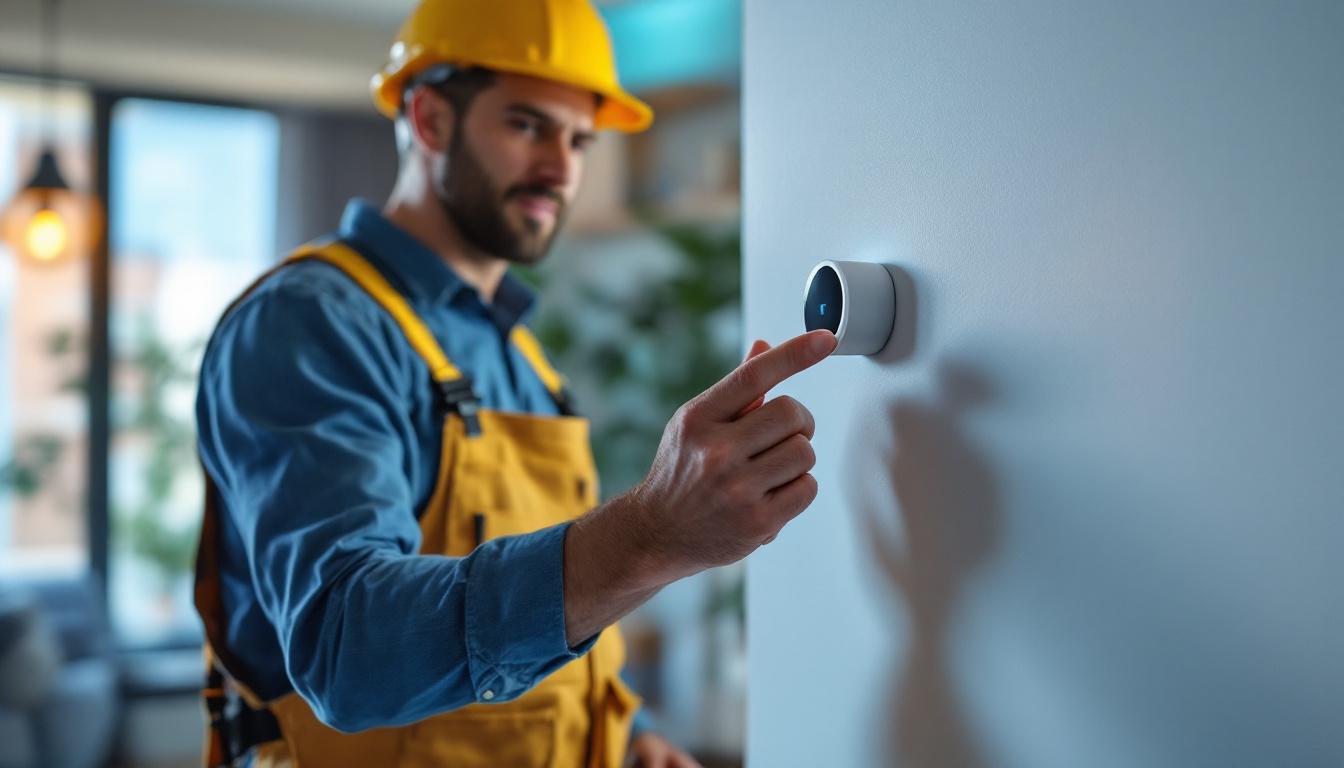
Smart ceiling fans are gaining popularity in the restaurant industry, offering features such as remote control, programmable timers, and integration with smart home systems. Lighting contractors should be knowledgeable about these advancements and how they can benefit restaurant operations.
Clients may seek to enhance the customer experience through technology, and smart ceiling fans can contribute to this goal. By providing insights on the latest smart fan technologies, contractors can position themselves as forward-thinking professionals who understand the evolving needs of the industry.
Client Expectations During the Selection Process
When clients approach lighting contractors for ceiling fan recommendations, they often have specific expectations regarding the selection process. Understanding these expectations can help contractors build strong relationships and deliver exceptional service.
Personalized Recommendations
Clients appreciate personalized recommendations that take into account their unique needs and preferences. Lighting contractors should be prepared to ask questions about the restaurant’s ambiance, target demographic, and overall design vision. This information can guide the selection of ceiling fans that align with the client’s goals.
Additionally, providing a curated list of fan options based on the client’s criteria can streamline the decision-making process. Clients are more likely to feel confident in their choices when they receive tailored suggestions that reflect their vision.
Demonstrating Value
Clients expect lighting contractors to demonstrate the value of their recommendations. This involves not only showcasing the aesthetic appeal of the ceiling fans but also highlighting their functional benefits. Whether it’s improved airflow, energy efficiency, or enhanced comfort, contractors should articulate how their choices align with the client’s objectives.
Providing case studies or examples of successful installations can further reinforce the contractor’s expertise. Clients are often more receptive to recommendations when they see evidence of past successes and the positive impact on similar establishments.
Maintenance and Support Considerations
Once ceiling fans are installed, clients may have questions about maintenance and ongoing support. Lighting contractors should be prepared to address these concerns, ensuring that clients feel confident in their investment.
Routine Maintenance Guidelines
Educating clients about routine maintenance for ceiling fans is essential. This includes recommendations for cleaning, inspecting, and lubricating the fans to ensure optimal performance. Contractors should provide clear guidelines on how often these tasks should be performed and any specific products that are safe to use.
By offering maintenance tips, contractors can help clients prolong the lifespan of their ceiling fans and maintain their efficiency. This proactive approach can enhance client satisfaction and foster long-term relationships.
Providing Ongoing Support
Clients may also expect ongoing support from lighting contractors after the installation is complete. This can include troubleshooting assistance, warranty information, and guidance on any necessary repairs. Being available to address these concerns can set a contractor apart from competitors and build trust with clients.
Establishing a clear line of communication for future inquiries can further enhance the client’s experience. Whether through phone, email, or in-person consultations, ensuring that clients feel supported can lead to repeat business and referrals.
Conclusion: Elevating the Client Experience
In the competitive restaurant industry, ceiling fans are more than just functional elements; they are integral to creating a welcoming atmosphere. Lighting contractors who understand the multifaceted role of ceiling fans can significantly elevate the client experience. By addressing temperature control, aesthetic integration, technical considerations, energy efficiency, and ongoing support, contractors can position themselves as invaluable partners in the restaurant design process.
Clients expect contractors to provide personalized recommendations, demonstrate value, and offer ongoing support. By meeting these expectations, lighting contractors can foster strong relationships and contribute to the success of their clients’ establishments. In a world where every detail matters, understanding the nuances of ceiling fans can make all the difference in creating a memorable dining experience.
Discover Unbeatable Wholesale Lighting for Your Restaurant Projects
Ready to enhance your clients’ dining atmosphere with the perfect ceiling fans and lighting solutions? Look no further than LumenWholesale, where we provide contractors with top-quality, spec-grade lighting products at the best wholesale prices. Our selection is designed to meet the highest industry standards, ensuring reliability and high performance for every project. Plus, with free shipping on bulk orders, you can obtain premium lighting without hidden fees or compromises. Elevate your restaurant design projects with the quality, affordability, and convenience of LumenWholesale. Wholesale Lighting at the Best Value is just a click away.