Recessed lighting has become a staple in modern interior design, particularly in living rooms where ambiance and functionality are paramount. Lighting contractors are increasingly turning to this versatile lighting solution to enhance the aesthetic appeal and usability of residential spaces. This article delves into the advantages of recessed lighting, design considerations, and installation tips to help contractors create stunning living room environments.
Understanding Recessed Lighting
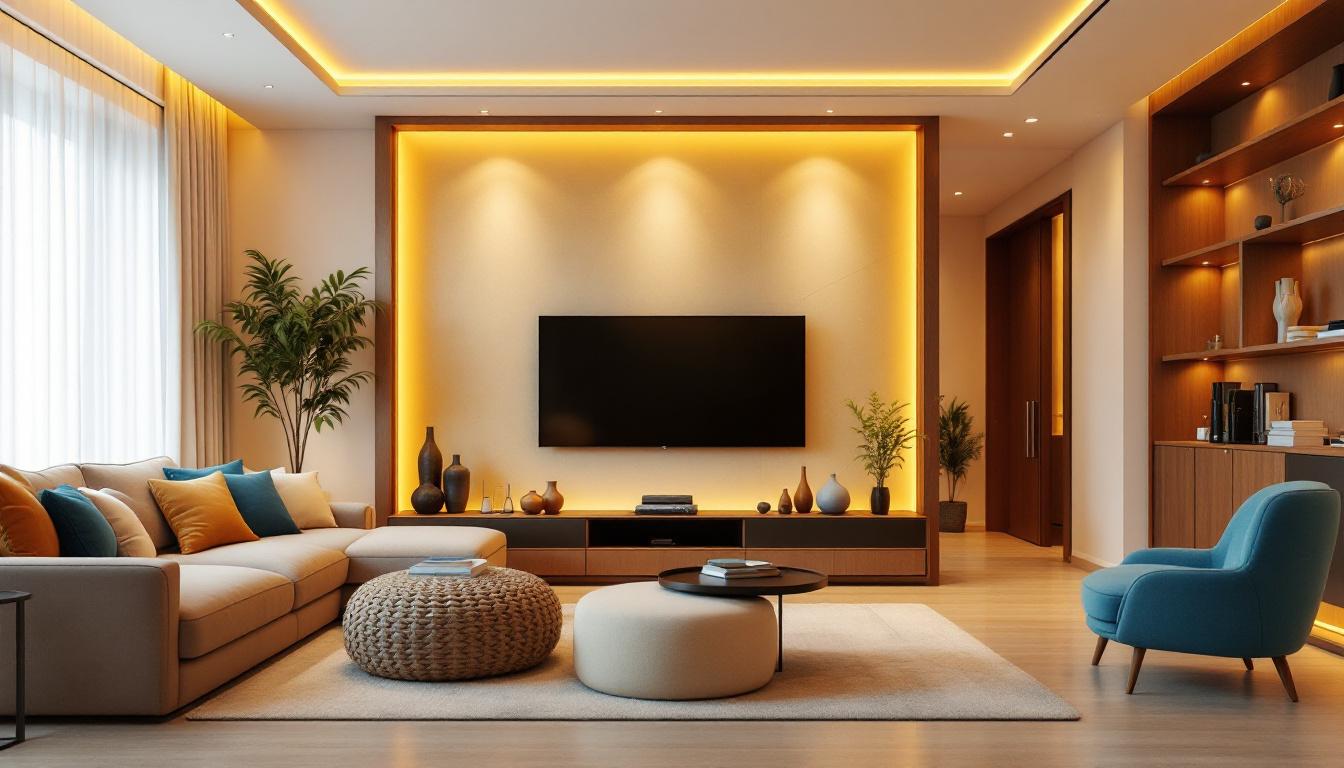
Recessed lighting, often referred to as can lighting or downlighting, involves fixtures that are installed into the ceiling, creating a sleek and unobtrusive look. This type of lighting is not only aesthetically pleasing but also highly functional, making it an ideal choice for living rooms where various activities occur, from entertaining guests to relaxing with family. The seamless integration of recessed lights into the ceiling can elevate the overall design of a room, allowing for a more cohesive and polished appearance.
Types of Recessed Lighting Fixtures
When selecting recessed lighting fixtures, contractors have a variety of options to consider. The most common types include new construction, remodel, and adjustable fixtures. New construction fixtures are typically used in homes that are being built or undergoing significant renovations, allowing for easy installation in the ceiling structure. Remodel fixtures, on the other hand, are designed for retrofitting into existing ceilings, making them perfect for renovations. These fixtures often come with features that facilitate installation without extensive ceiling modifications, making them a popular choice for homeowners looking to update their spaces.
Adjustable fixtures provide flexibility by allowing the light to be directed towards specific areas, such as artwork or architectural features. This versatility can enhance the overall design and functionality of the living room. Furthermore, some adjustable fixtures come with the option to change the beam angle, enabling homeowners to customize the lighting effect according to their needs. Whether highlighting a beautiful painting or providing focused light for reading, adjustable recessed lights can significantly improve the ambiance of the room.
Benefits of Recessed Lighting
One of the primary advantages of recessed lighting is its ability to create a clean, modern look without the bulkiness of traditional light fixtures. This unobtrusive design allows for a more open feel in the living room, making the space appear larger and more inviting. The minimalist aesthetic of recessed lighting can complement various interior styles, from contemporary to traditional, making it a versatile choice for any homeowner.
Additionally, recessed lighting provides excellent illumination without creating harsh shadows. This is especially important in living rooms where soft, ambient lighting is desired. By strategically placing recessed lights, contractors can create layers of light that enhance the room’s atmosphere. Moreover, the use of dimmable LED options allows for further customization, enabling homeowners to adjust the brightness according to the time of day or the mood they wish to set. This adaptability not only enhances the comfort of the living space but also contributes to energy efficiency, as homeowners can reduce lighting levels when full brightness is unnecessary.
Design Considerations for Recessed Lighting
Designing a lighting plan for a living room involves more than just choosing fixtures. Several factors must be considered to achieve the best results. From ceiling height to color temperature, each element plays a crucial role in the overall lighting design.
Ceiling Height and Fixture Placement
The height of the ceiling significantly impacts the effectiveness of recessed lighting. In rooms with standard 8-foot ceilings, fixtures should be spaced approximately 4 to 6 feet apart. For higher ceilings, spacing can be increased to maintain an even distribution of light. Proper placement is essential to avoid dark spots and ensure that the light is directed where it is needed most.
Contractors should also consider the layout of the living room when determining fixture placement. For example, placing lights over seating areas can create a cozy atmosphere, while fixtures directed towards artwork can highlight focal points within the space. Additionally, the use of dimmers can enhance the versatility of recessed lighting, allowing homeowners to adjust the brightness according to the time of day or the specific activity taking place. This flexibility not only contributes to energy efficiency but also enhances the overall aesthetic appeal of the room.
Choosing the Right Color Temperature
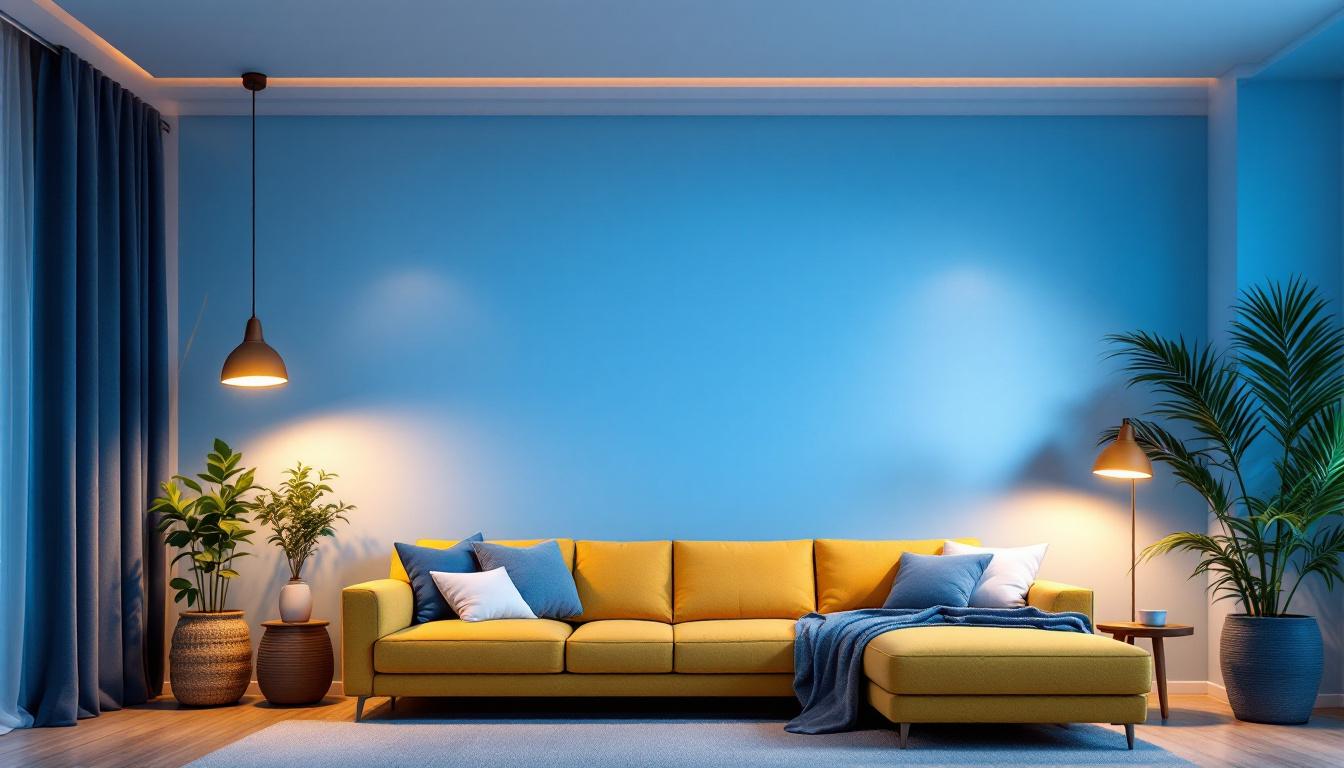
The color temperature of recessed lighting can dramatically affect the mood of a living room. Warmer color temperatures (2700K to 3000K) create a cozy and inviting atmosphere, making them ideal for spaces meant for relaxation and socializing. Cooler color temperatures (3500K to 4000K) can be used in areas where tasks are performed, such as reading or working on hobbies.
It is essential for contractors to educate clients about the different color temperatures available and how they can influence the overall ambiance of the living room. By selecting the right color temperature, contractors can help create a space that feels both functional and welcoming. Furthermore, integrating smart lighting solutions that allow for color temperature adjustments can provide homeowners with even greater control over their environment. This technology enables users to shift from a bright, energizing light during the day to a softer, more relaxing glow in the evening, seamlessly adapting to their lifestyle needs and enhancing the living experience.
Installation Tips for Recessed Lighting
Successful installation of recessed lighting requires careful planning and execution. Contractors must consider electrical requirements, ceiling materials, and fixture specifications to ensure a seamless integration into the living room design.
Electrical Considerations
Before installation, it is crucial to assess the electrical capacity of the home. Recessed lighting fixtures come in various wattages, and contractors must ensure that the existing electrical system can support the new lighting. This may involve upgrading circuits or installing additional wiring to accommodate the fixtures.
Furthermore, it is advisable to use LED fixtures for their energy efficiency and longevity. LEDs consume significantly less energy than traditional incandescent bulbs, making them an environmentally friendly choice that can also reduce utility costs for homeowners.
Choosing the Right Trim and Lens
The trim and lens of recessed lighting fixtures play a significant role in the overall appearance and functionality of the lighting. Trims come in various styles, including baffle, reflector, and adjustable options. Baffle trims can help reduce glare, while reflector trims provide a brighter output. Adjustable trims allow for flexibility in directing light, making them ideal for highlighting specific areas.
Contractors should also consider the lens type, which can impact the quality of light emitted. Clear lenses provide a brighter, more focused beam, while frosted lenses diffuse light for a softer effect. Selecting the right combination of trim and lens can enhance the overall design and functionality of the living room.
Creating Layered Lighting with Recessed Fixtures
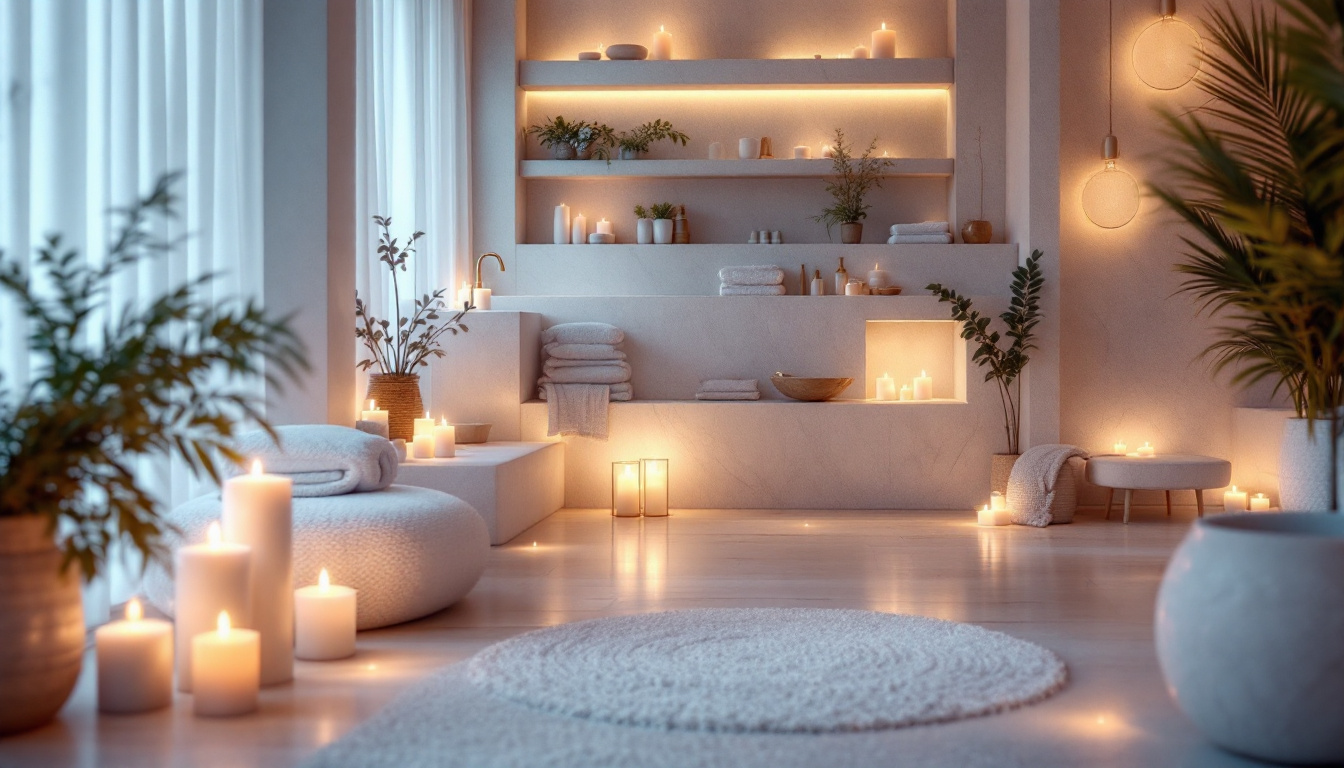
Layered lighting is essential for creating a well-balanced and inviting living room. By combining recessed lighting with other types of lighting, contractors can achieve a dynamic and versatile lighting scheme that caters to various activities and moods.
Combining Ambient, Task, and Accent Lighting
Recessed lighting primarily serves as ambient lighting, providing general illumination throughout the room. However, to create a truly inviting space, it is important to incorporate task and accent lighting as well. Task lighting, such as floor or table lamps, can be used in reading areas or near workspaces to provide focused illumination.
Accent lighting, on the other hand, highlights specific features within the living room, such as artwork or architectural details. This can be achieved through the use of adjustable recessed fixtures or additional wall-mounted sconces. By thoughtfully combining these lighting types, contractors can create a layered effect that enhances the overall design and functionality of the living room.
Utilizing Dimmers for Versatility
Dimmers are an essential component of any recessed lighting design, offering the flexibility to adjust the brightness according to the time of day or activity. By installing dimmer switches, contractors can help homeowners create the perfect ambiance for any occasion, whether it’s a lively gathering or a quiet movie night.
Moreover, dimmers can enhance energy efficiency by allowing homeowners to use only the necessary amount of light. This not only contributes to cost savings but also extends the lifespan of the lighting fixtures. Educating clients about the benefits of dimmers can lead to more satisfied customers and successful projects.
Common Mistakes to Avoid
While recessed lighting can transform a living room, there are common mistakes that contractors should be aware of to ensure a successful installation. Avoiding these pitfalls can lead to better outcomes and happier clients.
Overcrowding Fixtures
One common mistake is overcrowding recessed fixtures, which can lead to excessive brightness and an unbalanced lighting scheme. It is essential to maintain appropriate spacing between fixtures to achieve even illumination without overwhelming the space. A well-thought-out lighting plan should prioritize quality over quantity, ensuring that each fixture serves a specific purpose.
Ignoring the Importance of Lighting Controls
Another mistake is neglecting to incorporate lighting controls into the design. Lighting controls, such as smart home systems or remote-controlled dimmers, can greatly enhance the user experience by providing convenience and flexibility. Contractors should consider discussing these options with clients to create a more modern and user-friendly lighting solution.
Conclusion
Recessed lighting is a powerful tool for lighting contractors looking to enhance the design and functionality of living rooms. By understanding the various types of fixtures, design considerations, and installation techniques, contractors can create beautiful and effective lighting solutions that meet the needs of their clients.
Through careful planning and execution, recessed lighting can transform a living room into a warm, inviting space that is perfect for both relaxation and entertainment. By avoiding common mistakes and incorporating layered lighting strategies, contractors can deliver stunning results that elevate the overall aesthetic and usability of residential spaces.
Illuminate Your Projects with LumenWholesale
Ready to elevate your living room designs with the finest recessed lighting options? At LumenWholesale, we offer contractors an exceptional range of spec-grade lighting products at prices that can’t be beaten. Say goodbye to local distributor markups and hello to our direct-to-contractor approach that ensures you get the most value for your investment. Our commitment to quality and affordability, paired with the convenience of free shipping on bulk orders, makes us the go-to source for all your lighting needs. Don’t compromise on quality or price. Discover the best wholesale lighting value today and bring your lighting designs to life with LumenWholesale.