As the demand for indoor gardening and sustainable agriculture continues to rise, lighting contractors are increasingly called upon to provide effective solutions for growing seedlings. One of the most critical aspects of successful seedling growth is the appropriate use of grow lights. This guide aims to equip lighting contractors with the essential knowledge needed to select, install, and maintain grow lights for seedlings.
Understanding Grow Lights
Grow lights are artificial light sources designed to stimulate plant growth by emitting a spectrum of light that mimics natural sunlight. For seedlings, the right type of light can significantly impact their development, health, and overall yield. Understanding the different types of grow lights available is crucial for lighting contractors looking to provide optimal solutions for their clients. With the increasing popularity of indoor gardening and hydroponics, the demand for effective grow lighting solutions has surged, making it essential for professionals in the industry to stay informed about the latest advancements and technologies in this field.
Types of Grow Lights
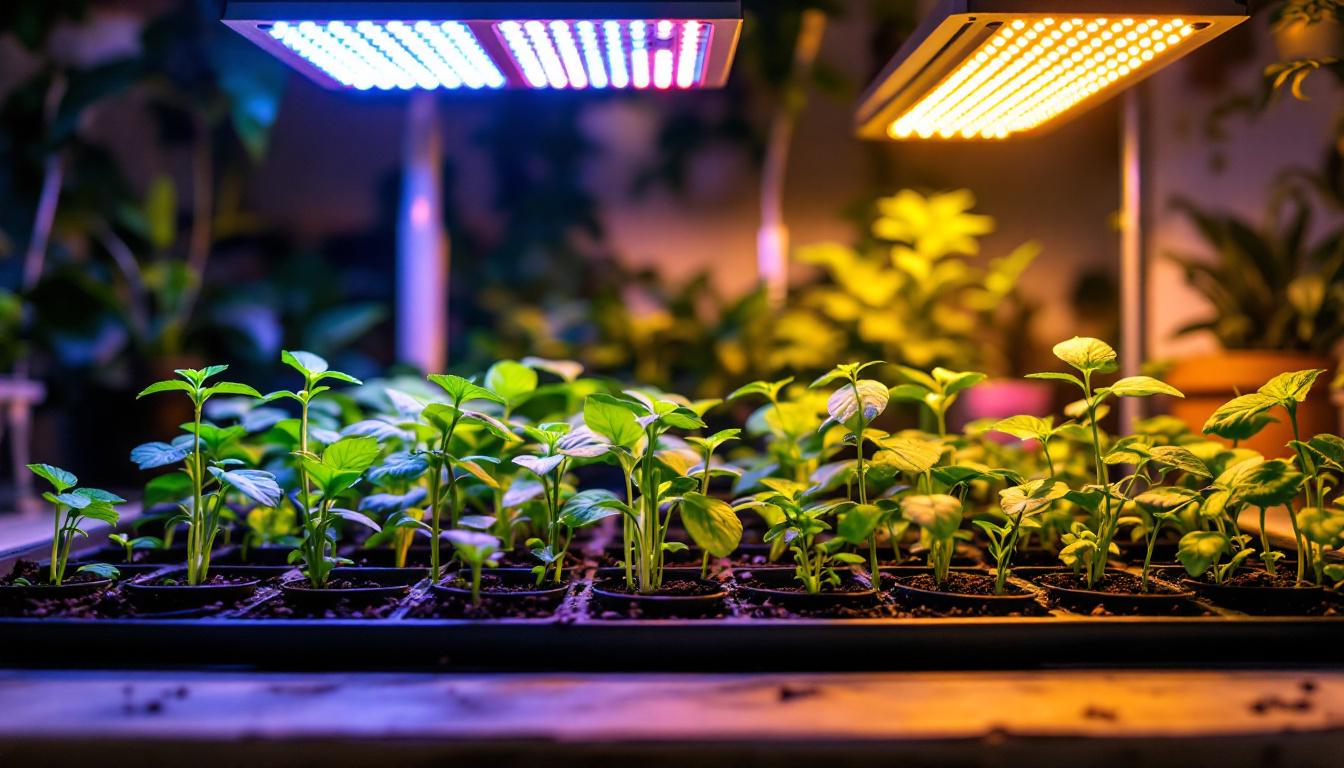
There are several types of grow lights available, each with its unique characteristics and advantages. The most common types include LED, fluorescent, and high-intensity discharge (HID) lights. Each of these options has specific benefits that can cater to different growing environments and plant needs. Additionally, understanding the specific light spectrum required for different plant types can further enhance growth and yield, allowing contractors to tailor their recommendations based on the unique requirements of their clients’ gardens.
LED Grow Lights
LED grow lights are becoming increasingly popular due to their energy efficiency and long lifespan. They emit a full spectrum of light, making them suitable for all stages of plant growth, including seedlings. Additionally, LEDs produce less heat, reducing the risk of burning delicate seedlings. Their adjustable spectrum allows for customization based on the specific needs of the plants. Furthermore, advancements in LED technology have led to the development of smart grow lights that can be controlled via smartphone apps, allowing for precise adjustments in light intensity and duration, which can be particularly beneficial for optimizing growth cycles.
Fluorescent Grow Lights
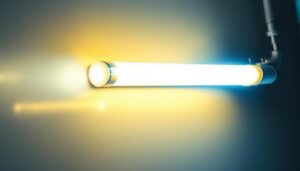
Fluorescent lights, particularly T5 and T8 tubes, are another excellent option for seedlings. They are relatively inexpensive and provide a good spectrum of light for seedling growth. These lights are also easy to install and can be placed close to the plants without the risk of overheating. However, they may not be as energy-efficient as LEDs, and their lifespan is shorter. It’s worth noting that the color temperature of fluorescent lights can vary, with cooler temperatures (around 6500K) being ideal for vegetative growth, while warmer temperatures (around 3000K) can promote flowering and fruiting stages, allowing growers to switch bulbs as their plants mature for optimal results.
High-Intensity Discharge (HID) Lights
HID lights, including metal halide and high-pressure sodium lamps, are powerful sources of light that can promote rapid growth. While they are effective, they generate significant heat and require proper ventilation to prevent overheating. HID lights are often used in larger setups or commercial operations where high light intensity is necessary. Additionally, the choice between metal halide and high-pressure sodium bulbs can influence plant growth; metal halide bulbs are typically favored for their blue spectrum, which encourages leafy growth, while high-pressure sodium bulbs emit more red spectrum light, making them ideal for flowering and fruiting phases. This duality allows growers to create a balanced light environment by using both types of HID lamps in conjunction, maximizing the potential of their crops.
Choosing the Right Grow Light for Seedlings
Choosing the right grow light for seedlings involves considering several factors, including the type of plants being grown, the size of the growing area, and the budget available. Lighting contractors should be well-versed in these factors to make informed recommendations to their clients.
Light Spectrum and Plant Needs
Different stages of plant growth require different light spectrums. Seedlings benefit from a balanced spectrum that includes blue light for vegetative growth and red light for flowering. Understanding the specific light requirements of the seedlings being grown will help contractors select the most suitable grow lights.
Size and Coverage Area
The size of the growing area is another critical consideration. Grow lights should provide adequate coverage to ensure that all seedlings receive sufficient light. Contractors should measure the dimensions of the growing area and calculate the number of lights needed to achieve uniform coverage. Additionally, the height at which the lights are installed can affect light distribution and intensity.
Budget Considerations
Cost is always a significant factor in any lighting project. While LED lights may have a higher upfront cost, their energy efficiency and longevity can lead to savings over time. Contractors should discuss budget constraints with their clients and provide options that balance initial investment with long-term benefits.
Installation Best Practices
Proper installation of grow lights is essential to ensure optimal performance and safety. Lighting contractors should follow best practices to maximize the effectiveness of the lighting system and minimize potential issues.
Positioning and Height
The positioning of grow lights can significantly impact the growth of seedlings. Lights should be hung at an appropriate height to provide adequate light intensity without causing heat stress. Generally, LED lights can be placed closer to seedlings than HID or fluorescent lights. Regular adjustments may be necessary as seedlings grow taller.
Wiring and Electrical Considerations
Ensuring that the electrical setup is safe and compliant with local codes is crucial. Contractors should use appropriate wiring and connectors to handle the electrical load of the grow lights. Additionally, incorporating timers and dimmers can enhance the efficiency of the lighting system, allowing for better control over light exposure.
Ventilation and Heat Management
Heat management is vital, especially with HID lights, which can produce significant heat. Proper ventilation should be installed to maintain optimal temperatures and prevent damage to seedlings. This may include exhaust fans, intake vents, or air conditioning systems, depending on the scale of the operation.
Maintenance of Grow Lights
Regular maintenance of grow lights is essential for ensuring their longevity and effectiveness. Lighting contractors should advise clients on proper maintenance practices to keep their systems running smoothly.
Cleaning and Inspection
Dust and grime can accumulate on grow lights, reducing their efficiency. Regular cleaning with a soft cloth and mild detergent can help maintain optimal light output. Additionally, periodic inspections should be conducted to check for any signs of wear or damage, particularly in electrical components.
Replacing Bulbs and Fixtures
Over time, bulbs will lose their intensity and may need to be replaced. Contractors should educate clients on the lifespan of different types of bulbs and the signs that indicate it’s time for a replacement. Keeping spare bulbs on hand can minimize downtime and ensure that seedlings continue to receive adequate light.
Monitoring Light Levels
Using light meters can help monitor the intensity of light reaching the seedlings. This data allows for adjustments to be made to the lighting setup to ensure that seedlings are receiving the optimal amount of light for growth. Regular monitoring can help identify any issues before they become significant problems.
Common Challenges and Solutions
Lighting contractors may encounter various challenges when working with grow lights for seedlings. Understanding these challenges and having solutions at hand can enhance the contractor’s ability to deliver effective lighting solutions.
Light Burn and Heat Stress
One of the most common issues with grow lights is light burn, which occurs when seedlings are exposed to excessive light intensity or heat. This can lead to wilting, discoloration, and stunted growth. To prevent light burn, contractors should ensure that lights are positioned at the appropriate height and that temperature levels are monitored regularly.
Insufficient Light Levels
On the flip side, insufficient light levels can lead to leggy seedlings that are weak and prone to disease. If seedlings are not receiving enough light, they may stretch toward the light source, resulting in a weak stem structure. Contractors should assess the light levels and adjust the number of lights or their positioning as needed to ensure adequate coverage.
Electrical Issues
Electrical issues can pose significant risks, including the potential for fires. Ensuring that all electrical components are installed correctly and regularly inspected can mitigate these risks. Contractors should also be familiar with local electrical codes and regulations to ensure compliance and safety.
Future Trends in Grow Lighting
The field of grow lighting is continually evolving, with new technologies and trends emerging. Staying informed about these developments can help lighting contractors remain competitive and provide cutting-edge solutions to their clients.
Smart Lighting Systems
Smart lighting systems that utilize IoT technology are becoming increasingly popular. These systems allow for remote monitoring and control of grow lights, enabling contractors to optimize light exposure based on real-time data. Features such as automated dimming and spectrum adjustments can enhance plant growth while reducing energy consumption.
Advancements in LED Technology
As LED technology continues to advance, new options are becoming available that offer even greater efficiency and customization. Full-spectrum LEDs with adjustable wavelengths can cater to specific plant needs, providing tailored lighting solutions for various stages of growth. Keeping abreast of these advancements can help contractors offer the best options to their clients.
Sustainability and Energy Efficiency
With increasing awareness of environmental issues, sustainable practices in grow lighting are gaining traction. Energy-efficient systems not only reduce operational costs but also minimize the carbon footprint of indoor gardening operations. Contractors should emphasize the importance of sustainability when discussing lighting options with clients.
Conclusion
In conclusion, understanding the intricacies of seedlings grow lights is essential for lighting contractors aiming to provide effective solutions for their clients. By familiarizing themselves with the types of grow lights, installation best practices, maintenance requirements, and emerging trends, contractors can enhance their service offerings and contribute to the success of indoor gardening projects. As the demand for sustainable agriculture continues to grow, the role of lighting contractors in this field will only become more significant.
Get Your Grow Lights at LumenWholesale
Ready to elevate your lighting projects with the best grow lights on the market? Look no further than LumenWholesale, where we provide contractors with superior, spec-grade lighting products at unbeatable wholesale prices. Our extensive selection is designed to meet the highest industry standards, ensuring reliable and high-performance lighting for your indoor gardening needs. With free shipping on bulk orders, you can trust that you’re getting premium quality without hidden fees or compromises. Make the smart choice for your next project and experience the ideal combination of quality, affordability, and convenience. Visit LumenWholesale today for Wholesale Lighting at the Best Value, and start transforming your seedling growth projects with confidence.