Understanding Recessed Exterior Lighting: A Contractor’s Perspective
Recessed exterior lighting has become a cornerstone in modern outdoor design, offering a sleek, unobtrusive way to enhance architectural features, improve safety, and elevate curb appeal. For lighting contractors, mastering the nuances of recessed lighting installations is essential to delivering high-quality results that meet client expectations and comply with industry standards.
Unlike surface-mounted fixtures, recessed lights are installed flush with the surface, typically embedded within ceilings, walls, or ground surfaces. This design minimizes visual clutter while providing targeted illumination. Contractors must appreciate the technical and aesthetic considerations involved in these installations to recommend the best solutions and execute flawless projects.
Why Recessed Exterior Lighting Matters
Recessed lighting is favored for its versatility and subtlety. It can highlight pathways, accentuate landscaping, or provide ambient lighting without distracting from the architectural integrity of a building. For contractors, understanding the varied applications—from soffits and eaves to stairways and decks—is critical for advising clients on optimal placement and fixture selection.
Moreover, recessed fixtures can contribute significantly to energy efficiency and longevity when paired with LED technology and appropriate housing. This not only benefits the end user but also enhances the contractor’s reputation for delivering durable, cost-effective lighting solutions.
In addition to energy efficiency, recessed exterior lighting can also play a pivotal role in enhancing safety and security around a property. Properly placed lights can illuminate dark corners and pathways, reducing the risk of accidents and deterring potential intruders. Contractors often recommend motion-sensor options for added convenience and security, allowing lights to activate only when needed. This not only saves energy but also provides peace of mind for homeowners, knowing their property is well-lit and secure during the night.
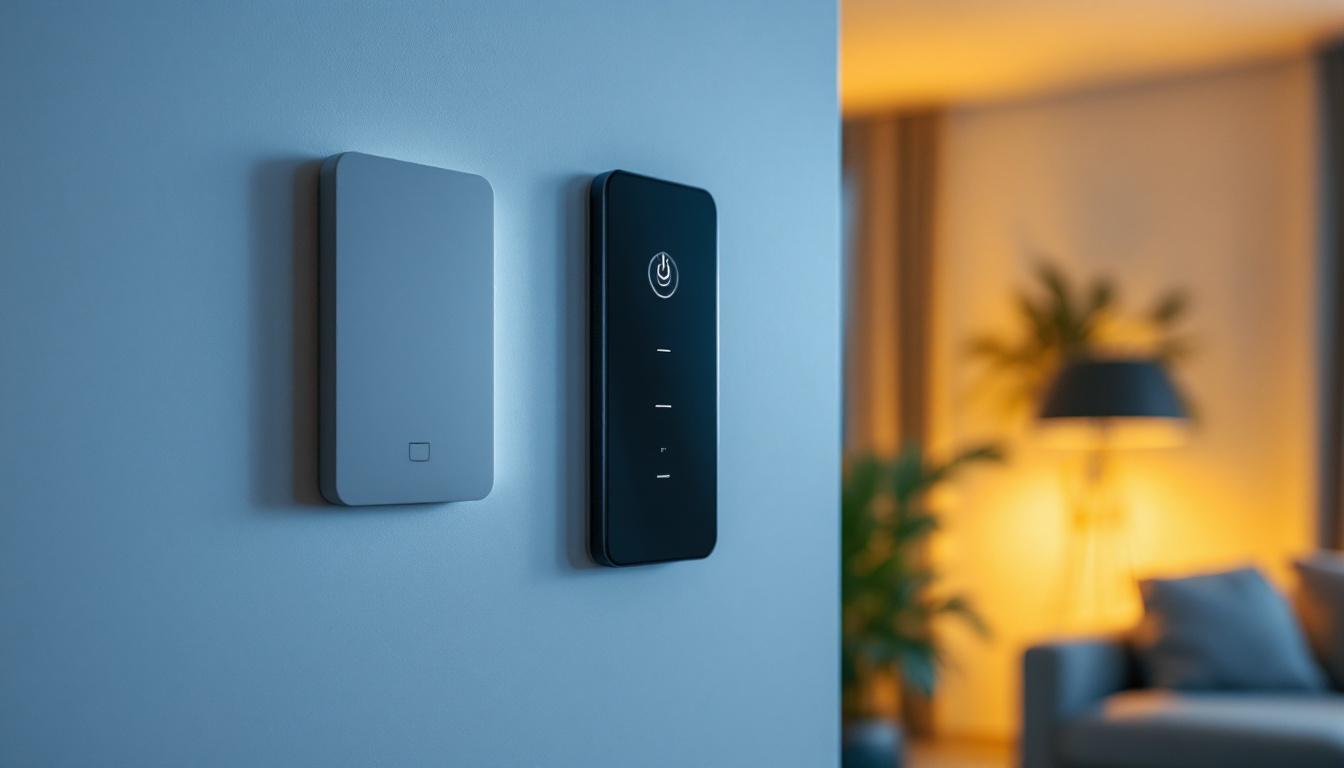
Furthermore, the aesthetic appeal of recessed lighting can be tailored to fit various architectural styles, from contemporary to traditional. By selecting the right trim styles and finishes, contractors can ensure that the lighting complements the overall design theme of the property. This attention to detail can significantly enhance the visual impact of a home’s exterior, making it more inviting and attractive to visitors. Additionally, the integration of smart lighting technology allows homeowners to control their recessed lighting remotely, offering both convenience and the ability to create dynamic lighting scenes for different occasions.
Technical Considerations for Recessed Exterior Lighting Installation
Fixture Selection and Ratings
One of the first decisions contractors face is choosing the right fixture. Exterior recessed lights must be rated for wet or damp locations depending on their placement. Wet-rated fixtures are essential for areas exposed directly to rain or snow, such as soffits or ground-level installations, while damp-rated fixtures are suitable for covered outdoor spaces.
In addition to environmental ratings, contractors should consider fixture materials and finishes that resist corrosion and fading. Aluminum and stainless steel housings with powder-coated finishes are popular choices for durability in harsh outdoor conditions.
Housing Types and Installation Depth
Recessed lighting housings come in various types, including new construction and remodel housings. For exterior applications, new construction housings are typically preferred when installing in open framing, allowing for secure attachment and proper sealing against moisture intrusion.
Installation depth is another critical factor. Contractors must ensure sufficient clearance above the fixture for heat dissipation and wiring, especially when retrofitting recessed lights into existing structures. Failure to maintain proper spacing can lead to overheating and premature fixture failure.
Sealing and Waterproofing Techniques
Effective sealing is paramount to prevent water ingress that can damage electrical components and compromise safety. Contractors should use gaskets, silicone sealants, and weatherproof junction boxes as standard practice.
Additionally, integrating proper drainage solutions around ground-level fixtures helps avoid water pooling, which can accelerate fixture deterioration and create slip hazards. Employing best practices in waterproofing not only extends fixture lifespan but also protects the contractor from liability issues.
Lighting Design Principles for Recessed Exterior Applications
Balancing Functionality and Aesthetics
Successful recessed exterior lighting balances illumination needs with design intent. Contractors must collaborate closely with architects, landscape designers, and homeowners to understand the desired ambiance and functional requirements.
For example, pathway lighting should prioritize uniformity and glare control to enhance safety, while accent lighting might focus on highlighting textures and shapes using directional beam angles. Selecting the right color temperature—ranging from warm (2700K-3000K) to neutral (3500K-4000K)—can also influence the mood and visual comfort of the space.
Spacing and Layout Strategies
Proper fixture spacing is crucial to avoid dark spots and uneven lighting. A common rule of thumb is to space recessed lights at intervals equal to their mounting height above the ground or surface. For instance, fixtures installed 8 feet above a walkway should be spaced approximately 8 feet apart.
Contractors should also consider the beam spread and intensity of each fixture to tailor layouts that meet both illumination and energy efficiency goals. Utilizing lighting design software can aid in simulating various configurations before installation.
Integration with Smart Lighting Controls
Modern recessed exterior lighting often integrates with smart controls to enhance usability and energy management. Motion sensors, photocells, and programmable timers allow lights to operate only when needed, reducing electricity consumption and extending fixture life.
Contractors knowledgeable in these technologies can offer clients advanced solutions that improve convenience and sustainability. Compatibility with home automation systems is increasingly sought after, making this an important area of expertise.
Energy Efficiency and Sustainability Considerations
LED Technology Advantages
LEDs have revolutionized exterior lighting by offering superior energy efficiency, longer lifespan, and reduced maintenance compared to traditional incandescent or halogen lamps. For recessed exterior lighting, LEDs provide consistent brightness with minimal heat output, which is beneficial for enclosed housings.
Contractors should prioritize LED fixtures with high-quality drivers and appropriate color rendering indexes (CRI) to ensure natural color appearance and client satisfaction. Many LED products now come with dimming capabilities, allowing for further energy savings and mood customization.
Compliance with Energy Codes and Standards
Lighting contractors must stay current with local and national energy codes, such as the International Energy Conservation Code (IECC) and standards set by the Illuminating Engineering Society (IES). These regulations often mandate maximum wattage limits, efficacy requirements, and control features for exterior lighting installations.
Adhering to these codes not only ensures legal compliance but also positions contractors as trusted professionals who prioritize safety and environmental responsibility.
Incorporating Renewable Energy Sources
In some projects, integrating solar-powered recessed lighting or connecting fixtures to renewable energy systems can enhance sustainability credentials. While solar options may have limitations in brightness and runtime, advances in battery technology and panel efficiency are expanding their viability.
Contractors should evaluate site-specific factors such as sunlight exposure and client preferences before recommending these systems, ensuring they deliver reliable performance without compromising design goals.
Common Challenges and Solutions in Recessed Exterior Lighting
Dealing with Moisture and Corrosion
Moisture intrusion remains a primary challenge in exterior recessed lighting. Even with rated fixtures, improper sealing or installation can lead to condensation buildup and corrosion. Contractors should conduct thorough inspections of housings and seals during installation and recommend routine maintenance checks to clients.
Using corrosion-resistant materials and applying protective coatings can mitigate these issues. In coastal or high-humidity environments, specifying marine-grade fixtures can further enhance durability.
Addressing Heat Management
Though LEDs generate less heat than traditional bulbs, heat dissipation is still critical in recessed fixtures to prevent damage to internal components. Contractors must ensure housings have adequate ventilation or thermal management features, especially in enclosed spaces.
Overheating can shorten fixture lifespan and degrade light quality, so following manufacturer guidelines for clearance and installation is essential.
Ensuring Electrical Safety and Code Compliance
Exterior lighting installations involve exposure to elements that can compromise electrical safety if not properly managed. Contractors must use weatherproof wiring, conduit, and junction boxes, and verify that all connections are secure and protected.
Ground fault circuit interrupters (GFCIs) are often required for exterior circuits to prevent electrical shock hazards. Staying updated on local electrical codes and obtaining necessary permits are part of responsible contractor practices.
Best Practices for Lighting Contractors: From Planning to Maintenance
Comprehensive Site Assessment
Before installation, conducting a detailed site assessment is crucial. This includes evaluating existing electrical infrastructure, environmental conditions, and client usage patterns. Understanding these factors helps contractors design lighting solutions that are both functional and resilient.
Documenting measurements, potential obstructions, and aesthetic preferences ensures a smooth installation process and reduces the likelihood of costly adjustments.
Client Education and Communication
Educating clients about the benefits, limitations, and maintenance requirements of recessed exterior lighting fosters realistic expectations and satisfaction. Contractors should clearly explain fixture options, energy implications, and control features during consultations.
Providing maintenance tips and warranty information also builds trust and encourages long-term relationships.
Routine Maintenance and Troubleshooting
Post-installation, advising clients on routine maintenance—such as cleaning lenses, checking seals, and testing controls—helps preserve lighting performance and safety. Contractors may offer maintenance contracts or periodic inspections as value-added services.
Quick identification and resolution of common issues, such as flickering lights or moisture accumulation, prevent minor problems from escalating and demonstrate professional commitment.
Conclusion: Elevating Outdoor Spaces with Expert Recessed Exterior Lighting
Recessed exterior lighting presents an elegant and efficient solution for illuminating outdoor environments. For lighting contractors, mastering the technical, design, and regulatory aspects of these installations is vital to delivering superior results that satisfy clients and withstand environmental challenges.
By prioritizing quality fixture selection, meticulous installation, and ongoing maintenance, contractors can enhance safety, aesthetics, and energy efficiency in every project. Staying informed about emerging technologies and evolving standards further positions contractors as trusted experts in the competitive exterior lighting market.
Illuminate with Confidence with LumenWholesale
Ready to elevate your outdoor lighting projects with the sleek sophistication of recessed exterior lighting? Choose LumenWholesale for your lighting needs and gain a partner that empowers you with spec-grade products at unbeatable wholesale prices. Our extensive selection is designed to meet the highest industry standards, ensuring you deliver reliable and high-performance lighting solutions. Plus, with free shipping on bulk orders, you can stock up on premium lighting without the worry of hidden fees. Don’t compromise on quality or value—explore our collection and find the best lighting products for your next project at the best value.