Understanding 100 Lumen Solar Lights: Basics and Benefits
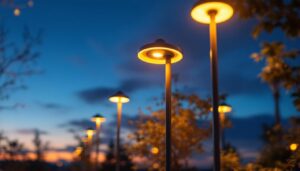
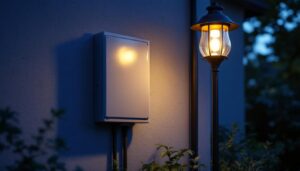
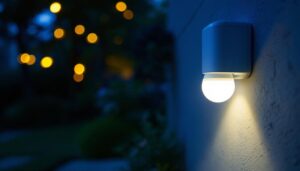
For lighting contractors, selecting the right solar lighting solutions requires a deep understanding of lumen output and its practical implications. A 100 lumen solar light offers a moderate level of brightness, making it ideal for a variety of outdoor applications such as pathway illumination, garden accents, and security lighting in low to medium traffic areas.
Solar lights with a 100 lumen output strike a balance between energy efficiency and sufficient illumination. They harness solar energy during the day and convert it into light at night, reducing electrical costs and environmental impact. This makes them particularly attractive for clients seeking sustainable lighting options without sacrificing performance.
Moreover, 100 lumen solar lights often feature compact designs and straightforward installation processes, which can save contractors time and labor costs. Understanding these benefits helps contractors recommend the right products to clients based on project requirements and budget constraints.
In addition to their practical applications, 100 lumen solar lights are available in a variety of styles and finishes, allowing for aesthetic customization to suit different outdoor themes. Whether it’s a sleek modern design or a more traditional lantern style, these lights can enhance the visual appeal of gardens, patios, and walkways. Furthermore, many models come equipped with features such as motion sensors and adjustable brightness settings, providing added functionality and security for homeowners.
Another significant advantage of 100 lumen solar lights is their low maintenance requirements. Unlike traditional lighting systems, which may require regular bulb replacements and electrical upkeep, solar lights typically only need occasional cleaning to ensure optimal performance. This ease of maintenance not only appeals to homeowners but also allows contractors to offer a more attractive long-term solution for their clients, reinforcing the value of investing in solar technology for outdoor lighting needs.
Key Specifications to Evaluate in 100 Lumen Solar Lights
Solar Panel Efficiency and Battery Capacity
A critical factor in the performance of any solar light is the efficiency of its solar panel. For a 100 lumen light, the solar panel must be capable of capturing enough sunlight during daylight hours to power the light throughout the night. Look for panels made with monocrystalline or polycrystalline silicon, as these materials typically offer higher efficiency rates. Monocrystalline panels, in particular, are known for their sleek design and superior efficiency, making them a popular choice among manufacturers aiming to maximize energy capture in limited space.
Battery capacity is equally important. Lithium-ion batteries are preferred for their longevity and ability to hold charge over multiple cycles. A battery rated between 1000mAh to 2000mAh is generally sufficient for maintaining consistent illumination in 100 lumen solar lights overnight, depending on the light’s runtime and usage patterns. Additionally, consider the battery’s charge time and discharge rate, as these factors can significantly influence the light’s performance. Some advanced models even feature smart technology that optimizes charging and discharging, ensuring the light operates efficiently even in less-than-ideal weather conditions.
Light Source and Color Temperature
LED technology dominates the solar lighting market due to its energy efficiency and long lifespan. When selecting 100 lumen solar lights, ensure the LEDs are high-quality and rated for extended use. The color temperature, measured in Kelvins (K), affects the ambiance and functionality of the light. For outdoor applications, a color temperature between 3000K (warm white) and 5000K (cool white) is typically preferred. Warm white creates a cozy atmosphere, while cool white enhances visibility and security. Some models even offer adjustable color temperatures, allowing users to customize the lighting to suit different occasions or preferences, adding versatility to their outdoor spaces.
Moreover, the lumen output of the LED itself can vary, so it’s crucial to check the specifications to ensure that the light meets your needs. Higher-quality LEDs not only provide better brightness but also have a longer lifespan, which means less frequent replacements and lower long-term costs. Additionally, consider whether the light has features such as motion sensors or dimming capabilities, which can further enhance energy efficiency and adapt the lighting to specific situations, such as increased brightness when someone approaches.
Durability and Weather Resistance
Since solar lights are installed outdoors, durability is paramount. Check for IP ratings that indicate protection against dust and water—IP65 or higher is recommended for most outdoor environments. Materials like aluminum or high-grade plastic with UV resistance will ensure the fixture withstands harsh weather conditions and maintains performance over time. Furthermore, look for products that have been tested under various environmental conditions to guarantee their reliability. Some manufacturers even provide warranties that cover damage from extreme weather, giving you peace of mind regarding your investment.
In addition to weather resistance, consider the overall design and mounting options of the solar lights. Adjustable mounts or fixtures that can be repositioned easily allow for optimal sunlight exposure and flexibility in placement. Some models also feature built-in sensors that detect ambient light levels, automatically turning the lights on at dusk and off at dawn, which not only conserves battery life but also ensures that your outdoor areas are always illuminated when needed. This thoughtful design consideration enhances both usability and aesthetic appeal, making your outdoor space more inviting and functional.
Installation Considerations for Lighting Contractors
Site Assessment and Placement
Proper placement is crucial for maximizing the efficiency of 100 lumen solar lights. Conduct a thorough site assessment to identify areas with adequate sunlight exposure and minimal shading. South-facing locations typically receive the most sunlight, which is essential for charging the solar panel effectively.
Consider the purpose of the lighting when determining placement. For pathways, lights should be spaced evenly to provide consistent illumination without dark spots. For security lighting, focus on entry points and vulnerable areas. Proper height and angle adjustments ensure optimal light distribution and enhance safety.
Mounting and Wiring
One of the advantages of solar lights is their ease of installation, often requiring no wiring. However, contractors should verify the mounting hardware and ensure it is compatible with the installation surface, whether it be wood, concrete, or metal. Secure mounting prevents damage from wind or tampering and maintains the light’s orientation toward the sun.
For projects involving multiple solar lights, planning the layout to avoid shadows cast by nearby objects or other fixtures is essential. In some cases, integrating solar lights with existing lighting systems may require additional considerations, such as synchronization or control mechanisms.
Maintenance and Troubleshooting Tips
Routine Cleaning and Inspection
Solar panels can accumulate dirt, dust, and debris, which significantly reduces their ability to charge the battery. Regular cleaning with a soft cloth and mild detergent helps maintain optimal performance. Inspect fixtures for signs of wear, corrosion, or damage to wiring and seals to prevent premature failure.
Battery Replacement and Troubleshooting
Over time, batteries degrade and lose capacity. Lighting contractors should advise clients on expected battery life and replacement intervals, typically every 2 to 3 years. Troubleshooting common issues such as flickering lights, dim output, or failure to turn on often involves checking battery health, solar panel cleanliness, and sensor functionality.
Regulatory Compliance and Safety Standards
Compliance with local regulations and safety standards is non-negotiable for lighting contractors. Ensure that all 100 lumen solar lights meet relevant certifications such as CE, RoHS, or UL listings. These certifications guarantee that the products adhere to electrical safety, environmental, and performance standards.
Additionally, familiarize yourself with local zoning laws and guidelines regarding outdoor lighting, especially in residential or environmentally sensitive areas. Proper compliance prevents legal issues and enhances client satisfaction by delivering safe and reliable lighting solutions.
Cost Considerations and Client Communication
Budgeting and Value Proposition
While 100 lumen solar lights are generally cost-effective, contractors should provide clients with a detailed breakdown of costs, including product price, installation, and maintenance. Highlighting the long-term savings on energy bills and reduced wiring expenses helps justify the initial investment.
Educating Clients on Usage and Expectations
Effective communication is key to managing client expectations. Explain the limitations of solar lighting, such as reduced performance during extended cloudy periods or winter months. Encourage clients to consider supplemental lighting if necessary for high-security areas or heavy traffic zones.
Emerging Trends and Innovations in Solar Lighting
The solar lighting industry continues to evolve with innovations like smart controls, motion sensors, and enhanced battery technologies. Lighting contractors should stay informed about these advancements to offer cutting-edge solutions that improve energy efficiency and user convenience.
Integration with smart home systems and IoT devices enables remote monitoring and control, adding value for tech-savvy clients. Furthermore, advances in solar panel materials and LED efficiency promise brighter illumination with smaller footprints, expanding the possibilities for 100 lumen solar light applications.
Final Checklist for Lighting Contractors
- Verify solar panel type and efficiency ratings.
- Check battery capacity and type for longevity.
- Confirm LED quality and appropriate color temperature.
- Assess IP rating and material durability for weather resistance.
- Conduct thorough site assessment for optimal placement.
- Ensure secure mounting compatible with installation surfaces.
- Plan layout to avoid shadows and maximize coverage.
- Schedule routine maintenance and educate clients on upkeep.
- Verify compliance with safety and regulatory standards.
- Communicate costs, benefits, and realistic expectations clearly.
- Stay updated on industry trends and emerging technologies.
By following this comprehensive checklist, lighting contractors can confidently specify, install, and maintain 100 lumen solar lights that meet client needs and promote sustainable outdoor lighting solutions.
Illuminate Your Projects with LumenWholesale
Ready to elevate your lighting projects with the best in 100 lumen solar lights? Look no further than LumenWholesale, where we provide contractors with superior, spec-grade lighting solutions at unbeatable wholesale prices. Our commitment to quality and affordability ensures that you can light up any space with confidence, knowing you’re backed by the highest industry standards and our hassle-free bulk buying experience. Plus, with free shipping on all orders, you can save even more on your lighting needs. Don’t settle for less; choose LumenWholesale for Wholesale Lighting at the Best Value and make your next project shine.