Introduction to Professional Makeup Lighting
In the realm of professional makeup application, lighting is not just a convenience—it is a critical component that can make or break the final look. For lighting contractors tasked with designing and installing lighting systems in salons, studios, or retail environments, understanding the nuances of makeup lighting fixtures is essential. Unlike general lighting, makeup lighting demands precision, color accuracy, and consistency to ensure that makeup artists can work effectively and clients leave satisfied.
Lighting contractors often face challenges when specifying fixtures for makeup environments due to the unique requirements of color rendering, shadow control, and fixture placement. This article aims to demystify professional makeup lighting fixtures, providing contractors with the knowledge needed to select and install lighting that meets the high standards of the beauty industry.
One of the most critical aspects of makeup lighting is the Color Rendering Index (CRI), which measures how accurately a light source displays colors in comparison to natural light. A CRI of 90 or above is generally recommended for makeup applications, as it allows artists to see true skin tones and the actual colors of makeup products. This precision is particularly important when working with diverse skin tones, as even slight variations in lighting can lead to significant discrepancies in the final appearance. Additionally, the placement of lighting fixtures plays a pivotal role in minimizing shadows that can distort the makeup application process. Ideally, lights should be positioned at eye level and evenly distributed around the workspace to create a balanced illumination that highlights the features without casting unflattering shadows.
Furthermore, the type of bulbs used in makeup lighting fixtures can greatly impact the overall experience. LED lights have become increasingly popular due to their energy efficiency and longevity, but not all LEDs are created equal. Contractors must select bulbs that offer a warm color temperature, typically between 2700K to 3000K, to replicate the soft glow of natural light. This warmth is essential for creating a flattering ambiance that enhances the makeup rather than washing it out. Additionally, dimmable options can provide flexibility, allowing makeup artists to adjust the intensity of the light based on the specific needs of each client and the desired look. By understanding these critical elements, lighting contractors can ensure that their installations not only meet industry standards but also elevate the overall client experience in makeup environments.
Why Makeup Lighting Is Unique
The Importance of Color Accuracy
Makeup application relies heavily on the ability to see true colors. The human eye can be easily deceived by poor lighting, leading to mismatched foundation, uneven contouring, or colors that look drastically different in natural light. For lighting contractors, this means specifying fixtures with a high Color Rendering Index (CRI). A CRI of 90 or above is generally recommended for makeup lighting to ensure colors appear vibrant and true to life.
Natural daylight is often considered the gold standard for makeup lighting, as it provides a balanced spectrum of light. However, replicating this indoors requires fixtures that mimic daylight’s color temperature, typically around 5000K to 6500K. Lighting that is too warm or too cool can distort skin tones and makeup colors, leading to unsatisfactory results.
Shadow Control and Fixture Placement
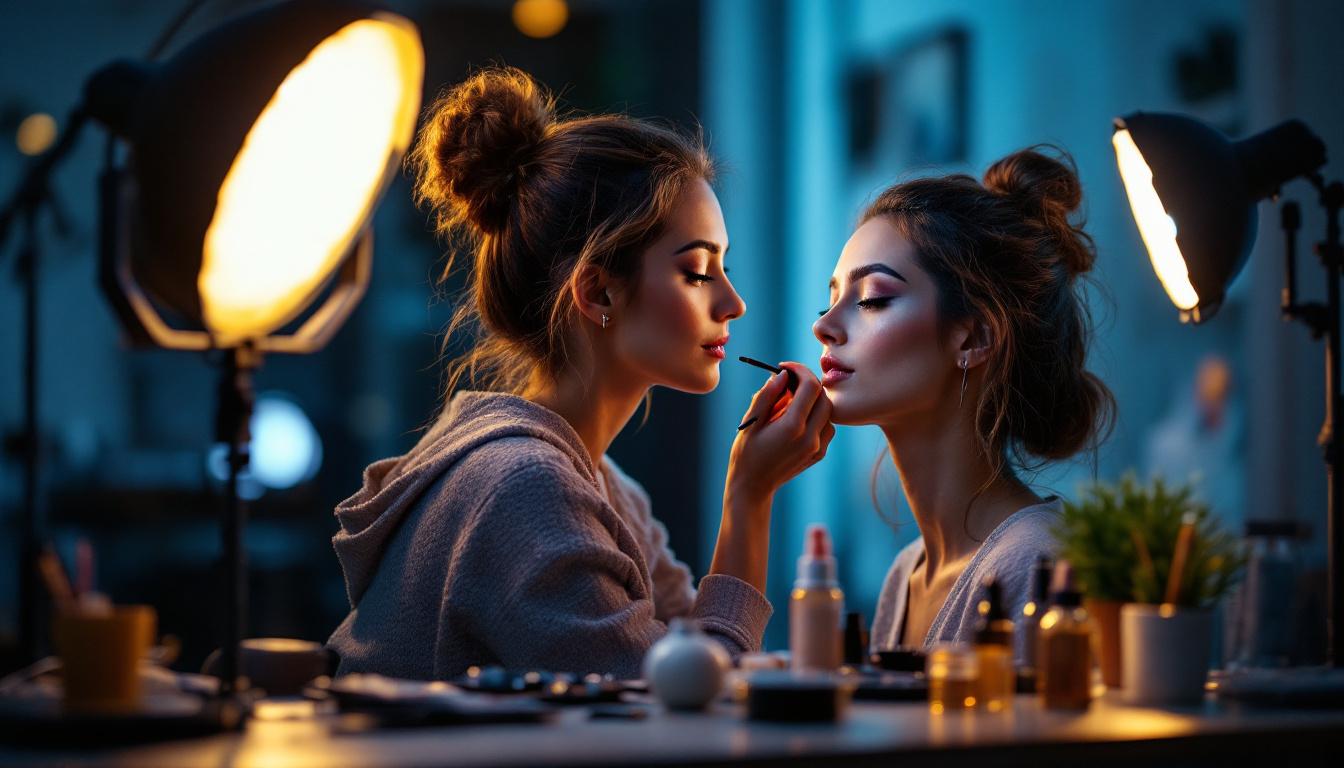
Shadows can be a makeup artist’s worst enemy. Uneven lighting creates shadows that obscure details and make it difficult to apply makeup evenly. Lighting contractors must understand the importance of even, shadow-free illumination. This is often achieved through the strategic placement of multiple light sources around the mirror or vanity area, commonly in a three-point or five-point lighting setup.
Fixtures should be positioned to minimize shadows on the face, typically by placing lights at eye level on either side of the mirror and sometimes a light above the mirror to fill in any remaining shadows. The goal is to create a soft, diffused light that evenly illuminates the face from multiple angles.
Key Specifications for Makeup Lighting Fixtures
Color Rendering Index (CRI) and Color Temperature
As mentioned, CRI is a critical specification. Lighting contractors should prioritize fixtures with a CRI of 90 or higher, as this ensures that colors are rendered accurately. Lower CRI values can cause colors to appear dull or distorted, which is unacceptable in professional makeup settings.
Color temperature, measured in Kelvins (K), affects the warmth or coolness of the light. For makeup lighting, a neutral to daylight color temperature between 5000K and 6500K is ideal. This range closely replicates natural daylight and helps makeup artists see colors as they will appear in various lighting conditions outside the studio.
Lumens and Brightness Levels
Brightness is another important factor. Makeup lighting should be bright enough to illuminate the face clearly without causing discomfort or glare. Typically, lighting fixtures for makeup application provide between 800 to 1600 lumens per fixture, depending on the size of the space and the number of fixtures used.
Lighting contractors should consider dimmable fixtures to allow makeup artists to adjust brightness levels according to their needs and ambient lighting conditions. This flexibility can enhance comfort and precision during makeup application.
Fixture Types and Styles
Several types of fixtures are popular in professional makeup lighting setups. LED bulbs are the most common due to their energy efficiency, longevity, and ability to produce high-quality light with excellent color rendering. LED fixtures also generate less heat, which is beneficial in close proximity to the face.
Vanity mirror lights, often arranged in a row or around the perimeter of the mirror, provide the classic makeup lighting setup. Some contractors opt for integrated LED panels or ring lights, which offer uniform illumination and reduce shadows effectively. The choice of fixture style should balance aesthetics, functionality, and ease of installation.
Installation Best Practices for Makeup Lighting
Positioning and Mounting
Correct positioning is vital to achieving optimal makeup lighting. Fixtures should be mounted at or near eye level to provide direct, even illumination on the face. Side-mounted lights on either side of the mirror help eliminate shadows, while overhead lighting can fill in any remaining dark areas.
Contractors should avoid placing lights too high or too low, as this can create unwanted shadows or glare. Adjustable fixtures or mounting brackets can offer flexibility to fine-tune the lighting after installation.
Wiring and Power Considerations
Makeup lighting fixtures often require multiple power sources due to the number of lights used in a typical setup. Lighting contractors should plan for sufficient circuits and ensure that wiring complies with local electrical codes. Using dimmable LED drivers and compatible dimmer switches is recommended to provide adjustable lighting levels.
In commercial settings such as salons or studios, centralized control systems may be employed to manage multiple lighting zones efficiently. Contractors should coordinate with the client and other trades to integrate lighting controls seamlessly.
Maintenance and Longevity
LED fixtures are favored not only for their light quality but also for their long lifespan and low maintenance requirements. However, lighting contractors should advise clients on proper maintenance practices, such as regular cleaning of fixtures and timely replacement of bulbs or components when necessary.
Ensuring easy access to fixtures during installation can simplify future maintenance and reduce downtime. Additionally, selecting fixtures from reputable manufacturers with solid warranties can provide peace of mind for both contractors and clients.
Common Challenges and Solutions
Dealing with Glare and Reflections
Glare can cause discomfort and hinder makeup application. To mitigate this, contractors can specify fixtures with diffusers or frosted lenses that soften the light output. Positioning lights slightly away from the direct line of sight also helps reduce glare.
Reflections on mirrors or glossy surfaces can be minimized by using anti-reflective coatings on mirrors and careful fixture placement. Adjustable fixtures allow users to fine-tune angles to avoid unwanted reflections.
Balancing Ambient and Task Lighting
Makeup lighting is a form of task lighting, but it must coexist with ambient lighting in the room. Contractors should design lighting systems that provide sufficient task lighting without overpowering the ambient environment. Layered lighting approaches, combining general room lighting with dedicated makeup fixtures, create balanced and comfortable spaces.
Using dimmers and separate control circuits for ambient and task lighting allows users to customize the lighting environment based on time of day and activity.
Adapting to Different Spaces and Client Needs
Every makeup environment is unique. Lighting contractors must assess the specific requirements of each space, considering factors like room size, wall colors, mirror placement, and client preferences. Customizable lighting solutions, including adjustable fixtures and variable color temperature options, can accommodate diverse needs.
Consulting with makeup artists or salon owners during the design phase ensures that the lighting system supports their workflow and aesthetic goals.
Emerging Trends in Professional Makeup Lighting
Smart Lighting and Color Tunability
Advancements in LED technology have introduced smart lighting fixtures capable of adjusting color temperature and brightness via smartphone apps or integrated control systems. This flexibility allows makeup artists to simulate different lighting conditions, such as daylight, evening light, or studio flash, enhancing their ability to prepare clients for various settings.
Lighting contractors should familiarize themselves with these technologies to offer modern, adaptable solutions that meet evolving industry demands.
Energy Efficiency and Sustainability
Energy-efficient lighting is increasingly important in commercial environments. LED fixtures consume significantly less power than traditional incandescent or fluorescent bulbs, reducing operational costs and environmental impact. Selecting fixtures with ENERGY STAR certification or similar ratings can demonstrate a commitment to sustainability.
Lighting contractors can advise clients on the long-term benefits of energy-efficient makeup lighting, including reduced heat output and lower maintenance expenses.
Integration with Interior Design
Makeup lighting fixtures are no longer purely functional; they also contribute to the overall aesthetic of a space. Contemporary designs emphasize sleek, minimalist fixtures that blend seamlessly with modern interiors. Contractors should consider fixture finishes, shapes, and mounting styles that complement the client’s design vision.
Collaborating with interior designers can help ensure that lighting solutions enhance both the functionality and beauty of makeup environments.
Conclusion: Empowering Lighting Contractors with Expertise
Professional makeup lighting is a specialized field that demands a thorough understanding of color science, fixture technology, and installation best practices. For lighting contractors, mastering these elements is crucial to delivering lighting systems that enable makeup artists to perform at their best and clients to feel confident in their appearance.
By prioritizing high CRI fixtures, appropriate color temperatures, thoughtful placement, and modern technologies, contractors can create lighting environments that meet the exacting standards of the beauty industry. Staying informed about emerging trends and maintaining open communication with clients ensures that lighting solutions remain relevant and effective.
Ultimately, demystifying professional makeup lighting fixtures equips lighting contractors with the tools and knowledge to elevate their projects and contribute meaningfully to the success of makeup professionals and their clients.
Illuminate Your Projects with LumenWholesale
Ready to take your professional makeup lighting projects to the next level? Choose LumenWholesale for an unparalleled selection of high CRI fixtures, perfectly balanced color temperatures, and the latest in lighting technology. Our commitment to quality, affordability, and convenience sets us apart, ensuring you have access to the best value in spec-grade lighting products. Say goodbye to middleman markups and hello to hassle-free bulk buying with free shipping. Elevate your lighting solutions today by visiting Wholesale Lighting at the Best Value and experience the LumenWholesale difference.