Understanding the Unique Challenges of Porch Solar Lighting
Porch solar lights might seem straightforward at first glance—install a solar panel, connect a light, and let the sun do the rest. However, for lighting contractors, the reality is far more nuanced. Unlike standard outdoor lighting, porch solar lights rely entirely on solar energy, which introduces variables that can affect performance and client satisfaction.
One common misconception is that all solar lights perform equally well in any outdoor setting. Porch areas often present specific challenges such as limited sunlight exposure due to overhangs, trees, or neighboring structures. These factors can drastically reduce the solar panel’s ability to charge the battery, leading to dim or non-functional lighting after dusk.
Additionally, the aesthetics and durability expectations for porch lighting are higher than for other outdoor spaces. Clients expect their porch to be both welcoming and secure, which means the lighting must be reliable, attractive, and weather-resistant. Understanding these challenges upfront can save contractors from costly callbacks and unhappy customers.
Moreover, the choice of solar technology plays a crucial role in the overall effectiveness of porch lighting. Different types of solar panels, such as monocrystalline and polycrystalline, have varying efficiencies and performance characteristics. Contractors must educate their clients about these options, helping them understand that while monocrystalline panels may be more expensive, they often yield better performance in shaded conditions. This knowledge can empower clients to make informed decisions that align with their specific porch environment.
Another important consideration is the seasonal variation in sunlight availability. In regions with long winters or heavy cloud cover, solar lights may struggle to maintain consistent brightness levels. Therefore, it’s essential for contractors to discuss the potential need for supplemental lighting solutions or to recommend solar lights with larger battery capacities that can store more energy for extended use. By addressing these factors proactively, contractors can enhance the functionality of porch solar lights and ensure they meet the needs of their clients throughout the year.
Choosing the Right Solar Light Components
Solar Panels: Efficiency and Placement
The solar panel is the heart of any solar lighting system. For porch installations, selecting a high-efficiency panel is critical. Panels with monocrystalline cells tend to offer better performance in low-light conditions compared to polycrystalline alternatives. This is especially important when the porch receives partial shade during the day.
Placement of the solar panel demands careful consideration. It should be positioned where it receives the most direct sunlight, even if that means mounting it away from the porch itself. Running discreet wiring from the panel to the light can maintain aesthetics while optimizing energy capture. Additionally, it’s wise to periodically check for any obstructions, such as overgrown branches or debris, that could block sunlight from reaching the panel. Regular maintenance ensures that the system operates at peak efficiency throughout the seasons, maximizing energy production and extending the lifespan of the solar components.
Battery Selection: Longevity and Capacity
Battery technology plays a pivotal role in the reliability of porch solar lights. Lithium-ion batteries have become the preferred choice due to their longer life cycles and better charge retention compared to older nickel-metal hydride or lead-acid batteries. They also perform better in varying temperatures, which is crucial for outdoor environments.
Capacity matters as well. A battery that is too small will drain quickly, leaving the porch dark early in the evening. Contractors should calculate the expected run time based on the light’s wattage and the client’s usage needs, then select a battery with sufficient capacity to meet those demands. Furthermore, incorporating a battery management system can enhance performance by preventing overcharging and deep discharging, which can significantly extend the battery’s overall lifespan. This proactive approach not only ensures consistent lighting but also provides peace of mind for homeowners, knowing their outdoor space will remain illuminated when needed.
Lighting Fixtures: Style Meets Function
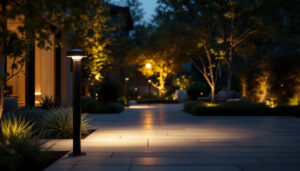
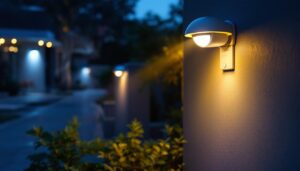
The fixture itself must balance style with functionality. Porch lighting often serves both decorative and security purposes. Fixtures should be rated for outdoor use, with appropriate IP ratings to resist moisture and dust. Additionally, choosing LED bulbs ensures energy efficiency and longer lifespan, reducing maintenance calls.
When selecting fixtures, consider the overall design and architecture of the home. Styles range from modern sleek designs to vintage lanterns, allowing homeowners to express their personal taste while enhancing curb appeal. Moreover, the color temperature of the bulbs can also impact the ambiance; warmer tones create a cozy atmosphere, while cooler tones can lend a more contemporary feel. It’s also beneficial to explore fixtures with adjustable brightness settings or motion sensors, which can provide added security and energy savings by ensuring lights only activate when needed. This thoughtful combination of aesthetics and practicality can transform a simple porch into an inviting and safe outdoor retreat.
Installation Best Practices to Avoid Common Pitfalls
Site Assessment and Client Education
Before installation, a thorough site assessment is indispensable. Evaluate sunlight patterns throughout the day, potential obstructions, and the client’s lighting preferences. This step helps set realistic expectations and informs the optimal placement of solar panels and fixtures.
Clients often assume solar lights will operate flawlessly regardless of conditions. Educating them about the impact of weather, seasonal changes, and shading can prevent misunderstandings and dissatisfaction. For instance, during winter months, shorter days and lower sun angles can significantly reduce solar energy absorption. Providing clients with a seasonal performance overview can help them understand the natural variations in light output, ensuring they remain satisfied with their system year-round. Additionally, discussing maintenance schedules for cleaning panels and checking battery health can empower clients to take an active role in the longevity of their solar lighting systems.
Wiring and Mounting Techniques
Running wiring from the solar panel to the porch light requires skill to maintain both functionality and aesthetics. Use UV-resistant cables and secure them properly to avoid damage from weather or pests. Conceal wiring where possible to preserve the visual appeal of the porch. This not only enhances the overall look but also protects the wiring from potential wear and tear caused by exposure to the elements. Consider using cable conduits or decorative covers that blend with the architecture of the home, which can add an extra layer of protection while maintaining a polished appearance.
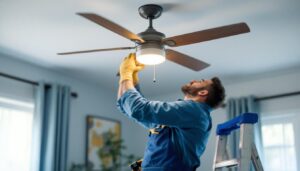
Mounting the fixture securely is equally important. Loose fixtures can lead to damage or safety hazards. Use appropriate anchors and ensure the fixture is level and stable. For panels, adjustable mounts allow fine-tuning the angle to maximize sun exposure. It’s also beneficial to conduct a wind load assessment, especially in areas prone to high winds. This ensures that the mounting system can withstand environmental stresses, thereby prolonging the lifespan of the installation. Furthermore, selecting fixtures with robust materials designed to endure outdoor conditions can significantly reduce the need for future repairs or replacements.
Testing and Troubleshooting on Site
After installation, testing the system under actual conditions is crucial. Verify that the battery charges fully during the day and that the light operates as expected at night. If issues arise, troubleshoot immediately—common problems include poor panel alignment, loose connections, or faulty batteries. It is also wise to monitor the system over the first few weeks to ensure consistent performance, as this period can reveal hidden issues that may not be immediately apparent. Encourage clients to keep a log of the system’s performance, noting any irregularities in brightness or charging times, which can help in diagnosing problems early.
Additionally, familiarize clients with the indicators on their solar lights, such as charge status lights or remote monitoring apps, if available. This knowledge empowers them to troubleshoot minor issues independently and fosters a sense of ownership over their solar lighting system. Providing a comprehensive user manual that outlines common troubleshooting steps can also enhance their confidence in managing the system, ensuring they feel supported long after the installation is complete.
Maintenance Strategies for Long-Term Performance
Solar porch lights require less maintenance than wired systems but are not maintenance-free. Regular cleaning of solar panels to remove dust, leaves, or bird droppings can significantly improve charging efficiency. Panels should be wiped with a soft cloth and mild detergent if necessary.
Battery health should be monitored, especially in climates with extreme temperatures. Over time, batteries degrade and will need replacement. Establishing a maintenance schedule with clients can extend the lifespan of the system and maintain optimal performance.
Inspect fixtures periodically for signs of wear, corrosion, or water ingress. Prompt repairs prevent minor issues from escalating into costly replacements.
Addressing Common Client Concerns and Expectations
Lighting Duration and Brightness
Clients often expect porch solar lights to shine brightly all night. While modern LED fixtures and quality batteries can provide 6 to 10 hours of illumination, this depends heavily on sunlight availability and system design. Setting realistic expectations about lighting duration and brightness is key to client satisfaction.
Weather Resistance and Durability
Porch lights face exposure to rain, wind, and temperature fluctuations. Selecting fixtures with at least an IP44 rating ensures protection against splashing water and solid objects larger than 1mm. For harsher environments, IP65 or higher may be necessary.
Materials such as powder-coated aluminum or stainless steel offer better corrosion resistance than plastic or untreated metals. Discussing these options with clients upfront helps avoid complaints related to premature wear.
Security and Safety Considerations
Porch lighting often doubles as a security feature. Bright, motion-activated solar lights can deter intruders and improve safety. However, motion sensors consume more power and may require larger batteries or additional panels.
Contractors should evaluate the client’s security needs and recommend appropriate lighting solutions, balancing energy consumption with effectiveness.
Leveraging Technology and Trends
Advancements in solar technology continue to improve the reliability and appeal of porch solar lights. Smart lighting systems that integrate with home automation allow clients to control lights remotely, adjust brightness, or set schedules. These features enhance convenience and energy management.
Contractors can differentiate their services by offering smart solar lighting options, but must ensure compatibility with the solar power system and educate clients on setup and usage.
Additionally, solar lights with integrated cameras or alarms provide added security, appealing to homeowners seeking multifunctional porch solutions.
Final Thoughts for Lighting Contractors
Porch solar lighting presents a unique set of challenges and opportunities. Success depends on careful product selection, meticulous installation, proactive maintenance, and clear communication with clients. By avoiding common pitfalls-such as poor panel placement, undersized batteries, or neglecting client education-contractors can deliver reliable, attractive, and energy-efficient lighting solutions.
Staying informed about new technologies and evolving client expectations will keep contractors competitive in this growing market segment. Ultimately, a well-executed porch solar lighting installation not only enhances curb appeal but also builds trust and long-term relationships with clients.
Illuminate Your Projects with LumenWholesale
Ready to elevate your porch solar lighting installations with the best in the business? Look no further than LumenWholesale. Our commitment to quality and affordability ensures that you have access to the finest spec-grade lighting products at wholesale prices that simply can’t be beaten. Say goodbye to local distributor markups and hello to a vast selection of reliable, high-performance lighting that meets the highest industry standards. Plus, with free shipping on bulk orders, you can stock up on premium lighting solutions without worrying about hidden fees. Don’t compromise on quality or value—choose LumenWholesale for Wholesale Lighting at the Best Value and light up your clients’ porches with confidence.