Understanding the Importance of Grow Lighting in Greenhouses
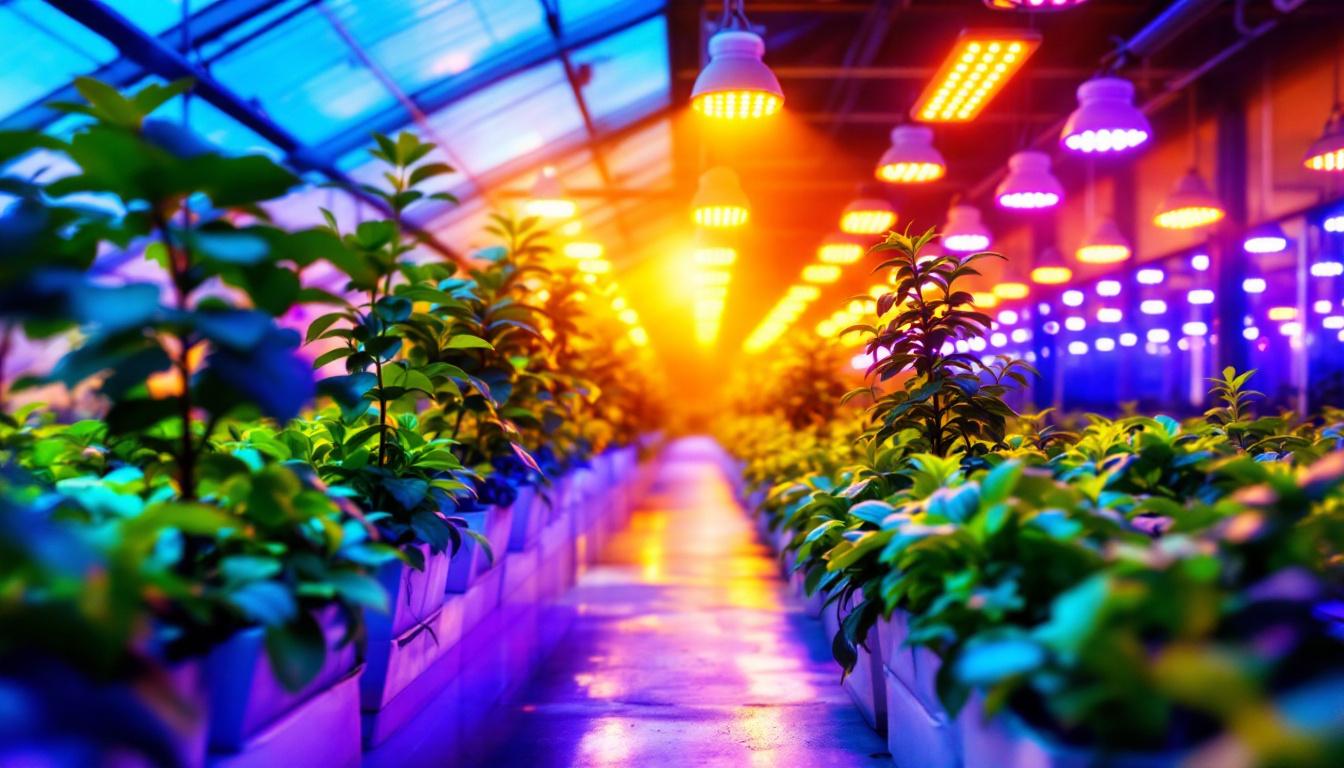
Greenhouse cultivation has revolutionized modern agriculture by enabling year-round production, controlled environments, and optimized plant growth. Central to this success is the strategic use of grow lighting, which supplements or replaces natural sunlight to ensure plants receive the necessary light spectrum and intensity for photosynthesis.
For lighting contractors, understanding the nuances of greenhouse grow lighting is essential. This knowledge not only helps in designing and installing efficient lighting systems but also plays a critical role in reducing operational costs and minimizing environmental impact. Energy-efficient grow lighting solutions can significantly influence the profitability and sustainability of greenhouse operations. By employing technologies such as LED lighting, contractors can provide tailored solutions that meet the specific needs of various crops while also lowering energy consumption and greenhouse gas emissions.
The Role of Light in Plant Growth
Plants rely on light primarily for photosynthesis, the process by which they convert light energy into chemical energy to fuel growth. The quality, intensity, duration, and spectrum of light all influence plant development stages such as germination, flowering, and fruiting.
In greenhouses, natural sunlight is often supplemented with artificial lighting to compensate for seasonal changes, cloudy days, or to extend photoperiods. Lighting contractors must recognize how different plants respond to varying light conditions to tailor lighting systems that optimize growth while conserving energy. For instance, certain crops like tomatoes and peppers thrive under specific light wavelengths that promote flowering and fruit set, while leafy greens may require a different light spectrum for optimal leaf development. Understanding these nuances allows for the creation of customized lighting schedules that can enhance crop yields and quality.
Moreover, the integration of smart lighting technologies, such as automated systems that adjust light intensity based on real-time data from environmental sensors, is becoming increasingly popular in greenhouse settings. These systems not only ensure that plants receive the right amount of light at the right time but also contribute to energy savings by reducing unnecessary light exposure during peak daylight hours. As the agricultural industry continues to evolve, the role of innovative grow lighting solutions will be pivotal in meeting the growing demand for sustainable food production.
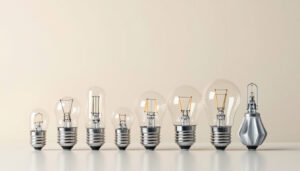
Types of Grow Lighting Technologies
Choosing the right lighting technology is a critical decision for greenhouse projects. Each type of grow light offers distinct advantages and challenges related to energy consumption, heat output, spectral quality, and lifespan.
High-Pressure Sodium (HPS) Lights
Historically, HPS lights have been the standard in greenhouse lighting due to their high luminous efficacy and strong output in the red and orange spectrum, which supports flowering and fruiting. However, HPS lights consume significant energy and generate considerable heat, which can increase cooling costs and limit placement options within the greenhouse.
While still prevalent, HPS technology is gradually being replaced by more energy-efficient alternatives. Moreover, the shift away from HPS is not solely driven by energy concerns; growers are also increasingly aware of the environmental impact of their operations. As sustainability becomes a priority, many are exploring options that not only reduce energy consumption but also lower their carbon footprint, making the transition to newer technologies even more appealing.
Light Emitting Diodes (LEDs)
LED grow lights have emerged as the leading technology for energy-efficient greenhouse lighting. They offer several benefits over traditional lighting:
- Energy Efficiency: LEDs consume up to 50% less energy than HPS lights for comparable light output.
- Customizable Spectrum: LEDs can be engineered to emit specific wavelengths tailored to plant species and growth stages, improving photosynthetic efficiency.
- Lower Heat Emission: Reduced heat output minimizes cooling requirements and allows closer placement to plants.
- Longevity: LEDs have longer lifespans, reducing maintenance and replacement costs.
For lighting contractors, integrating LED systems requires understanding the optimal spectral mixes and dimming controls to maximize plant growth and energy savings. Furthermore, the flexibility of LED systems allows for innovative designs, such as vertical farming setups, where space is at a premium. This adaptability makes LEDs an excellent choice for urban agriculture initiatives, where maximizing yield per square foot is essential.
Fluorescent and Compact Fluorescent Lights (CFLs)
Fluorescent lighting, including CFLs, is typically used for seedlings and propagation due to their lower intensity and cooler operation. While less energy-efficient than LEDs, they are still relevant for specific applications within greenhouses where gentle lighting is preferred.
In addition to their use in seedling stages, fluorescent lights are also favored for growing leafy greens and herbs, as they provide a soft light that encourages healthy leaf development without the risk of scorching young plants. Their ability to be easily arranged in various configurations allows growers to create optimal lighting setups tailored to the specific needs of different crops. Moreover, with advancements in technology, newer fluorescent options, such as T5 tubes, have improved efficiency and output, making them a viable choice for many greenhouse operations looking to balance cost and performance.
Energy Efficiency Strategies for Greenhouse Lighting
Energy consumption is one of the largest operational expenses in greenhouse management. Lighting contractors play a pivotal role in implementing energy-efficient solutions that balance plant needs with cost savings. As the demand for sustainable practices grows, the importance of energy efficiency in greenhouse lighting becomes increasingly apparent, not only for reducing operational costs but also for minimizing the environmental impact of agricultural practices.
Optimizing Light Spectrum and Intensity
Plants respond differently to various wavelengths of light. For example, blue light encourages vegetative growth, while red light promotes flowering and fruiting. By tailoring the light spectrum to the crop’s growth stage, growers can reduce wasted energy from unnecessary wavelengths. Understanding the specific light requirements of different plant species allows for more targeted interventions, leading to healthier plants and higher yields.
Advanced LED systems allow precise control over spectral output, enabling dynamic adjustments that optimize photosynthesis and energy use. Additionally, these systems can be programmed to mimic natural light cycles, further enhancing plant growth and development. The ability to customize light intensity and duration not only conserves energy but also fosters an environment where plants can thrive, potentially leading to shorter growing cycles and increased profitability for growers.
Implementing Lighting Controls and Automation
Automated lighting controls, including timers, dimmers, and sensors, are essential tools for energy efficiency. Photoperiod control ensures plants receive light only when necessary, while dimming capabilities adjust intensity based on ambient light levels. This level of automation not only streamlines operations but also allows growers to focus on other critical aspects of greenhouse management.
Integration with environmental sensors can further enhance efficiency by coordinating lighting with temperature, humidity, and CO2 levels, creating a holistic approach to plant growth and resource management. For instance, when sensors detect higher humidity levels, the system can automatically reduce light intensity, thus preventing excessive transpiration and conserving water. This interconnected approach not only optimizes energy use but also creates a more stable growing environment, which is crucial for maximizing crop quality and yield.
Utilizing Daylight Harvesting
Daylight harvesting involves using natural sunlight to its fullest potential and supplementing it with artificial lighting only when required. This strategy reduces energy consumption by adjusting artificial light output in response to available daylight. By incorporating large windows or skylights, growers can enhance the amount of natural light entering the greenhouse, further minimizing reliance on artificial sources.
For lighting contractors, designing systems that incorporate daylight sensors and adaptive controls is crucial for maximizing energy savings without compromising plant growth. These systems can be programmed to gradually increase artificial light as daylight decreases, ensuring that plants receive consistent lighting throughout the day. Furthermore, utilizing reflective materials within the greenhouse can help distribute natural light more evenly, reducing the need for additional artificial lighting and contributing to a more energy-efficient growing environment.
Design Considerations for Lighting Contractors
Successful greenhouse lighting projects require a comprehensive approach that considers plant biology, energy efficiency, and operational practicality.
Assessing Crop Requirements
Different crops have unique light intensity and spectral needs. Leafy greens may require high blue light ratios for compact growth, while fruiting plants benefit from increased red light. Understanding these requirements is fundamental to selecting and configuring lighting systems.
System Layout and Fixture Placement
Proper fixture placement ensures uniform light distribution, preventing hotspots and shaded areas that can lead to uneven crop development. Lighting contractors must account for greenhouse dimensions, plant spacing, and canopy height when designing layouts.
Additionally, mounting height and angle influence light penetration and energy efficiency. Adjustable fixtures can provide flexibility as crops grow or change.
Heat Management and Ventilation
While LEDs produce less heat than traditional lighting, heat dissipation remains an important consideration to maintain optimal greenhouse temperatures. Lighting contractors should collaborate with HVAC specialists to ensure lighting systems complement ventilation and cooling strategies.
Electrical Infrastructure and Safety
Greenhouse environments are often humid and prone to condensation, which can affect electrical components. Selecting fixtures with appropriate ingress protection (IP) ratings and ensuring proper wiring and grounding are critical for safety and longevity.
Emerging Trends and Innovations in Greenhouse Grow Lighting
The field of greenhouse lighting continues to evolve rapidly, driven by technological advances and increasing demand for sustainable agriculture.
Dynamic Spectrum Lighting
New LED systems offer dynamic spectrum capabilities, allowing growers to modify light quality in real-time to match plant developmental stages or respond to environmental conditions. This adaptability can improve crop yields and reduce energy consumption.
Integration with IoT and Smart Systems
Internet of Things (IoT) technology is enabling smart greenhouses where lighting systems communicate with sensors and control platforms. Lighting contractors are increasingly called upon to install and maintain these integrated systems that optimize resource use and provide actionable data analytics.
Energy Harvesting and Renewable Integration
Combining greenhouse lighting with renewable energy sources such as solar panels can further reduce the carbon footprint of greenhouse operations. Energy storage solutions and smart grid integration are becoming important considerations for large-scale projects.
Conclusion: The Contractor’s Role in Advancing Energy-Efficient Greenhouse Lighting
Lighting contractors hold a vital position in the transition toward sustainable greenhouse agriculture. By leveraging their expertise in lighting technologies, energy management, and system design, they can deliver solutions that enhance plant growth, reduce operational costs, and minimize environmental impact.
Staying informed about the latest lighting innovations, understanding plant-specific requirements, and adopting smart control strategies are essential for contractors aiming to provide value-driven and energy-efficient greenhouse lighting systems. As the industry continues to evolve, proactive engagement with these trends will ensure contractors remain indispensable partners in greenhouse success.
Illuminate Your Greenhouse Projects with LumenWholesale
Ready to elevate your greenhouse lighting solutions with the most energy-efficient and cost-effective options on the market? Look no further than LumenWholesale, where we specialize in equipping lighting contractors like you with the highest quality, spec-grade lighting products. Our commitment to affordability and excellence means you can access the best lighting technologies without the burden of inflated costs. With free shipping on bulk orders, LumenWholesale is your go-to source for premium lighting that meets the rigorous demands of modern greenhouse agriculture. Enhance your projects and optimize plant growth with our reliable lighting solutions. Discover the ideal balance of quality, value, and convenience by visiting Wholesale Lighting at the Best Value today.