Understanding the Impact of Outdoor Uplighting on Residential Spaces
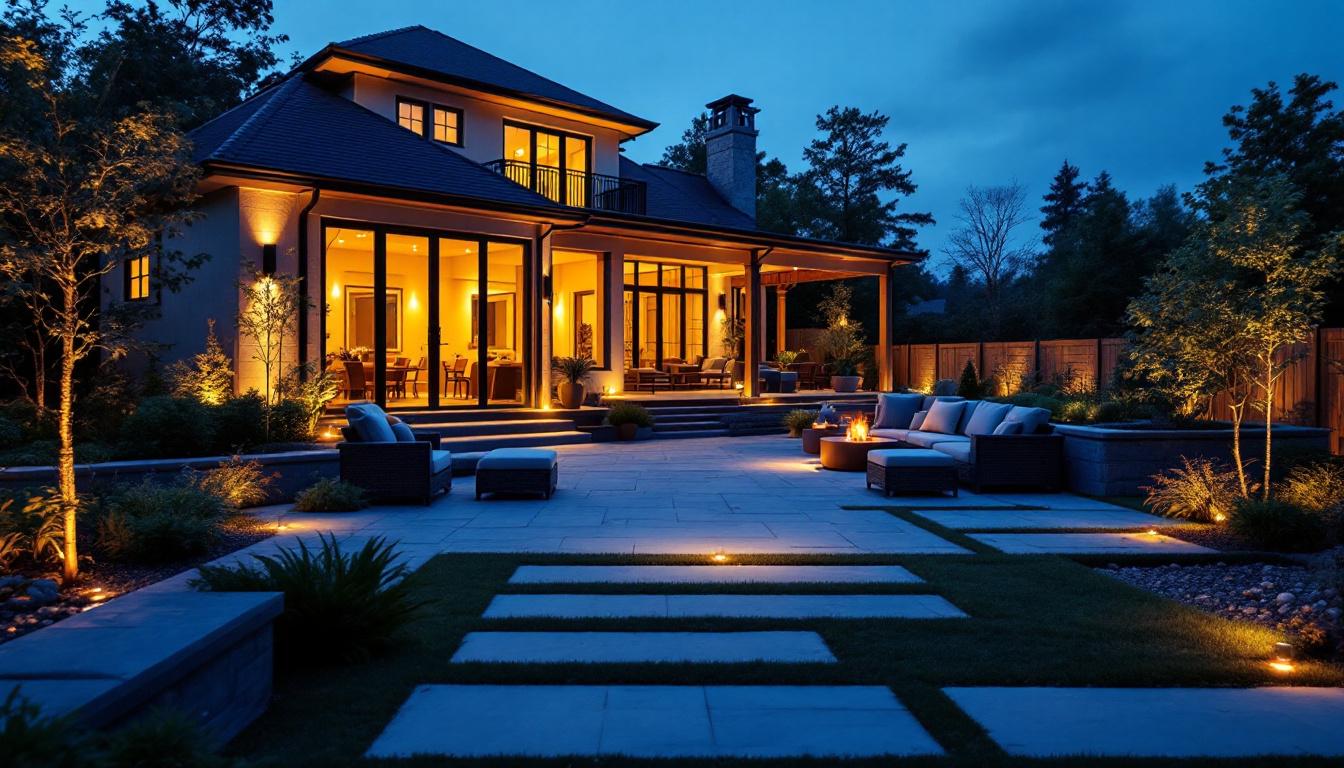
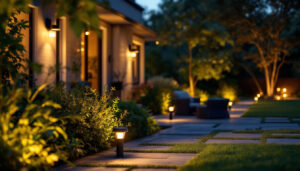
Outdoor uplighting has become an essential technique for enhancing the architectural beauty and security of residential properties. For lighting contractors, mastering the art of uplighting not only elevates the home’s curb appeal but also adds value through functional illumination. The strategic placement of uplights can highlight textures, create depth, and emphasize landscaping features, transforming an ordinary façade into an extraordinary visual experience after dark.
Studies show that well-designed outdoor lighting can increase a home’s perceived value by up to 15%, making uplighting a worthwhile investment for homeowners. Contractors who understand how to balance aesthetics with energy efficiency and safety considerations are in high demand. This makes it critical to stay updated on the latest lighting technologies, materials, and design principles.
Moreover, the impact of uplighting extends beyond mere aesthetics; it plays a significant role in enhancing safety and security around the home. Well-lit pathways and entryways deter potential intruders while providing a welcoming atmosphere for guests. By illuminating these areas, homeowners not only create a more inviting environment but also reduce the risk of accidents caused by poor visibility. The psychological effect of well-lit spaces cannot be underestimated, as they foster a sense of comfort and security, encouraging outdoor activities even after sunset.
In addition to safety, uplighting can be tailored to complement various architectural styles and landscaping elements. For instance, modern homes benefit from sleek, minimalist fixtures that accentuate clean lines, while traditional homes may call for warm, vintage-style lights that enhance their classic charm. The choice of color temperature and fixture design can significantly affect the overall ambiance, allowing homeowners to create a mood that reflects their personal style. Furthermore, integrating smart lighting systems can provide homeowners with the flexibility to adjust brightness levels and colors remotely, adapting the outdoor atmosphere to suit different occasions or seasons.
Choosing the Right Fixtures and Bulbs for Outdoor Uplighting
Fixture Types and Materials
When selecting fixtures for outdoor uplighting, durability and weather resistance are paramount. Fixtures made from corrosion-resistant materials such as brass, copper, or powder-coated aluminum are preferred for longevity. Additionally, IP ratings (Ingress Protection) should be carefully considered; an IP65 rating or higher ensures protection against dust and water jets, making the fixture suitable for outdoor environments. The choice of material not only affects the fixture’s lifespan but also its aesthetic appeal, as different finishes can complement various architectural styles.
Lighting contractors should also consider fixture size and beam angle. Narrow beam angles (10°–25°) are ideal for accentuating architectural details, while wider beams (40°–60°) work well for illuminating larger areas like garden walls or tree trunks. Adjustable fixtures provide flexibility for fine-tuning the lighting effect during installation. Furthermore, the placement of fixtures should be strategically planned to avoid harsh shadows and to create a balanced lighting scheme that enhances the overall landscape design. Incorporating features such as glare shields can also help direct light where it is needed most while minimizing light pollution in the surrounding area.
LED Bulbs: Efficiency and Color Quality
LED technology dominates outdoor uplighting due to its energy efficiency, long lifespan, and low maintenance requirements. Contractors should specify LED bulbs with a high Color Rendering Index (CRI) — ideally above 80 — to ensure colors appear natural and vibrant under the light. Warm white color temperatures (2700K to 3000K) are generally preferred for residential settings as they create a welcoming and cozy ambiance. However, for more dramatic effects, cooler temperatures (3500K to 5000K) can be employed to highlight modern architectural features or to create a more dynamic nighttime landscape.
Moreover, dimmable LEDs allow homeowners to customize lighting intensity, enhancing versatility. Incorporating smart lighting controls can further optimize energy use and convenience, enabling scheduled or remote operation. This technology can also facilitate the integration of motion sensors, which not only improve security by illuminating pathways when movement is detected but also contribute to energy savings by ensuring lights are only on when needed. Additionally, the use of color-changing LED bulbs can add an exciting element to outdoor spaces, allowing homeowners to adjust the mood or theme of their lighting for special occasions or seasonal celebrations.
Design Principles for Effective Outdoor Uplighting
Highlight Architectural Features
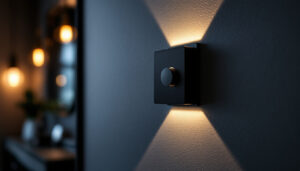
One of the primary goals of outdoor uplighting is to accentuate the unique architectural elements of a home. Columns, textured walls, entryways, and decorative moldings can all benefit from carefully directed uplights. Positioning fixtures close to these features and angling the light upward creates dramatic shadows and highlights that add visual interest.
Contractors should avoid placing uplights too far from the target surface, as this can cause light spill and reduce the intended effect. Using multiple fixtures with overlapping beams can create a balanced wash of light that enhances the structure without overpowering it.
Incorporate Landscaping and Hardscape Elements
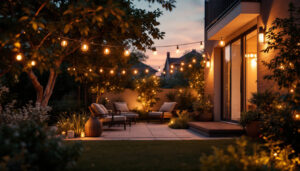
Uplighting is not limited to the house itself; it also plays a critical role in showcasing landscaping and hardscape features. Trees, shrubs, fountains, and stone pathways can be transformed with well-placed uplights. For instance, lighting the trunk and canopy of a tree from below adds dimension and creates a focal point in the yard.
Hardscape elements like retaining walls or garden sculptures benefit from subtle illumination that highlights texture without causing glare. Layering uplighting with other outdoor lighting types, such as path lights or downlights, helps create a cohesive and inviting nighttime environment.
Balance Light and Shadow
Effective uplighting is about balance. Too much light can wash out details and create glare, while too little fails to achieve the desired emphasis. Contractors should aim for a natural interplay of light and shadow that mimics daylight conditions, enhancing depth and texture.
Using shields or louvers on fixtures can help control light direction and reduce unwanted spill. Additionally, testing different angles during installation ensures that the lighting complements the home’s features without overwhelming the surroundings.
Installation Best Practices for Lighting Contractors
Site Assessment and Planning
Before installation, conducting a thorough site assessment is crucial. This includes evaluating the home’s architectural style, landscaping layout, existing electrical infrastructure, and homeowner preferences. Understanding the site’s natural light patterns and potential obstructions helps in designing a tailored uplighting plan.
Contractors should also consider local regulations regarding outdoor lighting, such as restrictions on light trespass or brightness levels. Early communication with clients about maintenance expectations and control options ensures satisfaction with the final result.
Wiring and Power Considerations
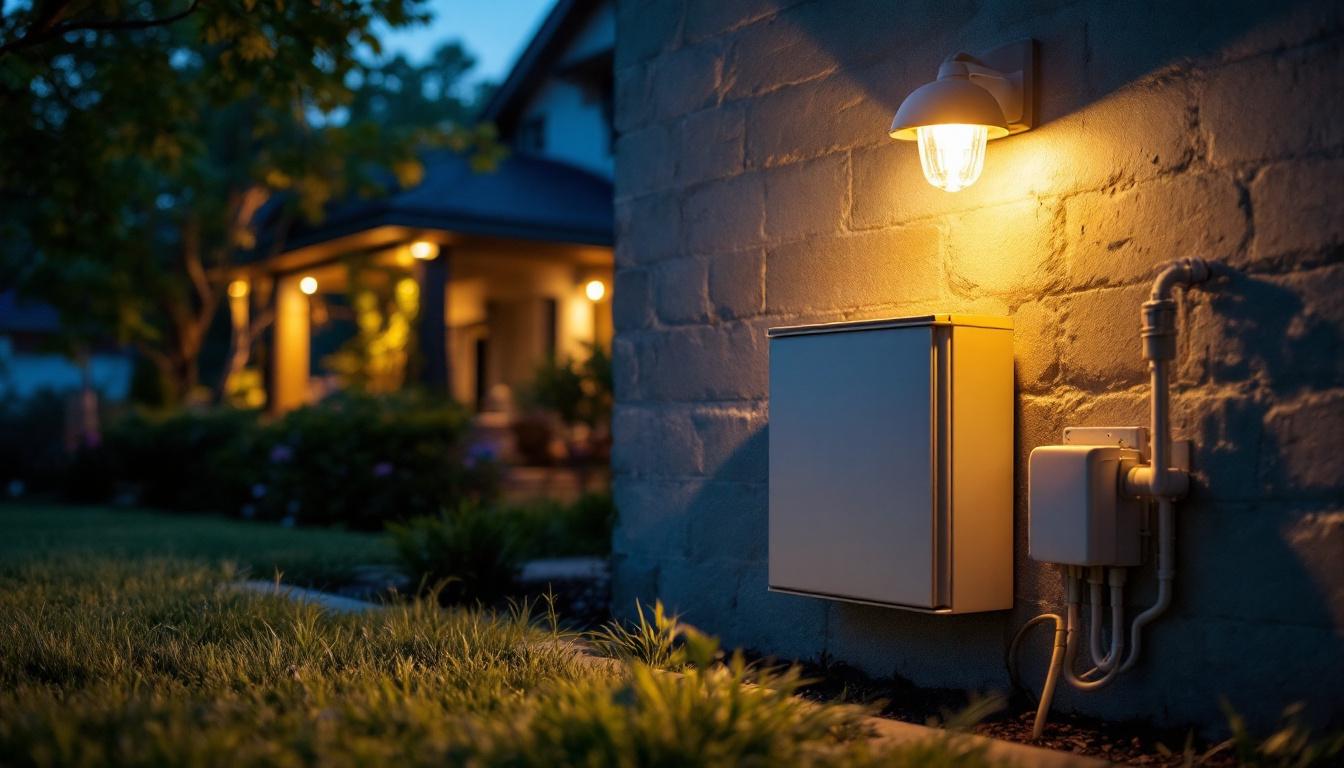
Outdoor uplighting systems typically require low-voltage wiring (12V) for safety and efficiency. Contractors must use outdoor-rated cables and connectors to withstand moisture and temperature fluctuations. Proper trenching or conduit installation protects wiring from physical damage and complies with electrical codes.
Power supply placement should minimize voltage drop, especially for longer runs. Using a transformer with sufficient capacity and incorporating surge protection safeguards the system’s longevity. Additionally, integrating timers, photocells, or smart controls enhances energy management and user convenience.
Fixture Placement and Mounting
Accurate fixture placement is essential for achieving the intended lighting effect. Marking locations during the planning phase and performing test illuminations before finalizing installation helps avoid costly adjustments later. Fixtures should be securely mounted using appropriate hardware and positioned to prevent water accumulation or debris buildup.
Contractors should also ensure that fixtures are accessible for future maintenance without disturbing landscaping or architectural elements. Using adjustable mounts facilitates fine-tuning beam direction after installation.
Maintenance and Troubleshooting Tips
Outdoor uplighting systems require periodic maintenance to maintain performance and appearance. Contractors should advise clients to clean fixtures regularly to remove dirt, leaves, and insect debris that can reduce light output. Checking for corrosion, loose connections, or damaged wiring helps prevent electrical hazards.
Common troubleshooting issues include flickering lights, which may indicate voltage fluctuations or faulty transformers, and uneven lighting caused by misaligned fixtures. Promptly addressing these problems ensures the longevity of the system and client satisfaction.
Providing clients with simple user guides for operating dimmers, timers, or smart controls empowers them to manage their outdoor lighting effectively. Offering annual maintenance contracts can also be a valuable service for lighting contractors.
Emerging Trends and Technologies in Outdoor Uplighting
Lighting contractors should stay informed about evolving trends to offer cutting-edge solutions. Advances in LED technology continue to improve color accuracy, brightness, and energy efficiency. The integration of smart home systems allows uplighting to be controlled via mobile apps, voice commands, or automated schedules, enhancing user experience.
Solar-powered uplights are gaining popularity for their sustainability and ease of installation, especially in areas where running electrical wiring is challenging. However, contractors must assess site-specific factors like sunlight availability and security needs before recommending solar options.
Dynamic lighting effects, such as color-changing LEDs or programmable scenes, enable homeowners to customize outdoor ambiance for different occasions. Contractors who master these technologies can differentiate their services and meet diverse client demands.
Conclusion: Elevating Residential Spaces with Expert Uplighting
Outdoor uplighting is a powerful tool for lighting contractors aiming to enhance residential properties both aesthetically and functionally. By selecting the right fixtures, applying sound design principles, and adhering to best installation practices, contractors can create captivating nighttime environments that delight homeowners and increase property value.
Ongoing maintenance and embracing new technologies further ensure that uplighting installations remain effective and relevant. Lighting contractors who invest in their knowledge and skills in this area position themselves as trusted experts, capable of delivering exceptional outdoor lighting solutions.
Get Your Premium Uplighting Supplies at LumenWholesale
Ready to elevate your outdoor uplighting projects with the finest lighting products on the market? Look no further than LumenWholesale. We provide contractors with exceptional, spec-grade lighting solutions at prices that can’t be beaten. Our extensive selection is designed to meet rigorous industry standards, ensuring your installations shine with reliability and performance. Plus, with free shipping on bulk orders, you can stock up on premium lighting without worrying about extra costs. Don’t compromise on quality or value. Visit LumenWholesale today and discover the ideal mix of quality, affordability, and convenience for all your lighting needs.