Understanding the Shift from Fluorescent to LED Lighting
The lighting industry has witnessed a significant transformation with the widespread adoption of LED technology. For lighting contractors, converting existing fluorescent tube fixtures to LED is not only a smart business move but also an essential service that meets the growing demand for energy-efficient and sustainable lighting solutions.
Fluorescent lighting, once the standard for commercial and industrial spaces, is gradually being phased out due to its relatively high energy consumption, shorter lifespan, and environmental concerns related to mercury content. LEDs, on the other hand, offer superior energy efficiency, longer operational life, and reduced environmental impact, making them the preferred choice for modern lighting installations.
For contractors, understanding the technical, safety, and regulatory aspects of converting fluorescent fixtures to LED is crucial. This knowledge ensures successful project execution, client satisfaction, and compliance with industry standards.
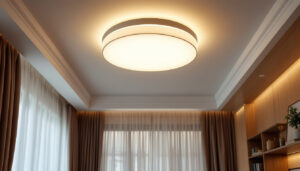
Moreover, the transition to LED lighting can significantly enhance the quality of illumination in various settings. LEDs provide a more consistent light output and are available in a range of color temperatures, allowing for greater customization based on the specific needs of a space. For instance, warmer tones can create a cozy atmosphere in restaurants and homes, while cooler tones are ideal for offices and retail environments, promoting alertness and productivity. This versatility not only meets aesthetic preferences but also supports the functional requirements of different applications.
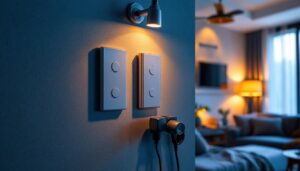
Additionally, as the technology continues to evolve, advancements such as smart lighting systems are becoming increasingly integrated with LED fixtures. These systems allow for remote control, dimming, and even automation based on occupancy or time of day, further enhancing energy savings and user convenience. For lighting contractors, staying abreast of these innovations can open up new avenues for service offerings, positioning them as leaders in the industry and helping clients maximize their return on investment in lighting solutions.
Key Benefits of Converting Fluorescent Fixtures to LED
Energy Efficiency and Cost Savings
One of the most compelling reasons to convert fluorescent fixtures to LED is the substantial reduction in energy consumption. LEDs use up to 50-70% less energy compared to traditional fluorescent tubes. This translates into significant cost savings on electricity bills for clients, which can be a strong selling point during project proposals.
Moreover, LEDs generate less heat, reducing the load on HVAC systems and further lowering operational costs. For lighting contractors, emphasizing these savings can help justify the upfront investment in LED conversion. In addition to direct energy savings, many utility companies offer rebates and incentives for businesses that switch to energy-efficient lighting solutions, further enhancing the financial benefits of LED conversion. Clients can take advantage of these programs to offset initial costs, making the transition even more appealing.
Extended Lifespan and Reduced Maintenance
Fluorescent tubes typically have a lifespan ranging from 7,000 to 15,000 hours, whereas LED tubes can last between 25,000 and 50,000 hours or more. This extended lifespan means fewer replacements and less maintenance, which is particularly advantageous for commercial and industrial clients with large lighting installations.
By converting to LED, contractors can offer clients a solution that minimizes downtime and maintenance expenses, enhancing the overall value proposition. Furthermore, the durability of LEDs means they are less prone to breakage and can withstand harsher conditions, making them ideal for environments such as warehouses or outdoor settings. This reliability not only saves money but also ensures that clients can maintain consistent lighting without interruptions, which is crucial for safety and productivity in any workspace.
Improved Lighting Quality and Flexibility
LED technology offers superior lighting quality, including better color rendering index (CRI) and a variety of color temperature options. This allows for more tailored lighting solutions that can improve workplace productivity, safety, and ambiance.
Additionally, LEDs can be easily dimmed and integrated with smart lighting controls, providing clients with greater control over their lighting environment and energy usage. The ability to adjust lighting levels according to specific tasks or times of day not only enhances comfort but can also lead to increased employee satisfaction and performance. Moreover, with advancements in smart technology, clients can monitor their energy consumption in real-time, allowing for data-driven decisions that further optimize their lighting systems and reduce waste. This level of control and customization is a significant advantage over traditional fluorescent fixtures, making LEDs a forward-thinking choice for modern lighting solutions.
Technical Considerations for LED Conversion
Types of LED Tubes and Compatibility
LED tubes designed to replace fluorescent tubes come in several types, primarily categorized as Type A (ballast compatible), Type B (ballast bypass), and Type C (external driver). Understanding these types is fundamental for contractors to select the appropriate product for each project.
- Type A (Plug and Play): These LED tubes are compatible with existing fluorescent ballasts, allowing for a straightforward replacement without rewiring. However, the lifespan of the LED may be limited by the ballast’s condition.
- Type B (Direct Wire or Ballast Bypass): These require removing or bypassing the fluorescent ballast and directly wiring the LED tube to the mains voltage. This method eliminates ballast-related failures and improves energy efficiency.
- Type C (External Driver): These systems use an external LED driver instead of a ballast. They offer enhanced performance and longer life but require more extensive rewiring and installation expertise.
Contractors must assess the existing fixtures and client preferences to determine the most suitable LED tube type, balancing ease of installation, cost, and performance.
Fixture and Wiring Assessment
Before beginning the conversion, a thorough inspection of the existing fluorescent fixtures and wiring is essential. This includes checking the condition of the fixture housing, sockets (tombstones), wiring integrity, and the presence and type of ballast.
Damaged or outdated fixtures may need replacement or repair to ensure safe and effective LED installation. Additionally, verifying that the wiring meets local electrical codes and is compatible with the chosen LED tubes is critical to avoid hazards and ensure compliance.
Electrical Safety and Compliance
Converting fluorescent fixtures to LED involves working with electrical components that must be handled with care. Contractors should adhere to all relevant electrical codes, standards, and manufacturer guidelines. This includes proper isolation of power before work, using appropriate personal protective equipment (PPE), and ensuring all connections are secure and insulated.
Furthermore, some jurisdictions require specific certifications or inspections post-installation. Staying informed about local regulations and obtaining necessary permits can prevent legal complications and enhance professional credibility.
Step-by-Step Guide to Converting Fluorescent Fixtures to LED
1. Planning and Client Consultation
Begin by discussing the project scope, client expectations, and budget. Provide detailed information about the benefits of LED conversion, potential challenges, and timelines. This stage helps set realistic expectations and fosters client trust.
2. Site Survey and Assessment
Conduct a comprehensive site survey to evaluate the existing lighting infrastructure. Document fixture types, ballast conditions, wiring layouts, and any physical constraints. This data will guide product selection and installation planning.
3. Product Selection
Choose LED tubes and related components based on the assessment. Consider factors like compatibility, lumen output, color temperature, CRI, warranty, and energy ratings. Selecting high-quality products from reputable manufacturers ensures reliability and customer satisfaction.
4. Fixture Preparation
Turn off power to the fixtures and verify with a voltage tester. Remove fluorescent tubes and, if necessary, ballasts and tombstones. Inspect and repair fixtures as needed to provide a safe and secure installation environment.
5. Wiring Modifications
For Type B or C LED tubes, rewire the fixture according to manufacturer instructions and electrical codes. This may involve bypassing or removing ballasts, rewiring sockets, and ensuring proper polarity. Double-check all connections before proceeding.
6. Installation of LED Tubes
Install the LED tubes carefully, ensuring they are securely seated in the sockets. Restore power and test the lighting to confirm proper operation. Address any flickering, dimming issues, or non-functioning tubes promptly.
7. Final Inspection and Client Walkthrough
Perform a thorough inspection to verify installation quality and safety. Walk the client through the upgraded lighting system, explaining features such as dimming controls or maintenance schedules. Provide documentation, including warranties and compliance certificates.
Common Challenges and How to Overcome Them
Ballast Compatibility Issues
Using Type A LED tubes with incompatible or failing ballasts can cause flickering or premature LED failure. To mitigate this, contractors should test ballasts before installation or recommend ballast bypass options for longer-term reliability.
Fixture Age and Condition
Older fixtures may have corroded sockets or wiring that can compromise LED performance and safety. In such cases, replacing the fixture or sockets is advisable. Proactively communicating this to clients helps manage expectations and project costs.
Electrical Code Compliance
Electrical codes can vary by region and may change over time. Staying current with these regulations through continuous education and professional networks is essential. When in doubt, consulting with electrical inspectors or engineers can prevent costly rework.
Client Education and Expectations
Some clients may expect immediate, dramatic lighting changes or may be concerned about upfront costs. Providing clear, data-driven explanations of energy savings, maintenance benefits, and return on investment helps build confidence and facilitates decision-making.
Maximizing Business Opportunities with LED Conversion Services
Marketing the Benefits to Clients
Lighting contractors can leverage the environmental and economic advantages of LED conversions in their marketing strategies. Highlighting case studies, energy savings calculations, and sustainability credentials can attract environmentally conscious clients and businesses aiming to reduce operational costs.
Offering Comprehensive Lighting Solutions
Beyond simple tube replacement, contractors can expand services to include smart lighting controls, occupancy sensors, and daylight harvesting systems. These add-ons increase project value and differentiate contractors in a competitive market.
Training and Certification
Investing in specialized training and certifications related to LED technology and energy-efficient lighting enhances credibility and expertise. Clients are more likely to trust contractors who demonstrate up-to-date knowledge and professionalism.
Partnering with Manufacturers and Suppliers
Establishing relationships with reputable LED manufacturers and distributors can provide access to the latest products, technical support, and competitive pricing. These partnerships can also lead to co-marketing opportunities and priority service.
Conclusion: Embracing LED Conversion for a Sustainable Future
For lighting contractors, converting fluorescent tube fixtures to LED represents a vital opportunity to align with industry trends, meet client demands, and contribute to environmental sustainability. Mastering the technical nuances, adhering to safety standards, and effectively communicating benefits are key to successful projects and business growth.
By embracing LED conversion services, contractors not only enhance their service offerings but also play a pivotal role in driving the transition toward more efficient, reliable, and eco-friendly lighting solutions.
Get Your Premium LED Lighting Supplies at LumenWholesale
Ready to take your lighting projects to the next level? LumenWholesale is your go-to source for the highest quality, spec-grade LED lighting products at unbeatable wholesale prices. Say goodbye to local distributor markups and hello to a vast selection of reliable, high-performance lighting that meets rigorous industry standards. With free shipping on bulk orders, we ensure that you get the best value without any hidden fees. Elevate your LED conversion services with the perfect blend of quality, affordability, and convenience. Visit LumenWholesale today and discover Wholesale Lighting at the Best Value for all your contracting needs.