Introduction to Outdoor String Lighting
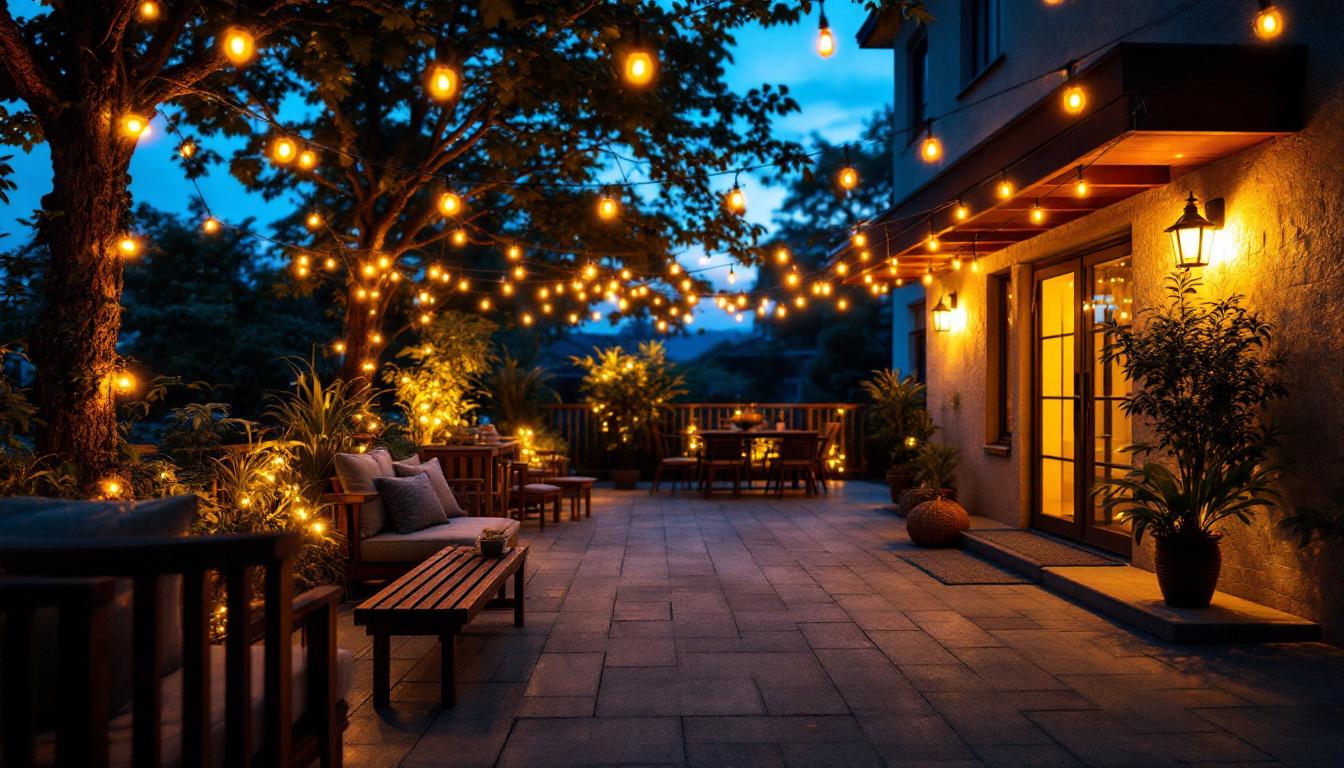
Outdoor string lighting has become an essential element in both residential and commercial landscape design. For lighting contractors, understanding the nuances of outdoor string lighting is crucial to delivering installations that are not only aesthetically pleasing but also safe, durable, and energy-efficient. These lighting systems blend functionality with ambiance, transforming outdoor spaces into inviting environments for gatherings, events, and everyday enjoyment.
As the demand for outdoor lighting grows, contractors must stay informed about the latest technologies, installation best practices, and regulatory standards. This article provides a comprehensive overview of what every lighting contractor should know about outdoor string lighting, from product selection to installation techniques and maintenance considerations.
One of the most appealing aspects of outdoor string lighting is its versatility. Available in a variety of styles, colors, and lengths, these lights can be tailored to fit any design aesthetic, from rustic to modern. Additionally, many string lights now come equipped with LED technology, which not only enhances energy efficiency but also offers a longer lifespan compared to traditional incandescent bulbs. This shift towards LED options has allowed homeowners and businesses to enjoy vibrant lighting without the worry of frequent replacements, making it a cost-effective solution in the long run.
Moreover, the installation of outdoor string lighting can significantly enhance the safety and usability of outdoor spaces. By illuminating pathways, patios, and decks, these lights help to prevent accidents during nighttime gatherings. Furthermore, the strategic placement of string lights can create a sense of intimacy and warmth, encouraging people to spend more time outdoors. With the right design approach, lighting contractors can elevate the functionality of outdoor areas, ensuring that they are not only visually appealing but also practical for everyday use.
Understanding Outdoor String Lighting Components and Types
Types of Outdoor String Lights
Outdoor string lights come in various types, each suited for different applications and aesthetic preferences. The most common types include:
- Incandescent String Lights: Traditional bulbs that offer a warm glow but consume more energy and have a shorter lifespan compared to modern alternatives.
- LED String Lights: Energy-efficient, long-lasting, and available in a wide range of colors and brightness levels. LEDs are increasingly becoming the standard for outdoor lighting due to their durability and cost-effectiveness.
- Solar-Powered String Lights: Ideal for locations without easy access to electrical outlets, these lights harness solar energy during the day to illuminate spaces at night.
- Smart String Lights: Integrated with smart home systems, these lights can be controlled remotely, programmed for schedules, and even synced with music or events.
Key Components of Outdoor String Lighting
Understanding the components that make up outdoor string lighting systems is essential for proper installation and maintenance. These components include:
- Bulbs: Available in various shapes and sizes, bulbs can be replaceable or integrated LEDs. Contractors should ensure bulbs are rated for outdoor use and compatible with the fixture.
- Wiring: Outdoor-rated wiring is critical for safety and durability. It must be weather-resistant and capable of handling the electrical load.
- Sockets: These hold the bulbs and must be rated for outdoor use to prevent moisture ingress and corrosion.
- Connectors and Plugs: Designed to be waterproof or water-resistant, connectors ensure secure connections between strings and power sources.
In addition to these core components, it’s important to consider the spacing and arrangement of the lights. Proper spacing can enhance the visual appeal and effectiveness of the lighting design. For instance, hanging lights closer together can create a cozy atmosphere, perfect for intimate gatherings, while wider spacing can illuminate larger areas, making them suitable for outdoor events or parties. Furthermore, the choice of color temperature can significantly influence the ambiance; warmer tones tend to evoke a sense of comfort and relaxation, while cooler tones can lend a more modern and vibrant feel to the space.
Moreover, the installation process can vary based on the type of string lights chosen. For instance, solar-powered lights require careful placement to ensure they receive adequate sunlight during the day, while smart string lights may need a reliable Wi-Fi connection for optimal functionality. Understanding these nuances not only aids in achieving the desired aesthetic but also ensures that the lighting system operates efficiently and effectively throughout its lifespan.
Safety and Regulatory Considerations
Compliance with Electrical Codes
Lighting contractors must adhere to local and national electrical codes, such as the National Electrical Code (NEC), which includes specific guidelines for outdoor lighting installations. Compliance ensures the safety of the installation, reduces liability, and guarantees that the system operates reliably under various weather conditions.
Key code considerations include the use of ground-fault circuit interrupters (GFCIs) on outdoor circuits, proper grounding, and the use of outdoor-rated materials. Contractors should always verify the latest code requirements in their jurisdiction before beginning any project. Additionally, understanding the local amendments to the NEC can be crucial, as some municipalities may have stricter regulations regarding wattage limits, fixture placements, and energy efficiency standards. This knowledge not only helps in avoiding fines but also enhances the overall quality and safety of the installation.
Weatherproofing and Durability
Outdoor string lighting is exposed to rain, wind, temperature fluctuations, and UV radiation. Selecting components with appropriate Ingress Protection (IP) ratings is vital. For example, an IP65 rating indicates that the product is dust-tight and protected against water jets, making it suitable for most outdoor environments.
Additionally, using UV-resistant materials prevents premature degradation of wiring and fixtures. Proper sealing of connections and the use of weatherproof enclosures for power supplies further enhance system longevity. It’s also important to consider the placement of fixtures; ensuring that they are installed in areas less prone to direct exposure to harsh elements can significantly prolong their lifespan. Furthermore, regular maintenance checks, such as inspecting for frayed wires or loose connections, can help identify potential issues before they lead to system failures, ensuring that the outdoor lighting remains both functional and aesthetically pleasing throughout the seasons.
Installation Best Practices for Lighting Contractors
Planning and Design Considerations
Successful outdoor string lighting installations begin with thorough planning. Contractors should work closely with clients to understand the desired ambiance, functional requirements, and site constraints. Key factors to consider include:
- Layout: Mapping out the string light paths to optimize coverage and aesthetics while avoiding obstacles such as trees, gutters, and power lines.
- Power Source Location: Ensuring proximity to electrical outlets or planning for solar or battery-powered options.
- Load Calculations: Assessing the total wattage to avoid overloading circuits and selecting appropriate transformers or power supplies.
Mounting Techniques
Proper mounting is essential to maintain the integrity of the string lighting and prevent damage. Common mounting options include:
- Hooks and Eye Bolts: Securely anchored into walls, posts, or trees to support the weight of the strings.
- Cable Ties and Clips: Used for temporary or semi-permanent installations, ensuring the wiring is taut and neatly arranged.
- Poles and Stands: For open areas without natural mounting points, freestanding poles can provide support and flexibility.
Contractors should avoid overstretching the string lights, which can cause wire fatigue and bulb failure. Additionally, ensuring that the strings have some slack accommodates thermal expansion and contraction.
Electrical Connections and Safety Checks
All electrical connections must be secure and weatherproof. Using waterproof connectors and sealing exposed connections with silicone or electrical tape prevents moisture ingress. Grounding the system properly and installing GFCI outlets are critical safety measures.
Before powering the system, contractors should perform thorough inspections and testing to verify correct wiring, absence of shorts, and proper functioning of all components.
Energy Efficiency and Sustainability
Benefits of LED Technology
LED string lights offer significant energy savings compared to incandescent bulbs, consuming up to 80% less electricity. Their longer lifespan reduces maintenance frequency and waste, making them an environmentally responsible choice.
Contractors should educate clients on the cost benefits of LED lighting, including lower utility bills and reduced replacement costs over time. Additionally, LEDs generate less heat, which enhances safety and reduces fire risk.
Incorporating Solar and Smart Controls
Solar-powered string lights provide a sustainable option for areas lacking electrical infrastructure. While initial costs may be higher, the elimination of ongoing energy expenses and ease of installation make solar lighting attractive.
Smart controls enable precise management of lighting schedules, brightness levels, and color settings. These systems can reduce energy consumption by ensuring lights operate only when needed and can be integrated with occupancy sensors or ambient light sensors for automated control.
Maintenance and Troubleshooting Tips
Routine Inspection and Cleaning
Regular maintenance extends the life of outdoor string lighting. Contractors should advise clients to inspect bulbs, wiring, and connections periodically for signs of wear, corrosion, or damage. Cleaning lenses and fixtures removes dirt and debris that can diminish light output.
Common Issues and Solutions
Typical problems include:
- Bulb Failures: Replacing faulty bulbs with compatible, outdoor-rated options.
- Loose Connections: Tightening or resealing connectors to restore proper electrical contact.
- Power Supply Problems: Testing transformers and replacing them if necessary.
- Water Ingress: Replacing damaged wiring or fixtures and improving sealing methods.
Prompt troubleshooting minimizes downtime and ensures the lighting system remains safe and effective.
Conclusion
For lighting contractors, mastering the intricacies of outdoor string lighting is vital to delivering quality installations that satisfy clients and comply with safety standards. From selecting the right products and understanding regulatory requirements to employing best installation practices and promoting energy-efficient solutions, a comprehensive approach is essential.
By staying informed about evolving technologies and maintaining a commitment to safety and quality, contractors can leverage outdoor string lighting to enhance outdoor spaces, boost client satisfaction, and grow their business in an increasingly competitive market.
Illuminate Your Projects with LumenWholesale
Ready to elevate your outdoor string lighting installations with the best products on the market? Look no further than LumenWholesale. Our commitment to quality and affordability ensures you have access to spec-grade lighting that meets the highest industry standards. Say goodbye to inflated markups and hello to unbeatable wholesale prices, free shipping, and the convenience of bulk buying. Enhance your outdoor spaces with reliable, high-performance lighting solutions. Take the first step towards superior lighting for your projects by visiting Wholesale Lighting at the Best Value today.