Understanding Remote Dimmable Light Switches
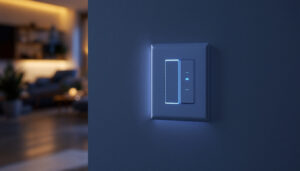
Remote dimmable light switches have revolutionized the way lighting systems are controlled in both residential and commercial environments. For lighting contractors, mastering the nuances of these devices is essential to delivering modern, energy-efficient, and user-friendly lighting solutions. Unlike traditional dimmers, remote dimmable switches allow users to adjust lighting levels wirelessly, offering convenience and enhanced control.
These switches typically operate via radio frequency (RF), Wi-Fi, or proprietary wireless protocols, enabling integration with smart home systems or standalone remote controls. Their compatibility with various lighting technologies, including LED, CFL, and incandescent bulbs, makes them versatile tools in a contractor’s arsenal. However, understanding the technical specifications and installation requirements is critical to avoid common pitfalls and ensure optimal performance.
Key Components and Functionality
A typical remote dimmable switch system includes a receiver module, which is installed in the lighting circuit, and a remote control or wall-mounted transmitter. The receiver interprets signals from the remote and adjusts the voltage or current supplied to the light source, thereby altering brightness levels. Some advanced models also support preset scenes, timers, and integration with voice assistants, expanding their functionality.
For lighting contractors, familiarity with these components and their interoperability with existing electrical infrastructure is vital. Proper installation ensures not only user satisfaction but also compliance with electrical codes and safety standards. Additionally, understanding the nuances of wireless communication can help contractors troubleshoot connectivity issues that may arise, such as interference from other devices or range limitations. This knowledge can significantly enhance the reliability of the lighting system, ensuring that clients enjoy seamless operation.
Moreover, the growing trend towards smart home technology has led to an increase in demand for remote dimmable switches that can be controlled via smartphone applications. These apps often provide users with the ability to customize lighting settings from anywhere, allowing for greater flexibility and energy management. For contractors, staying updated on the latest app functionalities and software updates is essential, as these can greatly influence user experience and satisfaction. By offering clients solutions that incorporate the latest technology, contractors can position themselves as forward-thinking professionals in the competitive lighting industry.
Installation Best Practices for Lighting Contractors
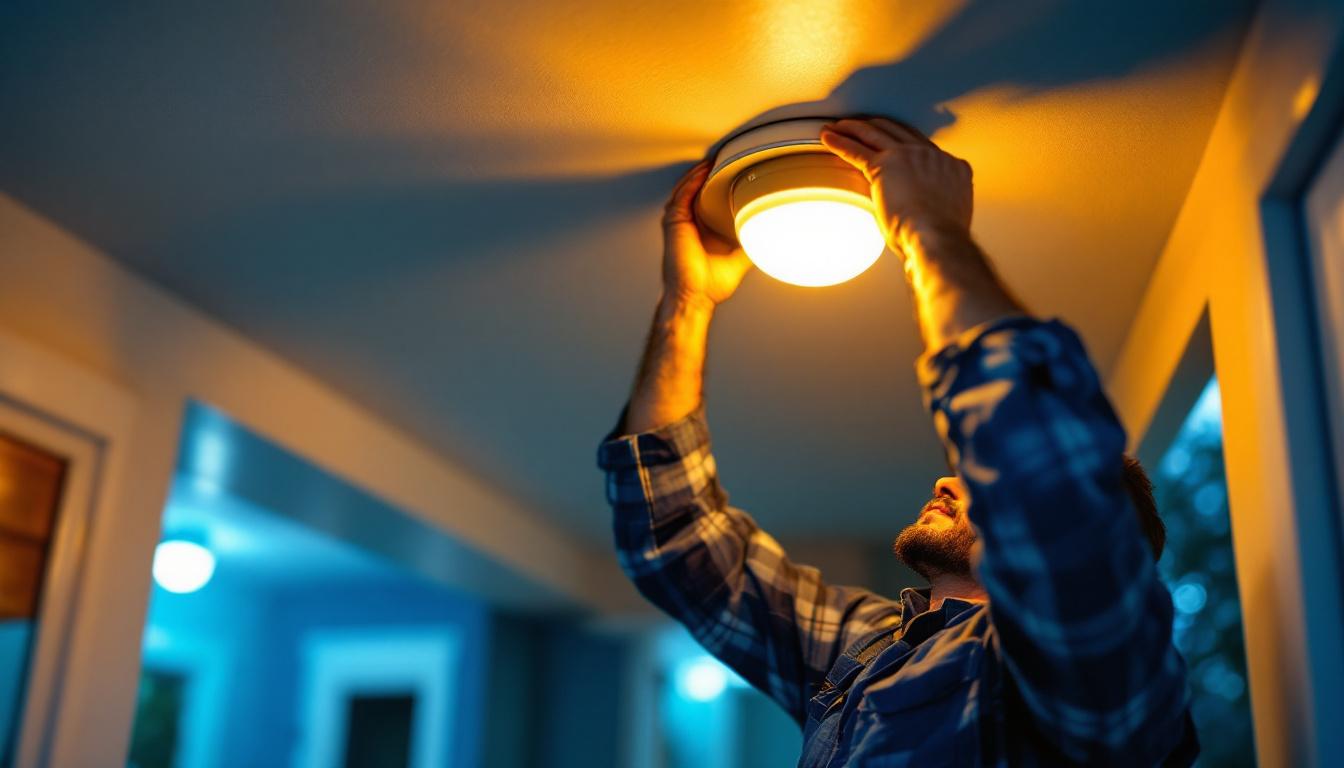
Successful installation of remote dimmable light switches hinges on meticulous planning and adherence to best practices. Lighting contractors must evaluate the existing wiring, load requirements, and compatibility with the lighting fixtures before proceeding.
Assessing Compatibility and Load Requirements
One of the most critical steps is verifying that the dimmable switch is compatible with the lighting load. LEDs, for instance, require dimmers specifically designed to handle their electrical characteristics. Using incompatible dimmers can lead to flickering, reduced lifespan of bulbs, or even damage to the dimmer unit itself.
Contractors should also calculate the total wattage of the lighting circuit to ensure the switch can handle the load. Overloading a dimmer switch can cause overheating and pose fire hazards. It is advisable to select dimmers with a capacity exceeding the total wattage by a safe margin to accommodate future upgrades or additions. Additionally, understanding the specific requirements of different lighting types, such as incandescent versus fluorescent, can further refine the selection process and enhance overall system performance.
Wiring and Installation Techniques
Remote dimmable switches often require a neutral wire for proper operation, which may not be present in older homes. Contractors must assess the wiring setup and, if necessary, run a neutral wire to the switch box. This step is crucial for ensuring the switch functions correctly and meets electrical code requirements.
During installation, securing connections with wire nuts and verifying polarity are essential to prevent malfunction. Testing the system before closing up the wall ensures that the remote control communicates effectively with the receiver and that dimming operates smoothly across the entire range. Furthermore, implementing proper cable management techniques not only enhances safety but also simplifies future maintenance or upgrades, allowing for a cleaner installation that clients will appreciate.
Addressing Signal Range and Interference
Wireless communication can be affected by physical barriers, electromagnetic interference, and distance. Lighting contractors should test the signal range in the installation environment to avoid dead zones where the remote control may not function reliably.
In commercial settings with multiple wireless devices, interference can degrade performance. Selecting switches that operate on less congested frequencies or employing signal repeaters can mitigate these issues. Educating clients on optimal placement of remotes and receivers further enhances user experience. Additionally, contractors can recommend the use of smart home integration systems that allow for centralized control of lighting alongside other devices, creating a seamless and intuitive user interface that elevates the overall functionality of the lighting system.
Integrating Remote Dimmable Switches with Smart Systems
The trend towards smart buildings and homes has increased demand for lighting systems that integrate seamlessly with automation platforms. Remote dimmable light switches are often a key component in these setups, providing flexible control options. These switches not only enhance convenience but also contribute to energy efficiency by allowing users to adjust lighting levels according to their needs, reducing unnecessary power consumption.
Compatibility with Home Automation Platforms
Many remote dimmable switches are designed to work with popular home automation systems such as Zigbee, Z-Wave, or Wi-Fi-based ecosystems. For lighting contractors, understanding these protocols and the interoperability of devices is crucial when designing integrated lighting solutions. The ability to integrate with various platforms means that contractors can offer customized solutions that fit the specific requirements of each project, whether it be a residential home or a commercial space.
Choosing switches that support multiple protocols or that can be updated via firmware enhances future-proofing. This flexibility allows contractors to cater to diverse client preferences and evolving technology landscapes. Furthermore, as new smart home technologies emerge, having a system that can adapt without requiring complete replacement can save clients both time and money in the long run. It also opens up opportunities for contractors to revisit past projects and offer upgrades, creating a continuous relationship with clients.
Programming and Customization
Advanced remote dimmable switches often allow programming of lighting scenes, schedules, and triggers based on occupancy or ambient light levels. Lighting contractors can add value by configuring these features during installation, tailoring the system to the client’s lifestyle or business needs. For example, a restaurant might benefit from different lighting scenes for lunch and dinner service, while a home office could require bright, focused lighting during work hours and softer tones in the evening.
Providing clients with clear instructions or training on using these features ensures they maximize the benefits of their lighting system. Additionally, offering ongoing support or maintenance services can strengthen client relationships and generate repeat business. As clients become more familiar with their systems, they may seek additional enhancements, such as integrating voice control or adding more smart devices, which can lead to further opportunities for contractors. By fostering a sense of empowerment and satisfaction in clients, contractors can build a loyal customer base that values their expertise and service.
Energy Efficiency and Regulatory Considerations
Remote dimmable light switches contribute significantly to energy savings by enabling precise control over lighting levels. For lighting contractors, promoting these benefits can be a strong selling point, especially in commercial projects where energy costs are substantial.
Energy Savings and Environmental Impact
Dimming lights reduces power consumption and extends the life of bulbs, particularly LEDs. Studies have shown that dimming can reduce energy use by up to 40%, depending on the application and usage patterns. This reduction not only lowers utility bills but also decreases the carbon footprint of buildings.
Contractors should emphasize these advantages to clients, especially those pursuing green building certifications or sustainability goals. Incorporating remote dimmable switches into lighting designs aligns with modern energy codes and standards, enhancing project compliance and marketability.
Compliance with Electrical and Safety Standards
Ensuring that remote dimmable switches meet relevant safety and performance standards is non-negotiable. Lighting contractors must source devices certified by recognized bodies such as UL, CE, or equivalent, depending on the region.
Adhering to local electrical codes during installation protects contractors from liability and safeguards occupants. Regular training and staying updated on evolving regulations are essential practices for professionals in this field.
Common Challenges and Troubleshooting Tips
Despite their advantages, remote dimmable light switches can present challenges during installation and operation. Lighting contractors should be prepared to address common issues efficiently to maintain client satisfaction.
Flickering and Inconsistent Dimming
Flickering lights are often caused by incompatibility between the dimmer and the light source or by poor wiring connections. Contractors should verify bulb compatibility and ensure secure wiring. Using high-quality dimmers designed for specific bulb types reduces this risk.
Remote Control Connectivity Problems
Signal interference or battery issues in remotes can lead to connectivity problems. Contractors should test remotes thoroughly and advise clients on battery replacement schedules. In cases of persistent interference, repositioning receivers or employing signal boosters may be necessary.
Installation in Older Buildings
Older buildings may lack neutral wires or have outdated wiring that complicates installation. Lighting contractors must assess the feasibility of retrofitting remote dimmable switches and may need to recommend alternative solutions or upgrades to the electrical system.
Conclusion: Enhancing Lighting Solutions with Remote Dimmable Switches
Remote dimmable light switches represent a significant advancement in lighting control technology, offering flexibility, convenience, and energy savings. For lighting contractors, mastering their installation, integration, and troubleshooting is vital to delivering high-quality, modern lighting solutions that meet client expectations.
By understanding compatibility requirements, adhering to best installation practices, and embracing smart system integration, contractors can position themselves as experts in contemporary lighting design. Additionally, emphasizing energy efficiency and regulatory compliance enhances the value proposition of these systems.
Ultimately, the successful deployment of remote dimmable light switches not only improves user experience but also contributes to sustainable building practices, making them an indispensable component in the future of lighting.
Get the Best in Remote Dimmable Switches at LumenWholesale
Ready to elevate your lighting projects with the latest in remote dimmable light switch technology? Look no further than LumenWholesale for a comprehensive range of spec-grade lighting products that promise quality, affordability, and convenience. As a dedicated partner to lighting contractors, we offer unbeatable wholesale prices and free shipping on bulk orders, ensuring you get the most value for your investment. Don’t let local distributor markups hinder your project’s potential. Choose LumenWholesale for reliable, high-performance lighting solutions that meet the highest industry standards. Wholesale Lighting at the Best Value is just a click away.