Understanding Outdoor Recessed LED Lighting: Foundations for Contractors
Outdoor recessed LED lighting has become a cornerstone in modern exterior illumination, offering a blend of aesthetic appeal and functional efficiency. For lighting contractors, mastering the nuances of these fixtures is essential to delivering projects that meet client expectations and comply with industry standards.
Recessed LED lights are designed to be installed flush with surfaces such as walls, ceilings, or ground planes, creating a sleek, unobtrusive appearance. Their low-profile design makes them particularly popular for pathways, patios, building facades, and landscape features. Unlike traditional lighting, LEDs provide superior energy efficiency, longer lifespan, and reduced maintenance costs, which are critical selling points for contractors advising clients on sustainable solutions.
Key Benefits of Outdoor Recessed LED Lighting
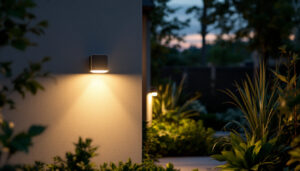
One of the primary advantages of outdoor recessed LED lighting is its ability to enhance safety and security. By illuminating walkways, steps, and entry points without causing glare, these fixtures help prevent accidents and deter intruders. Furthermore, LEDs’ directional light output allows contractors to focus illumination precisely where it’s needed, minimizing light pollution and energy waste.
From an aesthetic perspective, recessed LEDs contribute to a clean, modern look that complements various architectural styles. Their versatility allows for creative lighting designs that highlight textures, shapes, and colors in outdoor environments. Additionally, the availability of tunable color temperatures and dimming options enables contractors to tailor lighting schemes to specific moods and functions.
Moreover, the integration of smart technology into outdoor recessed LED lighting systems is revolutionizing how contractors approach design and installation. Many modern fixtures can be controlled via smartphone apps or home automation systems, allowing users to adjust brightness, color, and even scheduling from the convenience of their devices. This level of control not only enhances user experience but also promotes energy conservation, as homeowners can easily turn off lights when they are not needed or adjust settings based on the time of day or season.
Furthermore, the installation process for outdoor recessed LED lighting has evolved with advancements in technology. Many products now come with easy-to-follow instructions and pre-wired components that simplify the installation for contractors, reducing labor time and costs. Additionally, the use of weather-resistant materials ensures that these fixtures can withstand the elements, making them a durable choice for outdoor applications. As contractors become more adept at utilizing these innovative products, they can offer clients a wider range of options that are not only visually appealing but also built to last in various environmental conditions.
Technical Considerations for Installation and Specification
Successful installation of outdoor recessed LED lighting requires a thorough understanding of technical factors that impact performance and longevity. Contractors must carefully evaluate site conditions, fixture specifications, and electrical requirements to ensure optimal outcomes.
IP Ratings and Weather Resistance
Given the exposure to environmental elements, outdoor recessed fixtures must possess adequate ingress protection (IP) ratings. Typically, an IP65 rating or higher is recommended for ground-level installations to safeguard against dust and water jets. For fixtures embedded in decks or pathways, additional mechanical protection against impact and vibration is necessary.
Contractors should verify that the selected fixtures are constructed with corrosion-resistant materials such as stainless steel or die-cast aluminum. Proper sealing and gasket integrity are equally vital to prevent moisture ingress, which can compromise LED modules and drivers. Furthermore, it is advisable to consider the geographical location of the installation site, as areas prone to extreme weather conditions—such as heavy rain, snow, or high winds—may necessitate fixtures with even higher IP ratings or additional protective measures. This foresight can significantly enhance the durability and reliability of the lighting system over time.
Thermal Management and Heat Dissipation
LEDs generate heat that, if not managed effectively, can reduce lifespan and degrade light quality. Outdoor recessed fixtures often have limited space for heat dissipation, making thermal design a critical consideration. Lighting contractors should prioritize products with integrated heat sinks or advanced thermal materials to maintain junction temperatures within manufacturer specifications.
During installation, ensuring adequate airflow around the fixture and avoiding heat-trapping enclosures can further enhance thermal performance. Consulting manufacturer guidelines and conducting site-specific assessments are best practices to prevent premature failure. Additionally, the use of thermal interface materials can improve heat transfer from the LED chips to the heat sinks, thereby optimizing performance. Implementing these strategies not only prolongs the lifespan of the fixtures but also ensures consistent light output, which is crucial for creating a safe and inviting outdoor environment.
Electrical and Wiring Requirements
Outdoor recessed LED lighting typically operates on low voltage (12V or 24V) or line voltage (120V or 240V), depending on the application. Contractors must select appropriate transformers or drivers that match the total wattage and voltage requirements of the lighting system.
Proper wiring techniques, including the use of outdoor-rated cables and connectors, are essential to maintain safety and reliability. Ground fault circuit interrupters (GFCIs) are often mandated by electrical codes for outdoor installations to protect against electrical shock hazards. Additionally, contractors should plan for future expandability and maintenance access when routing wiring. It is also beneficial to consider the use of smart lighting controls, which can enhance energy efficiency and provide users with greater flexibility in managing their outdoor lighting. These controls can include timers, motion sensors, or even integration with home automation systems, allowing for a more dynamic and responsive lighting environment that adapts to the needs of the space and its users.
Design Strategies and Client Consultation
Lighting contractors play a pivotal role in guiding clients through the design and selection process for outdoor recessed LED lighting. Effective communication and thoughtful design strategies can elevate project outcomes and client satisfaction.
Balancing Functionality and Aesthetics
Clients often seek lighting solutions that enhance both the usability and visual appeal of outdoor spaces. Contractors should conduct thorough site analyses to identify key areas requiring illumination, such as pathways, entryways, seating areas, and architectural highlights.
Using lighting design software or mockups can help visualize fixture placement and light distribution. Emphasizing the importance of layering light—combining ambient, task, and accent lighting—enables contractors to create dynamic and inviting environments.
Energy Efficiency and Sustainability Considerations
With increasing emphasis on green building practices, clients are more conscious of energy consumption and environmental impact. Contractors should advocate for LED fixtures that comply with energy efficiency certifications such as ENERGY STAR or DesignLights Consortium (DLC).
Incorporating controls like motion sensors, timers, and dimmers can further reduce energy usage and extend fixture life. Discussing the long-term cost benefits of LED technology compared to traditional lighting helps clients make informed investment decisions.
Addressing Common Client Concerns
Clients may have questions regarding brightness levels, color temperature, maintenance requirements, and potential light pollution. Providing clear explanations and demonstrating fixture samples can alleviate uncertainties.
For example, explaining the difference between warm white (2700K–3000K) and cool white (4000K–5000K) LEDs helps clients select lighting that complements their outdoor ambiance. Highlighting the durability and warranty coverage of quality fixtures builds trust and confidence in the contractor’s recommendations.
Compliance, Safety, and Maintenance Best Practices
Adhering to regulatory requirements and implementing maintenance protocols are vital responsibilities for lighting contractors working with outdoor recessed LED lighting.
Regulatory Standards and Code Compliance
Contractors must ensure that all installations comply with local electrical codes, building regulations, and safety standards. This includes proper grounding, use of certified components, and adherence to guidelines for outdoor lighting to minimize glare and light trespass.
In some jurisdictions, dark sky ordinances restrict excessive upward light to protect nocturnal environments. Understanding these regulations enables contractors to design compliant lighting systems that avoid penalties and community complaints.
Routine Inspection and Maintenance
Although LED fixtures require less maintenance than traditional lighting, periodic inspections are necessary to verify performance and safety. Contractors should advise clients on cleaning lenses, checking seals, and testing electrical connections to prevent issues such as moisture intrusion or electrical faults.
Replacing drivers or LEDs before end-of-life can prevent unexpected outages. Establishing maintenance schedules and offering service agreements can create ongoing client relationships and recurring revenue streams.
Troubleshooting Common Issues
Contractors should be prepared to diagnose and resolve common problems such as flickering lights, dimming, or complete fixture failure. These issues often stem from driver malfunctions, wiring faults, or thermal stress.
Utilizing diagnostic tools and maintaining close communication with manufacturers’ technical support can expedite troubleshooting and repairs, ensuring minimal downtime for clients.
Emerging Trends and Innovations in Outdoor Recessed LED Lighting
Staying informed about technological advancements and market trends empowers lighting contractors to offer cutting-edge solutions and maintain competitive advantage.
Smart Lighting Integration
Integration of outdoor recessed LEDs with smart home systems and IoT platforms is gaining traction. Features such as remote control, programmable scenes, and adaptive lighting based on occupancy or daylight levels enhance convenience and energy savings.
Contractors should familiarize themselves with compatible control protocols like Zigbee, Z-Wave, or Wi-Fi to advise clients on seamless system integration.
Advanced Materials and Design Innovations
New materials such as graphene-enhanced heat sinks and nano-coatings improve thermal management and durability. Additionally, modular fixture designs facilitate easier installation and customization.
Innovations in optics, including micro-lens arrays and beam-shaping technologies, allow for more precise light distribution, reducing glare and increasing visual comfort.
Focus on Human-Centric Lighting
Human-centric lighting emphasizes the impact of light on human health and well-being. Adjustable color temperatures and circadian rhythm-aligned lighting schedules are becoming important considerations in outdoor environments, particularly in hospitality and healthcare settings.
Contractors who understand these principles can differentiate their services by offering lighting solutions that promote comfort and wellness.
Conclusion: Elevating Expertise in Outdoor Recessed LED Lighting
For lighting contractors, outdoor recessed LED lighting represents a dynamic and rewarding segment of the industry. Mastery of technical specifications, design principles, regulatory compliance, and emerging technologies equips contractors to deliver superior lighting solutions that satisfy client needs and enhance outdoor spaces.
By investing in continuous education and leveraging best practices, contractors can position themselves as trusted experts, driving innovation and excellence in the evolving landscape of outdoor illumination.
Get Your Premium Outdoor Recessed LED Lighting from LumenWholesale
Ready to elevate your lighting projects with the highest quality outdoor recessed LED lighting? Look no further than LumenWholesale, where we provide contractors with spec-grade lighting products at unbeatable wholesale prices. Say goodbye to local distributor markups and hello to superior lighting solutions that meet the most rigorous industry standards. With LumenWholesale, you’ll enjoy the benefits of bulk buying with the convenience of free shipping, ensuring you get the best value without any hidden costs. Make your next project shine with the perfect blend of quality, affordability, and convenience. Wholesale Lighting at the Best Value is just a click away.