Introduction to Lighting Outdoor American Flags
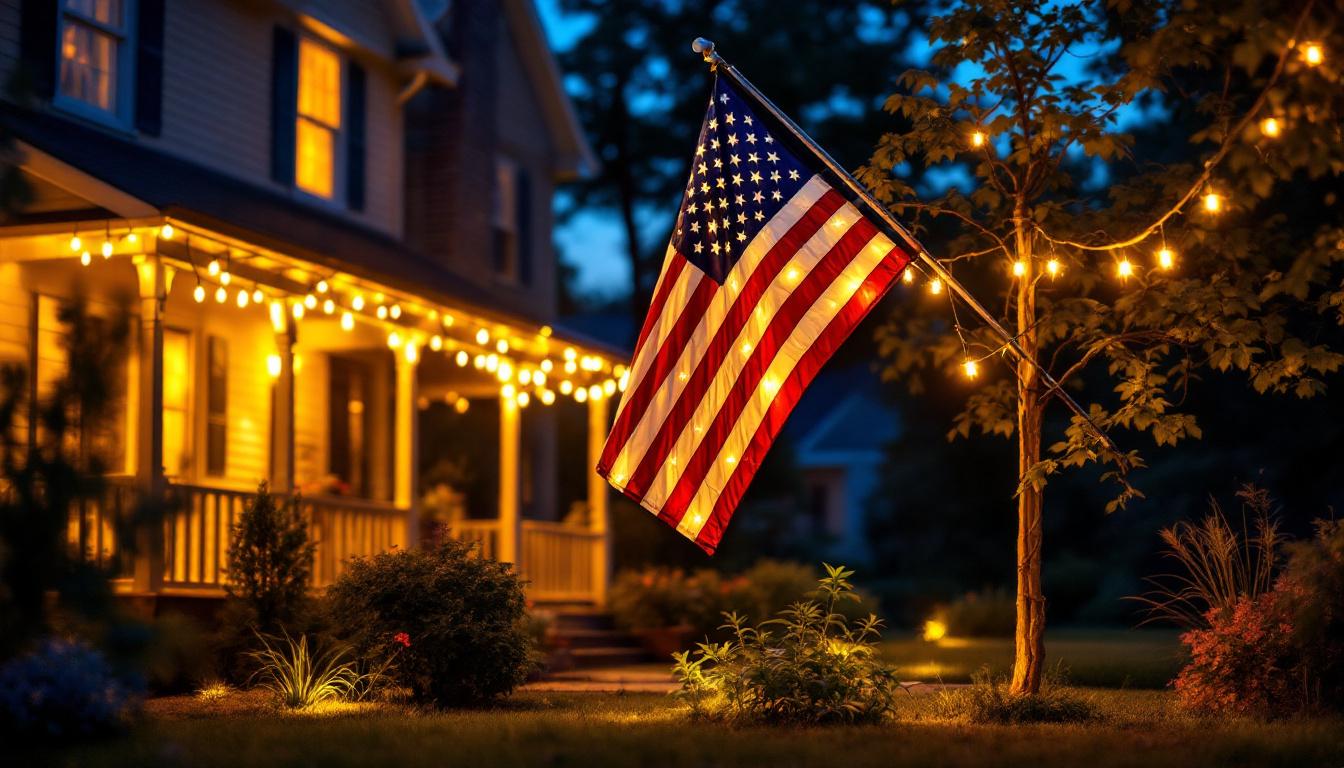
Lighting an outdoor American flag is a task that demands both respect and precision. For lighting contractors, it’s not just about illuminating a symbol; it’s about honoring a national emblem with dignity and adhering to established protocols. The United States Flag Code specifies that the flag should be lit during nighttime hours to ensure it remains visible and respected around the clock.
However, achieving the perfect illumination involves more than just placing a light near the flag. It requires careful planning, technical expertise, and knowledge of best practices to ensure the flag is showcased appropriately while maintaining safety and energy efficiency. The choice of lighting fixtures, for instance, plays a crucial role in the overall presentation. LED lights are often favored for their longevity and energy efficiency, providing bright illumination without the heat output associated with traditional bulbs. This not only helps in reducing energy costs but also minimizes the risk of fire hazards, which is particularly important when dealing with fabric materials like flags.
Furthermore, the positioning of the lights is essential in creating a respectful display. Ideally, the lights should be mounted at an angle that illuminates the flag evenly, avoiding harsh shadows that could detract from its appearance. Many professionals recommend a height that allows the light to shine down from above, creating a halo effect that enhances the flag’s colors and details. Additionally, the use of timers or smart lighting systems can ensure that the flag is illuminated at the appropriate times, automatically adjusting to seasonal changes in daylight hours. This level of attention to detail not only showcases the flag beautifully but also reinforces the values of respect and patriotism that it represents.
Understanding Flag Lighting Requirements and Standards
Respecting the Flag Code and Lighting Etiquette
The U.S. Flag Code provides clear guidance for illuminating the flag. The flag should be lit from the front with a white light that allows the colors to be clearly visible at night. This means avoiding colored or flashing lights that could detract from the flag’s dignity. The intent behind this guidance is to ensure that the flag is presented in a manner that reflects its significance as a symbol of national pride and unity.
Lighting contractors must ensure the light source is positioned to prevent shadows or glare that obscure the flag’s design. Proper lighting angles and intensity are crucial to maintain the flag’s visibility without causing discomfort to viewers or violating any local ordinances. Additionally, it is important to consider the surrounding environment; for instance, nearby trees or buildings may cast shadows that can interfere with the flag’s illumination. Therefore, a comprehensive site assessment is essential to determine the best lighting strategy that honors the flag while enhancing its visibility in the evening hours.
Technical Standards for Outdoor Flag Lighting
Lighting the flag effectively requires adherence to certain technical standards. The Illuminating Engineering Society (IES) recommends an illumination level of approximately 10 foot-candles for flag lighting, which ensures the flag is bright enough to be seen clearly without excessive energy use. This standard not only aids in visibility but also helps in preserving the integrity of the flag over time, as consistent and appropriate lighting can prevent fading and wear.
Contractors should select fixtures with appropriate beam angles to cover the entire flag uniformly. Using LED fixtures with adjustable optics can help achieve the desired coverage and reduce maintenance needs due to their long lifespan and energy efficiency. Moreover, the choice of fixtures should also consider weather resistance and durability, as outdoor lighting systems are often exposed to various elements. Selecting high-quality materials that can withstand rain, snow, and extreme temperatures will ensure that the lighting remains functional and effective throughout the year, thereby maintaining the flag’s prominence and respect in all seasons.
Site Assessment and Planning
Evaluating the Flagpole and Surrounding Environment
Before installation, a thorough site assessment is essential. The height and location of the flagpole influence the type and placement of lighting fixtures. For tall flagpoles, floodlights mounted on the ground or on nearby structures may be necessary, while shorter poles might be illuminated with pole-mounted fixtures.
Environmental factors such as nearby trees, buildings, and ambient lighting also impact the lighting design. Shadows cast by nearby objects can diminish the flag’s visibility, so contractors must plan fixture placement to minimize these effects. Additionally, seasonal changes can affect the surrounding environment; for instance, deciduous trees may obstruct light during the summer months when they are full of leaves, but provide clearer visibility in winter. This variability necessitates a flexible lighting design that can adapt to changing conditions throughout the year.
Power Source and Wiring Considerations
Access to power is a critical factor in outdoor flag lighting projects. Contractors need to determine whether existing electrical infrastructure can support the lighting system or if new wiring and breakers are required. In some cases, solar-powered lighting solutions may be viable, especially in remote locations. These systems not only reduce dependency on the grid but also promote sustainability, making them an attractive option for environmentally-conscious projects.
All wiring must comply with the National Electrical Code (NEC) and local regulations to ensure safety and reliability. Waterproof and UV-resistant materials should be used to withstand outdoor conditions and prevent electrical hazards. Furthermore, it is advisable to consider the potential for future upgrades or expansions of the lighting system. Planning for additional circuits or outlets during the initial installation can save time and resources down the line, allowing for a more versatile and adaptable lighting setup that can accommodate evolving needs or technologies.
Choosing the Right Lighting Fixtures
LED vs. Traditional Lighting Options
LED lighting has become the preferred choice for outdoor flag illumination due to its energy efficiency, long lifespan, and superior color rendering. LEDs provide bright, consistent light that can be finely tuned to highlight the flag’s colors accurately.
Traditional halogen or incandescent fixtures, while still in use, tend to consume more power and require more frequent maintenance. For contractors aiming to deliver sustainable and cost-effective solutions, LEDs are the optimal option.
Fixture Types and Mounting Techniques
Several fixture types are suitable for flag lighting, including floodlights, spotlights, and wall-mounted fixtures. Floodlights are often used to cover larger flags or multiple flags simultaneously, while spotlights are ideal for focused illumination on smaller flags.
Mounting techniques vary depending on the site. Ground-mounted fixtures should be installed with proper drainage and protection from lawn equipment. Pole-mounted fixtures require secure brackets and vibration-resistant mounts to prevent damage from wind or movement.
Installation Best Practices
Ensuring Proper Aim and Coverage
Once fixtures are installed, precise aiming is critical. The light should uniformly cover the entire flag surface without hot spots or dark areas. Using adjustable fixtures and testing the lighting at night helps achieve optimal results.
Contractors should also consider the height of the fixtures relative to the flagpole. Lighting from a low angle can cause glare or shadows, while lighting from above or the front typically provides the best visual effect.
Weatherproofing and Durability
Outdoor lighting fixtures must be rated for wet locations and constructed from corrosion-resistant materials such as aluminum or stainless steel. Proper sealing and the use of gaskets prevent moisture ingress, which can cause electrical failures or safety hazards.
Regular maintenance schedules should be established to clean lenses, check wiring, and replace any damaged components. This ensures the flag remains well-lit and the system operates safely over time.
Energy Efficiency and Smart Controls
Incorporating Timers and Photocells
To comply with the Flag Code, lighting should be activated only during nighttime hours. Installing timers or photocell sensors allows the lighting system to turn on at dusk and off at dawn automatically, conserving energy and reducing operational costs.
Smart controls can also be integrated to adjust brightness based on ambient light levels or to allow remote monitoring and management, which is particularly useful for large installations or municipal projects.
Solar-Powered Lighting Solutions
For locations without easy access to electrical power, solar-powered flag lighting offers an environmentally friendly alternative. Modern solar fixtures include high-efficiency panels and long-lasting batteries that provide reliable illumination throughout the night.
Contractors should evaluate solar potential at the site, considering shading and panel orientation, to ensure consistent performance. Solar systems also reduce installation complexity and ongoing energy expenses.
Compliance, Safety, and Documentation
Meeting Local Codes and Permitting Requirements
Lighting contractors must verify that their installations comply with all relevant local building codes, electrical codes, and zoning regulations. Obtaining necessary permits before starting work helps avoid costly delays or legal issues.
Adherence to safety standards protects both the contractor and the client, ensuring that the installation is secure and poses no hazards to the public or property.
Providing Clients with Maintenance and Operation Guidelines
After installation, contractors should supply clients with detailed documentation covering system operation, maintenance schedules, and troubleshooting tips. This empowers property owners to keep the flag illuminated properly and prolong the lifespan of the lighting system.
Offering ongoing maintenance contracts can also be a valuable service, ensuring the flag remains a proud and well-lit symbol for years to come.
Conclusion: Delivering Excellence in Outdoor Flag Lighting
Lighting an outdoor American flag is a responsibility that blends technical skill with patriotic respect. For lighting contractors, following a comprehensive checklist—from understanding flag etiquette and technical standards to executing precise installation and maintenance—ensures a successful project that honors the flag’s significance.
By prioritizing quality fixtures, energy-efficient solutions, and adherence to codes, contractors can deliver installations that not only meet client expectations but also stand as a testament to professionalism and national pride.
Illuminate with Excellence at LumenWholesale
Ready to elevate your outdoor flag lighting projects with the highest quality fixtures and smart, energy-efficient solutions? Look no further than LumenWholesale, where we provide contractors with spec-grade lighting products at unbeatable wholesale prices. Say goodbye to inflated markups and hello to a vast selection of reliable, high-performance lighting that meets the most stringent industry standards. Plus, with free shipping on bulk orders, you can secure premium lighting at the best value — all without hidden fees or compromises. Don’t settle for less; choose LumenWholesale for quality, affordability, and convenience. Wholesale Lighting at the Best Value is just a click away.