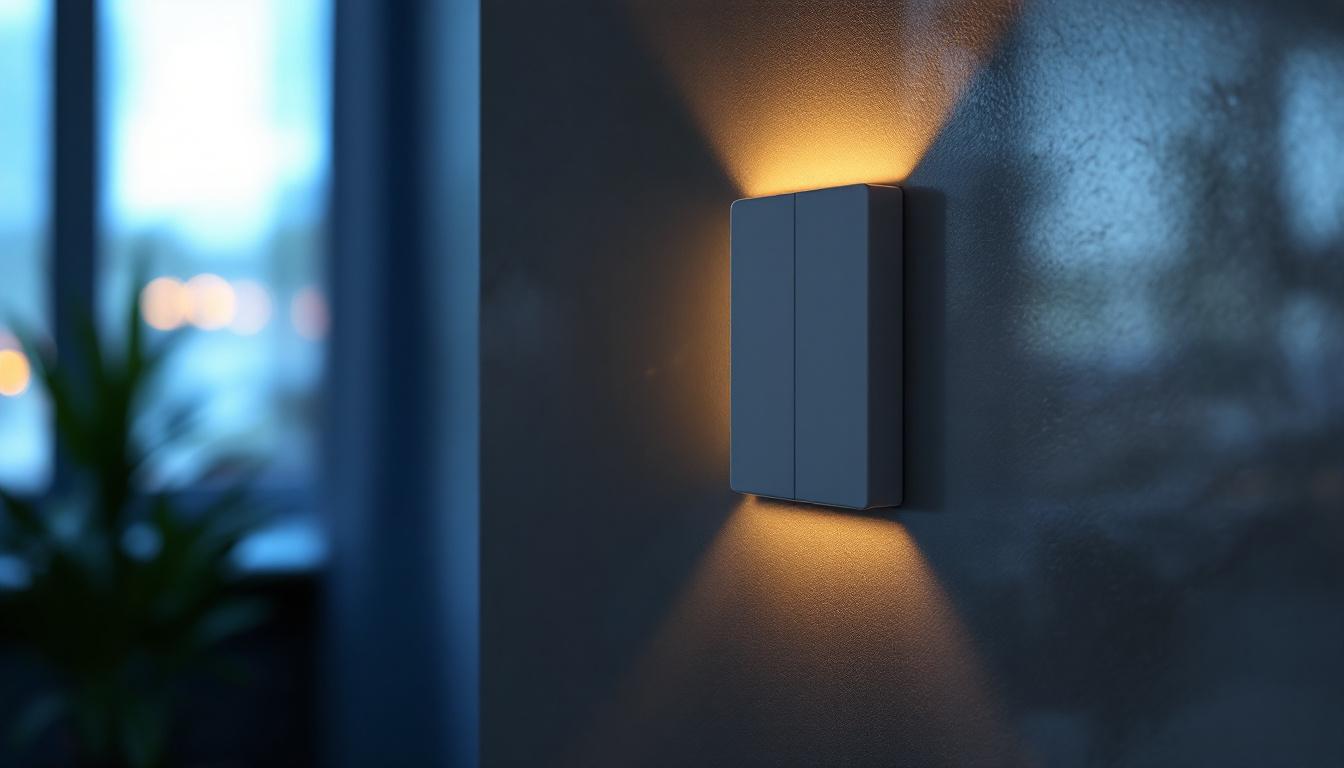
Understanding the Critical Role of the House Light Switch
In the realm of lighting projects, the focus often gravitates toward fixtures, bulbs, and wiring. However, the house light switch—an element that seems deceptively simple—plays a pivotal role in the overall functionality and user experience of any lighting installation. For lighting contractors, recognizing the importance of the light switch is essential not only for operational efficiency but also for customer satisfaction and long-term project success.
At its core, the light switch serves as the primary interface between the user and the lighting system. It controls power flow, enabling occupants to illuminate or darken spaces as needed. Despite its ubiquity, the light switch is often overlooked during project planning, resulting in missed opportunities for enhancing convenience, safety, and energy efficiency.
Lighting projects that fail to integrate the right switch solutions can lead to operational frustrations, increased maintenance costs, and diminished user comfort. Conversely, thoughtful selection and placement of switches can significantly elevate a lighting installation’s performance and appeal.
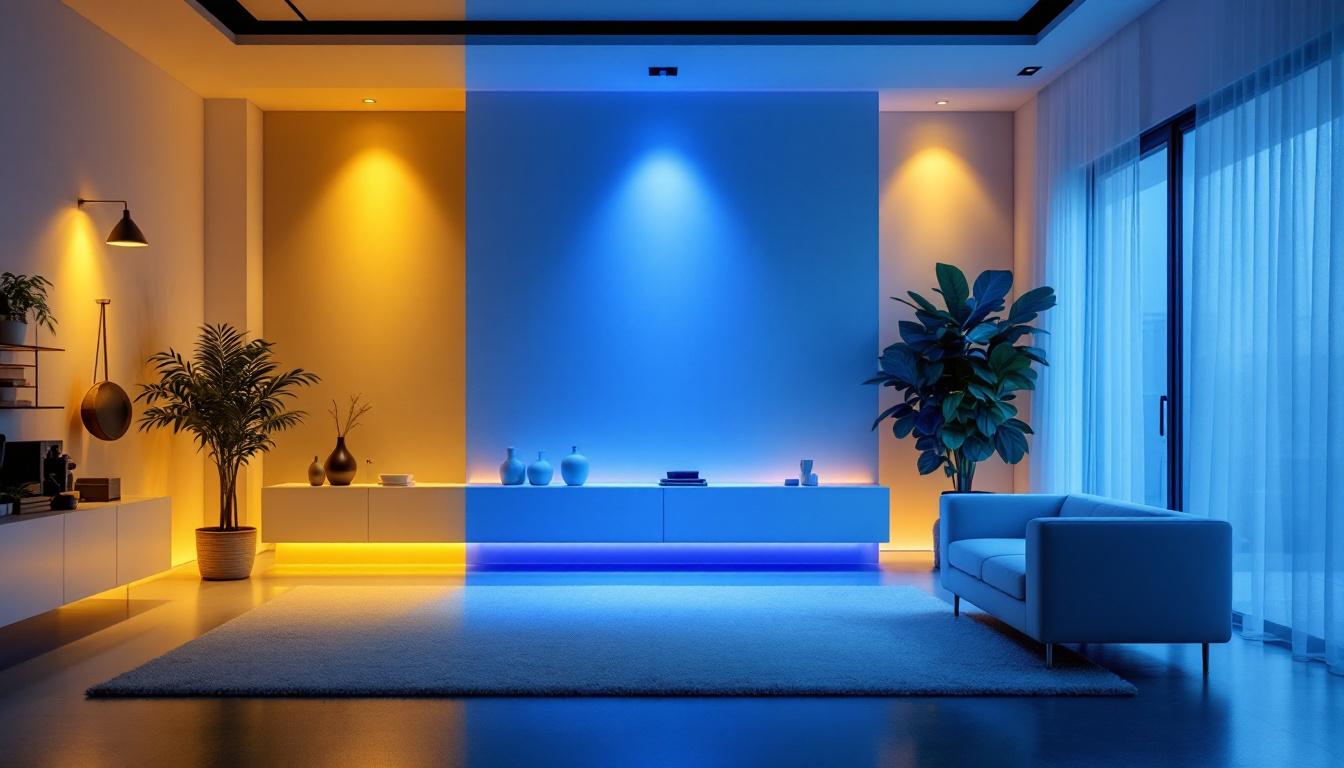
Moreover, the evolution of technology has introduced a variety of innovative switch options that can further enhance the user experience. Smart switches, for instance, allow homeowners to control their lighting remotely via smartphones or voice commands, integrating seamlessly with home automation systems. This not only adds a layer of convenience but also promotes energy efficiency by enabling users to monitor and adjust their lighting usage in real-time. Additionally, dimmer switches provide the flexibility to create the perfect ambiance for different occasions, from bright illumination for tasks to soft lighting for relaxation, showcasing the versatility that modern switches can offer.
Furthermore, the strategic placement of light switches can significantly impact the functionality of a space. For example, ensuring that switches are located near entrances or in easily accessible locations can enhance the usability of a room, particularly in high-traffic areas. In larger spaces, multiple switches or three-way configurations can allow for greater control over lighting, enabling users to illuminate specific areas without having to traverse the entire room. Such considerations not only improve the overall user experience but also reflect a thoughtful approach to design that prioritizes both aesthetics and practicality.
Why the House Light Switch Often Gets Overlooked
Focus on Fixtures and Technology
Modern lighting projects frequently emphasize advanced fixtures, LED technology, and smart lighting controls. While these components are undeniably important, they can overshadow the fundamental role of the light switch. Contractors may prioritize aesthetics and energy-saving features, inadvertently relegating the switch to an afterthought.
Additionally, the rapid evolution of lighting technology has introduced complex control systems such as dimmers, occupancy sensors, and integrated smart home solutions. These innovations can make traditional switches seem outdated or unnecessary, leading to their exclusion or improper integration. However, it’s crucial to remember that the light switch is often the first point of interaction with a lighting system, and its design and functionality can significantly impact user experience. A well-placed, intuitive switch can enhance the overall ambiance of a space, while a poorly designed one can lead to frustration and inefficiency.
Assumptions About Simplicity
There is a common assumption that all light switches are essentially the same—simple on/off devices that require minimal consideration. This misconception can cause contractors to select generic switches without assessing their suitability for the specific environment or user needs. For example, a switch appropriate for a residential hallway might be entirely inadequate for a commercial kitchen or a large conference room.
Moreover, the physical placement and ergonomic design of switches are often neglected. Poorly positioned switches can inconvenience users, especially in spaces with complex layouts or accessibility requirements. In environments where users may have their hands full, such as in kitchens or workshops, having switches that are easy to locate and operate can make a significant difference. Furthermore, the tactile feedback of a switch—how it feels when pressed—can also influence user satisfaction. A high-quality switch with a satisfying click can enhance the perception of a well-designed space, while a flimsy, unresponsive switch can detract from it. Considering these factors can lead to a more thoughtful and user-friendly lighting design that respects the essential role of the light switch.
Key Considerations When Selecting House Light Switches
Functionality and Compatibility
Choosing the right switch begins with understanding the lighting system’s functionality. Different lighting setups require different control methods—single-pole switches for simple on/off control, three-way or four-way switches for multi-location control, and dimmers for adjustable lighting levels.
Compatibility with the lighting load is crucial. For instance, LED fixtures often require specialized dimmers designed to handle low wattage and prevent flickering. Using an incompatible switch can lead to premature failure or suboptimal performance.
User Experience and Accessibility
The switch should be intuitive and easy to operate. Considerations include the switch’s tactile feedback, size, and placement height. For environments that must comply with accessibility standards, such as the Americans with Disabilities Act (ADA), switches must be within reach ranges and operable without tight grasping or twisting.
Touch-sensitive and rocker switches can enhance usability, especially for users with limited dexterity. Additionally, clearly labeled switches reduce confusion in multi-switch configurations.
Durability and Safety
Switches in high-traffic or industrial environments require robust construction to withstand frequent use and potential abuse. Materials resistant to moisture, dust, and impact extend the switch’s lifespan and maintain safety standards.
Safety certifications and ratings, such as UL listing or IP ratings for moisture resistance, should guide switch selection. Proper grounding and wiring practices also ensure safe operation and reduce the risk of electrical hazards.
Innovations in Light Switch Technology
Smart Switches and Home Automation
The advent of smart home technology has revolutionized light switch design. Smart switches enable remote control via smartphones, voice assistants, or automated schedules, offering unprecedented convenience and energy management.
For lighting contractors, integrating smart switches can add value to projects by providing clients with customizable lighting experiences. These switches often support dimming, scene setting, and integration with other smart devices, creating cohesive environments tailored to user preferences.
Wireless and Battery-Powered Switches
Wireless switches eliminate the need for extensive wiring, simplifying installation in retrofit projects or locations where running new cables is impractical. Battery-powered options provide flexibility but require consideration of battery life and maintenance.
These switches often communicate via protocols like Zigbee, Z-Wave, or Wi-Fi, allowing seamless integration into existing smart home ecosystems. Lighting contractors must ensure compatibility and security when deploying wireless solutions.
Energy-Efficient and Occupancy Sensing Switches
Energy conservation is a priority in modern lighting projects. Switches equipped with occupancy sensors automatically turn lights off when rooms are unoccupied, reducing wasted energy and lowering utility costs.
Daylight harvesting switches adjust artificial lighting based on natural light availability, further optimizing energy use. Incorporating these technologies requires careful calibration and placement to avoid false triggers or user inconvenience.
Best Practices for Integrating House Light Switches in Projects
Early Planning and Client Consultation
Incorporating switch selection into the early stages of project design ensures that switches complement the lighting system and meet client expectations. Discussing user habits, accessibility needs, and desired control features with clients helps tailor switch solutions effectively.
Documenting switch types, locations, and wiring requirements in project plans prevents costly revisions and installation delays.
Coordination with Electrical and Design Teams
Collaboration between lighting contractors, electricians, and interior designers is vital for seamless integration. Electrical teams can advise on wiring constraints and safety codes, while designers ensure switches align with aesthetic goals and spatial layouts.
Joint site assessments can identify optimal switch placement, avoiding obstructions and enhancing user convenience.
Quality Assurance and Testing
Post-installation testing verifies that switches operate correctly and safely. Testing should include verifying switch functionality under various load conditions, responsiveness of dimmers or smart controls, and compliance with safety standards.
Providing clients with operational instructions and maintenance recommendations enhances long-term satisfaction and reduces service calls.
Case Studies: The Impact of Thoughtful Switch Integration
Residential Retrofit Enhances Usability and Energy Savings
A lighting contractor working on a residential retrofit project replaced outdated toggle switches with smart dimmers and occupancy sensors. This upgrade improved lighting control, allowing homeowners to customize ambiance and reduce energy consumption by automatically turning off lights in unoccupied rooms.
The project demonstrated that investing in advanced switch technology can transform everyday lighting experiences without extensive rewiring or fixture replacement.
Commercial Office Improves Accessibility and Compliance
In a commercial office renovation, the contractor prioritized ADA-compliant rocker switches installed at accessible heights. The switches were integrated with a centralized lighting control system, enabling multi-location control and energy management.
This approach enhanced workplace inclusivity and met regulatory requirements, showcasing how switch selection influences both functionality and legal compliance.
Conclusion: Elevating Lighting Projects Through Smart Switch Choices
The house light switch is far more than a simple on/off device; it is a fundamental component that shapes the effectiveness, safety, and user satisfaction of lighting projects. For lighting contractors, giving due attention to switch selection, placement, and integration is crucial in delivering high-quality, future-proof lighting solutions.
By embracing innovations in switch technology, adhering to best practices, and engaging clients early in the design process, contractors can fill the gap often left by traditional lighting projects. This holistic approach not only enhances the immediate functionality of lighting systems but also contributes to sustainable energy use and improved occupant comfort.
Ultimately, the house light switch is the missing piece that completes the lighting puzzle, transforming installations from merely functional to truly exceptional.
Illuminate Your Projects with LumenWholesale
Don’t let your lighting projects be compromised by overlooking the importance of the right house light switch. At LumenWholesale, we provide you with an extensive selection of spec-grade lighting products that ensure your installations stand out for their functionality, safety, and user satisfaction. Take advantage of our unbeatable wholesale prices and free shipping on bulk orders to get the best value for your lighting needs. Elevate your lighting projects and delight your clients with the quality and affordability offered by LumenWholesale. Start browsing our premium lighting solutions today and make the smart switch to better lighting. Wholesale Lighting at the Best Value.