Understanding the 3 Way Motion Detector and Its Role in Lighting Systems
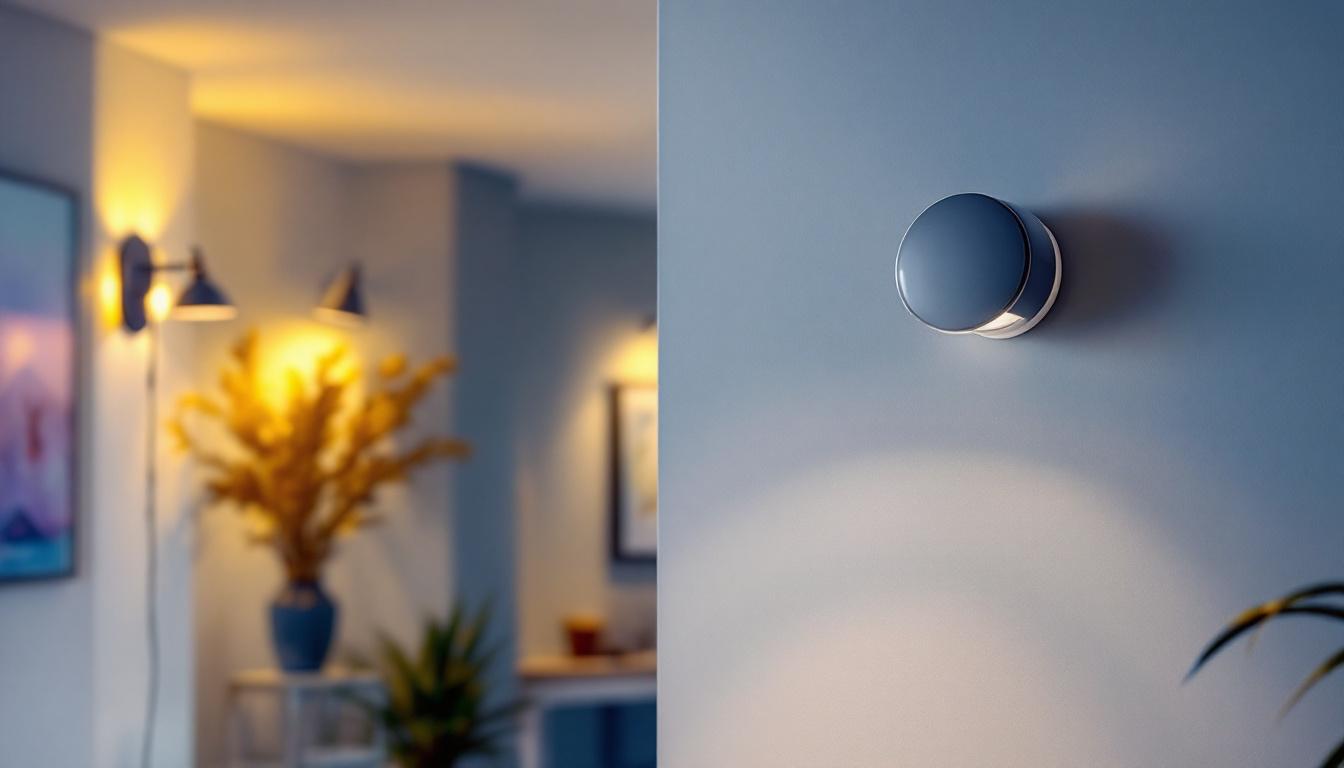
Lighting contractors often face the challenge of creating efficient, user-friendly lighting systems that respond intuitively to occupant needs. A 3 way motion detector stands out as a smart solution in this context. Unlike standard motion sensors that operate from a single switch location, a 3 way motion detector allows control from two different points, providing greater flexibility and convenience.
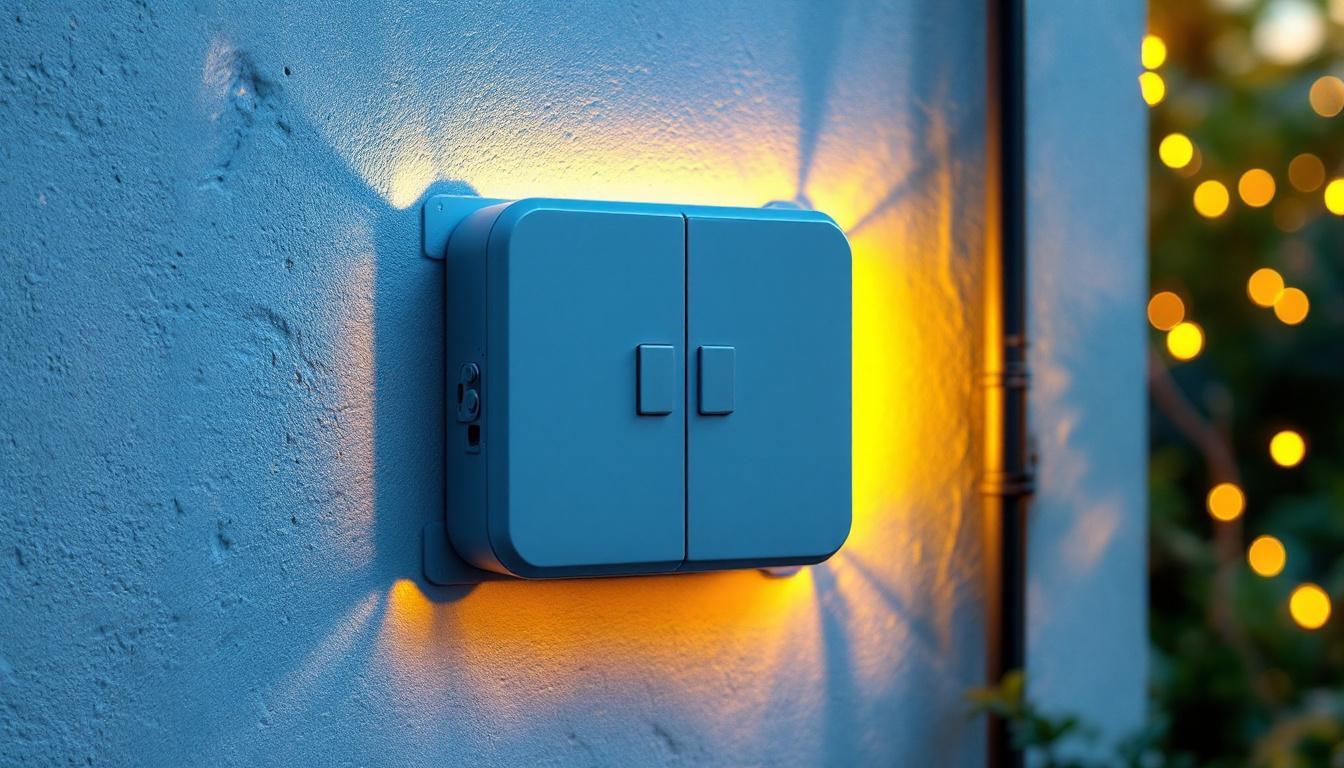
At its core, a 3 way motion detector integrates motion sensing technology with a multi-location switching setup. This means that the lighting can be triggered by movement detected at either switch location, or manually controlled from either point, depending on the installation. The result is a lighting system that is both automated and adaptable, enhancing functionality in spaces like hallways, large rooms, staircases, and entryways.
One of the key advantages of a 3 way motion detector is its ability to improve energy efficiency. By automatically turning lights on only when motion is detected, these devices help reduce unnecessary energy consumption, which can lead to significant cost savings over time. This is particularly beneficial in commercial settings, where lighting can account for a substantial portion of energy expenses. Additionally, many modern 3 way motion detectors come equipped with adjustable sensitivity settings and timers, allowing users to customize how long the lights remain on after motion is no longer detected, further optimizing energy use.
Moreover, the installation of a 3 way motion detector can enhance safety and security within a space. For instance, in residential applications, these detectors can illuminate dark hallways or staircases automatically, reducing the risk of accidents during nighttime hours. In commercial environments, they can deter potential intruders by ensuring that lights activate in response to movement, signaling that the area is occupied. As technology continues to advance, some models even offer integration with smart home systems, enabling remote monitoring and control through mobile devices, which adds an extra layer of convenience and peace of mind for users.
Benefits of Using 3 Way Motion Detectors in Lighting Installations
Enhanced User Experience and Convenience
One of the most immediate advantages of incorporating 3 way motion detectors is the improved user experience. Occupants no longer need to fumble for switches in dark or hard-to-reach areas. The lights automatically turn on when someone enters the space, and can be controlled from multiple points, reducing frustration and improving accessibility.
For example, in a long hallway with doors at either end, a 3 way motion detector allows the lights to activate as someone enters from either side, and also permits manual override from both ends. This dual control is invaluable in commercial buildings, residential complexes, and institutional settings where multiple users interact with the lighting system. Additionally, in environments such as hospitals or schools, where quick access to light can significantly enhance safety and efficiency, these detectors ensure that individuals can navigate spaces without hindrance, promoting a smoother flow of movement.
Energy Efficiency and Cost Savings
Lighting accounts for a significant portion of energy consumption in commercial and residential buildings. Motion detectors help cut down wasted electricity by ensuring lights are only on when needed. The 3 way motion detector takes this a step further by covering multiple access points, minimizing the risk of lights being left on inadvertently.
By automatically turning off lights after a preset period of inactivity, these systems reduce energy bills and contribute to sustainability goals. For contractors, this translates into a compelling selling point for clients who are increasingly conscious of operational costs and environmental impact. Furthermore, the integration of energy-efficient LED lighting with motion detectors can amplify these savings, as LEDs consume significantly less power than traditional bulbs. This combination not only enhances the overall efficiency of the lighting system but also aligns with green building standards, making properties more attractive to eco-conscious tenants and buyers.
Streamlined Installation and Maintenance
Contrary to what some might assume, installing a 3 way motion detector does not necessarily complicate the wiring process. Modern devices are designed with user-friendly interfaces and clear wiring diagrams, allowing experienced lighting contractors to integrate them smoothly into existing or new electrical setups.
Moreover, the modular nature of these detectors simplifies maintenance. If a sensor or switch needs replacement, it can often be done without disturbing the entire system. This reduces downtime and service costs, making the solution practical for both contractors and clients. Additionally, many contemporary motion detectors come equipped with self-diagnostic features that alert users to potential issues before they become significant problems. This proactive approach to maintenance not only enhances the longevity of the lighting system but also ensures that users can rely on consistent performance, further elevating the overall experience of the space.
Technical Considerations When Installing 3 Way Motion Detectors
Compatibility with Existing Electrical Systems
Before installation, it’s essential to assess the existing wiring infrastructure. 3 way motion detectors require specific wiring configurations to function correctly, typically involving traveler wires between switches. Ensuring compatibility with the building’s electrical system prevents issues like flickering lights or sensor malfunctions.
Additionally, contractors should verify voltage ratings and load capacities. Selecting a detector that matches the lighting load and complies with electrical codes is critical for safety and performance. It’s also advisable to consider the age of the existing wiring; older systems may not support the latest motion detector technologies, necessitating upgrades or modifications to ensure reliable operation.
Furthermore, it’s important to evaluate the overall electrical load on the circuit. If multiple devices are connected, a motion detector may not function optimally if the circuit is overloaded. Conducting a load analysis can help in identifying potential issues before installation, ensuring that the motion detector operates efficiently without risking circuit failure.
Sensor Placement and Coverage Optimization
Effective sensor placement is crucial to maximize the benefits of a 3 way motion detector. Sensors should be positioned to detect motion across the entire area without blind spots. For instance, in a stairwell, placing sensors at both the top and bottom ensures lights activate regardless of the direction of movement.
Consider environmental factors such as sunlight, HVAC airflows, and potential obstructions that might trigger false positives or interfere with sensor accuracy. Proper calibration during installation helps mitigate these issues. Additionally, understanding the specific motion detection technology—whether it’s passive infrared (PIR), ultrasonic, or dual-technology—can influence placement decisions. Each type has unique characteristics that affect how and where they should be installed for optimal performance.
Moreover, it’s beneficial to conduct a trial run after installation. Testing the sensors in different scenarios can help identify any adjustments needed for optimal coverage, ensuring that the motion detectors respond accurately to actual movement while minimizing unnecessary activations.
Integration with Other Smart Lighting Components
Many lighting projects now incorporate smart technologies like dimmers, timers, and remote controls. A 3 way motion detector can be integrated into these systems to create a seamless, intelligent lighting environment.
For example, pairing motion detectors with dimmable LED fixtures allows lights to adjust brightness based on occupancy and ambient light levels. This level of control enhances comfort and further reduces energy consumption. Additionally, integrating motion detectors with smart home systems enables remote monitoring and control through mobile applications, allowing users to manage their lighting even when they are away from home.
Moreover, the integration can extend to security systems, where motion detectors trigger alerts or activate cameras when unexpected movement is detected. This multifaceted approach not only improves energy efficiency but also enhances overall home security, providing peace of mind for homeowners. As technology continues to evolve, the potential for innovative applications of motion detectors in smart homes will only expand, making them a valuable addition to modern lighting solutions.
Case Studies: Real-World Applications of 3 Way Motion Detectors
Commercial Office Buildings
In office environments, lighting needs to be both efficient and adaptable. Installing 3 way motion detectors in corridors and conference rooms has proven to reduce energy consumption by up to 40%. Employees appreciate the convenience of lights that respond automatically while still retaining manual control for meetings or presentations.
Contractors report that these installations often lead to positive feedback from facility managers, who notice lower utility bills and fewer maintenance calls related to lighting issues.
Multi-Unit Residential Complexes
In apartment buildings and condominiums, hallways and stairwells are prime candidates for 3 way motion detector installations. Residents benefit from safer, well-lit common areas without the hassle of searching for switches. Property managers enjoy the cost savings and the enhanced security that comes with reliable lighting.
Contractors working on these projects highlight the importance of selecting detectors with adjustable time delays and sensitivity settings to accommodate varying traffic patterns and avoid nuisance triggers.
Educational Institutions
Schools and universities often have complex lighting needs due to varied schedules and occupancy levels. 3 way motion detectors installed in corridors, auditoriums, and libraries help ensure lights are on only when spaces are in use, supporting energy conservation initiatives.
Lighting contractors emphasize the importance of robust, durable detectors in these settings, as well as the ease of integrating them with existing building management systems for centralized control.
Tips for Lighting Contractors to Maximize the Impact of 3 Way Motion Detectors
Educate Clients on Benefits and Usage
Clients may not be familiar with the advantages of 3 way motion detectors. Providing clear explanations about energy savings, convenience, and safety can help them appreciate the value of investing in these systems. Demonstrations or case studies can be particularly persuasive.
Plan for Scalability and Future Upgrades
Design lighting systems with future expansion in mind. Choosing detectors that are compatible with emerging smart home or building automation technologies ensures that clients can upgrade their systems without major rewiring or replacement.
Prioritize Quality and Reliability
Not all motion detectors are created equal. Selecting products from reputable manufacturers with proven performance records reduces the likelihood of failures and callbacks. High-quality detectors also tend to offer better sensitivity adjustments and longer lifespans.
Conduct Thorough Testing Post-Installation
After installation, testing the system under various conditions is essential. Verify sensor coverage, response times, and manual override functionality. Addressing any issues before project handover ensures client satisfaction and reduces service visits.
Conclusion: Elevating Lighting Projects with 3 Way Motion Detectors
Incorporating 3 way motion detectors into lighting installations offers tangible benefits that resonate with both contractors and clients. These devices enhance user convenience, improve energy efficiency, and simplify maintenance. Thoughtful planning and careful execution can transform ordinary lighting setups into intelligent systems that meet modern demands.
For lighting contractors aiming to deliver superior results, mastering the use of 3 way motion detectors is a strategic advantage. It not only elevates the quality of installations but also positions contractors as forward-thinking professionals who prioritize innovation and client satisfaction.
Get Your 3 Way Motion Detectors from LumenWholesale
Ready to enhance your lighting installations with the efficiency and innovation of 3 way motion detectors? Look no further than LumenWholesale for all your lighting needs. Our extensive selection of spec-grade lighting products ensures you have access to the best in quality and reliability, all at unbeatable wholesale prices. Say goodbye to inflated markups and hello to hassle-free bulk buying with free shipping. Elevate your lighting projects and delight your clients with the perfect blend of affordability and performance. Wholesale Lighting at the Best Value is just a click away. Experience the LumenWholesale difference today!