Understanding the Role of Outdoor Light Fixture Mounting Plates
Outdoor lighting installations demand more than just selecting the right fixture. The mounting plate, often overlooked, plays a critical role in ensuring the fixture’s stability, safety, and longevity. For lighting contractors, mastering the nuances of mounting plates can significantly impact the quality of the installation and customer satisfaction.
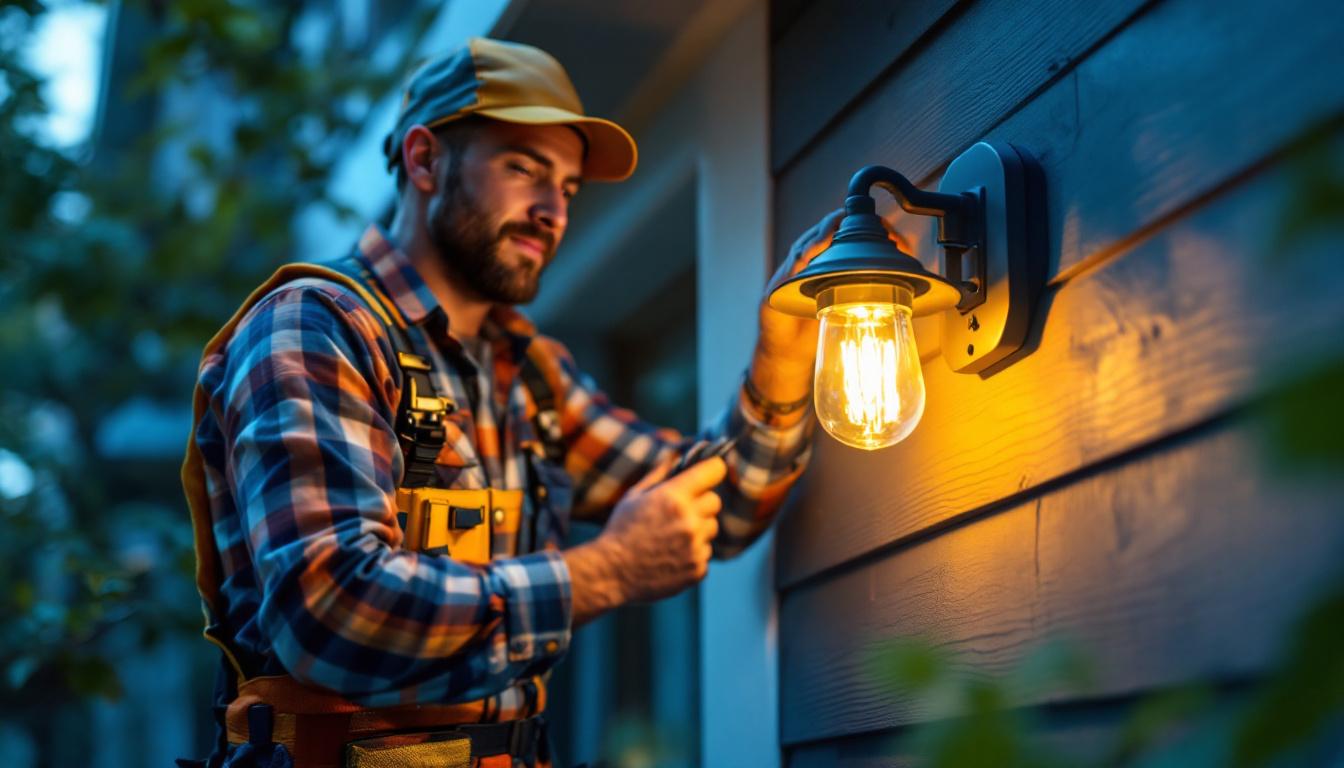
Mounting plates serve as the interface between the fixture and the mounting surface, typically a wall or ceiling. They provide a secure base that supports the weight of the fixture and houses the electrical connections. Without a properly chosen and installed mounting plate, even the most premium outdoor light fixtures can become unstable or unsafe over time.
Moreover, the material of the mounting plate is crucial, especially in outdoor settings where exposure to the elements can lead to corrosion or degradation. Stainless steel and heavy-duty plastic are popular choices due to their resistance to rust and weathering. Additionally, some mounting plates come with built-in gaskets or seals that further protect electrical connections from moisture, which is vital in preventing short circuits and ensuring the longevity of the lighting system. Understanding these materials and their properties can help contractors make informed decisions that enhance the durability of their installations.
Furthermore, the design of the mounting plate can also influence the aesthetic appeal of the lighting fixture. Many modern plates are designed not only for functionality but also to complement the style of the fixture and the surrounding architecture. This attention to detail can elevate the overall look of an outdoor space, making it more inviting and visually appealing. As such, contractors should consider both the practical and aesthetic aspects of mounting plates, ensuring that their selections align with the homeowner’s vision while maintaining structural integrity and safety.
Key Considerations When Selecting a Mounting Plate
Material and Durability
Outdoor environments expose mounting plates to a variety of harsh conditions—rain, snow, UV rays, and temperature fluctuations. The material of the mounting plate must resist corrosion and withstand these elements without degrading.
Common materials include aluminum, stainless steel, and galvanized steel. Aluminum is lightweight and corrosion-resistant, making it a popular choice for coastal or humid environments. Stainless steel offers superior strength and corrosion resistance but can be more expensive. Galvanized steel provides a cost-effective solution but may require additional coatings or treatments to enhance durability. In addition to these materials, some manufacturers are now exploring composite materials that combine the benefits of traditional metals with enhanced resistance to corrosion and environmental stressors. These composites can offer a longer lifespan and lower maintenance requirements, making them an attractive option for long-term installations.
Compatibility with Fixture and Surface
Not all mounting plates fit every fixture or surface type. Contractors must verify that the mounting plate matches the fixture’s mounting pattern and the electrical box dimensions. Some fixtures require specialized mounting plates designed to accommodate unique shapes or sizes.
Additionally, the mounting surface material—whether brick, stucco, wood, or metal—affects the choice of mounting plate and fasteners. For example, masonry surfaces often require mounting plates with pre-drilled holes for anchors, while wood surfaces may allow direct screw attachment. It’s also essential to consider the load-bearing capacity of the mounting plate in relation to the fixture it supports. Heavy fixtures, such as large outdoor lights or signs, may necessitate reinforced mounting plates or additional support structures to ensure safety and stability over time. Proper assessment of both the fixture and surface can prevent potential issues during installation and throughout the fixture’s lifespan.
Weatherproofing and Sealing
Outdoor electrical installations must comply with safety standards that prevent water ingress. Mounting plates often come with gaskets or seals to create a weatherproof barrier between the fixture and the wall. Ensuring a tight seal around the mounting plate prevents moisture from reaching electrical components, reducing the risk of shorts or corrosion.
Contractors should inspect mounting plates for integrated sealing features and use appropriate silicone or rubber gaskets during installation. This step is crucial in areas prone to heavy rain or snow. Furthermore, it’s advisable to consider the placement of the mounting plate in relation to prevailing winds and potential water runoff. By strategically positioning the plate and using additional protective measures, such as drip edges or overhangs, contractors can further enhance the weatherproofing of the installation. Regular maintenance checks can also help identify any wear or damage to the seals, ensuring ongoing protection against the elements.
Installation Best Practices for Mounting Plates
Preparing the Mounting Surface
Before attaching the mounting plate, the surface must be clean, dry, and structurally sound. Any cracks, loose materials, or moisture can compromise the mounting plate’s stability. For masonry surfaces, cleaning dust and debris from drilled holes ensures anchors grip firmly.
When working on painted surfaces, consider whether the paint is flaking or peeling. Removing loose paint and applying a primer can improve adhesion and prevent future issues. Additionally, it’s wise to inspect the surrounding area for any signs of water damage or rot, especially in wooden structures. If you notice any soft spots, it may be necessary to replace the affected wood to ensure a solid foundation for the mounting plate. Taking these extra steps can save time and resources in the long run by preventing future repairs.
Securing the Mounting Plate
Using the correct fasteners is essential. Stainless steel screws or bolts are preferred for outdoor use because they resist rust and maintain strength over time. The length and type of fastener depend on the mounting surface and fixture weight.
For heavier fixtures, contractors might need to use wall anchors, toggle bolts, or expansion anchors to ensure a secure hold. It’s important to follow manufacturer guidelines and local electrical codes to meet safety requirements. Furthermore, pre-drilling holes can help prevent the material from splitting, especially in hardwoods or older structures. Always check that the fasteners are rated for the specific load they will bear, as using under-rated fasteners can lead to catastrophic failures.
Ensuring Electrical Safety
Mounting plates often serve as a grounding point for the fixture. Proper grounding is non-negotiable for outdoor lighting to prevent electrical hazards. Contractors should verify that the mounting plate has the necessary grounding provisions and that the fixture’s ground wire is securely connected.
Additionally, all wiring connections should be made within weatherproof junction boxes or enclosures. The mounting plate should align perfectly with these boxes to avoid gaps that could allow water intrusion. It’s also advisable to use silicone sealant around the edges of the junction box to provide an extra layer of protection against moisture. Regular inspections of the installation, especially after severe weather, can help identify any potential issues early on, ensuring that the electrical components remain safe and functional over time.
Common Challenges and How to Overcome Them
Uneven or Irregular Surfaces
Outdoor walls are rarely perfectly flat. Uneven surfaces can cause mounting plates to sit improperly, leading to fixture misalignment or gaps. To address this, contractors can use shims or adjustable mounting plates designed to compensate for surface irregularities.
In some cases, custom fabrication of mounting plates may be necessary, especially for unique architectural features or retrofits. While this adds complexity, it ensures a professional finish and long-term reliability.
Dealing with Old or Non-Standard Electrical Boxes
Older homes or buildings may have outdated electrical boxes that don’t match modern mounting plate standards. This mismatch can complicate installations and pose safety risks.
Contractors should assess the condition and compatibility of existing boxes before proceeding. Replacing old boxes with weatherproof, code-compliant versions is often the best solution. When replacement isn’t feasible, adapters or universal mounting plates can bridge the gap.
Corrosion and Wear Over Time
Even the best materials degrade eventually. Regular maintenance inspections can catch early signs of corrosion or loosening fasteners. Lighting contractors can offer maintenance services to clients, extending the life of outdoor fixtures and preventing costly repairs.
Using corrosion-resistant coatings and periodically tightening fasteners during routine checks can significantly improve durability.
Regulatory and Code Compliance
Outdoor lighting installations must adhere to local electrical codes and standards, such as the National Electrical Code (NEC) in the United States. These codes specify requirements for weatherproofing, grounding, and mounting hardware.
Contractors should stay updated on code changes and ensure that mounting plates and installation methods meet or exceed these standards. Non-compliance not only risks safety but can lead to failed inspections and legal liabilities.
Enhancing Customer Satisfaction Through Quality Installation
Clients often judge the quality of outdoor lighting installations by the fixture’s appearance and reliability. A well-chosen and properly installed mounting plate contributes to a clean, professional look and ensures the fixture remains securely in place for years.
Lighting contractors who educate clients on the importance of mounting plates and offer durable, code-compliant solutions build trust and encourage repeat business. Clear communication about maintenance needs and potential upgrades also adds value to the service.
Conclusion: Mastering Mounting Plates for Superior Outdoor Lighting
The mounting plate is a small but vital component in outdoor lighting installations. Understanding its materials, compatibility, installation techniques, and maintenance requirements empowers lighting contractors to deliver safe, durable, and aesthetically pleasing results.
Attention to detail in selecting and installing mounting plates not only prevents common problems but also enhances overall project quality. For contractors committed to excellence, mastering the art of mounting plate installation is a step toward becoming a trusted expert in outdoor lighting.
Get Your Premium Mounting Plates at LumenWholesale
Ready to elevate your outdoor lighting installations with the highest quality mounting plates? Look no further than LumenWholesale, where we provide contractors with spec-grade lighting products at unbeatable wholesale prices. Our extensive selection is designed to meet the highest industry standards, ensuring you deliver safe, durable, and aesthetically pleasing results every time. Take advantage of our hassle-free bulk buying options and free shipping to get your premium lighting essentials at the best value. Don’t compromise on quality or affordability—shop at LumenWholesale now and become the trusted expert in outdoor lighting.