Choosing the Right Bulb Type for Track Lighting
Track lighting offers flexibility and style, but the choice of bulb can make or break the installation. Lighting contractors know that selecting the appropriate bulb type is critical not just for aesthetics but also for functionality and energy efficiency.
LED bulbs have become the dominant choice for track lighting due to their longevity and low heat output. Compared to halogen or incandescent bulbs, LEDs consume a fraction of the energy and can last tens of thousands of hours. This reduces maintenance calls and replacement costs, a key consideration for commercial and residential clients alike.
However, it’s not always as simple as swapping one bulb for another. Compatibility with the track system’s voltage and fixture design must be verified. For example, some track lighting systems are designed for low-voltage halogen bulbs, while others support line-voltage LED bulbs. Using the wrong type can cause flickering, reduced lifespan, or even damage to the fixture.
Halogen and Incandescent: When They Still Make Sense
Though LEDs dominate, halogen bulbs remain popular for certain applications. Their crisp, bright light and excellent color rendering index (CRI) make them suitable for galleries or retail environments where accurate color representation is essential. Incandescent bulbs, while less efficient, are sometimes preferred for their warm, inviting glow in hospitality settings.
Lighting contractors should weigh the benefits against the downsides: halogens run hotter and consume more power, which can increase cooling costs and shorten fixture life. Incandescents are being phased out in many regions due to energy regulations, so sourcing and stocking them may become increasingly difficult.
In addition to the type of bulb, the beam angle is another crucial factor to consider. Narrow beam angles are ideal for highlighting specific areas or objects, such as artwork or architectural features, while wider beam angles provide more general illumination. This versatility allows for creative lighting designs that can transform a space, making it feel larger or cozier depending on the desired effect. Furthermore, dimmable options are available for both LED and halogen bulbs, providing even more control over the ambiance and functionality of the lighting scheme.
Another emerging trend in track lighting is the integration of smart technology. Smart bulbs can be controlled via apps or voice commands, allowing users to adjust brightness, color temperature, and even set schedules for when the lights turn on or off. This not only enhances convenience but also contributes to energy savings, as users can ensure lights are only on when needed. As technology continues to evolve, the ability to customize and automate track lighting will likely become a standard expectation among consumers, pushing contractors to stay informed about the latest innovations in lighting solutions.
Color Temperature and Color Rendering: Getting the Mood Right
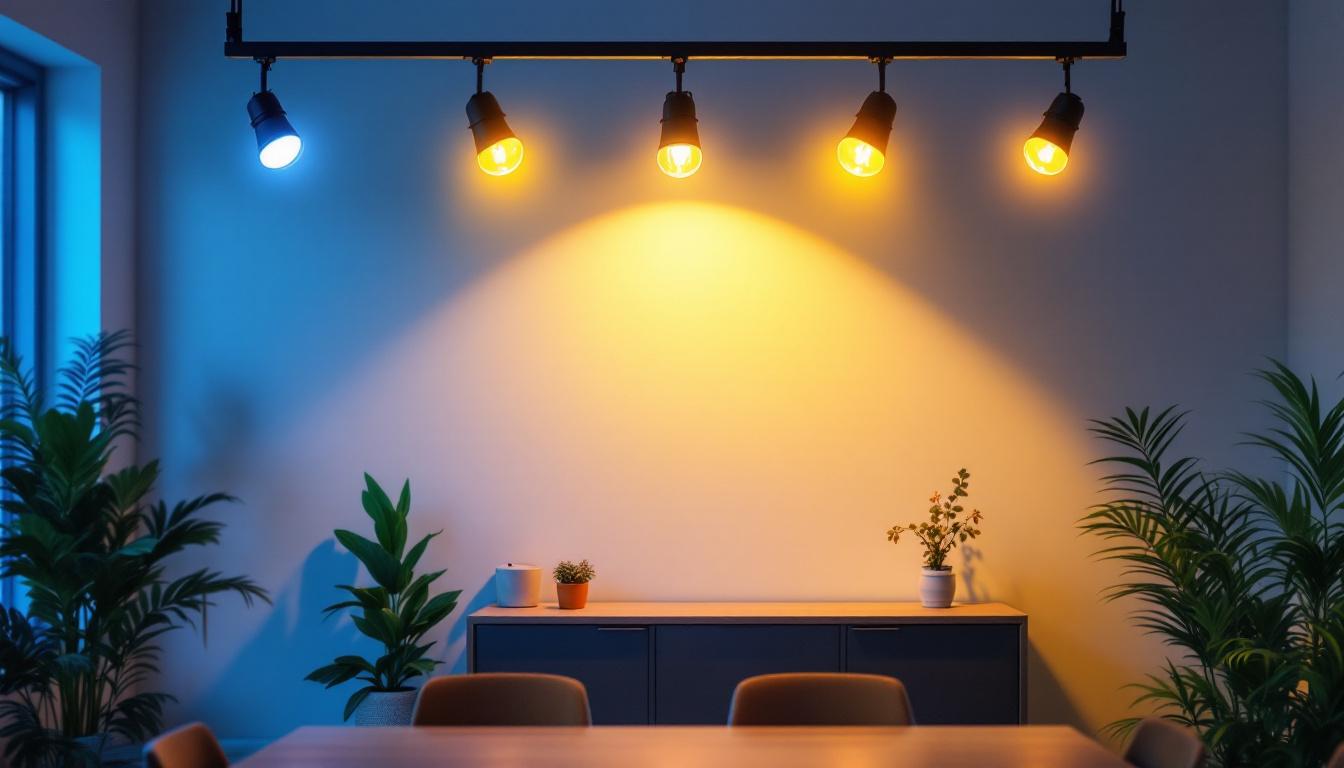
Color temperature, measured in Kelvins (K), directly influences the ambiance created by track lighting. Selecting the right temperature is crucial for meeting client expectations and enhancing the space’s function.
Warm white light (2700K to 3000K) produces a cozy, inviting atmosphere, ideal for residential spaces, restaurants, and lounges. This range of color temperature not only enhances the warmth of wood tones and soft textiles but also creates a relaxing environment conducive to social interaction. Neutral white (3500K to 4100K) strikes a balance and works well in offices or retail environments, where a more professional and clean appearance is desired. This temperature range can help reduce eye strain during long working hours, making it a popular choice for workspaces. Cool white or daylight bulbs (5000K and above) are preferred for task lighting or spaces requiring high visibility, such as workshops or galleries, where clarity and detail are paramount. The bright, crisp light can invigorate creativity and focus, making it an excellent choice for artists and designers.
Equally important is the Color Rendering Index (CRI), which measures how accurately a light source reveals colors compared to natural light. A CRI of 80 or above is generally acceptable, but for applications like art galleries, retail, or food displays, a CRI of 90+ is recommended to ensure colors appear vibrant and true. High CRI lighting can significantly enhance the customer experience in retail settings, as it allows products to be showcased in their best light, literally and figuratively. In food displays, for instance, the right lighting can make fresh produce look more appealing and appetizing, potentially increasing sales.
Balancing Efficiency and Visual Comfort
LED technology has made it easier to find bulbs that combine high CRI with energy efficiency. Some LEDs now offer CRI values close to 95 without sacrificing lumen output or lifespan. This advancement is particularly beneficial in environments where lighting is used extensively, as it reduces energy costs while maintaining visual quality. Lighting contractors should prioritize bulbs that maintain color fidelity over time, as cheaper LEDs can experience color shifts and dimming, which can alter the intended mood of a space. Furthermore, the longevity of LED bulbs means less frequent replacements, contributing to sustainability efforts and reducing waste.
Moreover, the integration of smart lighting systems allows for even greater control over color temperature and intensity. These systems can be programmed to adjust throughout the day, mimicking natural light patterns and enhancing the overall well-being of occupants. For instance, warmer tones can be used in the morning to create a gentle wake-up environment, while cooler tones can be introduced during the day to promote alertness and productivity. This adaptability not only improves comfort but also aligns with modern design principles that prioritize user experience and environmental responsibility.
Beam Angle and Light Distribution: Directing the Focus
Track lighting is often used to highlight specific areas or objects, so understanding beam angle and light distribution is essential. The beam angle determines how wide or narrow the light spreads from the bulb.
Narrow beam angles (15° to 30°) create focused spots, perfect for accentuating artwork, architectural details, or merchandise. Wider beam angles (40° to 60° or more) provide broader illumination, suitable for general lighting or ambient effects.
Lighting contractors should consider the mounting height and distance to the target when selecting beam angles. A narrow beam from a high ceiling might create overly harsh shadows, while a wide beam in a small space can cause light spillage and reduce contrast.
Types of Reflectors and Lenses
Some track lighting bulbs come with built-in reflectors or lenses designed to shape the light output. For instance, PAR (parabolic aluminized reflector) bulbs offer strong directional lighting with controlled beam spread. MR16 bulbs, often used in low-voltage systems, provide precise beam control but require compatible transformers.
Choosing the right reflector type can enhance the lighting effect and reduce glare, improving the visual experience for occupants and customers.
Compatibility and Electrical Considerations
Ensuring bulb compatibility with the track lighting system is a critical step often overlooked. Track lighting systems vary by voltage, connector type, and dimming capability.
Line-voltage systems operate directly on mains voltage (typically 120V or 230V), allowing for straightforward bulb replacement. Low-voltage systems (commonly 12V) require transformers, and bulbs must match the voltage to avoid premature failure or safety hazards.
Lighting contractors should verify the track’s brand and model specifications before ordering bulbs. Some manufacturers use proprietary connectors or require specific bulb shapes, limiting interchangeability.
Dimming and Control Systems
Many clients want dimmable track lighting for mood control or energy savings. Not all bulbs are dimmable, and even among dimmable LEDs, compatibility with dimmer switches varies widely. Using an incompatible dimmer can cause flickering, buzzing, or reduced bulb lifespan.
It’s advisable to test bulbs with the client’s dimmer system or recommend bulbs and dimmers known to work well together. Smart lighting controls, including wireless and app-based systems, add another layer of complexity but offer enhanced flexibility and customization.
Energy Efficiency and Sustainability
Energy efficiency is a top priority for many clients, especially commercial properties facing rising utility costs. Lighting contractors can add value by recommending bulbs that reduce energy consumption without compromising light quality.
LED track lighting bulbs typically use 75-80% less energy than halogen equivalents. Over time, this translates into significant savings and a lower carbon footprint. Additionally, LEDs generate less heat, reducing cooling loads in climate-controlled environments.
Many regions offer rebates or incentives for installing energy-efficient lighting. Contractors should stay informed about local programs to help clients offset upfront costs.
Disposal and Environmental Impact
Proper disposal of bulbs is another consideration. Halogen and incandescent bulbs can be disposed of as regular waste, but LEDs often contain electronic components that require recycling. Fluorescent track lighting options, though less common, contain mercury and must be handled carefully.
Contractors can guide clients on responsible disposal and recycling options to minimize environmental impact and comply with regulations.
Maintenance and Longevity
Track lighting installations are often in visible, high-use areas. Minimizing maintenance is a selling point for contractors and clients alike.
LED bulbs typically last 25,000 to 50,000 hours, far exceeding halogen or incandescent bulbs. This reduces the frequency of replacements and labor costs, especially in commercial spaces with high ceilings or difficult access.
Contractors should recommend bulbs with proven reliability and warranties. Quality brands often provide better performance consistency and customer support.
Cleaning and Handling Tips
Proper handling during installation extends bulb life. Oils from skin can degrade halogen bulbs quickly, so gloves or clean cloths are recommended. Dust accumulation on bulbs and fixtures can reduce light output and cause overheating, so regular cleaning schedules should be advised to clients.
Conclusion: Making Informed Choices for Track Lighting Bulbs
Lighting contractors play a pivotal role in ensuring track lighting systems perform optimally and meet client expectations. Selecting the right bulb involves balancing factors like bulb type, color temperature, beam angle, compatibility, energy efficiency, and maintenance.
Understanding the technical specifications and practical implications helps contractors provide tailored solutions that enhance spaces while controlling costs and environmental impact. Staying current with evolving lighting technologies and standards ensures that recommendations remain relevant and effective.
Ultimately, the right choice of light bulbs can transform a track lighting installation from merely functional to truly exceptional.
Illuminate Your Projects with LumenWholesale
Ready to elevate your track lighting installations with the finest bulbs in the market? At LumenWholesale, we provide lighting contractors like you with the highest quality, spec-grade lighting products at prices that can’t be beaten. Say goodbye to local distributor markups and hello to our extensive selection that meets rigorous industry standards. With free shipping on bulk orders, you can stock up on premium lighting solutions and enjoy the best value without any hidden costs. Don’t compromise on quality or price. Discover wholesale lighting at the best value today and make your next project shine with LumenWholesale.