The Crucial Role of Lighting in Beauty Salons
Lighting in beauty salons is far more than just an aesthetic choice; it is a functional necessity that influences both the client experience and the quality of services provided. For lighting contractors, understanding the science behind salon lighting is essential to designing spaces that enhance visibility, comfort, and ambiance.
Beauty salons rely heavily on precise lighting to ensure that makeup application, hair coloring, and other treatments are executed flawlessly. Poor lighting can lead to errors, client dissatisfaction, and even damage to a salon’s reputation. Therefore, contractors must approach salon lighting with a blend of technical knowledge and creative insight.
Why Lighting Matters in Beauty Salons
Clients expect to see themselves clearly and accurately under salon lighting. The lighting must mimic natural daylight to reveal true colors and textures, which is vital for services such as makeup application and hair coloring. Additionally, lighting impacts the mood and atmosphere of the salon, influencing customer comfort and perception of professionalism.
From a contractor’s perspective, the challenge lies in balancing functional illumination with energy efficiency and aesthetic appeal. This requires a deep understanding of light properties, fixture types, and placement strategies tailored to salon environments. For instance, LED lights are becoming increasingly popular due to their longevity and energy efficiency, but they must be chosen carefully to ensure they provide a color temperature that closely resembles natural light. Furthermore, dimmable options can allow for flexibility, enabling the salon to adjust the lighting based on the time of day or specific services being offered, thus enhancing the overall experience for clients.
Moreover, the strategic placement of lighting fixtures can create focal points that draw attention to specific areas within the salon, such as styling stations or product displays. Accent lighting can highlight these areas and create a sense of depth and dimension, making the salon feel more inviting. Additionally, integrating ambient lighting with task lighting can help to create a layered effect that not only enhances functionality but also adds to the overall aesthetic appeal. This thoughtful approach to lighting design can significantly elevate the salon’s atmosphere, making it a more enjoyable space for both clients and staff alike.
Understanding the Science of Light: Key Concepts for Contractors
Before selecting fixtures and designing layouts, contractors should familiarize themselves with fundamental lighting principles. These scientific concepts underpin the effectiveness of salon lighting and guide decision-making.
Color Temperature and Its Impact
Color temperature, measured in Kelvin (K), describes the hue of light emitted by a source. In beauty salons, the ideal color temperature ranges between 4000K and 5500K, closely simulating natural daylight. This range ensures that colors appear vivid and true to life, which is critical for accurate makeup and hair color application.
Lighting that is too warm (below 3000K) can cast a yellowish tint, distorting color perception, while overly cool lighting (above 6000K) may create a harsh, clinical atmosphere that is uninviting to clients. Additionally, the psychological effects of color temperature should not be overlooked; warmer tones can create a cozy and inviting environment, while cooler tones may enhance focus and alertness, influencing the overall client experience.
Color Rendering Index (CRI) and Visual Accuracy
The Color Rendering Index (CRI) measures a light source’s ability to reveal colors faithfully compared to natural light. A CRI of 80 or above is generally acceptable, but for beauty salons, a CRI of 90 or higher is recommended to ensure precise color discrimination.
High CRI lighting allows stylists to see subtle differences in hair tones and makeup shades, reducing the risk of errors and enhancing client satisfaction. Contractors should prioritize fixtures with high CRI ratings when specifying lighting for salon spaces. Furthermore, incorporating adjustable lighting options can empower stylists to modify the ambiance according to their needs, whether they are working on intricate makeup details or providing a relaxing hair treatment, thus enhancing both functionality and artistry in their work.
Illuminance and Uniformity
Illuminance refers to the amount of light falling on a surface, measured in lux. Beauty salons require adequate illuminance levels—typically between 750 and 1500 lux at workstations—to enable detailed tasks. Uniform lighting distribution minimizes shadows and glare, which can interfere with precision work.
Contractors must consider fixture placement and beam angles to achieve even lighting, avoiding hotspots or dark areas. Layered lighting strategies combining ambient, task, and accent lighting often yield the best results. Additionally, the use of dimmable fixtures can provide flexibility, allowing for adjustments based on the time of day or specific services being offered. This adaptability not only enhances the functionality of the space but also contributes to a more personalized experience for clients, making them feel more at ease and attended to during their visit.
Practical Lighting Solutions for Different Salon Zones
Beauty salons comprise various functional zones, each with unique lighting requirements. Contractors should tailor lighting designs to these zones to optimize performance and client experience.
Reception and Waiting Areas
The reception area sets the tone for the salon’s ambiance. Warm, inviting lighting with a color temperature around 3000K to 3500K creates a welcoming atmosphere. Accent lighting can highlight branding elements or decorative features, enhancing the overall aesthetic.
Energy-efficient LED fixtures with dimming capabilities allow for flexible mood settings, adapting to different times of day or special events. Contractors should also ensure glare-free lighting to maintain comfort for waiting clients.
Styling Stations and Work Areas
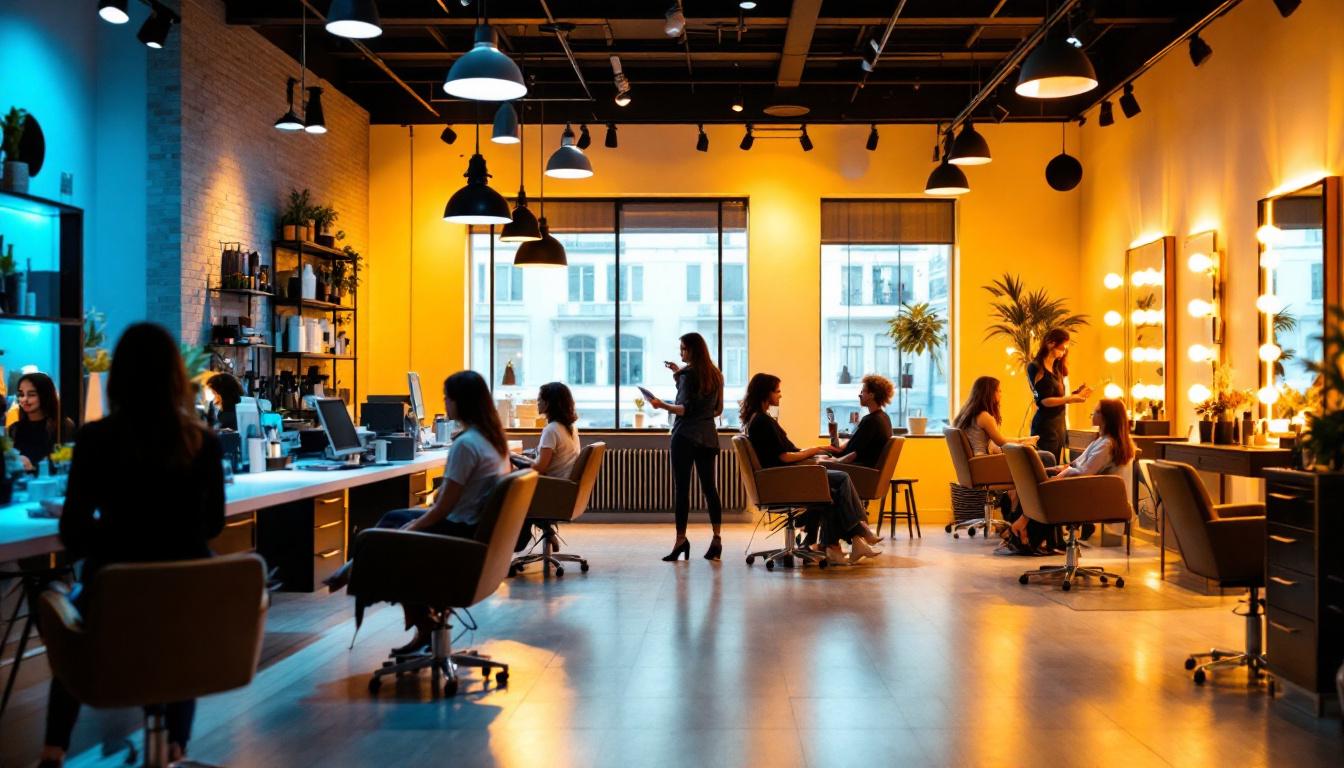
Styling stations demand the highest quality lighting due to the precision required in hair cutting, coloring, and makeup application. Bright, daylight-balanced lighting (4000K to 5500K) with a CRI above 90 is essential here.
Task lighting should be adjustable and shadow-free. Installing vertical light sources on either side of mirrors helps eliminate facial shadows, providing even illumination. Overhead lighting must complement task lights without creating glare or reflections.
Wash Stations and Treatment Rooms
Wash stations benefit from softer, more relaxing lighting to enhance client comfort during shampooing or treatments. Warm white light (around 3000K) with moderate illuminance creates a soothing environment.
Treatment rooms, such as those for facials or massages, require adjustable lighting to accommodate various procedures. Dimmable fixtures and color temperature tunability provide flexibility, allowing practitioners to customize lighting based on client needs and treatment type.
Advanced Lighting Technologies and Trends
Modern lighting technologies offer contractors innovative tools to enhance salon lighting design. Staying informed about these advancements can lead to more efficient, effective, and appealing installations.
LED Lighting: Efficiency and Versatility
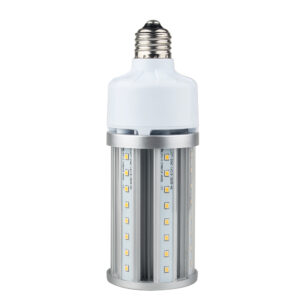
LED technology dominates contemporary salon lighting due to its energy efficiency, longevity, and color rendering capabilities. LEDs produce less heat, reducing discomfort for clients and staff, and are available in a wide range of color temperatures and CRI values.
Contractors can leverage LED fixtures with adjustable color temperature and brightness controls to create dynamic lighting environments that adapt throughout the day or for specific services.
Smart Lighting Controls
Integrating smart lighting systems allows salons to automate and customize lighting settings. Features such as occupancy sensors, programmable scenes, and remote control enhance convenience and energy savings.
For contractors, implementing smart controls requires collaboration with salon owners to understand operational workflows and client preferences, ensuring the system supports both functionality and ambiance.
Human-Centric Lighting (HCL)
Human-centric lighting focuses on aligning artificial light with natural circadian rhythms to improve well-being and productivity. In salons, HCL can enhance staff alertness during busy hours and promote relaxation during quieter periods.
Contractors can incorporate tunable white lighting systems that shift color temperature throughout the day, supporting natural biological cycles and contributing to a healthier work environment.
Common Challenges and Best Practices for Lighting Contractors
While designing and installing beauty salon lighting, contractors face several challenges that require careful consideration and expertise.
Balancing Aesthetics and Functionality
Salons demand lighting that is both visually appealing and highly functional. Contractors must navigate client expectations for stylish design while ensuring lighting meets technical requirements for accuracy and comfort.
Collaborating closely with salon owners and designers helps achieve a harmonious balance, integrating lighting fixtures seamlessly into the overall interior design.
Managing Glare and Shadows
Glare and shadows can compromise the quality of salon services and client comfort. Contractors should select fixtures with appropriate beam angles and diffusers to minimize these issues.
Strategic placement of multiple light sources, including side lighting and overhead illumination, helps create even lighting and reduces harsh contrasts.
Ensuring Energy Efficiency and Sustainability
Energy consumption is a significant consideration for commercial spaces like salons. Contractors should prioritize LED technology and smart controls to reduce energy use and operational costs.
Additionally, selecting fixtures with long lifespans and low maintenance requirements supports sustainability goals and minimizes disruptions for salon operations.
Conclusion: Elevating Beauty Salon Lighting Through Science and Expertise
For lighting contractors, mastering the science behind beauty salon lighting is key to delivering installations that enhance both the functional and experiential aspects of salon environments. By understanding color temperature, CRI, illuminance, and the unique needs of different salon zones, contractors can design lighting solutions that empower stylists and delight clients.
Embracing advanced technologies such as LED lighting, smart controls, and human-centric lighting further elevates the quality and efficiency of salon lighting. Addressing challenges with informed strategies ensures that lighting installations are not only beautiful but also practical and sustainable.
Ultimately, a well-lit beauty salon reflects professionalism, precision, and care—qualities that resonate with clients and contribute to the salon’s success. Lighting contractors who apply scientific principles with creativity and attention to detail play a vital role in shaping these exceptional spaces.
Illuminate Your Salon Projects with LumenWholesale
Ready to transform beauty salons with the science of lighting? At LumenWholesale, we provide lighting contractors with the highest quality, spec-grade lighting products at unbeatable wholesale prices. Our extensive selection is designed to meet the most rigorous industry standards, ensuring your projects shine with reliability and performance. Say goodbye to inflated markups and hello to hassle-free bulk buying with free shipping. Elevate your beauty salon lighting projects with the perfect blend of quality, affordability, and convenience. Discover Wholesale Lighting at the Best Value today and make every salon a beacon of beauty and professionalism.