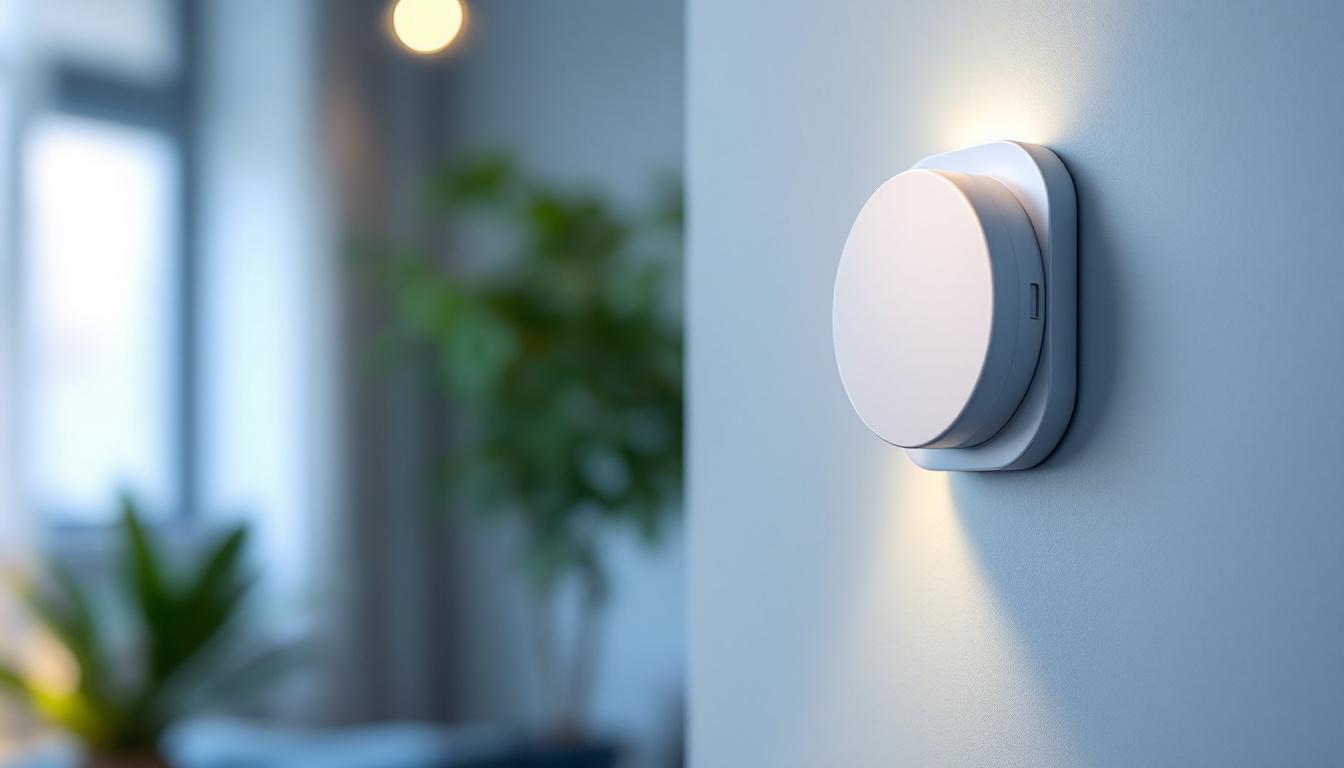
In the ever-evolving world of lighting technology, occupancy detectors have emerged as an essential component for both energy efficiency and user convenience. These devices not only enhance the functionality of lighting systems but also contribute significantly to sustainability efforts by reducing energy consumption. This article delves into everything lighting contractors need to know about occupancy detectors, from their types and benefits to installation tips and troubleshooting techniques.
Understanding Occupancy Detectors
Occupancy detectors are devices designed to automatically turn lights on or off based on the presence of people in a given space. They utilize various technologies to sense occupancy, ensuring that lights are only active when needed. This not only conserves energy but also extends the lifespan of lighting fixtures. By reducing unnecessary energy consumption, occupancy detectors contribute to a more sustainable environment, aligning with modern energy efficiency standards and helping to lower utility bills for both residential and commercial properties.
How They Work
Occupancy detectors typically operate through one of several sensing technologies: passive infrared (PIR), ultrasonic, or dual-technology. PIR sensors detect changes in infrared radiation, which is emitted by warm bodies. Ultrasonic sensors, on the other hand, emit high-frequency sound waves and measure the reflection off moving objects. Dual-technology sensors combine both methods to minimize false triggers and improve reliability. The choice of technology often depends on the specific requirements of the space, such as size, layout, and the presence of obstacles that could interfere with detection.
When a person enters a room, the detector senses the movement and activates the lighting. Once the area is vacated for a predetermined period, the lights automatically turn off. This seamless operation ensures that energy is not wasted in unoccupied spaces. Additionally, many modern occupancy detectors come equipped with adjustable settings, allowing users to customize the sensitivity and delay times according to their preferences, further enhancing their efficiency and user-friendliness.
Types of Occupancy Detectors
There are several types of occupancy detectors available, each suited for different applications and environments. Understanding these types can help lighting contractors select the most appropriate device for their projects. Different environments may require different features, such as the ability to handle varying levels of ambient light or the flexibility to integrate with existing building management systems.
- PIR Sensors: Best suited for smaller areas like restrooms or storage rooms, these sensors are cost-effective and easy to install. They typically have a limited range, making them ideal for confined spaces where movement is easily detected.
- Ultrasonic Sensors: Ideal for larger spaces or areas with obstacles, such as warehouses, as they can detect movement around corners. These sensors are particularly useful in environments where people may be moving in and out frequently, as they can pick up even the slightest motion.
- Dual-Technology Sensors: Combining both PIR and ultrasonic technologies, these are perfect for environments requiring high reliability, such as conference rooms or classrooms. By utilizing both technologies, dual-sensors can significantly reduce the likelihood of false positives, ensuring that lights only activate when truly necessary.
In addition to the basic types, some occupancy detectors offer advanced features such as daylight harvesting capabilities, which allow them to adjust lighting levels based on the amount of natural light in the room. This not only enhances energy savings but also creates a more comfortable environment by maintaining optimal lighting conditions throughout the day. Moreover, with the rise of smart building technology, many occupancy detectors can now be integrated into broader building automation systems, enabling centralized control and monitoring for enhanced efficiency and convenience.
Benefits of Using Occupancy Detectors
The integration of occupancy detectors into lighting systems offers numerous advantages that extend beyond mere convenience. For lighting contractors, understanding these benefits can facilitate better client relationships and project outcomes.
Energy Efficiency
One of the most significant benefits of occupancy detectors is their ability to conserve energy. By ensuring that lights are only on when spaces are occupied, these devices can lead to substantial reductions in energy consumption. This not only lowers utility bills but also aligns with sustainability goals, making it an attractive option for environmentally conscious clients. Furthermore, many utility companies offer incentives or rebates for the installation of energy-efficient technologies, which can further enhance the cost-effectiveness of using occupancy detectors in both residential and commercial settings.
Enhanced Safety and Security
Occupancy detectors can also enhance safety and security in various settings. In commercial buildings, for instance, lights can automatically illuminate pathways when someone enters, reducing the risk of accidents. In residential applications, these detectors can deter unauthorized access by ensuring that lights activate upon movement. Additionally, some advanced systems can be integrated with security cameras and alarms, providing a comprehensive safety solution that not only alerts occupants but can also notify security personnel in real-time, thereby increasing the overall security posture of a property.
Increased Comfort and Convenience
By automating lighting, occupancy detectors provide a level of convenience that enhances user experience. Individuals no longer need to fumble for switches in dark spaces; lights will activate as they enter. This feature is particularly beneficial in high-traffic areas such as hallways, bathrooms, and offices. Moreover, the ability to customize settings, such as adjusting the sensitivity and duration of light activation, allows users to tailor the system to their specific needs. This personalization can significantly enhance the comfort of occupants, making spaces feel more welcoming and user-friendly, which is especially important in environments like healthcare facilities where patient comfort is paramount.
Installation Considerations
Proper installation of occupancy detectors is crucial for optimal performance. Lighting contractors should be aware of several key factors to ensure that these devices function effectively in their intended environments.
Location and Coverage
The placement of occupancy detectors significantly impacts their effectiveness. It is essential to install them in locations where they can adequately cover the intended area without obstructions. For example, PIR sensors should be positioned to avoid direct exposure to heat sources like HVAC vents, which could cause false readings.
Additionally, understanding the coverage range of each type of sensor is vital. Ultrasonic sensors, for instance, can detect movement around corners, making them suitable for irregularly shaped rooms. In contrast, PIR sensors have a more limited range and are best suited for open spaces.
Wiring and Power Supply
Most occupancy detectors require a power source to operate. Lighting contractors should ensure that the wiring is correctly installed and that the power supply meets the specifications of the device. In some cases, battery-powered options may be available, providing flexibility in installation without the need for extensive wiring.
Testing and Calibration
After installation, thorough testing and calibration are necessary to ensure that the occupancy detectors function as intended. This process involves adjusting sensitivity settings and time delays based on the specific needs of the space. For instance, a conference room may require a shorter time delay than a storage area, where occupants may come and go less frequently.
Common Challenges and Troubleshooting
Despite their advantages, occupancy detectors can sometimes present challenges. Being aware of common issues and their solutions can help lighting contractors address concerns promptly and maintain client satisfaction.
False Triggers
One of the most common issues with occupancy detectors is false triggering, where lights activate without the presence of a person. This can be caused by various factors, including heat sources, moving objects, or even pets. To mitigate this, contractors should carefully assess the installation location and adjust sensitivity settings accordingly.
Inconsistent Performance
Inconsistent performance can also occur, where lights fail to activate or turn off at inappropriate times. This issue may stem from improper placement or obstructions affecting the sensor’s range. Conducting a thorough site evaluation before installation can help identify potential obstacles and ensure reliable operation.
Maintenance and Upkeep
Regular maintenance is essential to keep occupancy detectors functioning optimally. Dust and debris can obstruct sensors, leading to performance issues. Lighting contractors should advise clients on the importance of periodic cleaning and inspection to ensure longevity and reliability.
Integrating Occupancy Detectors with Smart Lighting Systems
As technology advances, the integration of occupancy detectors with smart lighting systems has become increasingly popular. This combination offers enhanced control and flexibility, allowing users to customize their lighting experiences.
Smart Home Integration
In residential applications, occupancy detectors can be integrated with smart home systems, allowing users to control their lighting remotely. This integration can enhance convenience, enabling homeowners to adjust lighting settings based on their preferences or even receive notifications when lights are activated.
Commercial Applications
In commercial settings, the integration of occupancy detectors with building management systems can lead to significant energy savings. These systems can analyze occupancy patterns and adjust lighting schedules accordingly, optimizing energy use throughout the building.
Future Trends
The future of occupancy detection technology is promising, with advancements in artificial intelligence and machine learning paving the way for smarter systems. These technologies can learn occupancy patterns over time, allowing for even more efficient lighting control and energy management.
Conclusion
Occupancy detectors represent a significant advancement in lighting technology, offering numerous benefits for both energy efficiency and user convenience. For lighting contractors, understanding the various types, installation considerations, and troubleshooting techniques is essential for successful implementation. As the demand for smart lighting solutions continues to grow, integrating occupancy detectors into lighting systems will become increasingly important. By staying informed and adapting to technological advancements, lighting contractors can enhance their service offerings and contribute to a more sustainable future.
Get Your Premium Occupancy Detectors at LumenWholesale
Ready to elevate your lighting projects with the latest in occupancy detector technology? Look no further than LumenWholesale for all your lighting needs. Our extensive selection of spec-grade lighting products ensures that you have access to the most reliable and high-performance occupancy detectors on the market. With unbeatable wholesale prices and the convenience of free shipping on bulk orders, LumenWholesale is your go-to source for quality lighting without the inflated markups. Don’t compromise on quality or value—choose LumenWholesale for Wholesale Lighting at the Best Value and make your next project shine.