Why Motion Sensor Driveway Lights Matter
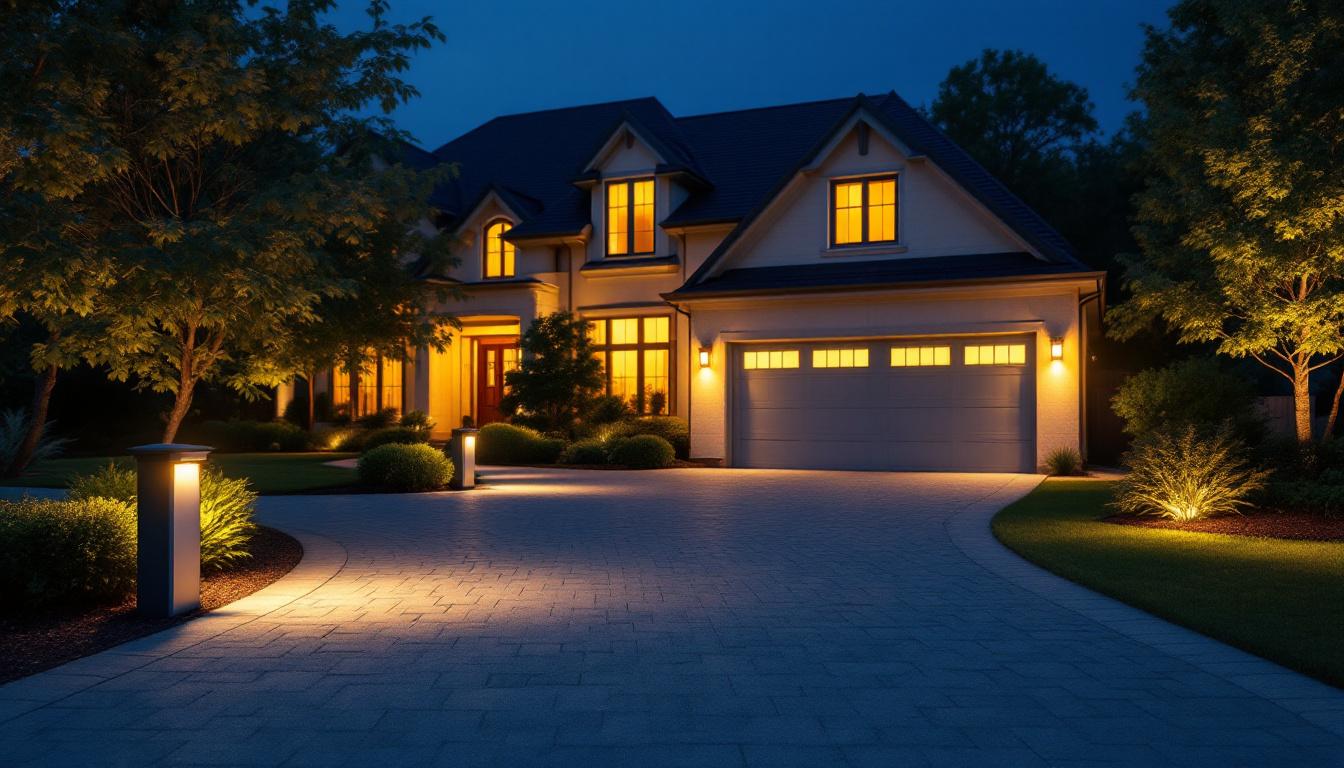
Driveway lighting is more than just an aesthetic choice; it’s a crucial element of home security and safety. Motion sensor driveway lights take this a step further by activating only when movement is detected. This feature not only conserves energy but also provides immediate illumination when it’s most needed—when someone approaches the property. The technology behind these lights has evolved significantly, with many models now equipped with adjustable sensitivity settings and timers, allowing homeowners to customize their lighting experience based on their specific needs and preferences.
For lighting contractors, understanding the benefits and technical aspects of motion sensor driveway lights can elevate the quality of installations and client satisfaction. These lights deter potential intruders, reduce the risk of accidents, and enhance curb appeal, making them a smart upgrade for residential and commercial properties alike. Furthermore, the integration of smart technology in these lights allows for remote monitoring and control via smartphones, providing an added layer of convenience and peace of mind for homeowners who want to keep an eye on their property from anywhere.
Energy Efficiency and Cost Savings
Traditional driveway lighting often runs continuously through the night, leading to unnecessary energy consumption and higher utility bills. Motion sensor lights, however, operate only when triggered, significantly reducing electricity usage. This efficiency appeals to environmentally conscious customers and those looking to cut costs without compromising safety. Many modern motion sensor lights also utilize LED technology, which not only lasts longer but also consumes significantly less power compared to traditional incandescent bulbs, further enhancing energy savings.
From a contractor’s perspective, recommending motion sensor lights aligns with sustainable building practices and can be a selling point during consultations. Clients appreciate solutions that combine functionality with energy savings. Additionally, the long lifespan of these lights means fewer replacements and less waste, making them an attractive option for those who are mindful of their environmental footprint. By highlighting these benefits, contractors can position themselves as knowledgeable professionals who prioritize both client satisfaction and eco-friendliness.
Enhanced Security and Safety
Motion sensor lights act as an immediate alert system. When a vehicle or person approaches, the sudden illumination can startle potential intruders and notify homeowners of activity outside. This quick response feature is often more effective than standard timers or manual switches. Many models also come equipped with features such as adjustable light duration and brightness, allowing homeowners to tailor the response to their specific environment and security needs. This adaptability can be particularly beneficial in areas with high foot traffic or wildlife, where constant lighting may not be necessary.
Additionally, well-lit driveways reduce the risk of trips and falls. For elderly residents or those with limited mobility, motion-activated lighting can provide the necessary visibility to navigate safely after dark. The presence of these lights can also encourage outdoor activities in the evening, as families feel more secure moving around their property. Moreover, the strategic placement of motion sensor lights can illuminate pathways, steps, and other potential hazards, creating a safer environment for everyone. This combination of security and safety features makes motion sensor driveway lights an invaluable addition to any property.
Choosing the Right Motion Sensor Driveway Lights
Not all motion sensor lights are created equal. Selecting the right type involves considering sensor technology, light output, durability, and installation requirements. Lighting contractors must evaluate these factors to recommend the best options for each project.
Types of Motion Sensors
There are primarily two types of sensors used in driveway lighting: passive infrared (PIR) and microwave sensors. PIR sensors detect heat signatures from moving objects, making them highly effective for outdoor use. They are less prone to false triggers caused by wind or small animals.
Microwave sensors emit microwave pulses and measure the reflection off moving objects. While they can cover a wider area and penetrate certain materials, they may be more sensitive to environmental factors, potentially causing false activations.
For driveway applications, PIR sensors are generally preferred due to their accuracy and reliability.
Light Output and Color Temperature
Brightness is measured in lumens, and the right level depends on the size of the driveway and surrounding area. A small residential driveway might require between 700 and 1,200 lumens per fixture, while larger commercial driveways could need significantly more.
Color temperature, measured in Kelvins (K), affects the ambiance and visibility. Lights in the 3,000K to 4,000K range offer a neutral white light that balances warmth and clarity, ideal for residential settings. Cooler temperatures (above 5,000K) produce a bluish light, often used in commercial or industrial environments for maximum visibility.
Durability and Weather Resistance
Outdoor lighting must withstand harsh weather conditions. Look for fixtures with an IP65 rating or higher, indicating they are dust-tight and protected against water jets. Materials like die-cast aluminum and tempered glass enhance longevity and reduce maintenance needs.
Contractors should also consider corrosion resistance, especially for installations in coastal or humid areas. Stainless steel components and powder-coated finishes can prevent rust and degradation over time.
Installation Best Practices for Motion Sensor Driveway Lights
Proper installation is key to maximizing the effectiveness of motion sensor driveway lights. Lighting contractors must pay attention to sensor placement, wiring, and integration with existing electrical systems.
Optimal Sensor Placement
Positioning the sensor correctly ensures reliable detection and minimizes false triggers. Sensors should be mounted at a height between 6 and 10 feet, angled to cover the driveway’s main access points without picking up irrelevant movements like tree branches or passing cars on the street.
Avoid direct exposure to bright lights or reflective surfaces that could interfere with sensor performance. Testing the detection zone before finalizing installation helps fine-tune the sensor’s range and sensitivity.
Wiring and Power Considerations
Motion sensor lights can be powered by hardwired electrical connections, solar panels, or batteries. Hardwired systems offer consistent power and are preferred for permanent installations, especially in commercial settings. However, they require careful planning to comply with electrical codes and ensure safety.
Solar-powered lights provide flexibility and reduce energy costs but depend on adequate sunlight exposure. Battery-operated models are best suited for temporary or low-traffic areas due to limited runtime.
Contractors should evaluate site conditions and client preferences before selecting the power source.
Integration with Smart Home Systems
Increasingly, clients request smart lighting solutions that integrate with home automation systems. Motion sensor driveway lights can be connected to Wi-Fi or Zigbee networks, allowing remote control, scheduling, and notifications via smartphone apps.
For contractors, offering smart integration can differentiate services and meet the growing demand for connected home technologies. It’s important to ensure compatibility with existing systems and provide clear instructions for setup and use.
Common Challenges and How to Overcome Them
Installing motion sensor driveway lights comes with potential pitfalls. Awareness of these challenges helps contractors deliver reliable, trouble-free lighting solutions.
False Triggers and Sensitivity Issues
One of the most common complaints is lights turning on unnecessarily due to animals, moving foliage, or passing vehicles. To reduce false triggers, adjust the sensor’s sensitivity and detection angle. Installing shields or barriers to block irrelevant movement can also help.
Choosing sensors with adjustable time delays ensures lights stay on long enough for safety without wasting energy.
Interference from Environmental Factors
Rain, snow, fog, and extreme temperatures can affect sensor performance. Selecting fixtures rated for the local climate and performing regular maintenance checks can mitigate these issues.
Contractors should educate clients about seasonal adjustments and cleaning requirements to maintain optimal function.
Compatibility with Existing Lighting
When retrofitting motion sensor lights into an established lighting system, compatibility can be a concern. Voltage mismatches, wiring differences, and control system conflicts may arise.
Conducting a thorough site assessment and using compatible components prevents installation headaches and ensures seamless operation.
Maximizing Client Satisfaction with Motion Sensor Driveway Lights
Beyond technical expertise, lighting contractors can enhance client relationships by offering tailored solutions and clear communication.
Customized Lighting Plans
Every property has unique needs. Conducting a detailed site survey and discussing client priorities-security, aesthetics, energy savings-allows contractors to design a lighting plan that fits perfectly.
Providing visual aids, such as layout diagrams or 3D renderings, helps clients understand the proposed solution and feel confident in their investment.
Demonstrations and Education
Showing clients how motion sensor lights operate, including sensor adjustments and smart features, empowers them to get the most out of their system. Offering maintenance tips and troubleshooting advice builds trust and reduces service calls.
Aftercare and Support
Follow-up visits or remote check-ins can identify potential issues early and reinforce the contractor’s commitment to quality. Providing warranties and clear documentation further assures clients of the product’s reliability.
Future Trends in Motion Sensor Driveway Lighting
Technology continues to evolve, presenting new opportunities for lighting contractors to innovate.
Integration with AI and Advanced Sensors
Artificial intelligence is beginning to influence lighting systems, enabling smarter detection that can differentiate between humans, animals, and vehicles. This reduces false alarms and enhances security.
Advanced sensors with thermal imaging or combined PIR and microwave capabilities offer greater accuracy and adaptability.
Energy Harvesting and Sustainability
Next-generation solar panels and energy storage solutions promise longer runtimes and more reliable performance, even in low-light conditions. Sustainable materials and manufacturing processes are also gaining traction among environmentally conscious clients.
Enhanced Connectivity and Automation
Motion sensor driveway lights will increasingly integrate with broader smart city infrastructure, allowing remote monitoring by security services or municipal authorities. For contractors, staying abreast of these developments can open new business avenues.
Conclusion
Motion sensor driveway lights are a valuable addition to any property, combining security, safety, and efficiency in a single package. For lighting contractors, mastering the selection, installation, and maintenance of these systems is essential to delivering superior service.
By understanding sensor technologies, installation best practices, and client needs, contractors can provide tailored solutions that enhance property value and peace of mind. Staying informed about emerging trends ensures continued relevance in a competitive market.
Ultimately, motion sensor driveway lighting is not just about illumination-it’s about creating safer, smarter environments that respond dynamically to the world around them.
Illuminate Your Projects with LumenWholesale
Ready to elevate your lighting installations with the latest in motion sensor driveway lights? Look no further than LumenWholesale, where we provide lighting contractors with the highest quality, spec-grade lighting products at unbeatable wholesale prices. Our extensive selection is designed to meet the highest industry standards, ensuring that every project shines with reliability and high performance. Plus, with the convenience of free shipping on bulk orders, you can enjoy premium lighting solutions at the best value — all without hidden fees or compromises. Enhance your property’s safety, security, and efficiency today by visiting Wholesale Lighting at the Best Value and discover the LumenWholesale difference.