Introduction to Outdoor Motion Detectors
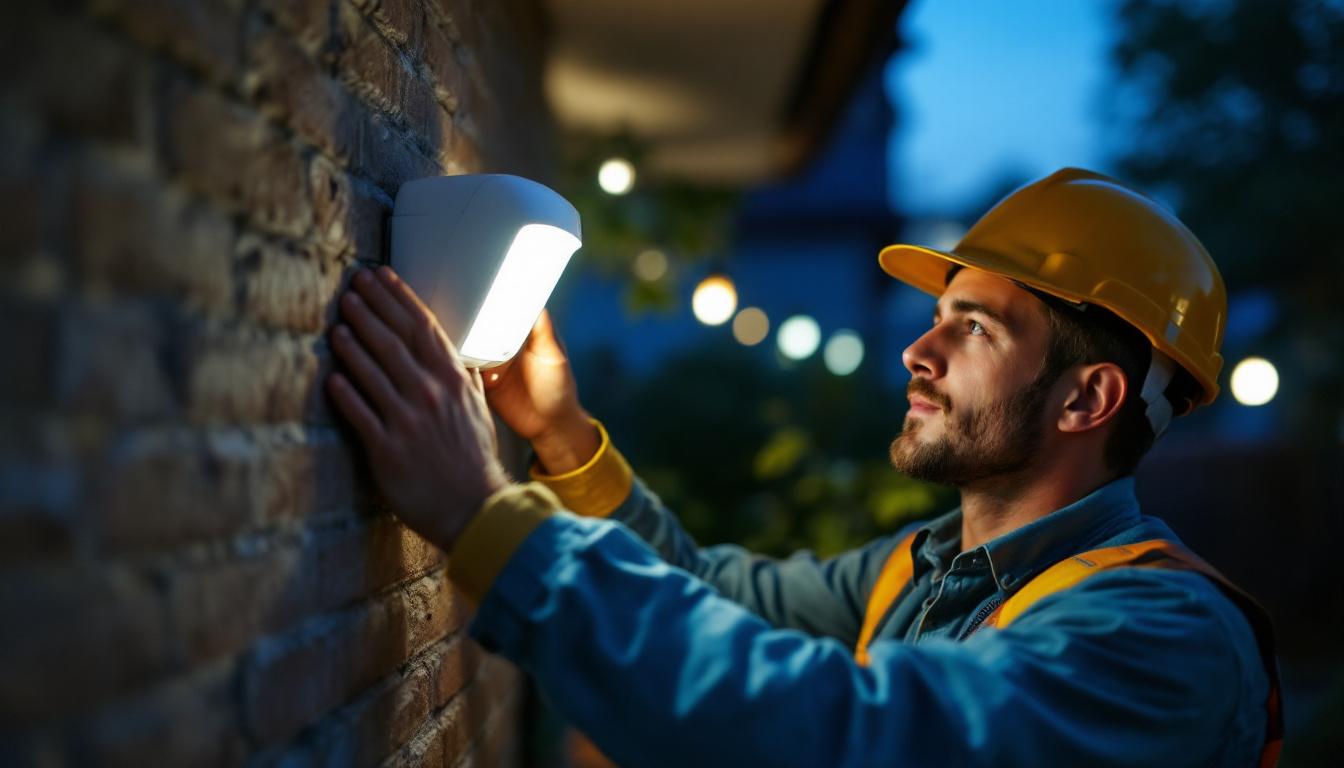
Outdoor motion detectors have become an essential component in modern lighting systems, especially for security and energy efficiency. For lighting contractors, understanding the nuances of these devices is crucial to delivering optimal solutions to clients. This handbook aims to provide a comprehensive overview of outdoor motion detectors, focusing on their types, installation best practices, and integration with lighting systems.
Motion detectors not only enhance security by illuminating areas when movement is detected but also contribute significantly to energy savings by ensuring lights are only on when necessary. With the increasing demand for smart and sustainable lighting solutions, contractors must stay informed about the latest technologies and standards in motion detection.
There are several types of outdoor motion detectors available, each designed to cater to specific needs and environments. Passive infrared (PIR) sensors, for instance, are widely used due to their effectiveness in detecting heat emitted by moving objects, such as people and animals. These sensors are particularly beneficial in residential settings, where they can be strategically placed to monitor driveways, gardens, and entry points. Ultrasonic sensors, on the other hand, utilize sound waves to detect motion and are ideal for larger areas, as they can cover a wider range. Understanding the strengths and limitations of each type can help contractors recommend the best solution for their clients’ unique situations.
Moreover, the integration of outdoor motion detectors with smart home systems has revolutionized the way we approach security and energy management. Many modern motion detectors can now connect to Wi-Fi networks, allowing homeowners to receive real-time alerts on their smartphones when motion is detected. This feature not only enhances security but also provides users with the ability to control their outdoor lighting remotely, adjusting settings based on their preferences or schedules. As technology continues to evolve, lighting contractors must be adept at navigating these advancements, ensuring that installations are not only functional but also compatible with the latest smart home innovations.
Types of Outdoor Motion Detectors
Passive Infrared (PIR) Sensors
PIR sensors are the most common type of motion detectors used outdoors. They detect infrared radiation emitted by warm objects, such as humans or animals, within their field of view. When a warm body moves across the sensor’s detection zone, it triggers the lighting system.
One of the advantages of PIR sensors is their energy efficiency and reliability in detecting human movement. However, they can sometimes be triggered by animals or environmental factors like sunlight reflections, so proper placement is critical. For instance, positioning the sensor away from direct sunlight and high-traffic animal paths can significantly reduce false alarms. Additionally, many modern PIR sensors come equipped with adjustable sensitivity settings, allowing users to fine-tune their detection capabilities based on specific environmental conditions.
Microwave Sensors
Microwave sensors emit microwave pulses and measure the reflection off moving objects. They tend to have a wider detection range and can penetrate certain materials like glass or thin walls. This makes them suitable for areas where PIR sensors might be less effective. Their ability to detect motion through obstacles can be particularly beneficial in complex outdoor environments, such as gardens with dense foliage or commercial properties with multiple buildings.
However, microwave sensors are generally more expensive and can be prone to false alarms caused by moving objects outside the intended detection area, such as passing vehicles or swaying branches. To mitigate these issues, some models include features like adjustable detection zones and sensitivity levels, allowing users to customize their operation to minimize disruptions. Furthermore, the integration of smart technology in microwave sensors can enable remote monitoring and alerts, providing an added layer of security for property owners.
Dual-Technology Sensors
Combining PIR and microwave technologies, dual-technology sensors aim to reduce false alarms by requiring both sensors to detect motion before triggering the light. This approach enhances accuracy and reliability, making it a preferred choice for many outdoor applications. The synergy between the two technologies allows for a more comprehensive detection system that can adapt to various conditions, ensuring that legitimate movements are captured while minimizing unnecessary activations.
For lighting contractors, recommending dual-technology sensors can be a selling point for clients seeking robust security and minimal nuisance activations. Additionally, many dual-technology sensors come equipped with features such as adjustable time delays and ambient light sensors, which can further enhance their functionality. This means that lights can remain off during daylight hours, conserving energy while still providing security during the night. As outdoor security needs evolve, dual-technology sensors represent a forward-thinking solution that balances effectiveness with user convenience, making them an ideal choice for both residential and commercial properties.
Key Features and Specifications to Consider
Detection Range and Angle
The detection range and angle define how far and wide the sensor can detect motion. Outdoor motion detectors typically have ranges from 30 to 70 feet and angles between 90 to 360 degrees. Selecting the appropriate range and angle depends on the installation environment and the area that needs coverage.
For example, a driveway might require a long-range sensor with a narrow detection angle to focus on vehicle movement, while a backyard might benefit from a wider angle to cover multiple access points.
Adjustable Sensitivity and Time Delay
Adjustable sensitivity allows contractors to fine-tune the sensor to detect motion only when desired, reducing false triggers from small animals or environmental factors. Time delay settings control how long the light stays on after motion is detected, which can be customized based on client preferences and energy-saving goals.
Weather Resistance and Durability
Outdoor motion detectors must withstand various weather conditions, including rain, snow, and extreme temperatures. Look for devices with high IP (Ingress Protection) ratings, typically IP65 or higher, ensuring protection against dust and water ingress.
Durability also extends to UV resistance and impact resistance, which are important for long-term performance and reducing maintenance calls.
Power Supply Options
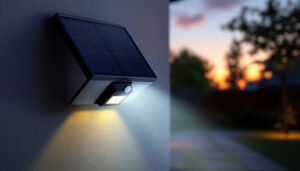
Motion detectors can be powered through hardwired connections, batteries, or solar panels. Hardwired systems offer reliability and continuous power but require more complex installation. Battery-powered units provide flexibility and ease of installation but need regular maintenance. Solar-powered detectors are ideal for remote locations without electrical access but depend on sunlight availability.
Installation Best Practices for Lighting Contractors
Site Assessment and Planning
Before installation, conduct a thorough site assessment to identify the areas requiring coverage and potential sources of false triggers. Consider environmental factors such as trees, bushes, and reflective surfaces that could affect sensor performance.
Mapping out the detection zones and planning the sensor placement ensures optimal coverage and minimizes unnecessary activations. Consulting with the client about their security concerns and lighting preferences is also essential.
Optimal Sensor Placement
Position sensors at a height between 6 to 10 feet for best detection performance. Mounting too low may result in frequent false alarms from small animals, while mounting too high can reduce sensitivity to human movement.
Avoid pointing sensors directly at heat sources, reflective surfaces, or busy roads to reduce false triggers. Angling the sensor slightly downward can help focus detection on the intended area.
Wiring and Electrical Considerations
For hardwired installations, ensure all wiring complies with local electrical codes and standards. Use weatherproof junction boxes and conduit to protect connections from moisture and physical damage.
When integrating motion detectors with existing lighting circuits, verify compatibility with dimmers, timers, and other control devices to prevent conflicts and ensure smooth operation.
Testing and Calibration
After installation, test the sensor’s detection range, sensitivity, and time delay settings. Walk through the detection zones to verify consistent activation without false alarms.
Make adjustments as needed to balance security and convenience. Document the settings and provide clients with instructions for future adjustments or troubleshooting.
Integration with Lighting Systems and Smart Technologies
Compatibility with LED Lighting
LED lighting is increasingly popular due to its energy efficiency and longevity. Ensure that motion detectors are compatible with LED fixtures, as some sensors may have issues with low-wattage or electronic ballasts.
Many modern motion detectors are designed specifically for LED compatibility, preventing flickering and ensuring reliable operation.
Smart Home and Building Automation Integration
Outdoor motion detectors can be integrated into smart home or building automation systems, allowing remote monitoring and control. This integration enhances security by enabling alerts, automated lighting schedules, and adaptive responses based on occupancy patterns.
For lighting contractors, offering smart integration services can add value and appeal to tech-savvy clients seeking advanced security solutions.
Energy Management and Sustainability
Motion detectors contribute significantly to energy savings by reducing unnecessary lighting usage. When combined with daylight sensors and programmable timers, they optimize energy consumption without compromising safety.
Highlighting these benefits to clients aligns with growing environmental awareness and regulatory incentives for sustainable building practices.
Common Challenges and Troubleshooting Tips
False Alarms and Nuisance Triggers
False alarms are a frequent complaint with outdoor motion detectors. Common causes include animals, moving branches, reflections, and weather conditions like wind or rain.
To mitigate these issues, recommend sensors with adjustable sensitivity, dual-technology options, and proper placement away from known triggers.
Sensor Malfunctions and Maintenance
Outdoor sensors are exposed to harsh conditions that can affect performance over time. Regular maintenance, such as cleaning lenses and checking for physical damage, helps maintain reliability.
Advise clients on routine inspection schedules and provide service agreements for ongoing support.
Compatibility Issues
Incompatibility between motion detectors and lighting fixtures or control systems can lead to flickering, delayed activation, or failure to trigger. Always verify product specifications and conduct compatibility tests before full installation.
Conclusion: Delivering Value as a Lighting Contractor
Outdoor motion detectors are a vital element in modern lighting and security systems. For lighting contractors, mastering the selection, installation, and integration of these devices is key to providing high-quality, reliable solutions.
By understanding the different sensor technologies, considering environmental factors, and embracing smart integration, contractors can enhance client satisfaction and expand their service offerings. Staying informed about evolving standards and innovations ensures that lighting professionals remain competitive and trusted experts in their field.
Ultimately, effective use of outdoor motion detectors not only improves safety and convenience but also supports energy efficiency and sustainable building practices—an increasingly important consideration in today’s market.
Get Your Premium Outdoor Motion Detectors at LumenWholesale
Ready to elevate your lighting projects with the latest in outdoor motion detector technology? Look no further than LumenWholesale for a comprehensive selection of spec-grade lighting products that combine quality with unbeatable wholesale value. Our direct-to-contractor approach means you get the best prices without the middleman markup, and with free shipping on bulk orders, you can stock up on all the high-performance lighting solutions your projects demand. Enhance your service offerings and delight your clients with the perfect blend of efficiency, affordability, and cutting-edge technology. Discover the ideal lighting solutions for your next project at Wholesale Lighting at the Best Value and experience the LumenWholesale difference today.