Understanding Motion Detector Sconces: What Lighting Contractors Need to Know
Motion detector sconces have become an essential component in modern lighting design, combining functionality, energy efficiency, and security. For lighting contractors, understanding how these devices work, their benefits, and installation considerations is key to delivering optimal solutions to clients.
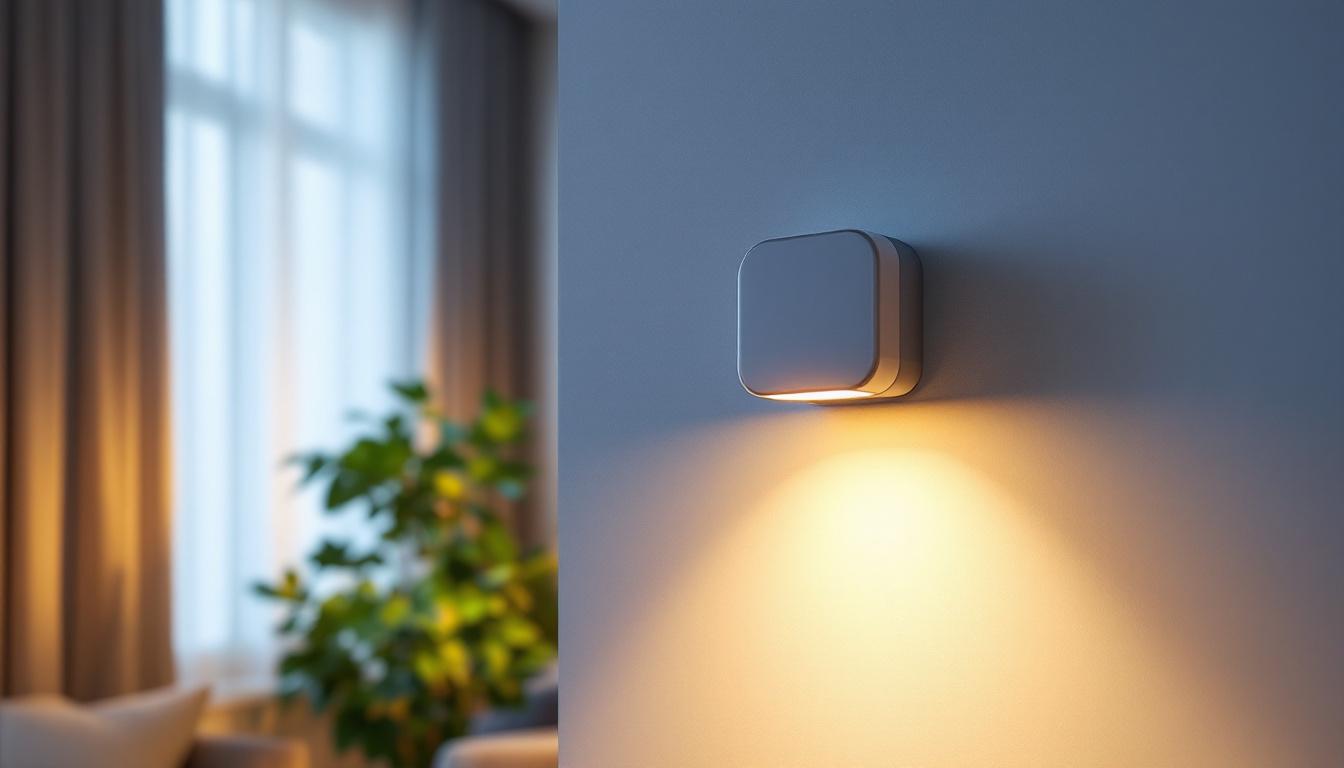
At their core, motion detector sconces are wall-mounted light fixtures equipped with sensors that detect movement within a designated range. When motion is detected, the light automatically turns on, providing illumination only when needed. This not only enhances safety and convenience but also significantly reduces energy consumption compared to traditional lighting systems.
Given the increasing demand for smart and energy-efficient lighting solutions, motion detector sconces are gaining popularity in residential, commercial, and industrial settings. Lighting contractors who master the nuances of these devices can better advise clients, streamline installations, and ensure long-term satisfaction.
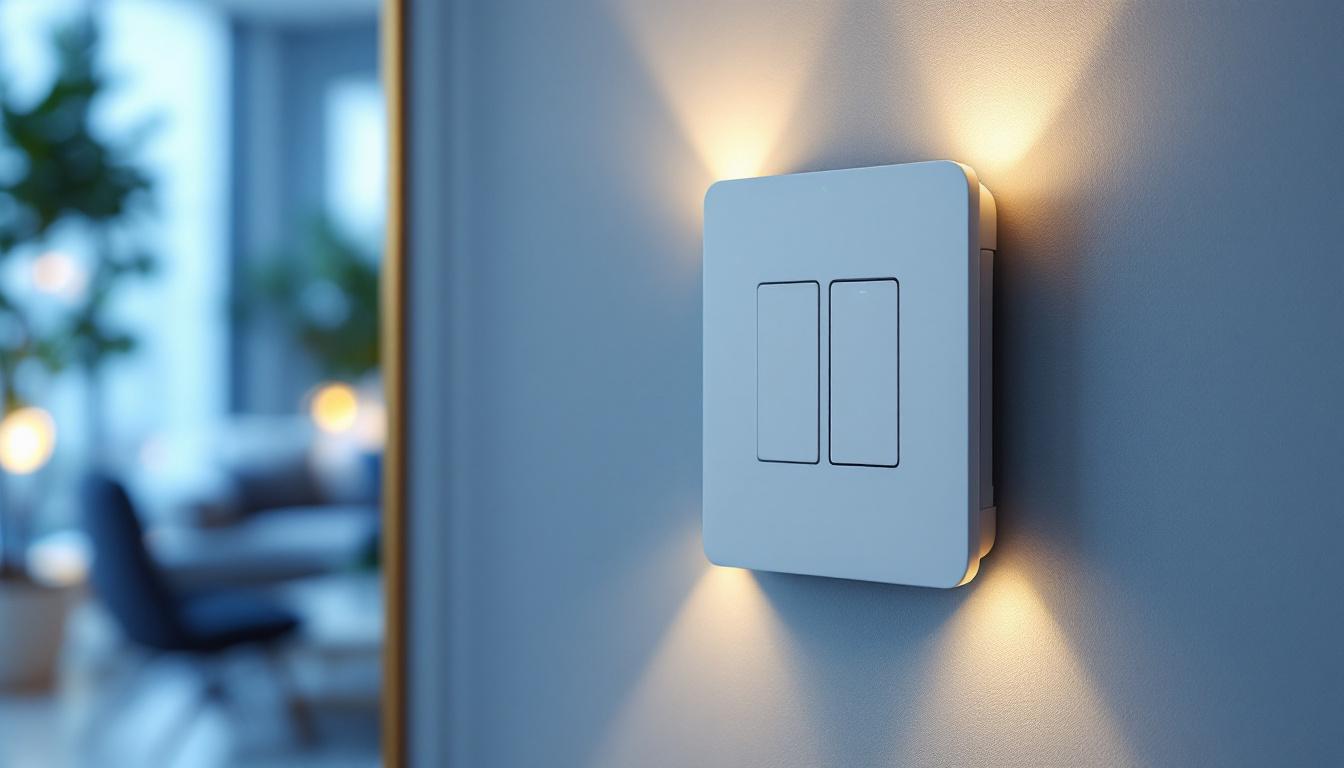
One of the key features of motion detector sconces is their ability to be integrated into smart home systems. Many modern sconces can be connected to Wi-Fi or Bluetooth, allowing homeowners to control them remotely via smartphone apps. This capability not only adds convenience but also allows for customizable settings, such as adjusting the sensitivity of the motion sensor or setting specific times for the lights to activate. For contractors, being knowledgeable about these smart features can enhance their service offerings and appeal to tech-savvy clients looking for the latest in home automation.
Moreover, the placement of motion detector sconces is crucial for maximizing their effectiveness. Strategic positioning can ensure that the sensors cover the desired areas, such as entryways, driveways, or pathways, where illumination is most needed. Contractors should consider factors such as the height of installation, the angle of the sensor, and potential obstructions that could hinder detection. By providing clients with expert advice on optimal placement, contractors can enhance both the functionality and aesthetic appeal of the lighting design, creating a seamless integration into the overall architecture of the space.
How Motion Detector Sconces Work: Key Technologies and Features
Types of Motion Sensors
Motion detector sconces typically incorporate one of two main types of sensors: Passive Infrared (PIR) sensors and Microwave sensors. PIR sensors detect heat signatures emitted by moving objects, particularly humans, making them highly effective for indoor and outdoor applications where temperature differences are clear. Microwave sensors emit microwave pulses and measure the reflection off moving objects, offering a broader detection range and better sensitivity through certain materials.
Each sensor type has its advantages. PIR sensors are cost-effective and consume less power, making them suitable for most residential and commercial installations. Microwave sensors, while more expensive, are ideal for environments with obstructions or where higher sensitivity is required. For instance, in a garden setting where foliage may obstruct a direct line of sight, microwave sensors can effectively detect movement without being hindered by physical barriers, ensuring that the lighting remains responsive and functional.
Adjustable Settings and Smart Features
Modern motion detector sconces often come with adjustable settings that allow contractors and end-users to customize sensitivity, detection range, and light duration. This flexibility ensures the lighting adapts to specific site conditions, reducing false triggers and optimizing performance. Users can fine-tune these settings based on their unique environments, such as adjusting the sensitivity in a busy area to prevent unnecessary activation from pets or passing cars.
Additionally, many models now integrate smart technology, enabling remote control via mobile apps, integration with home automation systems, and even adaptive learning capabilities that adjust to user behavior over time. These features can be particularly appealing in high-end residential and commercial projects where convenience and cutting-edge technology are priorities. For example, a smart motion detector sconce can learn when a homeowner typically arrives home and adjust its lighting accordingly, creating a welcoming atmosphere while conserving energy when not in use. Furthermore, some advanced models can send notifications to users’ smartphones when motion is detected, enhancing security and allowing for real-time monitoring of outdoor spaces.
Benefits of Installing Motion Detector Sconces
Energy Efficiency and Cost Savings
One of the most compelling reasons to install motion detector sconces is their contribution to energy savings. By illuminating spaces only when movement is detected, these fixtures minimize unnecessary power usage. Studies have shown that motion-activated lighting can reduce energy consumption by up to 40% compared to traditional lighting left on continuously.
For lighting contractors, highlighting these savings can be a strong selling point to clients looking to reduce operational costs or meet sustainability goals. Additionally, many utility companies offer rebates or incentives for installing energy-efficient lighting, which can further enhance the value proposition. With the growing emphasis on reducing carbon footprints, the installation of motion detector sconces aligns perfectly with eco-friendly initiatives, making it an attractive option for environmentally conscious consumers.
Enhanced Security and Safety
Motion detector sconces also improve security by deterring unauthorized access and alerting occupants to movement around a property. Well-lit entryways, pathways, and perimeters reduce the risk of accidents and criminal activity. For commercial clients, this can translate into lower insurance premiums and a safer environment for employees and customers.
From a contractor’s perspective, recommending motion-activated lighting as part of a comprehensive security solution can differentiate services and build trust with clients who prioritize safety. Furthermore, the integration of smart technology with motion detectors allows for remote monitoring and alerts via smartphones, providing an extra layer of security. This tech-savvy approach not only appeals to modern consumers but also positions contractors as forward-thinking professionals in a competitive market.
Convenience and User Experience
Beyond energy and security, motion detector sconces offer unmatched convenience. Homeowners and business operators appreciate the hands-free operation, particularly in areas like hallways, garages, and outdoor spaces where manual switching can be inconvenient or impractical. This ease of use enhances the overall user experience and satisfaction.
Moreover, the adaptability of motion detector sconces to various settings adds to their appeal. For instance, they can be programmed to adjust brightness levels based on the time of day or the specific needs of the environment, ensuring optimal lighting without manual intervention. This feature is particularly beneficial in commercial settings, where different areas may require varying levels of illumination throughout the day. Such versatility not only improves functionality but also contributes to a more aesthetically pleasing atmosphere, making spaces feel more welcoming and accessible.
Installation Best Practices for Lighting Contractors
Site Assessment and Sensor Placement
Successful installation begins with a thorough site assessment. Lighting contractors should evaluate the environment to determine optimal sensor placement, considering factors such as traffic flow, typical movement patterns, and potential sources of interference like heating vents or reflective surfaces.
For example, placing a motion detector sconce near a frequently used entrance or along a pathway ensures the light activates precisely when needed. Avoiding direct exposure to sunlight or heat sources reduces false triggers and improves sensor reliability.
Wiring and Power Considerations
Motion detector sconces may be powered by standard electrical wiring or batteries, with hardwired options preferred for permanent installations due to reliability and reduced maintenance. Contractors must ensure compliance with local electrical codes and standards, using appropriate wiring methods and protective devices.
In some cases, integrating motion detector sconces with existing lighting control systems or smart home platforms requires additional wiring or communication protocols, such as Zigbee or Z-Wave. Proper planning and coordination with other trades can prevent delays and ensure seamless integration.
Testing and Calibration
After installation, thorough testing and calibration are essential. Contractors should verify sensor sensitivity, detection range, and light duration settings to match the client’s needs and site conditions. Demonstrating the functionality to clients and providing guidance on adjusting settings fosters confidence and reduces future service calls.
Common Challenges and Troubleshooting Tips
False Triggers and Sensor Interference
One of the most frequent issues with motion detector sconces is false triggering caused by environmental factors such as moving shadows, pets, or HVAC drafts. To mitigate this, contractors can recommend models with adjustable sensitivity and directional sensors that limit detection zones.
Proper sensor placement away from windows or heat sources also helps reduce interference. In some cases, adding physical barriers or using sensors with dual-technology (combining PIR and microwave) can enhance accuracy.
Sensor Range Limitations
Understanding the limitations of sensor range is critical to avoid blind spots or excessive coverage that triggers unintended activations. Contractors should consult manufacturer specifications and perform on-site tests to confirm coverage areas. When necessary, multiple sconces or complementary lighting solutions may be required for comprehensive coverage.
Maintenance and Longevity
Motion detector sconces, like all lighting fixtures, require periodic maintenance to ensure optimal performance. Cleaning sensors to remove dust and debris, checking electrical connections, and replacing bulbs or batteries as needed are standard practices. Advising clients on maintenance schedules can prolong fixture life and maintain functionality.
Emerging Trends and Future Outlook
As lighting technology evolves, motion detector sconces are becoming smarter, more efficient, and more integrated with broader building automation systems. Innovations such as AI-powered sensors that learn occupant patterns, integration with security cameras, and enhanced connectivity options are shaping the future of motion-activated lighting.
For lighting contractors, staying abreast of these trends through ongoing education and partnerships with manufacturers will be crucial to maintaining a competitive edge. Offering clients the latest solutions not only improves satisfaction but also positions contractors as trusted advisors in a rapidly changing industry.
Conclusion: Maximizing Value with Motion Detector Sconces
Motion detector sconces represent a powerful combination of energy efficiency, security enhancement, and user convenience. For lighting contractors, mastering the technical aspects, installation best practices, and troubleshooting techniques is essential to delivering high-quality projects that meet client expectations.
By understanding sensor technologies, customizing settings, and addressing common challenges proactively, contractors can ensure that motion detector sconces perform reliably and add significant value to any lighting installation. Embracing emerging trends and smart technologies will further enhance service offerings and help contractors stay ahead in a competitive marketplace.
Get Your Motion Detector Sconces at LumenWholesale
Ready to elevate your lighting projects with the latest motion detector sconces? Look no further than LumenWholesale for a vast selection of spec-grade lighting products at unbeatable wholesale prices. Say goodbye to middleman markups and hello to superior lighting solutions that meet the highest industry standards. With free shipping on bulk orders, you can stock up on high-performance lighting while enjoying the best value — all without hidden fees or compromises. Don’t miss out on the perfect blend of quality, affordability, and convenience. Visit LumenWholesale now and discover Wholesale Lighting at the Best Value for your next installation.