Understanding Motion Activated Outdoor Lighting
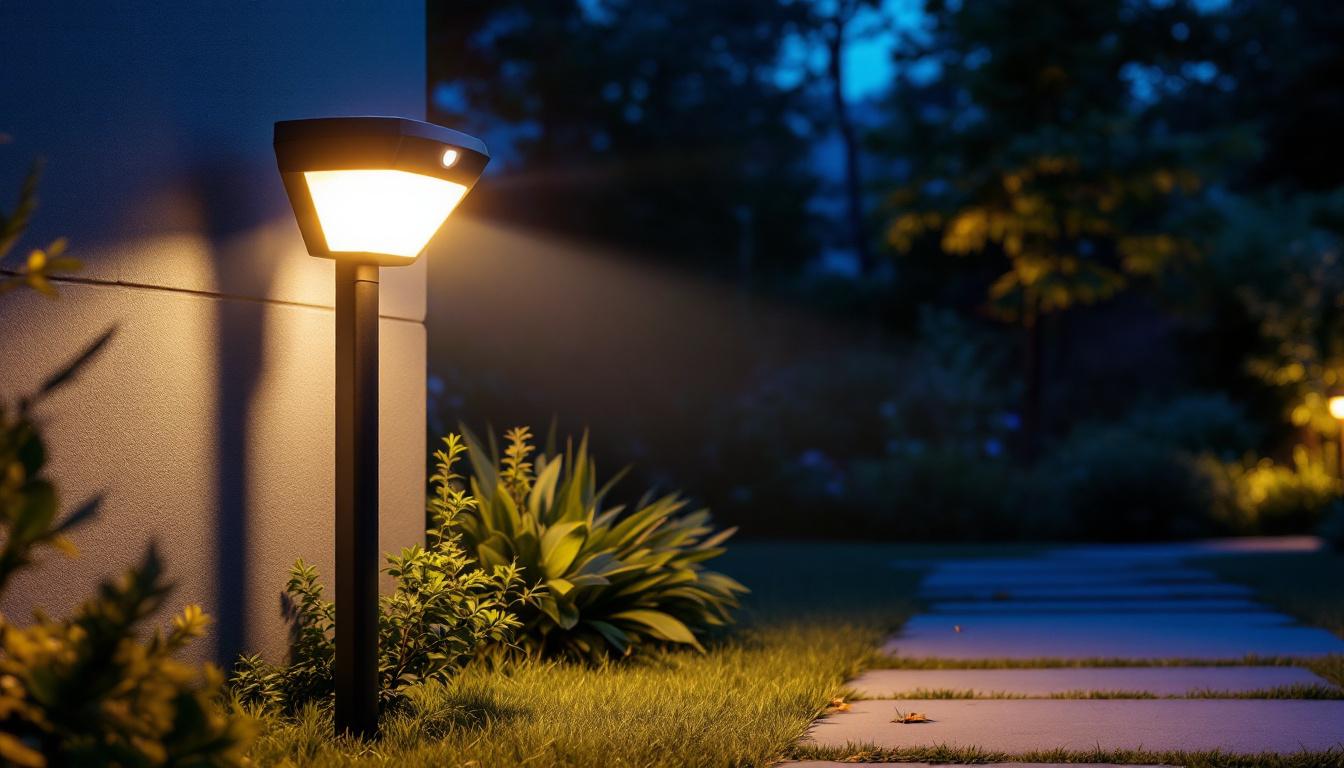
Motion activated outdoor lighting has become an essential component in modern lighting design, especially for contractors looking to enhance security, energy efficiency, and user convenience. These lighting systems use sensors to detect movement and activate lights only when necessary, reducing unnecessary energy consumption and extending the lifespan of bulbs.
For lighting contractors, mastering the nuances of motion activated lighting is crucial. It’s not just about installing a sensor and a bulb; it’s about understanding sensor types, placement, and integration with other systems to deliver optimal performance tailored to each client’s unique environment. This level of expertise can significantly influence the overall effectiveness of the lighting solution, ensuring that it meets both functional and aesthetic requirements.
Types of Motion Sensors
There are primarily two types of motion sensors used in outdoor lighting: Passive Infrared (PIR) sensors and Microwave sensors. PIR sensors detect heat emitted by moving objects, making them highly effective in residential settings where human or animal movement is the primary trigger. Microwave sensors emit microwave pulses and measure the reflection off moving objects, offering a broader detection range and sensitivity, suitable for commercial or expansive outdoor areas.
Each sensor type has its pros and cons. PIR sensors are generally more energy-efficient and less prone to false triggers caused by environmental factors like wind or rain. Microwave sensors, while more sensitive, can sometimes detect movement through walls or other obstacles, which may lead to unintended activations. Selecting the right sensor type based on the installation environment is a critical first step in optimizing motion activated outdoor lighting. Additionally, understanding the specific needs of the area—such as foot traffic patterns, the presence of pets, or nearby foliage—can further refine sensor placement and functionality.
Key Benefits for Contractors and Clients
From a contractor’s perspective, motion activated lighting offers several advantages. It simplifies wiring and control systems since lights operate autonomously, reducing maintenance calls and increasing customer satisfaction. For clients, these systems enhance security by deterring intruders and improving visibility, while also lowering energy bills through reduced operating hours.
Moreover, motion activated lighting aligns with growing environmental concerns and regulatory standards that emphasize energy conservation. This makes it an attractive option for clients seeking sustainable solutions without compromising safety or aesthetics. Furthermore, the integration of smart technology into motion activated lighting systems allows for remote control and monitoring via smartphones or home automation systems, providing an additional layer of convenience and control for users. As technology continues to evolve, the potential for customization and adaptability within these systems expands, making them an even more appealing choice for both contractors and clients alike.
Strategic Placement and Installation for Maximum Efficiency
Optimizing motion activated outdoor lighting begins with strategic placement. Proper sensor and light positioning ensure maximum coverage and minimize false activations, which can frustrate users and waste energy.
Assessing the Environment
Before installation, conduct a thorough site assessment. Identify high-traffic areas, potential security vulnerabilities, and natural obstructions such as trees, shrubs, or architectural features. Understanding the environment helps determine the ideal sensor range and angle.
For example, placing sensors near pathways, driveways, or entry points ensures lights activate when needed. Avoid aiming sensors toward busy streets or areas with frequent animal movement to reduce false triggers. In commercial settings, consider the flow of pedestrian and vehicle traffic to cover all critical zones effectively.
Optimal Sensor Height and Angle
Sensor height significantly impacts detection accuracy. Generally, installing sensors between 6 to 10 feet above ground provides a balance between range and sensitivity. Too low, and the sensor may detect small animals or ground-level movement unnecessarily; too high, and it might miss subtle human movements.
Adjusting the sensor angle to align with the anticipated movement path maximizes detection efficiency. For PIR sensors, angling slightly downward toward the ground helps capture heat signatures more effectively. For microwave sensors, a wider angle may be appropriate to cover larger areas but requires careful calibration to avoid false activations.
Light Fixture Positioning
Light fixtures should complement sensor placement to illuminate target areas adequately. Position lights to minimize shadows and dark spots, which can compromise security and user comfort. Using adjustable fixtures allows fine-tuning after installation to optimize coverage based on real-world conditions.
Consider the type of light source as well. LED fixtures are preferred for their energy efficiency, longevity, and instant-on capabilities, which are essential for motion activated systems. Additionally, selecting fixtures with appropriate beam angles and lumen output ensures sufficient illumination without excessive glare or light pollution.
Advanced Features and Integration for Enhanced Performance
Modern motion activated lighting systems offer a variety of advanced features that contractors can leverage to improve functionality and client satisfaction.
Adjustable Sensitivity and Time Settings
Many sensors come with adjustable sensitivity controls, allowing customization of detection range and threshold. This flexibility helps tailor the system to specific site conditions, reducing false activations caused by small animals, moving foliage, or passing vehicles.
Time delay settings control how long the light stays on after activation. Optimizing this duration balances security needs and energy savings. For example, shorter durations may be suitable for well-lit areas or brief pass-through zones, while longer durations benefit entrances or parking areas where prolonged illumination is necessary.
Integration with Smart Home and Security Systems
Integrating motion activated outdoor lighting with smart home or security platforms enhances control and monitoring capabilities. Through wireless connectivity, users can receive alerts, adjust settings remotely, and synchronize lighting with other security devices like cameras and alarms.
For contractors, offering integration options adds value and meets the growing demand for connected home solutions. It also allows for more sophisticated lighting strategies, such as gradual dimming, color changes, or scheduling based on occupancy patterns and ambient light conditions.
Energy Management and Solar Power Options
Energy efficiency can be further improved by incorporating energy management systems that monitor usage and optimize operation. Some advanced sensors communicate with central controllers to adjust lighting based on real-time data, such as daylight availability or occupancy trends.
Solar-powered motion activated lights are increasingly popular for outdoor applications, especially in areas without easy access to electrical wiring. These systems combine motion sensors with photovoltaic panels and rechargeable batteries, offering a sustainable and cost-effective solution. However, contractors must consider factors like solar exposure, battery capacity, and weather conditions to ensure reliable performance.
Maintenance and Troubleshooting for Long-Term Efficiency
Maintaining motion activated outdoor lighting systems is essential to preserve efficiency and functionality over time. Regular inspection and timely troubleshooting prevent issues that could lead to energy waste or compromised security.
Routine Inspection and Cleaning
Outdoor sensors and fixtures are exposed to environmental elements such as dust, moisture, and insects, which can impair sensor sensitivity and light output. Periodic cleaning of sensor lenses and light covers ensures optimal performance.
Inspect wiring and mounting hardware for signs of wear or damage. Loose connections or corroded components can cause intermittent operation or failure. Scheduling routine maintenance visits helps identify and address potential problems before they escalate.
Common Issues and Solutions
False activations are a frequent complaint and often stem from improper sensor placement, excessive sensitivity, or environmental factors like moving branches or reflective surfaces. Adjusting sensor settings or repositioning the unit typically resolves these issues.
Lights failing to activate may indicate sensor malfunction, power supply problems, or faulty wiring. Testing sensor operation with manual triggers and verifying electrical connections helps isolate the cause. Replacing defective sensors or components restores system reliability.
Upgrading and Retrofitting Existing Systems
As technology advances, upgrading older motion activated lighting systems can enhance efficiency and functionality. Replacing outdated sensors with modern, more accurate models improves detection capabilities and reduces energy consumption.
Retrofitting LED fixtures in place of traditional bulbs further extends lifespan and lowers operating costs. Contractors should evaluate existing installations and recommend upgrades that align with client goals and budget constraints.
Best Practices and Industry Standards
Adhering to best practices and industry standards ensures that motion activated outdoor lighting installations meet safety, performance, and regulatory requirements.
Compliance with Lighting and Electrical Codes
Contractors must stay informed about local and national electrical codes governing outdoor lighting installations. Proper grounding, weatherproofing, and circuit protection are critical for safety and durability.
Additionally, compliance with lighting ordinances, such as restrictions on light pollution or glare, helps avoid legal issues and community complaints. Using shielded fixtures and directing light downward minimizes unwanted spill and preserves night sky visibility.
Documentation and Client Education
Providing comprehensive documentation, including system specifications, operation manuals, and maintenance guidelines, empowers clients to manage their lighting systems effectively. Educating clients on sensor settings, troubleshooting, and energy-saving tips enhances satisfaction and reduces service calls.
Clear communication about expected performance and limitations helps set realistic expectations, fostering trust and long-term relationships.
Continuous Learning and Adaptation
The lighting industry is dynamic, with ongoing innovations in sensor technology, lighting design, and energy management. Contractors committed to continuous learning stay ahead by attending training, participating in industry forums, and experimenting with new products.
Adapting to emerging trends and client preferences positions contractors as experts and trusted advisors in motion activated outdoor lighting solutions.
Conclusion
Optimizing motion activated outdoor lighting for maximum efficiency requires a comprehensive approach encompassing sensor selection, strategic placement, advanced features, and diligent maintenance. For lighting contractors, mastering these elements translates into enhanced security solutions, energy savings, and satisfied clients.
By integrating modern technologies, adhering to best practices, and maintaining open communication with clients, contractors can deliver outdoor lighting systems that not only meet but exceed expectations. This commitment to excellence ensures that motion activated lighting remains a valuable and sustainable component of outdoor environments.
Illuminate Your Projects with LumenWholesale
Ready to elevate your lighting projects with the most efficient motion activated outdoor lighting solutions? Look no further than LumenWholesale, where we offer an extensive selection of top-quality, spec-grade lighting products at unbeatable wholesale prices. Our commitment to cutting out the middleman means you get superior lighting without inflated markups, backed by the highest industry standards for reliability and performance. Plus, with free shipping on bulk orders, you can enjoy premium lighting at the best value — without hidden fees or compromises. Don’t let subpar lighting dim your project’s potential. Choose LumenWholesale for the perfect blend of quality, affordability, and convenience. Wholesale Lighting at the Best Value is just a click away.