In the world of electrical installations, safety and efficiency are paramount. For lighting contractors, understanding the nuances of electrical bubble covers is crucial. These protective devices not only ensure the safety of electrical connections but also enhance the overall performance of lighting systems. This article delves into the essential aspects of electrical bubble covers, providing insights that every lighting contractor should consider.
What is an Electrical Bubble Cover?
An electrical bubble cover is a protective enclosure designed to shield electrical connections and fixtures from environmental factors. Typically made from durable materials, these covers are essential in preventing moisture, dust, and other contaminants from compromising electrical integrity. They are particularly useful in outdoor lighting applications where exposure to the elements is a significant concern. By providing a barrier against rain, wind, and debris, these covers help ensure that electrical systems remain functional and safe over time, reducing the risk of short circuits and electrical failures that could lead to costly repairs or safety hazards.
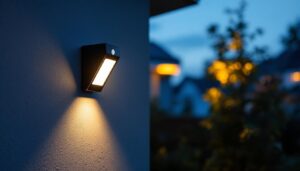
In addition to their protective functions, electrical bubble covers can also enhance the aesthetic appeal of outdoor installations. Many designs are sleek and unobtrusive, allowing them to blend seamlessly with various architectural styles. This is particularly important for landscape lighting, where the visual impact of fixtures should be complemented rather than detracted from by protective elements. Furthermore, some bubble covers come in different colors and finishes, providing options for customization that can match the surrounding environment or the specific design theme of a property.
Types of Electrical Bubble Covers
Electrical bubble covers come in various types, each suited for specific applications. Understanding these types can help lighting contractors select the right cover for their projects. The choice of bubble cover can significantly impact the longevity and reliability of electrical installations, making it essential to match the cover type with the intended use and environmental conditions.
- Standard Bubble Covers: These are the most common type, designed for general use in residential and commercial settings. They provide basic protection and are often used in indoor applications where exposure to moisture and dirt is minimal.
- Weatherproof Bubble Covers: Specifically designed for outdoor use, these covers provide enhanced protection against rain, snow, and extreme temperatures. They are often tested for their ability to withstand harsh weather conditions, ensuring that electrical connections remain safe and functional.
- Lockable Bubble Covers: Ideal for public spaces, lockable options prevent unauthorized access to electrical connections, ensuring safety and compliance. These covers are particularly useful in parks, schools, and other communal areas where tampering could pose a risk to public safety.
Material Considerations
The materials used in manufacturing electrical bubble covers play a vital role in their performance and longevity. Common materials include polycarbonate, PVC, and fiberglass. Each material has its advantages, and selecting the right one can greatly influence the effectiveness of the cover in protecting electrical components.
- Polycarbonate: Known for its high impact resistance, polycarbonate is an excellent choice for areas prone to physical damage. This material can withstand significant force without cracking, making it ideal for locations where accidental impacts may occur, such as near driveways or playgrounds.
- PVC: Lightweight and cost-effective, PVC bubble covers are suitable for less demanding environments. They are often used in residential settings where the risk of severe weather or physical damage is lower, providing a budget-friendly option for homeowners.
- Fiberglass: Offering superior durability and resistance to corrosion, fiberglass is ideal for harsh conditions. This material is particularly beneficial in coastal areas where saltwater exposure can lead to rapid deterioration of lesser materials, ensuring a longer lifespan for electrical installations.
In addition to these common materials, some manufacturers are exploring innovative composites that combine the best properties of traditional materials, offering enhanced strength, flexibility, and resistance to environmental stressors. These advancements in material science are paving the way for even more robust and reliable electrical bubble covers that can meet the evolving demands of modern electrical systems. As technology continues to advance, the future of electrical bubble covers looks promising, with new designs and materials that enhance both performance and safety.
Importance of Using Electrical Bubble Covers
For lighting contractors, the use of electrical bubble covers is not just a matter of preference; it is a necessity. These covers serve multiple purposes that contribute to the safety and efficiency of lighting installations.
Protection Against Environmental Factors
Electrical connections are vulnerable to various environmental factors, including moisture, dust, and temperature fluctuations. Bubble covers act as a barrier, preventing these elements from causing damage. This protection is especially critical in outdoor lighting, where exposure to rain and humidity can lead to short circuits and equipment failure.
Enhanced Safety for Users
Safety is a primary concern for any electrical installation. Bubble covers help mitigate risks by enclosing live wires and connections, reducing the chances of accidental contact. For lighting contractors, ensuring the safety of both the installation team and end-users is paramount. Using bubble covers can significantly lower the risk of electrical shocks and injuries.
Compliance with Electrical Codes
Adhering to local electrical codes and regulations is crucial for lighting contractors. Many jurisdictions require the use of protective covers for outdoor electrical installations. By incorporating bubble covers into their projects, contractors can ensure compliance and avoid potential legal issues. This adherence not only protects the contractor but also enhances their reputation in the industry.
Installation Best Practices
Proper installation of electrical bubble covers is essential for maximizing their effectiveness. Lighting contractors should follow best practices to ensure that these covers provide optimal protection.
Choosing the Right Size
One of the first steps in installation is selecting the appropriate size of the bubble cover. A cover that is too small may not provide adequate protection, while one that is too large can be cumbersome and difficult to secure. Contractors should measure the electrical connections accurately and choose a cover that fits snugly without being overly tight.
Securing the Cover Properly
Once the right size is selected, securing the bubble cover correctly is crucial. This involves ensuring that all screws and fasteners are tightened adequately to prevent water ingress. Additionally, using gaskets or seals can enhance the cover’s waterproof capabilities. Contractors should also check that the cover is aligned properly to avoid any gaps that could allow moisture or debris to enter.
Regular Maintenance Checks
Even with proper installation, regular maintenance checks are necessary to ensure the longevity of electrical bubble covers. Lighting contractors should schedule periodic inspections to look for signs of wear, damage, or deterioration. This proactive approach can help identify potential issues before they escalate, ensuring that the electrical connections remain safe and functional.
Common Challenges and Solutions
While electrical bubble covers offer significant benefits, lighting contractors may encounter challenges during their use. Identifying these challenges and knowing how to address them can enhance the effectiveness of installations.
Moisture Accumulation
One common issue is moisture accumulation inside the bubble cover, which can lead to corrosion and electrical failure. To combat this, contractors should ensure that the cover is properly sealed and that any drainage holes are not obstructed. Additionally, using desiccants or moisture-absorbing materials inside the cover can help mitigate this problem.
Physical Damage
In high-traffic areas, bubble covers may be susceptible to physical damage from accidental impacts. To reduce this risk, contractors can opt for more robust materials such as polycarbonate or fiberglass. Installing the covers in less vulnerable locations or using protective barriers can also help prevent damage.
UV Degradation
For outdoor installations, UV degradation can be a concern, particularly for plastic bubble covers. Choosing UV-resistant materials or applying protective coatings can prolong the life of the cover. Regular inspections for signs of fading or brittleness can also alert contractors to the need for replacement before the cover fails completely.
Cost Considerations
When selecting and installing electrical bubble covers, cost is often a significant factor for lighting contractors. Understanding the balance between quality and budget is essential for making informed decisions.
Initial Investment vs. Long-Term Savings
While high-quality bubble covers may come with a higher initial cost, they often provide long-term savings through reduced maintenance and replacement needs. Investing in durable materials can minimize the frequency of replacements and repairs, ultimately leading to lower overall costs over time.
Budgeting for Installation
Contractors should also consider the costs associated with installation. This includes not only the price of the bubble covers themselves but also any additional materials needed for proper installation, such as gaskets, screws, and seals. Budgeting for these costs upfront can help avoid unexpected expenses later in the project.
Evaluating Value
When considering the cost of electrical bubble covers, contractors should evaluate the overall value they bring to a project. This includes factors such as enhanced safety, compliance with regulations, and the potential for reduced liability. Weighing these benefits against the costs can help contractors make informed decisions that align with their business goals.
Future Trends in Electrical Bubble Covers
The electrical industry is continually evolving, and so are the products used within it. Staying informed about trends can help lighting contractors remain competitive and offer the best solutions to their clients.
Smart Technology Integration
As smart technology becomes more prevalent in lighting systems, the integration of smart features into electrical bubble covers is on the rise. This includes sensors that can monitor moisture levels or detect unauthorized access. Such innovations can enhance the functionality of bubble covers, providing contractors with additional tools to ensure safety and efficiency.
Eco-Friendly Materials
With a growing emphasis on sustainability, the demand for eco-friendly materials in electrical products is increasing. Contractors may soon see more options for bubble covers made from recycled or biodegradable materials. Choosing these products not only benefits the environment but can also appeal to clients looking for sustainable solutions.
Advanced Protection Features
Future designs may also incorporate advanced protection features, such as enhanced UV resistance, improved sealing mechanisms, and greater impact resistance. Staying updated on these advancements can help contractors select the best products for their projects, ensuring long-lasting performance and safety.
Conclusion
Electrical bubble covers are an essential component for lighting contractors, offering protection, safety, and compliance in electrical installations. By understanding the various types, materials, and installation best practices, contractors can make informed decisions that enhance their projects. Additionally, being aware of common challenges, cost considerations, and future trends can position contractors for success in an ever-evolving industry.
Ultimately, the right choice in electrical bubble covers can lead to safer, more efficient lighting systems that meet the needs of clients while adhering to industry standards. As technology advances and new materials emerge, staying informed will be key to maintaining a competitive edge in the lighting contracting field.
Get Your Premium Electrical Bubble Covers at LumenWholesale
Ready to elevate your lighting projects with the highest quality electrical bubble covers? Look no further than LumenWholesale, where we provide contractors with spec-grade lighting products at unbeatable wholesale prices. Our selection of bubble covers meets rigorous industry standards, ensuring your installations are protected, efficient, and compliant. Plus, with free shipping on bulk orders, you can stock up on the best lighting solutions without worrying about hidden fees or inflated costs. Don’t compromise on quality or value—choose LumenWholesale for a seamless blend of excellence and affordability. Wholesale Lighting at the Best Value is just a click away.