Understanding 12V Wall Sconces: Fundamentals for Lighting Contractors
For lighting contractors, mastering the installation and specification of 12V wall sconces is essential to delivering efficient, aesthetically pleasing, and safe lighting solutions. Unlike standard line voltage fixtures, 12V wall sconces operate on low voltage, typically powered by a transformer that steps down the standard 120V or 240V supply to 12 volts. This low-voltage system offers several advantages, including enhanced safety, energy efficiency, and greater design flexibility.
Low-voltage lighting systems are especially popular in residential and commercial environments where accent lighting or subtle illumination is desired. For contractors, understanding the electrical and design nuances of 12V wall sconces can significantly impact project outcomes and client satisfaction. The versatility of these fixtures allows them to be used in various settings, from cozy living rooms to sophisticated restaurants, creating a warm ambiance that enhances the overall aesthetic of the space.
Key Components of a 12V Wall Sconce System
At the heart of any 12V wall sconce installation is the transformer. This device converts the higher line voltage to a safe, manageable 12 volts. Transformers come in various sizes and types, including magnetic and electronic, each with their own installation considerations. Selecting the right transformer is critical to ensure consistent performance and avoid issues like flickering or premature bulb failure. It’s also important to consider the wattage capacity of the transformer, as exceeding this limit can lead to overheating and potential hazards.
Additionally, the choice of light source—whether halogen or LED—affects power consumption, heat output, and lifespan. LEDs have become the preferred option due to their energy efficiency and longevity, but understanding compatibility between LED drivers and transformers is vital to prevent electrical problems. Furthermore, the color temperature of the light source can dramatically influence the mood of a space; warmer tones can create a cozy atmosphere, while cooler tones may be more suitable for modern, minimalist designs. Contractors should also keep in mind the dimming capabilities of the chosen fixtures, as many clients appreciate the ability to adjust lighting levels to suit different occasions.
Installation Best Practices for 12V Wall Sconces
Proper installation is paramount for safety, functionality, and aesthetics. Lighting contractors must adhere to electrical codes and manufacturer specifications while also considering the unique requirements of low-voltage systems.
Planning and Layout Considerations
Before installation, contractors should conduct a thorough site assessment. This includes measuring distances from the transformer to each sconce to calculate voltage drop, which can affect brightness and performance. Voltage drop occurs when the electrical current loses power over long cable runs, so using appropriately gauged wire is essential to maintain consistent illumination.
Strategic placement of sconces enhances both ambiance and usability. For example, sconces placed beside mirrors in bathrooms or along hallways should provide even, glare-free lighting. Contractors should collaborate with designers and clients to determine optimal heights and spacing. Additionally, considering the color temperature of the bulbs can significantly impact the overall feel of a space; warmer tones can create a cozy atmosphere, while cooler tones may be more suitable for task-oriented areas such as kitchens or offices.
Wiring and Transformer Installation
When wiring 12V wall sconces, contractors must ensure all connections are secure and waterproofed if installed outdoors. Using UL-listed connectors and following local electrical codes reduces the risk of faults and hazards. Transformers should be installed in accessible locations to facilitate maintenance and troubleshooting.
It is also important to consider the total wattage of the sconces connected to a single transformer. Overloading a transformer can cause overheating and failure, so contractors must calculate the cumulative load and select a transformer with an appropriate wattage rating, ideally with some margin for future expansion. Moreover, utilizing dimmable transformers can provide added versatility, allowing users to adjust the brightness according to their needs and preferences, which can be particularly beneficial in multi-functional spaces where lighting requirements may vary throughout the day.
Furthermore, when installing the sconces, it is advisable to use a level to ensure that each fixture is perfectly aligned, as uneven installations can detract from the overall aesthetic appeal. Additionally, incorporating smart lighting controls can enhance the functionality of the sconces, allowing users to control the lighting remotely or set schedules for automatic on/off times. This not only adds convenience but can also contribute to energy savings, making the installation both practical and environmentally friendly.
Choosing the Right Fixtures and Bulbs for Optimal Performance
Lighting contractors must be well-versed in the variety of 12V wall sconces available on the market and the characteristics of different bulbs to tailor solutions to client needs.
Fixture Styles and Materials
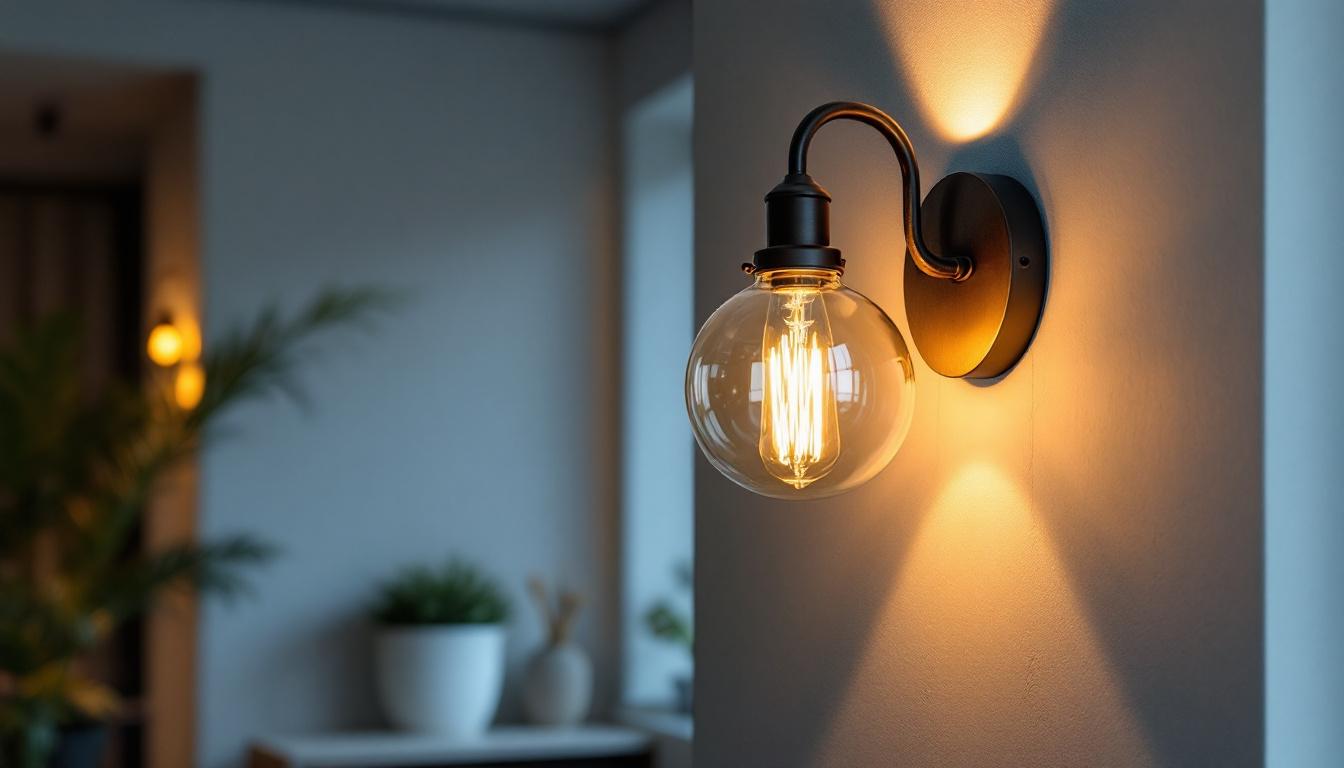
12V wall sconces come in a wide range of styles—from traditional to contemporary—crafted from materials such as metal, glass, and plastic composites. Contractors should consider the environment where the sconce will be installed; for example, damp-rated or wet-rated fixtures are necessary for bathrooms or outdoor applications to ensure durability and safety.
Additionally, fixture design impacts light distribution. Some sconces provide direct lighting, while others offer indirect or diffused illumination. Understanding these effects helps contractors recommend fixtures that complement the overall lighting scheme. For instance, a minimalist design with a sleek finish may suit modern interiors, while ornate fixtures with intricate detailing can enhance a classic aesthetic. Furthermore, the finish of the fixture—be it matte, polished, or brushed—can significantly affect the ambiance of the space, reflecting light in unique ways that contribute to the overall design narrative.
Bulb Selection: Halogen vs. LED
Halogen bulbs have been a standard choice for 12V systems due to their bright, warm light and good color rendering. However, they generate significant heat and consume more energy compared to LEDs. LEDs, on the other hand, offer superior energy efficiency, longer lifespan, and lower heat output, making them increasingly popular in modern installations.
Contractors must ensure that LED bulbs are compatible with existing transformers or opt for LED-specific drivers. Mismatched components can cause flickering, reduced lifespan, or failure to operate. Moreover, the color temperature of the LED bulb is crucial; options range from warm white to cool daylight, and selecting the right hue can dramatically alter the mood of a room. For instance, warmer tones are often preferred in living spaces for a cozy feel, while cooler tones may be more suitable for workspaces where clarity and focus are essential. Additionally, smart LED options are now available, allowing for adjustable brightness and color settings, providing clients with customizable lighting solutions that can adapt to various activities and times of day.
Troubleshooting Common Issues in 12V Wall Sconce Installations
Even experienced contractors encounter challenges when working with low-voltage lighting. Being prepared to diagnose and resolve common problems enhances professionalism and client trust.
Flickering and Dim Lighting
Flickering is often caused by incompatible transformers and bulbs, loose connections, or voltage drop. Contractors should verify that the transformer is rated for LED loads if LEDs are used and inspect all wiring connections for security. Using thicker gauge wire or relocating the transformer closer to the fixtures can mitigate voltage drop issues. Additionally, it’s essential to consider the total wattage of all connected fixtures; exceeding the transformer’s capacity can lead to inconsistent performance. Regular maintenance checks can also help identify potential issues before they escalate, ensuring that the lighting remains reliable and aesthetically pleasing.
Transformer Overheating
Overloading a transformer beyond its wattage rating or installing it in a confined space without adequate ventilation can lead to overheating. This not only shortens the transformer’s lifespan but also poses safety risks. Contractors should always calculate total load, select appropriately sized transformers, and ensure proper installation conditions. Furthermore, keeping the transformer in a well-ventilated area can help dissipate heat more effectively. Installing heat sinks or fans can also be beneficial in high-temperature environments, ensuring that the transformer operates within safe temperature limits and prolonging its operational life.
Uneven Illumination
Uneven lighting may result from incorrect fixture placement, mismatched bulbs, or voltage drop. Reassessing the layout and ensuring consistent wiring practices can help achieve uniform light distribution. Using dimmers compatible with low-voltage systems also allows for fine-tuning brightness levels. Additionally, the choice of bulb color temperature can significantly affect perceived illumination; warmer tones may create a cozy atmosphere, while cooler tones can enhance visibility. It’s also worth considering the use of reflectors or diffusers to help spread light more evenly across a space, thereby improving overall ambiance and functionality.
Advancements and Trends in 12V Wall Sconce Technology
The lighting industry continues to evolve, with innovations that impact how contractors approach 12V wall sconce installations.
Smart Lighting Integration
Smart home technology has extended into low-voltage lighting, with many 12V wall sconces now compatible with wireless controls, voice assistants, and automation systems. Contractors can add value by incorporating smart transformers and dimmers that enable remote control and customizable lighting scenes.
Energy Efficiency and Sustainability
With growing emphasis on green building practices, energy-efficient LED sconces paired with advanced transformers contribute to reduced power consumption and lower carbon footprints. Contractors who stay informed about energy codes and rebate programs can guide clients toward sustainable lighting solutions.
Design Innovations
Modern 12V wall sconces feature sleek, minimalist designs and customizable elements such as color temperature tuning and adjustable beam angles. These options allow contractors to meet diverse aesthetic and functional requirements, enhancing their competitive edge.
Conclusion: Elevating Expertise in 12V Wall Sconce Installations
For lighting contractors, mastering 12V wall sconces involves a comprehensive understanding of electrical principles, fixture selection, installation techniques, and troubleshooting. By staying current with technological advancements and best practices, contractors can deliver superior lighting solutions that satisfy client demands for safety, efficiency, and style.
Investing time in planning, selecting quality components, and meticulous installation not only ensures optimal performance but also builds a reputation for professionalism and reliability in the competitive lighting industry.
Get Your Premium 12V Wall Sconces at LumenWholesale
Ready to elevate your lighting projects with the best 12V wall sconces on the market? Look no further than LumenWholesale, where we provide contractors with exceptional, spec-grade lighting products at unbeatable wholesale prices. Say goodbye to local distributor markups and hello to our extensive selection that meets the highest industry standards. With LumenWholesale, you can count on reliable, high-performance lighting for every project. Plus, our hassle-free bulk buying and free shipping mean you get premium lighting at the best value — without hidden fees or compromises. Don’t miss out on quality, affordability, and convenience. Wholesale Lighting at the Best Value is just a click away!