In the world of lighting design and installation, log cabins present unique challenges and opportunities. The rustic charm of these structures is often complemented by carefully chosen lighting solutions that enhance their natural beauty. However, lighting contractors must navigate various compliance issues to ensure that their installations are safe, efficient, and meet local regulations. This article delves into the essential aspects of log cabin lighting compliance, providing valuable insights for lighting contractors.
The Importance of Compliance in Log Cabin Lighting
Compliance is a critical aspect of any lighting project, particularly in log cabins, where the combination of wood materials and electrical installations can pose specific risks. Ensuring that lighting installations adhere to local codes and standards is not just a legal obligation; it is also a fundamental aspect of safety and functionality.
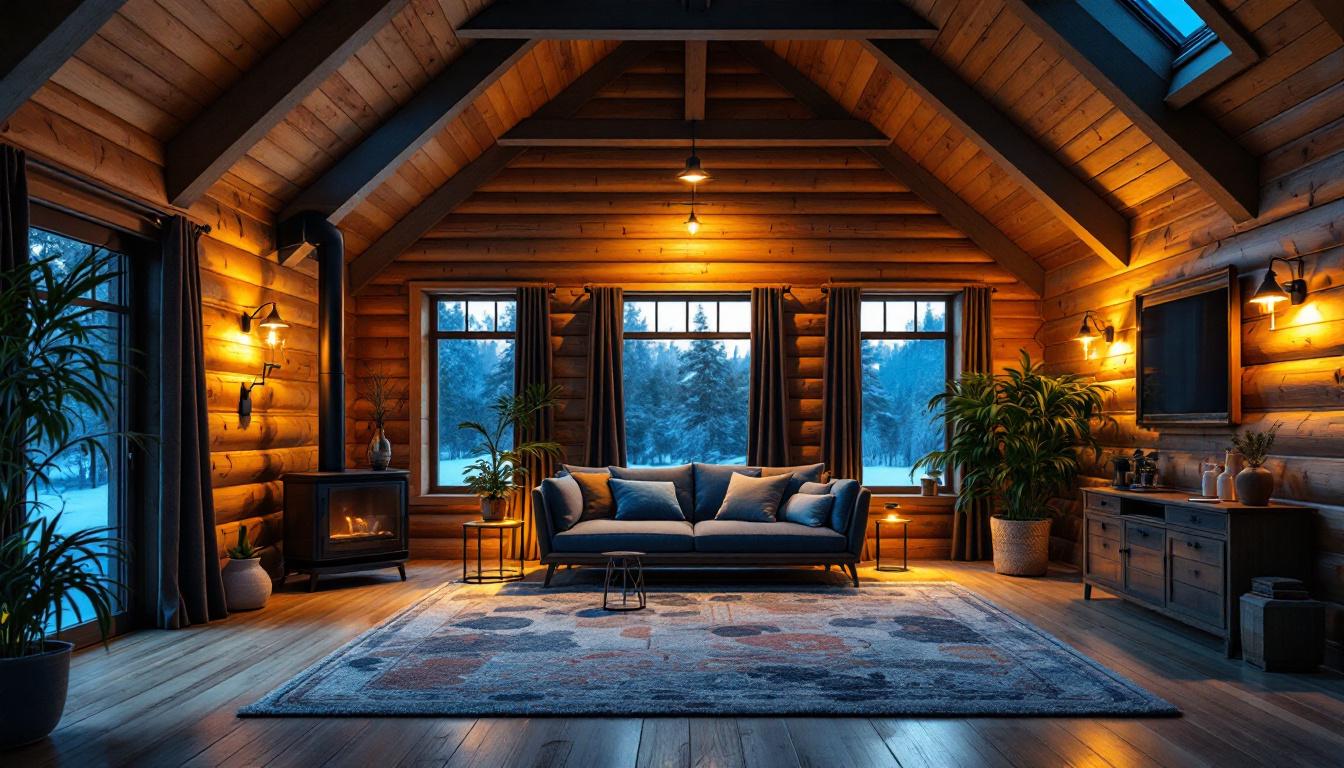
In log cabins, the use of natural materials can influence lighting choices. For instance, the placement of fixtures must consider the potential for fire hazards and the impact of moisture on electrical components. Understanding these factors is essential for contractors aiming to create safe and compliant lighting solutions. Moreover, the aesthetic appeal of log cabins often leads to unique architectural features, such as exposed beams and high ceilings, which can complicate lighting design. Therefore, a thoughtful approach to compliance not only enhances safety but also contributes to the overall beauty and ambiance of the space.
Understanding Local Codes and Regulations
Before embarking on a lighting project, contractors should familiarize themselves with local building codes and regulations. These codes can vary significantly from one jurisdiction to another, affecting everything from the types of fixtures that can be used to the installation methods required.
Contractors should consult with local building authorities or review the latest code updates to ensure compliance. This step not only helps avoid potential fines but also protects the safety of the occupants and the integrity of the log cabin itself. Additionally, staying informed about energy efficiency standards can lead to the selection of fixtures that not only comply with regulations but also reduce energy consumption. This is particularly important in remote log cabin locations where energy resources may be limited or costly, making efficient lighting solutions a priority for sustainability.
Fire Safety Considerations
Fire safety is a paramount concern in any lighting installation, but it takes on added significance in log cabins due to the prevalence of wood materials. Contractors must ensure that all lighting fixtures are rated for use in wood structures and that they are installed at safe distances from combustible materials.
Additionally, using LED lighting can be beneficial, as these fixtures generate less heat compared to traditional incandescent bulbs. This reduces the risk of fire while also providing energy-efficient lighting solutions that align with modern sustainability practices. Furthermore, incorporating smart lighting systems can enhance safety by allowing for remote control and automation, ensuring that lights can be turned off when not in use, thus minimizing the risk of overheating. Regular maintenance checks of the lighting systems are also essential, as they help identify any wear and tear that could lead to potential hazards, ensuring that the log cabin remains a safe haven for its occupants.
Choosing the Right Lighting Fixtures
The choice of lighting fixtures plays a crucial role in both aesthetics and compliance. Contractors must consider the specific needs of log cabins, which often feature high ceilings, open spaces, and natural wood finishes. Selecting the right fixtures can enhance these features while ensuring compliance with safety standards.
Types of Lighting Fixtures for Log Cabins
When selecting lighting fixtures for log cabins, contractors should consider a variety of options, including recessed lighting, pendant lights, and wall sconces. Each type serves a different purpose and can contribute to the overall ambiance of the space.
Recessed lighting is popular for its ability to provide ambient light without detracting from the natural beauty of the logs. Pendant lights can serve as focal points over dining areas or kitchen islands, while wall sconces can add warmth and character to hallways and living spaces. In addition to these traditional options, contractors might also explore the use of track lighting, which offers flexibility in directing light to specific areas, making it ideal for showcasing artwork or architectural features. Furthermore, incorporating dimmable fixtures can enhance the versatility of the lighting, allowing homeowners to adjust the brightness according to the time of day or occasion.
Energy Efficiency and Sustainability
In today’s environmentally conscious world, energy efficiency is a significant consideration for lighting contractors. Log cabins often benefit from natural light, but when artificial lighting is necessary, choosing energy-efficient options can reduce energy consumption and lower utility bills.
LED fixtures are an excellent choice for log cabins, as they consume less energy and have a longer lifespan compared to traditional bulbs. Additionally, contractors should consider smart lighting solutions that allow homeowners to control their lighting remotely, further enhancing energy efficiency. Beyond just the fixtures themselves, the placement of lighting can also play a crucial role in energy conservation. Strategically positioning lights to maximize the use of natural light during the day can significantly reduce reliance on artificial lighting. Moreover, incorporating motion sensors in outdoor lighting can provide security while ensuring that energy is only used when needed, making the cabin not only more sustainable but also more secure.
Installation Best Practices
Once the appropriate fixtures have been selected, the next step is installation. Proper installation is vital for ensuring compliance and maximizing the effectiveness of the lighting design. Contractors should follow best practices to achieve optimal results.
Wiring Considerations
Wiring in log cabins can be challenging due to the unique structure and materials used. Contractors must ensure that all wiring is installed in accordance with local codes and that it is protected from moisture and pests. Using conduit or other protective measures can help safeguard the wiring and maintain compliance.
Additionally, it is essential to consider the load capacity of the electrical system. Log cabins may have different electrical demands compared to traditional homes, and contractors should assess the existing system to ensure it can handle the new lighting installations. This assessment may involve calculating the total wattage of all fixtures and appliances to avoid overloading circuits, which can lead to safety hazards and costly repairs.
Moreover, it is advisable to incorporate energy-efficient solutions, such as LED lighting, which not only reduces energy consumption but also generates less heat, thereby minimizing risks associated with overheating in wooden structures. By prioritizing energy efficiency, contractors can enhance the longevity of both the fixtures and the overall electrical system.
Fixture Placement and Spacing
Proper placement and spacing of fixtures are crucial for achieving a balanced and effective lighting design. Contractors should consider the layout of the cabin and the intended use of each space when determining where to install fixtures.
For example, in areas with high ceilings, using taller fixtures or multiple light sources can help distribute light evenly throughout the space. In contrast, lower ceilings may benefit from flush-mounted fixtures that provide adequate illumination without overwhelming the room. Additionally, accent lighting can be strategically placed to highlight architectural features, such as exposed beams or stone fireplaces, adding character and warmth to the cabin’s interior.
Furthermore, it is important to account for the natural light that enters the cabin during different times of the day. Positioning fixtures to complement natural light sources can create a harmonious ambiance, making spaces feel more inviting and spacious. For instance, installing dimmable fixtures near windows can allow for flexibility in adjusting the lighting based on the time of day and the desired mood, enhancing the overall living experience within the cabin.
Maintaining Compliance Post-Installation
Compliance does not end with the installation of lighting fixtures. Contractors should educate their clients about the importance of ongoing maintenance and inspections to ensure that the lighting system remains safe and compliant over time.
Regular Inspections and Upkeep
Encouraging clients to conduct regular inspections of their lighting systems can help identify potential issues before they become serious problems. This includes checking for signs of wear and tear, ensuring that fixtures are securely mounted, and verifying that wiring remains intact and protected.
Additionally, contractors should recommend that clients replace any burnt-out bulbs promptly and consider upgrading to more energy-efficient options as technology advances. This proactive approach not only enhances safety but also contributes to long-term energy savings.
Staying Informed About Changes in Regulations
The landscape of building codes and lighting regulations is continually evolving. Contractors must stay informed about any changes that may affect their work, particularly regarding energy efficiency standards and safety requirements.
Joining professional organizations, attending industry conferences, and subscribing to relevant publications can help contractors remain up to date with the latest developments. This knowledge not only enhances their expertise but also positions them as trusted advisors to their clients.
Conclusion
Log cabin lighting presents unique challenges and opportunities for lighting contractors. By understanding the importance of compliance, selecting the right fixtures, following best installation practices, and maintaining ongoing compliance, contractors can create beautiful and safe lighting solutions that enhance the charm of log cabins.
As the demand for log cabins continues to grow, so too does the need for knowledgeable lighting contractors who can navigate the complexities of compliance and design. By prioritizing safety and efficiency, contractors can ensure that their lighting installations not only meet regulatory standards but also delight their clients for years to come.
Illuminate Your Log Cabin Projects with LumenWholesale
Ready to enhance your log cabin lighting projects with the best in compliance and design? Look no further than LumenWholesale for all your lighting needs. Our extensive selection of top-quality, spec-grade lighting products ensures you have access to the most reliable and high-performance options on the market. With unbeatable wholesale prices and the convenience of free shipping on bulk orders, you can trust us to provide premium lighting solutions that meet the highest industry standards. Elevate your lighting installations with the perfect blend of quality, affordability, and convenience. Discover the value of wholesale lighting with LumenWholesale today.