In the world of interior design, lighting plays a pivotal role in enhancing aesthetics and functionality. Among the various lighting solutions available, LED lights above cabinets have emerged as a popular choice for both residential and commercial spaces. For lighting contractors, mastering the use of these lights can elevate their projects and satisfy clients’ demands for modern, energy-efficient solutions. This article explores essential resources and tips to help lighting contractors excel in the installation and application of LED lights above cabinets.
Understanding LED Technology
Before diving into installation techniques, it’s crucial for lighting contractors to have a solid understanding of LED technology. LEDs, or Light Emitting Diodes, are semiconductor devices that emit light when an electric current passes through them. Their efficiency and longevity make them a preferred choice in various applications. Unlike traditional incandescent bulbs that rely on heating a filament to produce light, LEDs generate illumination through electroluminescence, a process that not only conserves energy but also minimizes heat production. This fundamental difference in operation is what sets LEDs apart in terms of performance and sustainability.
Benefits of LED Lights
LED lights offer numerous advantages over traditional lighting options. One of the most significant benefits is their energy efficiency. LEDs consume significantly less power, which translates to lower electricity bills for clients. Additionally, they have a longer lifespan, often lasting up to 25 times longer than incandescent bulbs. This durability means fewer replacements, reducing maintenance costs and inconvenience. Furthermore, the reduced energy consumption of LEDs contributes to a smaller carbon footprint, making them an environmentally friendly choice that aligns with the growing emphasis on sustainability in modern design.
Moreover, LEDs emit less heat, making them safer to use in enclosed spaces. This feature is particularly important for installations above cabinets, where heat buildup can be a concern. The lower heat output not only enhances safety but also protects sensitive items stored within cabinets from potential damage. Finally, the versatility of LED lights allows for a wide range of color temperatures and designs, enabling contractors to customize lighting solutions to fit the aesthetic of any space. From warm, inviting tones ideal for residential settings to cooler, brighter hues suitable for commercial environments, the adaptability of LED technology empowers designers to create the perfect ambiance for any occasion.
Types of LED Lights for Cabinet Installation
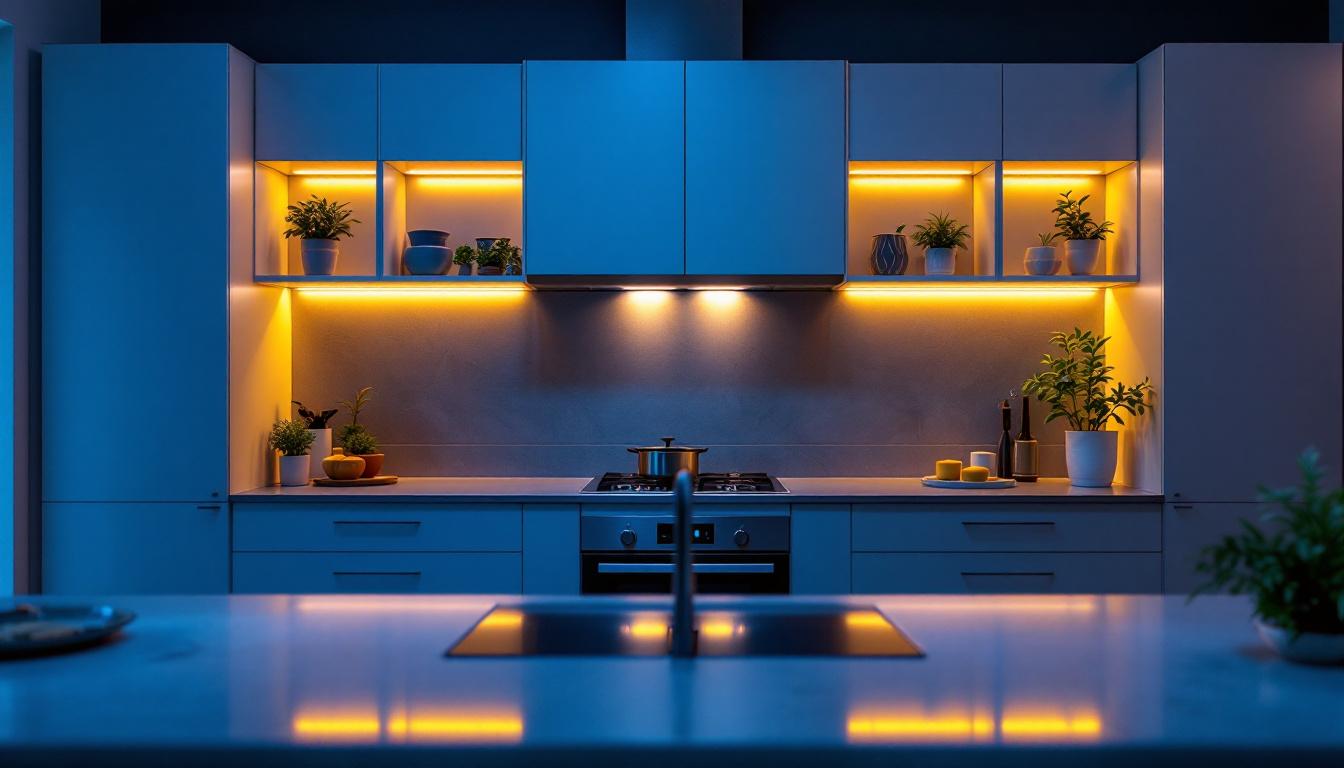
When considering LED lights for cabinet installation, several types are available, each with unique features and benefits. Under-cabinet lights are a popular choice, providing direct illumination for countertops and workspaces. These lights can be installed as strip lights or puck lights, depending on the desired effect. Strip lights offer a seamless look and can be easily cut to fit specific lengths, while puck lights provide focused beams that can highlight particular areas, such as a decorative dish or a cookbook.
Another option is cabinet interior lighting, which enhances visibility and adds a touch of elegance. This type of lighting can be activated by motion sensors or door switches, creating a welcoming atmosphere when cabinets are opened. The soft glow of interior cabinet lights not only improves functionality but also showcases the beauty of the items within, making them ideal for glass-front cabinets. Finally, LED tape lights offer flexibility in installation, allowing contractors to create custom shapes and lengths to fit various cabinet designs. These tape lights can also be integrated with smart home systems, enabling users to control their lighting remotely or set schedules for added convenience. With these diverse options, contractors can tailor their lighting solutions to meet the specific needs and preferences of their clients, ensuring satisfaction and enhancing the overall design of the space.
Planning the Installation
Proper planning is essential for a successful LED cabinet lighting installation. Lighting contractors should consider several factors, such as the layout of the kitchen or space, the height of the cabinets, and the intended use of the area.
Assessing the Space
Before beginning any installation, it’s important to assess the space thoroughly. Take measurements of the cabinets and the surrounding area to determine the best placement for the LED lights. Consider the height of the cabinets and the type of tasks that will be performed in the space. For example, if the area is primarily used for cooking, brighter, focused lighting may be necessary, while a more ambient light could suffice in a decorative setting.
Additionally, evaluate the existing electrical setup. Determine whether there are sufficient power sources available for the LED lights and if any modifications are needed. This assessment will help avoid complications during installation and ensure a smooth process.
Choosing the Right Color Temperature
The color temperature of LED lights can significantly impact the ambiance of a space. Measured in Kelvin (K), color temperatures range from warm (around 2700K) to cool (up to 6500K). For kitchen cabinets, a warmer light often creates a cozy and inviting atmosphere, while cooler lights can enhance visibility and create a modern, clean look.
Contractors should discuss color temperature options with their clients to ensure the final choice aligns with their vision. Additionally, consider using dimmable LED lights, which allow for adjustable brightness levels, providing flexibility for different activities and moods.
Installation Techniques
Once planning is complete, the next step is the actual installation of the LED lights. Proper techniques will ensure a professional finish and optimal performance of the lighting system.
Mounting Options
There are various mounting options for LED lights above cabinets, and the choice often depends on the type of lights being installed. For under-cabinet strip lights, adhesive backing allows for easy installation. However, using mounting clips or brackets can provide additional security and stability, especially in high-traffic areas.
For puck lights, drilling holes into the cabinet may be necessary to ensure a flush fit. This technique requires precision to avoid damaging the cabinets. Additionally, consider the placement of the lights; they should be evenly spaced to provide uniform illumination across the countertop.
Wiring and Power Supply
Wiring is a critical aspect of LED light installation. Contractors should ensure that all electrical connections comply with local codes and regulations. If the existing electrical setup is inadequate, it may be necessary to run new wiring or install additional outlets to accommodate the LED lights.
Using a power supply that matches the voltage requirements of the LED lights is essential. Many LED systems operate on low voltage, so contractors should be familiar with transformers and how to install them safely. Properly securing and concealing wiring will enhance the overall appearance of the installation and prevent any safety hazards.
Enhancing Functionality with Controls
Incorporating advanced controls into LED lighting systems can significantly enhance their functionality. Lighting contractors should consider integrating smart technology to provide clients with greater control over their lighting environment.
Smart Lighting Solutions
Smart lighting solutions allow users to control their LED lights through mobile apps or voice commands. These systems can be programmed to adjust brightness, color temperature, and even set schedules for when lights turn on or off. This level of control not only adds convenience but can also contribute to energy savings.
Contractors should familiarize themselves with various smart lighting products available on the market. Compatibility with existing home automation systems is an important consideration, as clients may already have smart devices in their homes. Providing options that seamlessly integrate with their current setup can enhance customer satisfaction.
Motion Sensors and Timers
Motion sensors and timers are additional features that can improve the functionality of LED lights above cabinets. Motion sensors automatically turn lights on when someone enters the area, providing convenience and energy efficiency. This feature is particularly useful in kitchens, where hands may be full when entering the space.
Timers can also be programmed to turn lights on and off at specific times, ensuring that lights are only used when needed. This feature is especially beneficial for homeowners who may forget to turn off lights after using the kitchen. By incorporating these controls, lighting contractors can offer clients a more tailored lighting experience.
Maintenance and Troubleshooting
Common Issues with LED Lights
One common issue with LED lights is flickering, which can be caused by incompatible dimmers or fluctuations in voltage. Contractors should educate clients about the importance of using compatible dimmers and ensuring that the electrical supply is stable. If flickering persists, it may be necessary to replace the dimmer switch or consult an electrician for further evaluation.
Another issue may arise from inadequate power supply. If LED lights are not receiving enough power, they may not function correctly. Contractors should ensure that the power supply is appropriate for the number and type of lights being installed. Regular checks can help identify any potential problems before they escalate.
Cleaning and Maintenance Tips
To keep LED lights looking their best, regular cleaning is essential. Dust and grime can accumulate on fixtures, reducing light output and affecting the overall appearance. Contractors should advise clients to use a soft cloth and mild cleaning solution to gently wipe down fixtures without damaging them.
Additionally, encourage clients to periodically check connections and wiring for any signs of wear or damage. Early detection can prevent more significant issues down the line, ensuring the longevity of the lighting system.
Conclusion
LED lights above cabinets offer a versatile and efficient lighting solution for various spaces. By mastering the installation and application of these lights, lighting contractors can enhance their services and meet the evolving needs of their clients. Understanding LED technology, planning installations carefully, and incorporating smart controls are vital steps in creating effective lighting solutions.
As the demand for energy-efficient and aesthetically pleasing lighting continues to grow, staying informed about the latest trends and technologies will ensure that lighting contractors remain competitive in the industry. By leveraging the resources and techniques discussed in this article, contractors can confidently tackle LED cabinet lighting projects and deliver exceptional results.
Get Your Premium LED Lighting Supplies at LumenWholesale
Ready to take your LED cabinet lighting projects to the next level? Look no further than LumenWholesale for all your lighting needs. Our extensive selection of spec-grade lighting products is designed to meet the highest industry standards, ensuring you deliver reliable and high-performance lighting solutions to your clients. With unbeatable wholesale prices and the convenience of bulk buying without hidden fees, LumenWholesale is your go-to source for quality and affordability. Plus, enjoy the added benefit of free shipping on your orders. Don’t miss out on the best value in lighting—Wholesale Lighting at the Best Value is just a click away.