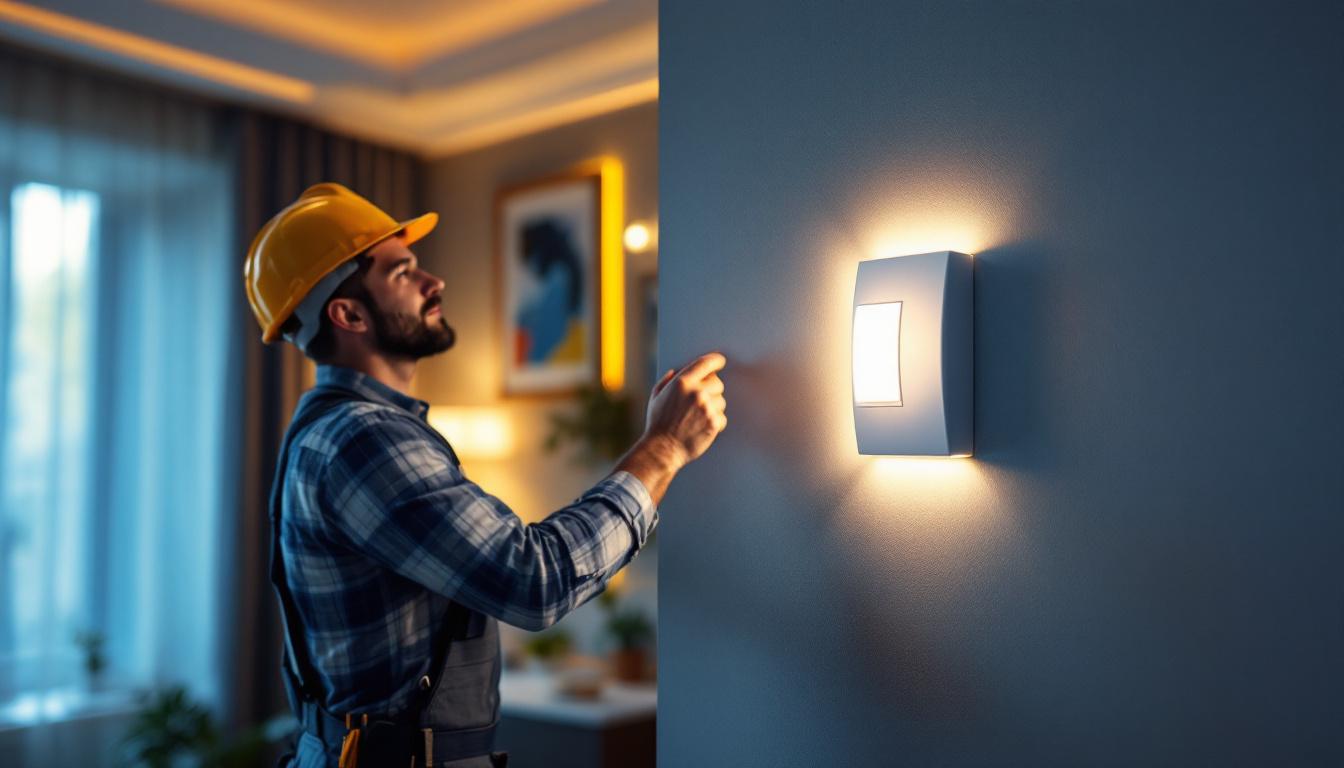
In the world of electrical work, lighting contractors play a pivotal role in enhancing the functionality and aesthetics of residential and commercial spaces. Whether it’s installing new fixtures, upgrading existing systems, or troubleshooting issues, having a set of practical tips can make the job easier and more efficient. This article delves into essential tips that every lighting contractor should keep in mind to ensure that their projects shine bright.
Understanding the Basics of Lighting Design
Before diving into installation or troubleshooting, it’s crucial for lighting contractors to have a solid grasp of lighting design principles. This knowledge not only enhances the quality of work but also helps in communicating effectively with clients. A well-informed contractor can better understand the nuances of light and shadow, which can dramatically alter the perception of space and function. This foundational knowledge is essential for creating environments that are not only visually appealing but also practical and efficient.
The Importance of Layered Lighting
Layered lighting is a fundamental concept that involves using multiple sources of light to create a balanced and inviting atmosphere. This can include ambient, task, and accent lighting. By understanding how to layer these types, contractors can suggest solutions that meet both functional and aesthetic needs. Each layer serves a distinct purpose; ambient lighting provides overall illumination, task lighting focuses on specific activities, and accent lighting highlights architectural features or artwork.
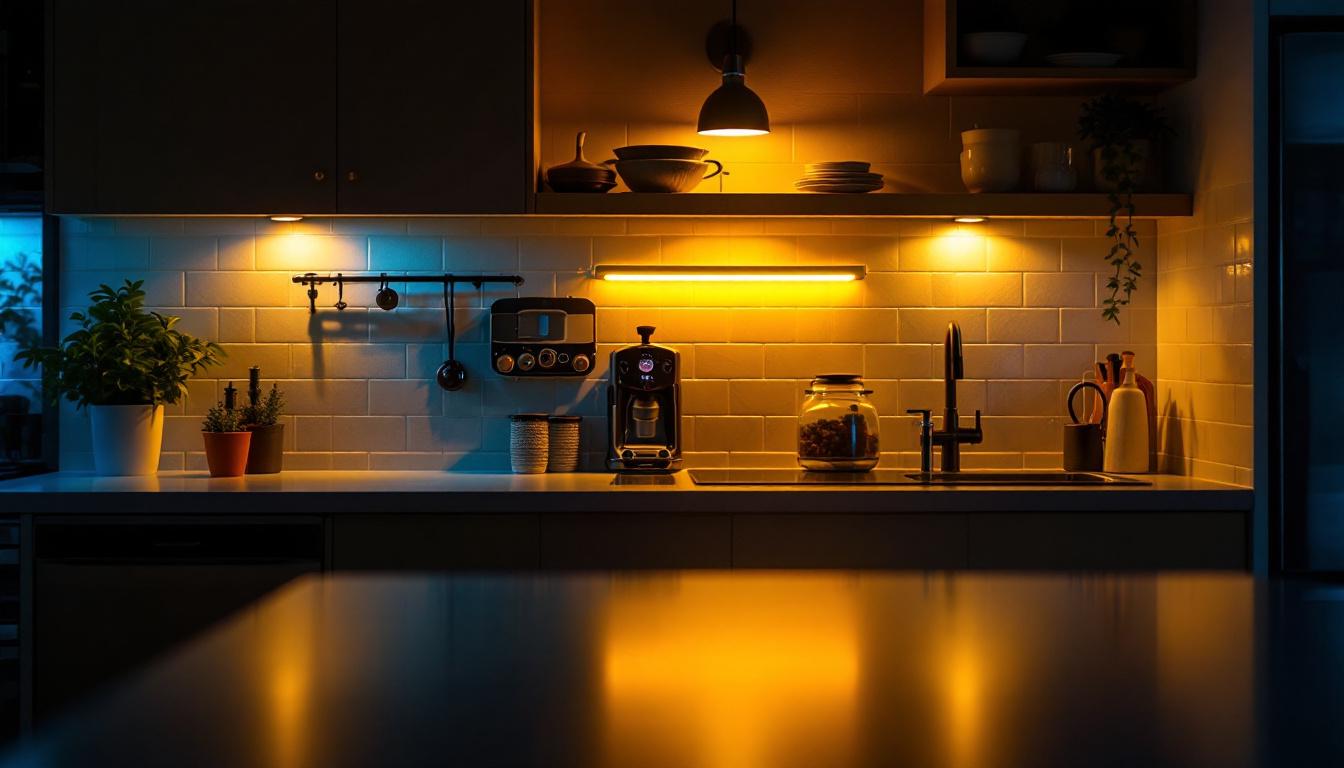
For instance, in a kitchen, ambient lighting can come from ceiling fixtures, task lighting from under-cabinet lights, and accent lighting from decorative fixtures. By considering all three layers, contractors can create a well-lit space that enhances usability and visual appeal. Additionally, the strategic placement of these lighting types can help to define different areas within an open-concept space, guiding the flow and functionality of the environment. This thoughtful approach not only improves the practical use of the space but also elevates the overall design aesthetic.
Color Temperature and Its Impact
Color temperature, measured in Kelvin (K), significantly affects the mood of a space. Warmer tones (around 2700K-3000K) create a cozy, inviting atmosphere, while cooler tones (4000K-5000K) promote alertness and focus. Understanding the desired ambiance of a space allows contractors to recommend appropriate lighting solutions. The choice of color temperature can also influence how colors are perceived in the room, which is particularly important in settings like retail spaces or art galleries where color accuracy is paramount.
For example, a living room might benefit from warmer lighting to create a relaxing environment, while an office space may require cooler lighting to enhance productivity. Educating clients about these differences can lead to more informed decisions and greater satisfaction with the final outcome. Furthermore, the use of dimmers and smart lighting systems can allow clients to adjust the color temperature and intensity to suit different activities or times of day, adding an extra layer of versatility to their lighting design. This adaptability not only enhances comfort but also encourages energy efficiency, as lighting can be tailored to the specific needs of the moment.
Installation Tips for Optimal Performance
Proper installation is key to ensuring that lighting fixtures perform as intended. Here are some essential tips that can help lighting contractors achieve optimal results.
Choosing the Right Fixtures
Selecting the right fixtures for a specific application is crucial. Factors such as size, style, and functionality must be considered. For instance, in a small room, a large chandelier may overwhelm the space, while a sleek pendant light might enhance it.
Additionally, energy efficiency should be a priority. LED fixtures, for example, not only consume less energy but also have a longer lifespan compared to traditional incandescent bulbs. Educating clients about these benefits can lead to more sustainable choices. Beyond energy efficiency, the color temperature of the bulbs can significantly affect the ambiance of a room. Warmer tones create a cozy atmosphere, making them ideal for living spaces, while cooler tones are often preferred in work areas for better concentration and visibility.
Proper Wiring Techniques
Wiring is the backbone of any lighting installation. Ensuring that wiring is done correctly is vital for safety and functionality. It is essential to follow local electrical codes and regulations to prevent hazards.
Moreover, using the right gauge of wire for the load is crucial. Overloading a wire can lead to overheating and potential fire hazards. Contractors should always double-check their calculations and ensure that the wiring is suitable for the fixtures being installed. Additionally, it’s wise to consider the layout of the wiring; running wires in a neat and organized manner not only looks professional but also simplifies future maintenance or upgrades. Utilizing conduit can provide extra protection for wiring, especially in high-traffic areas or locations exposed to moisture.
Testing Before Finalizing
Before wrapping up an installation, thorough testing is essential. This includes checking for proper functionality, ensuring that all connections are secure, and verifying that there are no flickering lights or dead circuits. A quick test can save time and prevent issues down the line.
Additionally, it’s a good practice to educate clients on how to operate their new lighting systems. Providing a brief demonstration can enhance their experience and reduce the likelihood of future troubleshooting calls. Furthermore, discussing the importance of regular maintenance can help clients understand how to care for their fixtures. Simple tasks like dusting light fixtures and replacing bulbs promptly can extend the life of the installation and maintain its aesthetic appeal. Offering a maintenance schedule can also be a valuable service, ensuring that the lighting remains in optimal condition for years to come.
Common Troubleshooting Techniques
Even with the best installations, issues can arise. Knowing how to troubleshoot common problems efficiently can save time and enhance client satisfaction.
Identifying Flickering Lights
Flickering lights can be a common annoyance, and identifying the cause is the first step in resolving the issue. Potential reasons can range from loose bulbs to faulty wiring or even issues with the circuit itself. Contractors should start by checking the bulb and socket connections.
If the bulbs are secure, the next step is to inspect the wiring for any signs of damage or wear. In some cases, flickering can also be attributed to voltage fluctuations, which may require further investigation into the electrical system.
Dealing with Burnt-Out Bulbs
Burnt-out bulbs can be frustrating for clients. When replacing bulbs, it’s important to ensure that the correct wattage and type are being used. Over time, fixtures can accumulate dust and debris, which can affect the performance of the bulbs. Regular maintenance and cleaning can help extend the lifespan of lighting fixtures.
Additionally, educating clients on the importance of using high-quality bulbs can prevent frequent replacements. Suggesting reputable brands can lead to better performance and customer satisfaction.
Addressing Inconsistent Lighting
Inconsistent lighting can detract from the overall ambiance of a space. This issue may arise from a variety of factors, including mismatched bulbs, poor fixture placement, or inadequate wattage. Contractors should assess the lighting layout and make recommendations for adjustments as needed.
For instance, if certain areas are significantly dimmer than others, it may be necessary to add additional fixtures or adjust the positioning of existing ones. Ensuring a uniform distribution of light can greatly enhance the functionality and aesthetics of a space.
Staying Updated with Industry Trends
The lighting industry is constantly evolving, with new technologies and design trends emerging regularly. Staying informed about these changes is essential for lighting contractors looking to provide the best service to their clients.
Embracing Smart Lighting Solutions
Smart lighting technology has gained significant traction in recent years. These systems allow users to control their lighting through apps or voice commands, providing convenience and energy savings. Contractors should familiarize themselves with various smart lighting options and how they can be integrated into existing systems.
Offering clients the option of smart lighting can set a contractor apart from competitors and enhance the overall value of their services. Understanding the installation process and potential challenges can also streamline the integration of these systems.
Exploring Sustainable Lighting Options
As sustainability becomes a priority for many homeowners and businesses, lighting contractors should be well-versed in eco-friendly lighting solutions. This includes LED options, solar-powered fixtures, and energy-efficient designs.
Educating clients on the long-term benefits of sustainable lighting can lead to increased demand for these solutions. Additionally, being knowledgeable about available rebates and incentives can further entice clients to make environmentally conscious choices.
Enhancing Client Communication
Effective communication is a cornerstone of successful projects. Lighting contractors should strive to maintain open lines of communication with clients throughout the process.
Setting Clear Expectations
From the initial consultation to project completion, setting clear expectations is vital. Contractors should provide clients with detailed timelines, budgets, and potential challenges. This transparency helps build trust and ensures that clients feel informed and involved in the process.
Additionally, discussing design preferences and functional needs during the planning phase can lead to a more tailored approach, resulting in higher client satisfaction.
Providing Post-Installation Support
After completing a project, offering post-installation support can significantly enhance client relationships. This may include follow-up visits to ensure everything is functioning correctly or providing maintenance tips to keep the lighting systems in optimal condition.
By being available for questions or concerns, contractors can demonstrate their commitment to quality service, which can lead to repeat business and referrals.
Conclusion
Lighting contractors play a crucial role in shaping the environments in which people live and work. By understanding the fundamentals of lighting design, mastering installation techniques, troubleshooting common issues, staying updated with industry trends, and enhancing client communication, contractors can elevate their services and ensure successful projects.
Implementing these quick tips not only improves the quality of work but also fosters positive relationships with clients, ultimately leading to a thriving business. Embracing these practices can illuminate the path to success in the lighting industry.
Illuminate Your Projects with LumenWholesale
Ready to take your lighting projects to the next level? At LumenWholesale, we provide lighting contractors like you with the highest quality, spec-grade lighting products at prices that can’t be beaten. Say goodbye to local distributor markups and hello to our extensive selection that meets rigorous industry standards. With free shipping on bulk orders, you can trust that you’re getting premium lighting at the best value — no hidden fees, no compromises. Elevate your lighting game and discover wholesale lighting at the best value today with LumenWholesale.