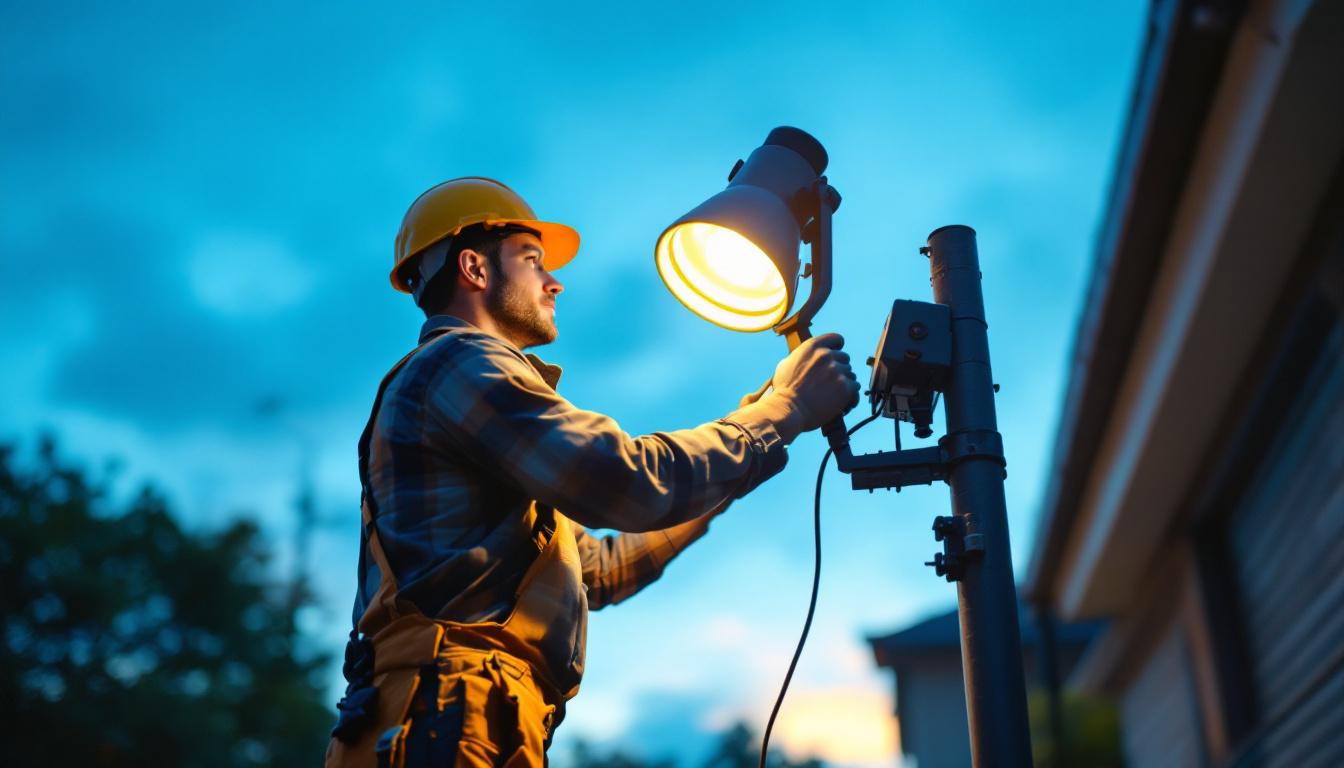
Light stanchions play a crucial role in the world of outdoor lighting, serving both functional and aesthetic purposes. For lighting contractors, understanding the nuances of stanchion selection, installation, and maintenance can significantly impact project outcomes. This article provides essential tips and insights to help lighting contractors make informed decisions when working with light stanchions.
Understanding Light Stanchions
Light stanchions, often referred to as light poles or fixtures, are vertical structures designed to support lighting fixtures. They are commonly used in various settings, including streets, parking lots, parks, and commercial properties. The choice of stanchion can affect not only the quality of light but also the overall design and functionality of the space. With the rise of smart city initiatives, light stanchions are increasingly being integrated with technology, allowing for features such as adaptive lighting, which adjusts based on the time of day or pedestrian activity, thus enhancing both safety and energy efficiency.
Types of Light Stanchions
There are several types of light stanchions available, each suited for different applications. Understanding the distinctions can help contractors select the right type for their projects. Additionally, the choice of stanchion can also influence maintenance requirements and the longevity of the lighting system.
- Metal Stanchions: Typically made from materials like aluminum or steel, metal stanchions are durable and resistant to weather conditions. They are ideal for urban environments where vandalism might be a concern. Many municipalities opt for metal stanchions due to their robustness and ability to withstand harsh weather, making them a long-term investment.
- Fiberglass Stanchions: Lightweight and corrosion-resistant, fiberglass stanchions are often used in coastal areas where saltwater can cause damage to metal. Their flexibility in design makes them a popular choice for decorative lighting. Furthermore, fiberglass stanchions can be molded into various shapes and colors, allowing for creative lighting solutions that can blend seamlessly into the environment.
- Wooden Stanchions: While less common, wooden stanchions can provide a rustic aesthetic. However, they require more maintenance to prevent rot and insect damage. These stanchions are often used in parks or nature reserves where a natural look is desired, and they can be treated with preservatives to extend their lifespan.
Height and Design Considerations
The height of the stanchion is a critical factor in ensuring adequate illumination. Typically, stanchions range from 10 to 30 feet in height, depending on the application. For instance, parking lots may require taller stanchions to ensure light reaches all areas, while pathways might benefit from shorter fixtures. The spacing between stanchions is also crucial; too far apart can create dark spots, while too close can lead to excessive brightness, causing glare.
Design is also an essential consideration. Stanchions should complement the architectural style of the surrounding environment. A well-designed stanchion can enhance the aesthetic appeal of a space while providing functional lighting. Moreover, modern designs often incorporate energy-efficient LED fixtures, which not only reduce energy consumption but also offer a variety of color temperatures to create the desired ambiance. The integration of smart technology, such as motion sensors and dimming capabilities, further allows for customization, ensuring that the lighting adapts to the needs of the space and its users.
Installation Tips for Lighting Contractors
Proper installation of light stanchions is vital for ensuring safety, functionality, and longevity. Here are some key tips for contractors to keep in mind during the installation process.
Site Assessment
Before installation, conducting a thorough site assessment is crucial. This evaluation should include analyzing the existing lighting conditions, identifying potential obstructions, and considering the intended use of the area. Understanding the site allows contractors to determine the optimal placement and height for stanchions. Additionally, contractors should take into account the surrounding landscape, as trees, buildings, or other structures can cast shadows or obstruct light. By mapping out the area and using tools such as light meters, contractors can ensure that the lighting meets the specific needs of the environment, whether it be for safety, aesthetic appeal, or functionality.
Foundation Preparation
The stability of a light stanchion relies heavily on its foundation. A well-prepared foundation will prevent leaning or tipping over time. Contractors should ensure that the base is deep enough to accommodate the height and weight of the stanchion. Pouring concrete around the base can provide added stability, especially in areas prone to high winds or heavy traffic. Furthermore, it is advisable to consider the soil type when preparing the foundation. For instance, sandy or loose soil may require additional reinforcement, such as using a wider base or installing anchor bolts to secure the stanchion more effectively. This attention to detail in foundation preparation can significantly enhance the durability of the installation.
Electrical Considerations
When installing light stanchions, it is essential to plan for electrical connections. Ensure that all wiring is properly insulated and protected from the elements. Using weatherproof junction boxes and connectors can help prevent electrical failures. Additionally, consider the use of LED fixtures, which require less energy and have longer lifespans compared to traditional bulbs. Beyond just energy efficiency, LED lights also offer a range of color temperatures and brightness levels, allowing for greater customization based on the specific needs of the installation site. Moreover, integrating smart lighting controls can enhance functionality, enabling features such as dimming, motion detection, or even remote operation, which can be particularly beneficial in commercial or public spaces.
Maintenance and Upkeep
Regular maintenance of light stanchions is essential to ensure their longevity and effectiveness. Neglecting maintenance can lead to costly repairs and replacements down the line. Here are some tips for maintaining light stanchions.
Routine Inspections
Conducting routine inspections is vital for identifying potential issues before they become significant problems. Contractors should check for signs of corrosion, damage, or wear on the stanchions and fixtures. Regularly inspecting the electrical components can also help prevent outages and ensure safety.
Cleaning and Repairs
Keeping light stanchions clean is essential for optimal performance. Dirt and debris can accumulate on fixtures, reducing light output. Contractors should establish a cleaning schedule, especially for stanchions in high-traffic areas. Additionally, any damaged components should be repaired or replaced promptly to maintain functionality.
Choosing the Right Lighting Technology
The choice of lighting technology can significantly impact the effectiveness of light stanchions. Contractors must stay informed about the latest advancements in lighting technology to make the best choices for their projects.
LED vs. Traditional Lighting
LED lighting has become increasingly popular due to its energy efficiency and longevity. Compared to traditional incandescent or halogen bulbs, LEDs consume significantly less energy and can last up to 25 times longer. This not only reduces energy costs but also minimizes the frequency of replacements, making LED fixtures a cost-effective option in the long run.
Smart Lighting Solutions
Smart lighting technology is revolutionizing outdoor lighting. Integrating smart controls allows for remote management of lighting systems, enabling contractors to adjust brightness levels, set schedules, and even monitor energy usage. This technology can enhance safety and security while providing flexibility in lighting design.
Regulatory Compliance and Safety Standards
Understanding and adhering to local regulations and safety standards is crucial for lighting contractors. Compliance ensures that installations are safe and meet the necessary legal requirements.
Building Codes and Zoning Regulations
Before beginning any installation, contractors should familiarize themselves with local building codes and zoning regulations. These regulations may dictate the height, placement, and type of lighting fixtures allowed in specific areas. Failure to comply can result in fines or the need for costly modifications.
Safety Standards
Safety is paramount in any lighting installation. Contractors should ensure that all electrical components meet safety standards to prevent hazards such as electrical shock or fire. Additionally, stanchions should be installed in a manner that minimizes the risk of accidents, particularly in high-traffic areas.
Cost Considerations
Budgeting for light stanchions involves more than just the initial purchase price. Contractors must consider various factors that contribute to the overall cost of the project.
Initial Investment vs. Long-Term Savings
While the initial investment in high-quality stanchions and fixtures may be higher, the long-term savings can be substantial. Energy-efficient lighting solutions, such as LEDs, can significantly reduce electricity bills. Additionally, durable materials may require less frequent replacements, leading to lower maintenance costs over time.
Labor Costs
Labor costs can vary depending on the complexity of the installation. Contractors should factor in the time required for site assessments, installation, and any necessary electrical work. Providing clients with a detailed breakdown of costs can help manage expectations and ensure transparency throughout the project.
Future Trends in Lighting Stanchions
The lighting industry is continually evolving, with new trends emerging that can impact the use of light stanchions. Staying informed about these trends can help contractors remain competitive and offer innovative solutions to clients.
Sustainability and Eco-Friendly Options
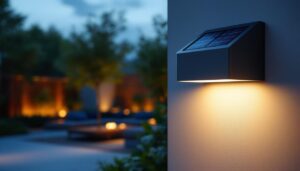
As sustainability becomes increasingly important, many contractors are exploring eco-friendly lighting options. This includes utilizing solar-powered stanchions, which harness sunlight to provide illumination without relying on the grid. Such solutions not only reduce energy consumption but also appeal to environmentally conscious clients.
Integration with Urban Design
Light stanchions are increasingly being integrated into urban design concepts. This approach considers the overall aesthetics and functionality of public spaces. Collaborating with urban planners and designers can lead to innovative lighting solutions that enhance the user experience while meeting practical needs.
Conclusion
Light stanchions are a vital component of outdoor lighting, and understanding their intricacies can significantly benefit lighting contractors. From selecting the right type and height to ensuring proper installation and maintenance, each step plays a crucial role in the success of a project. By staying informed about the latest technologies and trends, contractors can provide clients with effective, efficient, and aesthetically pleasing lighting solutions.
With careful consideration of factors such as regulatory compliance, cost, and sustainability, lighting contractors can navigate the complexities of light stanchions with confidence. Ultimately, the goal is to create safe, well-lit environments that enhance the quality of life for all who use them.
Illuminate Your Projects with LumenWholesale
Ready to elevate your lighting projects with the highest quality stanchions and fixtures? Look no further than LumenWholesale for all your lighting needs. Our spec-grade products promise unmatched performance and durability, ensuring your installations shine above the rest. Say goodbye to local distributor markups and hello to unbeatable wholesale prices, free shipping, and the convenience you deserve. Don’t compromise on quality or value—choose LumenWholesale for lighting that meets the highest industry standards. Wholesale Lighting at the Best Value is just a click away. Make the smart choice and partner with us for your next project.