In the world of lighting, string LED lights have emerged as a versatile and popular choice for both residential and commercial applications. Their energy efficiency, longevity, and aesthetic appeal make them an attractive option for lighting contractors looking to meet diverse client needs. This article delves into the essential aspects of string LED lights that every lighting contractor should be familiar with, from installation techniques to the latest trends in design.
Understanding String LED Lights
String LED lights consist of multiple LED bulbs connected along a flexible wire or cord. They are available in various lengths, colors, and styles, making them suitable for a wide range of applications. Whether used for festive decorations, outdoor patios, or permanent installations, understanding the fundamentals of these lights is crucial for contractors. The versatility of string LED lights allows them to enhance the ambiance of any space, from cozy backyards to grand event venues, providing both functionality and aesthetic appeal.
Types of String LED Lights
String LED lights come in several types, each designed for specific applications. The most common types include:
- Mini Lights: These are small, compact bulbs that are often used for decorative purposes. They are ideal for wrapping around trees, railings, and other structures. Their energy efficiency and low heat output make them a popular choice for holiday decorations and year-round displays.
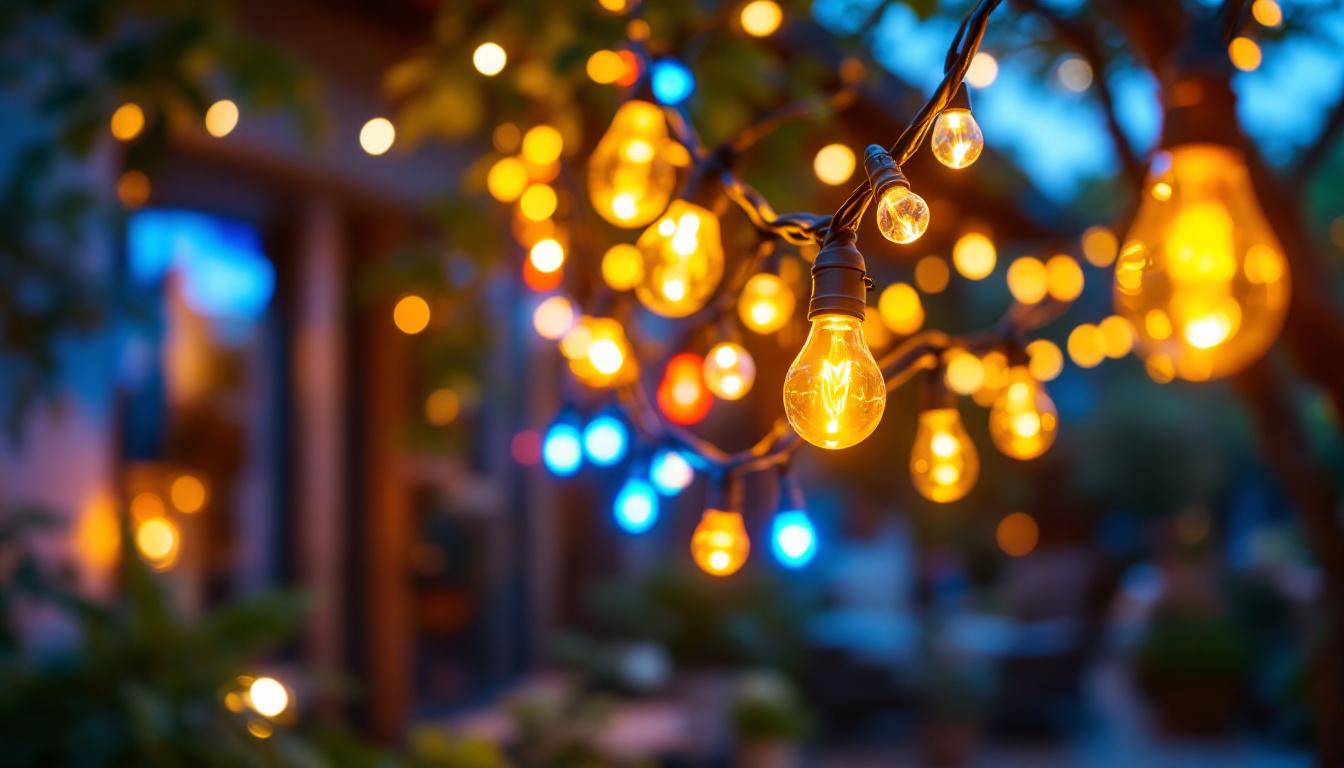
- Globe Lights: Featuring larger bulbs, globe lights provide a more substantial glow and are perfect for outdoor spaces, creating a warm and inviting atmosphere. Their vintage aesthetic has made them a trendy choice for weddings and outdoor parties, where they can be strung overhead to create a magical setting.
- Commercial Grade Lights: Designed for durability and longevity, these lights are often used in professional settings, such as event venues and outdoor installations. They are built to withstand harsh weather conditions and frequent use, making them a reliable option for contractors working on large-scale projects.
Each type has its unique features and benefits, making it essential for contractors to choose the right type based on the project requirements. Additionally, many string LED lights come with customizable options, such as dimmable features or smart technology integration, allowing for enhanced control over lighting effects and energy consumption.
Voltage Options
String LED lights are available in both low voltage and line voltage options. Low voltage lights typically operate at 12V, making them safer for outdoor use and easier to install. They require a transformer to convert standard voltage to low voltage, which can add to installation complexity. On the other hand, line voltage lights operate at 120V and are often easier to install since they can directly connect to standard electrical outlets. Understanding these voltage options is essential for ensuring the safety and efficiency of lighting installations.
Contractors should consider the installation environment and the intended use of the lights when choosing between low and line voltage options. Understanding the differences can help avoid potential electrical hazards and ensure compliance with local codes. Furthermore, low voltage systems often allow for greater flexibility in design, as they can be easily extended or modified without significant rewiring, making them ideal for projects that may evolve over time. The choice between these options can significantly impact both the performance and aesthetic of the lighting solution, ultimately shaping the overall success of the project.
Installation Best Practices
Proper installation of string LED lights is critical for ensuring safety, functionality, and longevity. Here are some best practices that every lighting contractor should follow:
Planning the Layout
Before installation, it is essential to plan the layout of the lights. This involves measuring the area where the lights will be installed and determining the number of strings needed. Consider factors such as spacing between bulbs, height of installation, and the desired brightness. A well-thought-out layout not only enhances aesthetics but also ensures that the lights will function effectively.
In addition to these considerations, think about the ambiance you want to create. Different spacing between bulbs can evoke various moods; closer spacing can create a warm, intimate atmosphere, while wider spacing may provide a more open and festive feel. Furthermore, consider the integration of the lights with existing architectural features or landscaping elements. This can help in highlighting specific areas, such as pathways, patios, or garden beds, making the space more inviting and visually appealing.
Securing the Lights
String lights should be securely fastened to prevent sagging or falling. Use appropriate clips, hooks, or ties to attach the lights to structures, ensuring they can withstand wind and weather conditions. For outdoor installations, it is advisable to use weather-resistant materials to prolong the lifespan of the lights.
Additionally, ensure that the lights are not placed in areas where they can be easily damaged, such as near sharp edges or heavy foot traffic. Proper securing also helps maintain a neat appearance, enhancing the overall visual impact of the installation. Consider using tension wires or cables in larger setups to distribute weight evenly and prevent drooping. This not only enhances safety but also allows for creative designs that can span greater distances without compromising the integrity of the installation.
Electrical Considerations
When installing string LED lights, electrical safety is paramount. Ensure that all connections are secure and that the lights are rated for the intended voltage. If using low voltage lights, confirm that the transformer is appropriately sized for the total wattage of the lights being used. This prevents overheating and potential electrical failures.
Contractors should also be aware of local electrical codes and regulations. Compliance with these codes not only ensures safety but also protects the contractor from liability in case of accidents. Additionally, consider the use of timers or smart controls to automate the lighting system. This not only enhances convenience but can also lead to energy savings, as lights can be programmed to turn off during daylight hours or when the area is not in use. By incorporating these modern technologies, contractors can offer clients a more efficient and user-friendly lighting solution.
Maintenance and Troubleshooting
String LED lights are known for their durability, but regular maintenance is still essential to ensure optimal performance. Understanding common issues and their solutions can save contractors time and resources.
Regular Inspection
Conducting regular inspections of the string lights can help identify potential issues before they become significant problems. Look for signs of wear, such as frayed wires, loose connections, or burnt-out bulbs. Addressing these issues promptly can prevent further damage and ensure the lights remain functional.
Replacing Bulbs
One of the most common maintenance tasks involves replacing burnt-out bulbs. Many string LED lights come with spare bulbs, making it easy to replace them as needed. When replacing bulbs, ensure that the new ones match the specifications of the existing lights to maintain consistent brightness and color.
In some cases, a single burnt-out bulb can affect the entire string, especially in series configurations. Understanding the wiring configuration can help contractors troubleshoot and resolve issues more efficiently.
Trends in String LED Lighting
The landscape of string LED lights is continually evolving, with new trends emerging to meet changing consumer preferences and technological advancements. Staying informed about these trends can help contractors offer innovative solutions to their clients.
Smart Lighting Solutions
Smart string LED lights are gaining popularity, allowing users to control their lighting through mobile apps or voice-activated devices. These lights often feature customizable settings, including color changes, dimming options, and scheduling capabilities. Contractors should familiarize themselves with smart lighting technologies to offer clients modern and convenient solutions.
Energy Efficiency and Sustainability
As energy efficiency becomes a priority for many consumers, string LED lights are often preferred for their low energy consumption. Additionally, manufacturers are increasingly focusing on sustainable practices, such as using recyclable materials and reducing waste during production. Contractors can leverage these attributes to appeal to environmentally conscious clients.
Creative Applications
String LED lights are no longer limited to traditional uses. Creative applications, such as indoor installations, event decorations, and artistic displays, are becoming more common. Contractors should explore innovative ways to incorporate string lights into their projects, enhancing the overall design and functionality.
Safety Considerations
Safety should always be a top priority when working with string LED lights. Understanding potential hazards and implementing safety measures can protect both contractors and clients.
Weather Resistance
For outdoor installations, it is crucial to select string lights that are rated for weather resistance. Look for lights with IP ratings that indicate their ability to withstand moisture and dust. Using non-weather-resistant lights outdoors can lead to electrical failures and safety hazards.
Fire Safety
While LED lights are generally cooler than traditional incandescent bulbs, they can still pose fire risks if not installed or maintained correctly. Ensure that lights are not placed near flammable materials and that electrical connections are secure. Educating clients about proper usage and maintenance can also enhance safety.
Conclusion
String LED lights offer a versatile and energy-efficient lighting solution for a wide range of applications. For lighting contractors, understanding the various types, installation practices, maintenance requirements, and emerging trends is essential for delivering high-quality services. By staying informed and adhering to safety standards, contractors can ensure successful installations that meet client expectations and enhance the beauty of any space.
As the demand for innovative lighting solutions continues to grow, being knowledgeable about string LED lights will position contractors as trusted experts in the field. Embracing these lights not only elevates the aesthetic appeal of projects but also contributes to a more sustainable and energy-efficient future.
Illuminate Your Projects with LumenWholesale
Ready to take your lighting projects to the next level? At LumenWholesale, we provide lighting contractors with the highest quality string LED lights and more, all at unbeatable wholesale prices. Say goodbye to local distributor markups and hello to spec-grade lighting that meets the highest industry standards. With our hassle-free bulk buying and free shipping, you can trust that you’re getting premium lighting at the best value — without any hidden fees. Elevate your lighting solutions today by visiting Wholesale Lighting at the Best Value and experience the LumenWholesale difference.