Understanding the Role of Light Pole Brackets in Lighting Installations
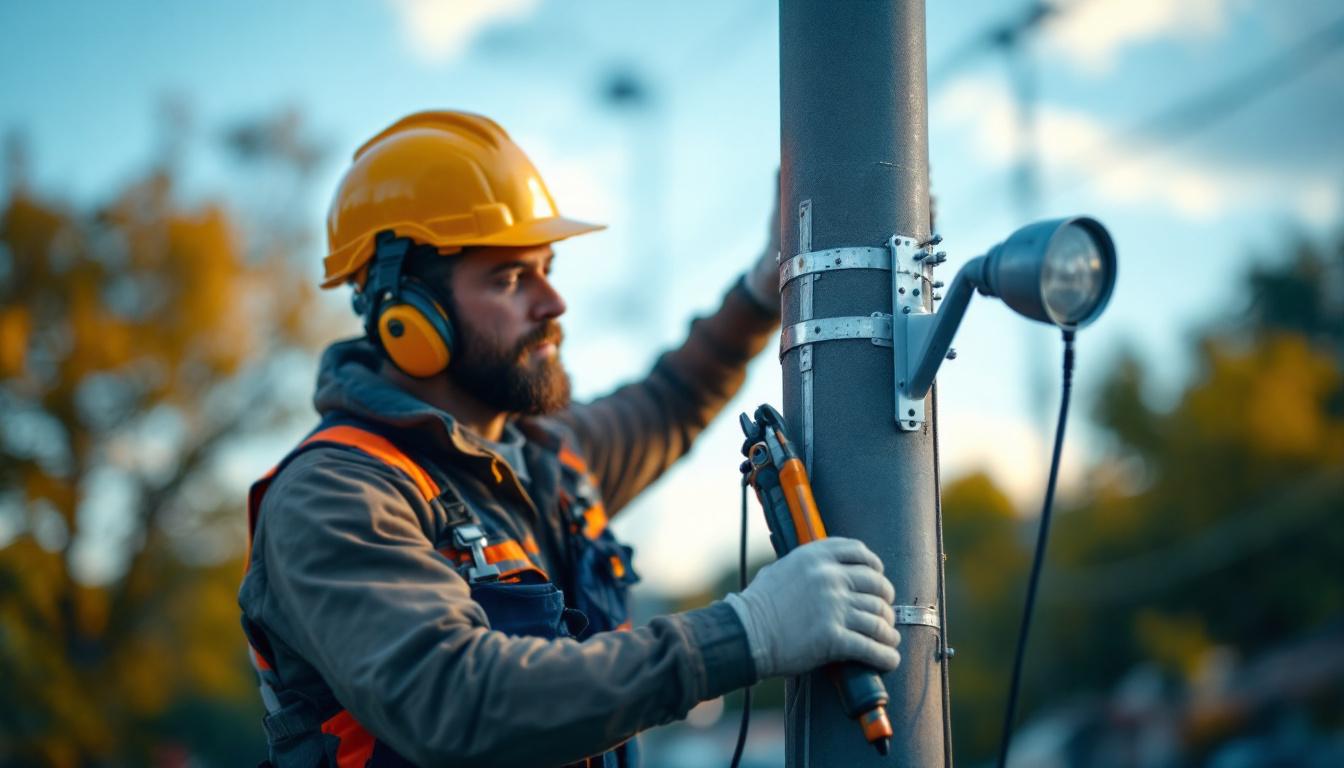
For lighting contractors, the importance of light pole brackets cannot be overstated. These components serve as the critical link between the lighting fixture and the pole, ensuring stability, safety, and optimal performance. Without the right brackets, even the most advanced lighting equipment can fail to deliver its intended function effectively.
Light pole brackets come in various designs and materials, tailored to accommodate different types of lighting fixtures such as streetlights, floodlights, and decorative lamps. Their primary purpose is to securely mount the fixture while maintaining the correct angle and orientation for optimal illumination. This precision directly impacts the quality of lighting, energy efficiency, and the overall aesthetic of the installation.
Key Functions of Light Pole Brackets
Beyond simply holding a light fixture in place, light pole brackets contribute to several essential functions:
- Structural Integrity: They provide the necessary support to withstand environmental stresses such as wind, rain, and temperature fluctuations.
- Safety: Properly designed and installed brackets reduce the risk of fixtures detaching and causing hazards to pedestrians and vehicles.
- Adjustability: Many brackets allow for angle adjustments, enabling contractors to direct light precisely where it is needed.
- Durability: High-quality brackets resist corrosion and wear, extending the lifespan of the lighting installation.
In addition to these key functions, light pole brackets also play a significant role in the overall design and functionality of outdoor spaces. For instance, in urban environments, the aesthetic appeal of light fixtures can greatly enhance the ambiance of streets and parks. Brackets that complement the design of the fixtures can create a cohesive look that aligns with the architectural style of the surrounding area. Furthermore, innovative designs can incorporate features such as integrated cable management systems, which help to keep wiring tidy and protected from the elements, contributing to a cleaner and more organized installation.
Moreover, the choice of materials for light pole brackets is crucial not only for durability but also for environmental considerations. Many manufacturers are now focusing on sustainable materials and production methods, which can reduce the carbon footprint of lighting installations. For example, brackets made from recycled metals or those that are designed to be easily disassembled and recycled at the end of their life cycle are becoming increasingly popular. This shift towards sustainability not only meets regulatory requirements but also appeals to environmentally conscious clients looking to minimize their impact on the planet.
Material Selection and Design Considerations for Light Pole Brackets
Choosing the right material and design for light pole brackets is a critical decision for lighting contractors. The selection impacts not only the bracket’s durability but also installation efficiency and maintenance costs.
Common materials include aluminum, stainless steel, galvanized steel, and sometimes composite materials. Each has its advantages and disadvantages depending on the installation environment and the type of lighting fixture.
Aluminum Brackets
Aluminum is prized for its lightweight nature and resistance to corrosion. It is particularly suitable for coastal or humid environments where rust can be a major issue. Additionally, aluminum brackets are easier to handle during installation, reducing labor time and fatigue. Their aesthetic appeal also makes them a popular choice for urban settings where visual impact is a consideration. Furthermore, aluminum can be anodized or painted to match the surrounding environment, providing both functional and decorative benefits.
Steel Brackets
Galvanized or stainless steel brackets offer superior strength, making them ideal for supporting heavier lighting fixtures or installations in high-wind areas. Galvanized steel is coated to resist rust, while stainless steel provides inherent corrosion resistance without additional coatings. The robustness of steel brackets also means they can withstand impacts and harsh weather conditions, making them a preferred choice for industrial applications or remote locations where maintenance access is limited. Additionally, the longevity of steel brackets often translates to lower replacement costs over time, making them a cost-effective solution in the long run.
Design Features to Consider
Beyond material, the design of the bracket plays a pivotal role. Features such as adjustable arms, slipfitter compatibility, and universal mounting holes enhance versatility. Contractors should also look for brackets that facilitate quick installation and easy access for maintenance. Innovative designs may include integrated cable management systems to keep wiring organized and protected from environmental damage. Moreover, some modern brackets come equipped with built-in sensors or smart technology capabilities, allowing for enhanced functionality such as adaptive lighting control or energy monitoring. These advanced features not only improve the efficiency of lighting systems but also align with the growing trend towards smart city infrastructure.
Impact of Light Pole Brackets on Installation Efficiency and Safety
For lighting contractors, time is money. Efficient installation processes reduce labor costs and project timelines, making bracket design and quality a significant factor in overall project success.
Brackets that are designed with intuitive mounting systems and compatibility with a wide range of poles and fixtures can dramatically reduce installation complexity. This not only speeds up the process but also minimizes the risk of errors that could compromise safety or performance. Additionally, the use of modular designs can allow contractors to adapt quickly to various project requirements without needing to stock an extensive inventory of different bracket types, further enhancing operational efficiency.
Safety Considerations
Safety is paramount in all lighting projects. Brackets must meet industry standards and certifications to ensure they can handle the mechanical loads and environmental conditions they will encounter. Properly engineered brackets reduce the risk of fixture detachment, which can cause injuries or property damage.
Moreover, brackets that facilitate secure wiring management help prevent electrical hazards. Lighting contractors should always verify that brackets allow for safe cable routing and protection against wear. In addition to these considerations, the materials used in bracket construction play a crucial role in safety; for instance, corrosion-resistant materials are essential for outdoor installations to withstand harsh weather conditions and ensure longevity. This not only protects the integrity of the lighting system but also reduces the need for frequent maintenance or replacements, thereby enhancing overall safety and reliability.
Furthermore, the integration of safety features such as quick-release mechanisms can provide an added layer of security during installation and maintenance. These features allow technicians to easily detach fixtures for repairs or upgrades without compromising the structural integrity of the installation. As technology advances, some manufacturers are even exploring smart brackets equipped with sensors that can monitor load stress and alert contractors to potential issues before they escalate, paving the way for a more proactive approach to safety in lighting installations.
Case Studies: Successful Applications of Light Pole Brackets
Examining real-world examples highlights the importance of selecting the right light pole brackets and how they contribute to project success.
Urban Street Lighting Upgrade
In a major city’s street lighting upgrade, contractors faced challenges with varying pole sizes and fixture weights. Utilizing adjustable aluminum brackets with universal mounting capabilities allowed the team to standardize their installation process across different locations. This choice reduced installation time by 30% and minimized maintenance calls due to bracket failures. Additionally, the lightweight nature of the aluminum brackets facilitated easier handling and transportation, enabling the crew to complete the project ahead of schedule. This upgrade not only enhanced the aesthetic appeal of the streets but also significantly improved safety for pedestrians and drivers alike, as the new lighting provided better visibility during nighttime hours.
Sports Complex Floodlighting
A sports complex required high-intensity floodlights mounted on tall poles. The contractor selected heavy-duty galvanized steel brackets designed to withstand high wind loads and support the weight of large fixtures. The brackets’ robust design ensured the lighting remained stable and aligned, providing consistent illumination for nighttime events. Furthermore, the installation of these brackets included a corrosion-resistant finish, which extended their lifespan and reduced the need for frequent replacements. This was particularly beneficial in coastal areas where saltwater exposure could lead to rapid deterioration. The successful implementation of this floodlighting system not only enhanced the visibility during games and events but also attracted larger crowds, ultimately boosting revenue for the complex.
Maintenance and Longevity: How Brackets Affect Lifecycle Costs
Light pole brackets are not just a one-time consideration; they influence the long-term maintenance and operational costs of lighting installations. Durable brackets reduce the frequency of replacements and repairs, translating into significant savings over time.
Contractors should educate clients about the benefits of investing in quality brackets upfront. While cheaper brackets may reduce initial expenses, they often lead to increased maintenance costs and potential safety issues down the line.
Corrosion Resistance and Environmental Factors
Environmental exposure is a leading cause of bracket degradation. Coastal areas with salty air, industrial zones with chemical exposure, and regions with extreme weather require brackets with enhanced corrosion resistance. Selecting appropriate materials and coatings can extend the service life of the installation.
Regular Inspection and Preventive Maintenance
Routine inspections of brackets should be part of any lighting maintenance program. Identifying signs of wear, corrosion, or loosening early can prevent fixture failures and costly emergency repairs. Lighting contractors can offer maintenance services that include bracket assessments, adding value to their client relationships.
Conclusion: The Strategic Importance of Light Pole Brackets for Lighting Contractors
Light pole brackets are fundamental components that significantly impact the success of lighting projects. For lighting contractors, understanding their role, material options, design features, and maintenance implications is essential for delivering safe, efficient, and long-lasting installations.
By prioritizing high-quality brackets and integrating them thoughtfully into project planning and execution, contractors can enhance installation efficiency, ensure safety, and provide clients with superior lighting solutions that stand the test of time. Investing in the right light pole brackets is not just a technical choice—it is a strategic decision that drives professional excellence and customer satisfaction.
Illuminate Your Projects with LumenWholesale
Ready to elevate your lighting installations with the best in the business? Look no further than LumenWholesale for all your light pole bracket needs. Our extensive selection of spec-grade lighting products is designed to meet the highest industry standards, ensuring your projects shine with reliability and performance. With unbeatable wholesale prices and the convenience of free shipping on bulk orders, you can trust LumenWholesale to provide premium lighting solutions at the best value. Don’t settle for less—choose the smart, cost-effective way to light up your work. Visit Wholesale Lighting at the Best Value and make the strategic choice for your lighting contracting business today.