Light Photo Sensor Outdoor: How It Enhances Safety in Lighting Installations
In the realm of outdoor lighting, safety is paramount. The integration of light photo sensors into lighting installations has revolutionized how we approach safety and efficiency. These sensors not only enhance visibility but also contribute significantly to energy conservation and security. Understanding their functionality and benefits is essential for lighting contractors aiming to provide optimal solutions for their clients.
Understanding Light Photo Sensors
Light photo sensors, also known as photocells or light sensors, are devices that detect ambient light levels. When the light intensity drops below a predetermined threshold, these sensors trigger outdoor lighting systems to activate. Conversely, they turn off the lights when natural light returns, ensuring that artificial lighting is only used when necessary. This not only conserves energy but also enhances safety and security in outdoor environments, as well-lit areas deter potential intruders and provide better visibility for pedestrians.
How They Work
At the core of a light photo sensor is a photodiode or phototransistor that responds to light. When the light level falls below a certain point, the sensor sends a signal to the lighting system to turn on. This automatic response not only enhances convenience but also significantly reduces energy consumption, as lights are not left on unnecessarily. Furthermore, many modern sensors come with adjustable sensitivity settings, allowing users to customize their operation based on specific environmental conditions, such as the presence of nearby streetlights or the natural light variations throughout the seasons.
Most modern sensors are designed to be weather-resistant, making them suitable for various outdoor conditions. They can be integrated into different types of lighting fixtures, from streetlights to garden lights, providing flexibility in installation and application. Additionally, some advanced models incorporate features like dusk-to-dawn functionality, which ensures that lights turn on at sunset and off at sunrise, optimizing their use in residential and commercial settings.
Types of Light Photo Sensors
There are several types of light photo sensors available, each with unique features tailored for specific applications. The most common types include:
- Analog Sensors: These sensors provide continuous light level readings and can be adjusted to respond to varying light conditions. They are particularly useful in environments where light levels fluctuate frequently, such as near reflective surfaces or in areas with heavy tree cover.
- Digital Sensors: These sensors operate on a binary system, turning lights on or off based on a set threshold. They are often more straightforward to install and maintain, making them a popular choice for residential outdoor lighting.
- Smart Sensors: Equipped with advanced technology, smart sensors can be integrated into home automation systems, allowing for remote control and monitoring. These sensors can also learn from user behavior, adapting their operation to optimize energy savings and enhance user experience.
In addition to these types, some light photo sensors are designed with additional functionalities, such as motion detection capabilities. This allows them to not only respond to ambient light levels but also to activate lights when movement is detected, further enhancing security and energy efficiency. With the growing trend of smart homes, the integration of light photo sensors with other smart devices, such as security cameras and alarms, is becoming increasingly common, creating a comprehensive and responsive lighting system that adapts to the needs of the environment.
Enhancing Safety with Light Photo Sensors
Incorporating light photo sensors into outdoor lighting installations significantly enhances safety in several ways. They not only improve visibility but also deter potential criminal activity and reduce the risk of accidents.
Improved Visibility
One of the primary benefits of using light photo sensors is the improvement in visibility during nighttime. Well-lit areas reduce the chances of accidents, whether it’s a pedestrian walking down a path or a vehicle navigating a driveway. By ensuring that lights are automatically activated at dusk, these sensors provide a consistent level of illumination that enhances safety.
Moreover, strategically placed outdoor lighting can illuminate potential hazards, such as steps, curbs, and other obstacles, helping to prevent falls and injuries. This is particularly important in residential settings, where families and guests may be unfamiliar with the layout of the property. Furthermore, the presence of adequate lighting can also enhance the aesthetic appeal of outdoor spaces, making them more inviting and encouraging evening activities such as family gatherings or neighborhood strolls.
In commercial settings, improved visibility can lead to increased foot traffic, as customers feel more secure in well-lit environments. Retailers can benefit from this by extending their hours of operation, knowing that their premises are safeguarded by effective lighting solutions. This not only boosts business but also fosters a sense of community, as well-lit public spaces encourage social interaction and engagement among residents.
Deterring Criminal Activity
Outdoor lighting plays a crucial role in crime prevention. Well-lit areas are less attractive to potential intruders, as they increase the likelihood of detection. Light photo sensors ensure that outdoor lights are activated when natural light fades, maintaining a well-lit environment around properties.
Additionally, many modern light photo sensors can be paired with motion detectors, which further enhances security. When combined, these systems can trigger lights not only based on ambient light levels but also in response to movement, providing an added layer of protection for homes and businesses. This dynamic response can be particularly effective in deterring unwanted visitors, as the sudden illumination can startle intruders and draw attention to their presence.
Moreover, integrating light photo sensors with smart home technology allows homeowners to monitor their property remotely. Through mobile applications, users can receive alerts when motion is detected and even control their outdoor lighting from anywhere. This level of control not only enhances security but also provides peace of mind, knowing that their property is being actively monitored. As technology advances, the ability to customize lighting settings and schedules further empowers homeowners to create a safe and secure environment tailored to their specific needs.
Energy Efficiency and Cost Savings
Beyond safety, light photo sensors contribute to energy efficiency, which is an essential consideration for both contractors and clients. By automating outdoor lighting, these sensors help reduce energy consumption, leading to significant cost savings over time.
Reducing Energy Waste
One of the most significant advantages of light photo sensors is their ability to minimize energy waste. Traditional outdoor lighting systems often rely on timers or manual switches, which can lead to lights being left on longer than necessary. In contrast, light photo sensors ensure that lights are only activated when needed, automatically turning them off during daylight hours.
This not only conserves energy but also extends the lifespan of the lighting fixtures, reducing maintenance and replacement costs. For contractors, this means fewer service calls and happier clients who appreciate the long-term savings.
Promoting Sustainable Practices
As the push for sustainability continues to grow, incorporating energy-efficient technologies like light photo sensors into outdoor lighting installations aligns with eco-friendly practices. By reducing energy consumption, these sensors contribute to lower carbon footprints and promote a greener environment.
Contractors who prioritize sustainable solutions can differentiate themselves in the market, appealing to environmentally conscious clients. Offering energy-efficient options not only enhances the value of the service but also fosters a positive reputation in the community.
Installation Considerations
While the benefits of light photo sensors are clear, proper installation is crucial to ensure optimal performance. Lighting contractors must consider various factors to maximize the effectiveness of these devices.
Location and Placement
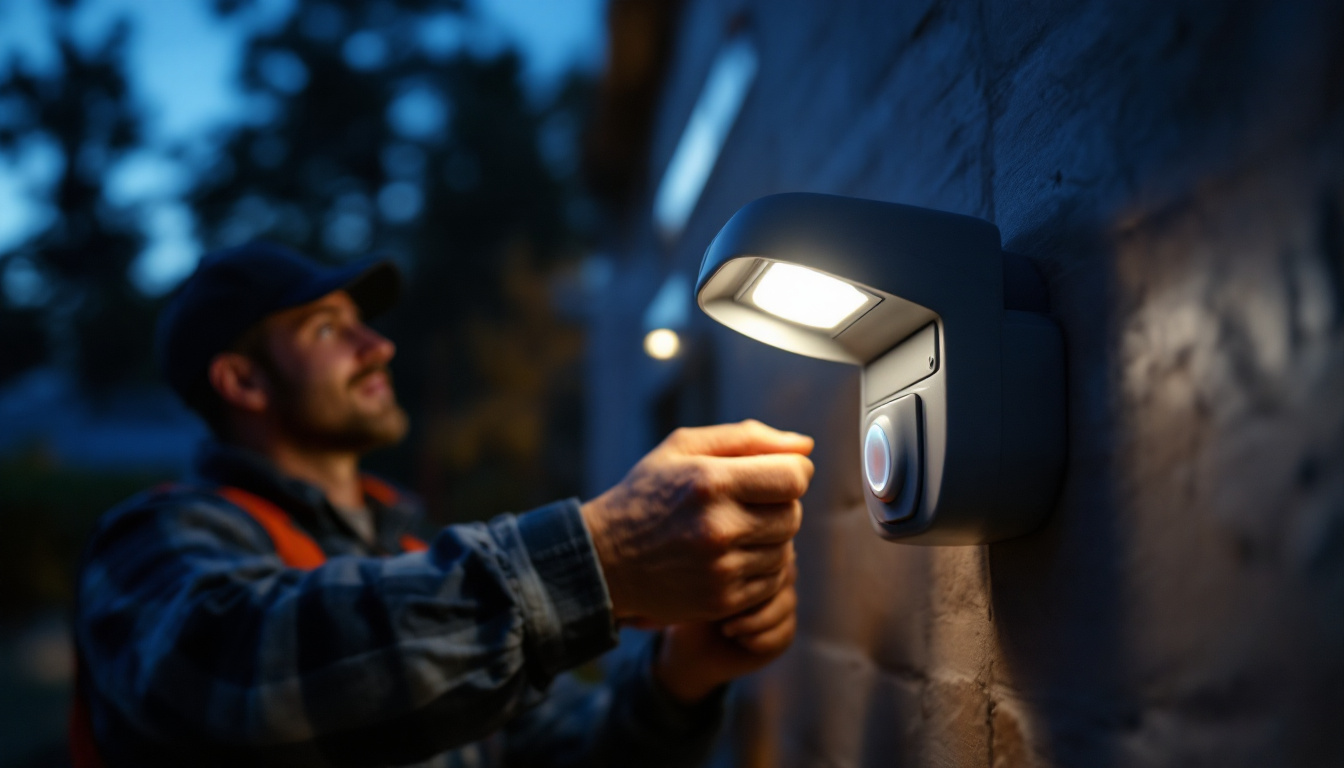
The placement of light photo sensors is critical for their functionality. Sensors should be installed in locations where they can accurately detect ambient light levels without interference from artificial light sources, such as streetlights or nearby buildings. Ideally, they should be positioned in areas that receive direct sunlight during the day to ensure they function correctly.
Additionally, contractors should consider the angle and height at which the sensors are mounted. Proper alignment can prevent false triggers and ensure that the lights activate only when necessary. This attention to detail can significantly enhance the overall effectiveness of the lighting installation.
Compatibility with Existing Systems
When integrating light photo sensors into existing lighting systems, compatibility is a key consideration. Contractors must ensure that the sensors can work seamlessly with the current fixtures and wiring. Many modern sensors are designed to be versatile and can be adapted to various types of lighting, including LED, incandescent, and fluorescent.
It is also essential to review the electrical specifications of the existing system to avoid any potential issues during installation. A thorough assessment can prevent costly mistakes and ensure a smooth integration process.
Maintenance and Longevity
To maximize the benefits of light photo sensors, regular maintenance is necessary. Ensuring that these devices remain in optimal working condition not only enhances safety but also prolongs their lifespan.
Routine Checks
Conducting routine checks on light photo sensors is essential to ensure they are functioning correctly. This includes inspecting the sensor for dirt, debris, or obstructions that may affect its ability to detect light levels accurately. Cleaning the sensor periodically can prevent malfunctions and ensure reliable performance.
Additionally, testing the sensor’s response to changing light conditions can help identify any potential issues. Ensuring that the sensor activates and deactivates lights as intended is crucial for maintaining safety and energy efficiency.
Replacing Components When Necessary
Over time, components of light photo sensors may wear out or become less effective. Contractors should be prepared to replace these components as needed to maintain optimal performance. This proactive approach can prevent larger issues down the line and ensure that clients continue to benefit from the safety and efficiency provided by the sensors.
By staying vigilant and addressing maintenance needs promptly, contractors can enhance the longevity and reliability of outdoor lighting installations, ultimately leading to satisfied clients and successful projects.
Conclusion
Light photo sensors are invaluable tools in enhancing safety and efficiency in outdoor lighting installations. By automating lighting based on ambient light levels, these devices improve visibility, deter criminal activity, and promote energy conservation. For lighting contractors, understanding the functionality, installation considerations, and maintenance needs of light photo sensors is essential for delivering high-quality solutions to clients.
As the demand for energy-efficient and safety-focused lighting solutions continues to grow, incorporating light photo sensors into outdoor installations will not only meet client expectations but also contribute to a more sustainable future. By prioritizing these technologies, contractors can enhance their service offerings and establish themselves as leaders in the lighting industry.
Illuminate Your Projects with LumenWholesale
Ready to elevate your lighting installations with the efficiency and safety of light photo sensors? At LumenWholesale, we provide contractors with the highest quality spec-grade lighting products at unbeatable wholesale prices. Say goodbye to unnecessary markups and hello to a vast selection of reliable, high-performance lighting solutions that meet the strictest industry standards. Plus, with free shipping on bulk orders, you can stock up on premium lighting without any hidden fees. Don’t compromise on quality or value—choose LumenWholesale for all your lighting needs. Discover the perfect blend of quality, affordability, and convenience today by visiting Wholesale Lighting at the Best Value.