Understanding the Importance of Light Fixture Box Extenders
For lighting contractors, ensuring a secure and code-compliant installation is paramount. One of the most common challenges encountered during lighting installations is dealing with recessed or shallow electrical boxes that do not sit flush with the finished wall or ceiling surface. This is where light fixture box extenders become indispensable tools.
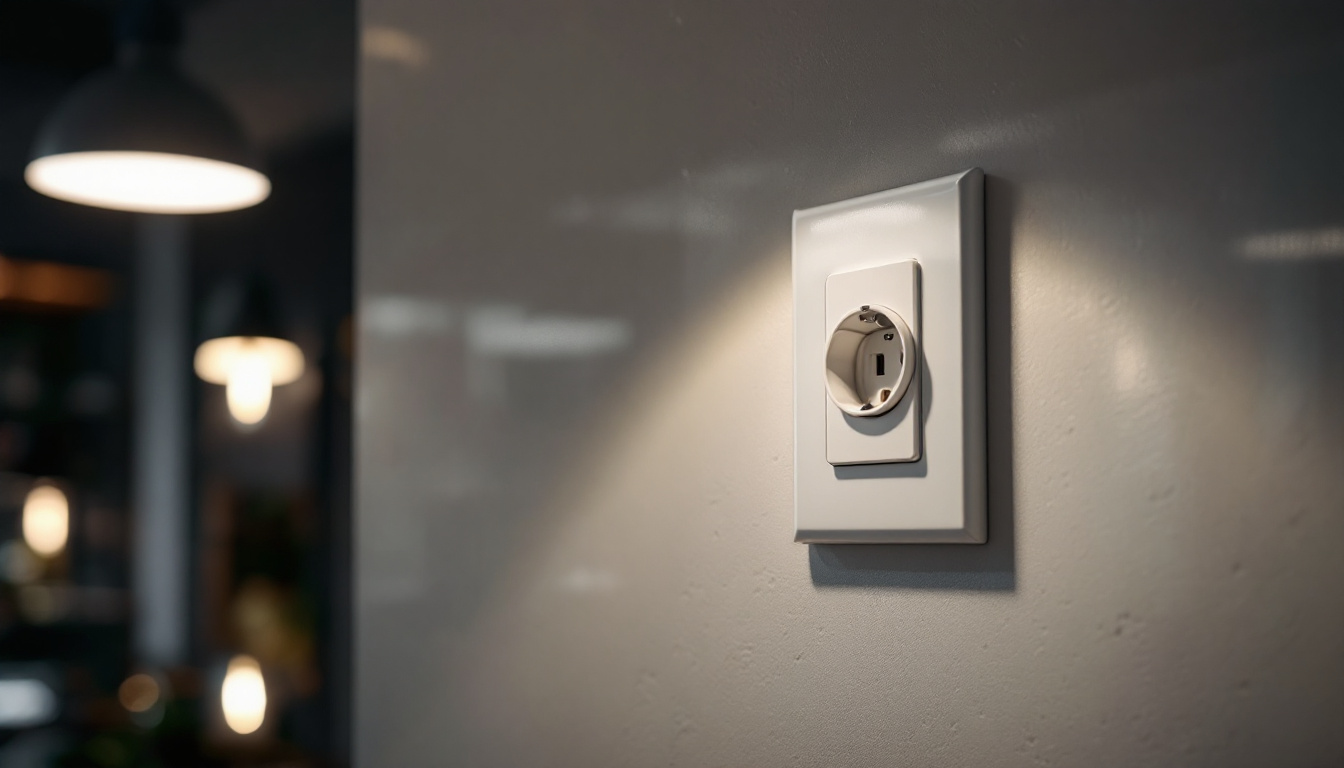
Light fixture box extenders, also known as box spacers, are designed to extend the depth of an electrical box to accommodate thicker wall materials such as tile, drywall, or paneling. Without these extenders, fixtures may not mount properly, leading to unsafe installations, aesthetic issues, or violations of electrical codes.
Mastering the use of box extenders not only improves the quality of your work but also enhances safety and customer satisfaction. Understanding when and how to use them can set a lighting contractor apart in a competitive market.
In addition to their practical applications, light fixture box extenders are available in various materials and sizes, allowing contractors to choose the best fit for their specific project needs. For instance, some extenders are made from durable plastic, while others may be constructed from metal for added strength. This variety ensures that contractors can find an extender that not only meets the functional requirements but also complements the aesthetic of the installation. Furthermore, many extenders come with built-in features such as adjustable depths or integrated cable management systems, which can streamline the installation process and reduce the risk of errors.
Moreover, using light fixture box extenders can significantly impact the overall performance of the lighting system. Properly mounted fixtures ensure optimal light distribution, which is crucial in both residential and commercial settings. For example, in a home, a well-installed fixture can enhance the ambiance of a room, while in a retail space, it can highlight products effectively. By investing time in understanding and implementing the use of box extenders, contractors not only adhere to safety regulations but also contribute to the long-term functionality and aesthetic appeal of their lighting designs.
Common Scenarios Requiring Box Extenders
Upgrading Wall or Ceiling Materials
One of the most frequent reasons for needing a box extender is when a client upgrades their wall or ceiling materials. For example, when tile or thick paneling is added over existing drywall, the electrical box may become recessed, making it impossible to mount the fixture flush against the surface.
In these situations, a box extender fills the gap, ensuring that the fixture is properly supported and aligned. This is especially critical for heavy fixtures where stability is a safety concern. Moreover, when dealing with intricate designs or custom installations, the aesthetic appeal can be severely compromised if the fixtures are not aligned correctly. An extender not only provides the necessary support but also enhances the overall appearance of the installation, allowing for a seamless integration of the fixture with the upgraded materials.
Code Compliance and Safety Considerations
Electrical codes often specify that the front edge of an electrical box must be flush with or extend beyond the finished surface of the wall or ceiling. Failure to comply can result in failed inspections and potential hazards such as exposed wiring or loose fixtures.
Box extenders help contractors meet these code requirements efficiently, avoiding costly rework and ensuring installations pass inspection the first time. Additionally, using box extenders can significantly reduce the risk of electrical fires caused by improper installations. When fixtures are not securely mounted, they can shift over time, leading to wear on the wiring or connections. By ensuring that all fixtures are properly aligned and secured, box extenders play a vital role in maintaining both safety and functionality in electrical installations. This proactive approach not only protects the property but also provides peace of mind to homeowners and contractors alike.
Types of Light Fixture Box Extenders and Their Applications
Plastic Box Extenders
Plastic extenders are lightweight, non-conductive, and easy to install. They are ideal for residential applications where the electrical box depth needs a modest increase. These extenders come in various thicknesses, allowing contractors to select the exact depth needed. Their non-conductive nature makes them particularly safe for use in homes, where the risk of electrical shock is a concern. Additionally, plastic extenders are often resistant to corrosion and moisture, making them suitable for areas like bathrooms or kitchens where humidity levels can fluctuate.
However, plastic extenders may not be suitable for heavy fixtures or environments requiring high durability. In settings where the lighting fixtures are subject to frequent adjustments or where they may be impacted by external forces, such as in commercial spaces or workshops, the limitations of plastic extenders become more pronounced. It’s essential to assess the specific needs of the installation to ensure that the chosen extender can support the intended lighting solution effectively.
Metal Box Extenders
Metal extenders, typically made of steel or aluminum, provide greater strength and durability. They are preferred in commercial settings or when installing heavy lighting fixtures such as chandeliers or industrial lights. The robust construction of metal extenders ensures that they can bear significant weight without compromising structural integrity, making them a reliable choice for high-traffic areas or locations where fixtures are frequently used. Furthermore, metal extenders can often be painted or finished to match the surrounding decor, providing both functionality and aesthetic appeal.
Metal extenders also offer better grounding continuity, which is important for maintaining electrical safety standards. This grounding capability is crucial in environments where electrical surges or faults may occur, as it helps to prevent potential hazards. Additionally, metal extenders are less likely to warp or degrade over time compared to their plastic counterparts, ensuring a longer lifespan and sustained performance. Their ability to withstand extreme temperatures and environmental conditions makes them an excellent choice for outdoor lighting applications as well.
Adjustable Box Extenders
Adjustable extenders offer flexibility by allowing contractors to modify the depth on-site. These are particularly useful in renovation projects where wall thickness may vary or be uncertain until the work begins. The adjustable feature can accommodate different wall materials, such as drywall, plaster, or paneling, making them a versatile option for various construction scenarios. This adaptability not only simplifies the installation process but also minimizes waste, as contractors can use a single extender for multiple applications rather than carrying several sizes.
While adjustable extenders can save time and reduce the need for multiple sizes, they may be more expensive and require careful installation to maintain stability. It is crucial for installers to ensure that the extender is securely fastened and properly aligned to prevent any movement that could lead to misalignment of the light fixture. Additionally, some adjustable extenders come with built-in features such as cable management systems, which can help streamline the wiring process and enhance the overall safety of the installation. As such, they represent a valuable investment for professionals looking to optimize their workflow while ensuring high-quality results.
Step-by-Step Guide to Installing Light Fixture Box Extenders
Preparation and Safety Checks
Before beginning any installation, ensure the power to the circuit is turned off at the breaker panel. Use a voltage tester to confirm that no current is present in the box.
Inspect the existing electrical box for damage or corrosion. If the box is compromised, it may need replacement rather than extension.
Selecting the Right Extender
Measure the gap between the existing box and the finished surface. Choose an extender that matches or slightly exceeds this depth to ensure a snug fit.
Consider the fixture’s weight and environment to decide between plastic or metal extenders.
Installation Process
1. Remove the existing fixture carefully, disconnecting wiring as needed.
2. Attach the box extender to the existing electrical box. Most extenders have mounting tabs or screws that align with the box’s holes.
3. Ensure the extender is flush with the finished surface and securely fastened.
4. Pull the wiring through the extender’s opening, maintaining proper wire length for connections.
5. Reinstall the light fixture, securing it to the extender and electrical box.
6. Restore power and test the fixture for proper operation.
Best Practices for Lighting Contractors Using Box Extenders
Maintain Code Awareness
Electrical codes can vary by jurisdiction, so it is essential to stay informed about local requirements. Many codes mandate that the box edge be flush with the finished surface to prevent fire hazards and ensure fixture stability.
Consult the National Electrical Code (NEC) and local amendments regularly to ensure compliance.
Documenting Installations
Keeping detailed records of installations, including photos and notes about box extenders used, can be invaluable for future maintenance or inspections. This documentation also helps in warranty claims and resolving any customer concerns.
Educating Clients
Clients may not understand why a box extender is necessary or why it adds to the project cost. Explaining the safety and code compliance benefits helps build trust and justifies the investment.
Stocking a Variety of Extenders
Having a range of box extenders on hand allows contractors to adapt quickly to different job site conditions. This flexibility reduces downtime and increases efficiency.
Common Challenges and How to Overcome Them
Dealing with Irregular Wall Surfaces
Uneven or textured walls can make it difficult to achieve a flush fit with standard box extenders. In such cases, using adjustable extenders or custom shims can help create a stable mounting surface.
Handling Heavy or Oversized Fixtures
For large or heavy fixtures, standard plastic extenders may not provide sufficient support. Metal extenders or reinforced mounting brackets should be used to ensure safety and longevity.
Managing Limited Space in Electrical Boxes
Adding an extender increases the volume inside the box, but wiring space can still be tight. Proper wire management and using wire connectors designed for confined spaces can prevent overcrowding and maintain code compliance.
Innovations and Trends in Box Extender Technology
Recent advancements have introduced box extenders with integrated features such as built-in grounding clips, adjustable depths with locking mechanisms, and materials designed for enhanced fire resistance. These innovations help contractors meet increasingly stringent safety standards while simplifying installation.
Additionally, some manufacturers now offer extenders designed specifically for LED lighting fixtures, which often require different mounting considerations due to their size and heat dissipation needs.
Conclusion: Elevating Your Lighting Installations with Box Extenders
Mastering the use of light fixture box extenders is essential for lighting contractors aiming to deliver safe, compliant, and aesthetically pleasing installations. By understanding the types of extenders available, recognizing when they are needed, and following best installation practices, contractors can avoid common pitfalls and elevate the quality of their work.
Staying informed about code requirements, investing in quality materials, and educating clients about the importance of proper box extension will not only enhance project outcomes but also build a reputation for professionalism and reliability in the lighting industry.
Get Your Premium Lighting Supplies at LumenWholesale
Ready to take your lighting installations to the next level with the right box extenders? Look no further than LumenWholesale for all your lighting needs. Our selection of high-quality, spec-grade lighting products is designed to meet the demands of any project, big or small. With unbeatable wholesale prices and the convenience of free shipping, you can stock up on the industry’s best without breaking the bank. Elevate your professional installations today and enjoy the benefits of superior lighting products. Discover the value of shopping wholesale and experience the best in lighting at the best value with LumenWholesale.