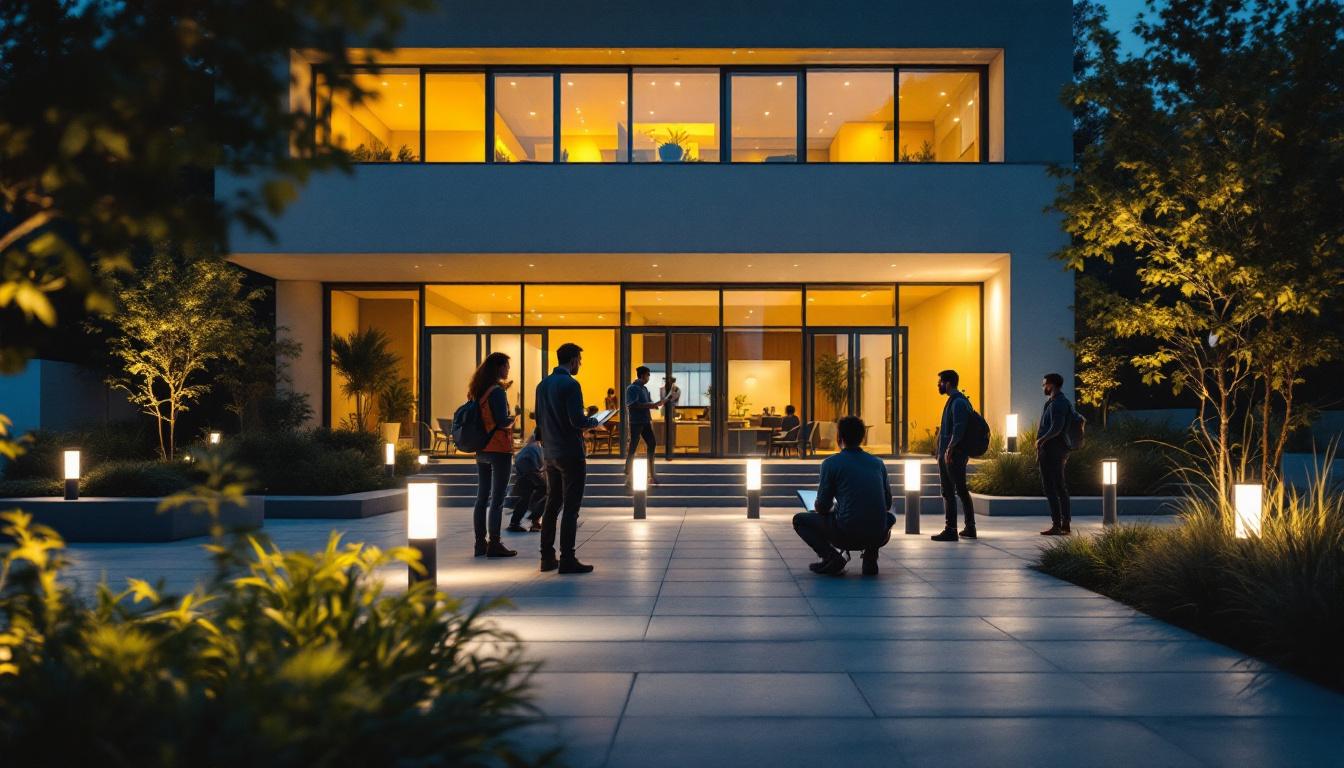
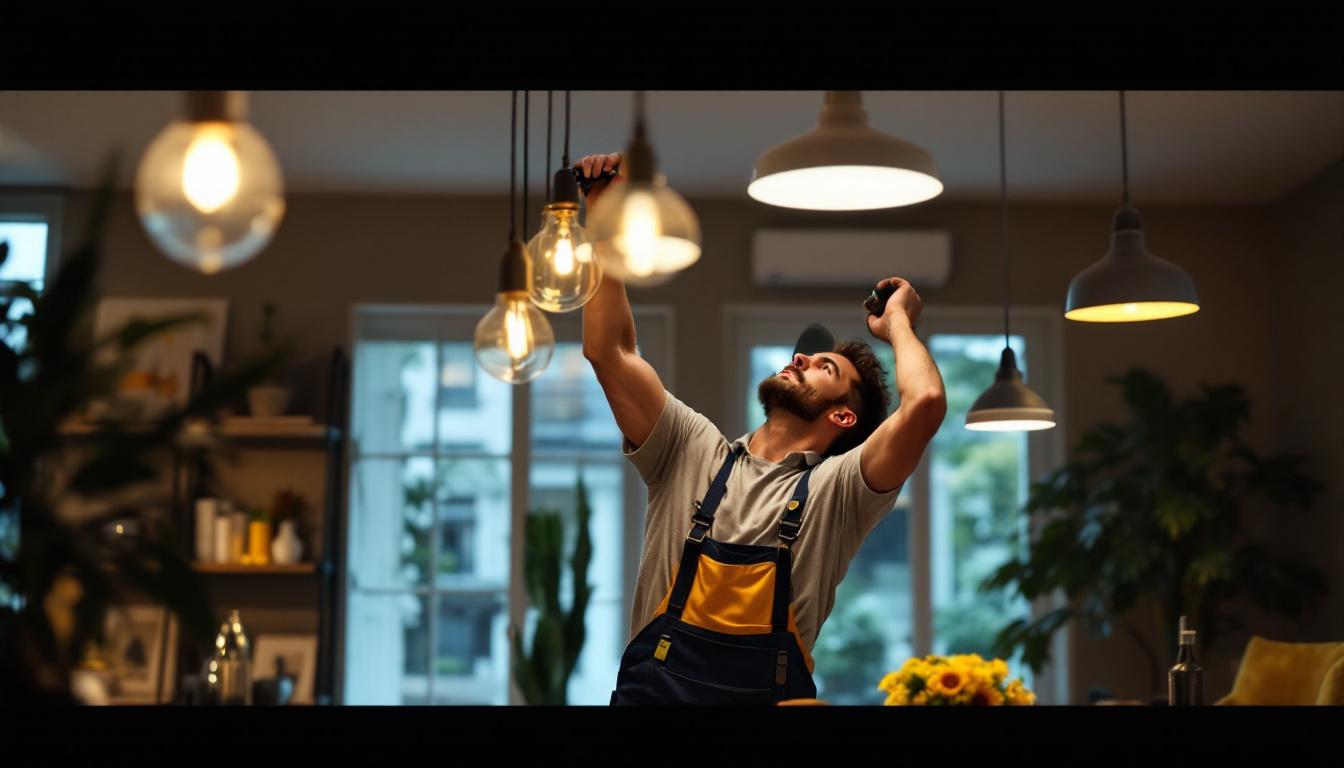
In the ever-evolving world of lighting design, LED light plates have emerged as a staple for both residential and commercial applications. As a lighting contractor, mastering the nuances of LED light plates can set you apart from the competition and enhance your project outcomes. This article delves into essential tips and best practices that will help you effectively utilize LED light plates in your projects.
Understanding LED Light Plates
LED light plates, often referred to as LED panels, are flat lighting fixtures that provide uniform illumination. They are available in various shapes, sizes, and color temperatures, making them versatile for different settings. Understanding their construction and functionality is crucial for any lighting contractor.
Components of LED Light Plates
LED light plates typically consist of a light-emitting diode (LED) array, a diffuser, and a housing. The LED array is responsible for generating light, while the diffuser ensures an even distribution of that light, minimizing hotspots and glare. The housing protects these components and can influence the aesthetic appeal of the installation.
Familiarity with these components allows contractors to troubleshoot issues effectively and recommend the best products for specific applications. For instance, knowing how different diffusers affect light quality can guide decisions in environments where visual comfort is paramount. Additionally, the choice of housing material can impact not only durability but also thermal management, which is essential for maintaining the longevity and efficiency of the LED components. Proper heat dissipation can prevent overheating, ultimately enhancing the lifespan of the light plates and ensuring consistent performance over time.
Types of LED Light Plates
There are several types of LED light plates available, including edge-lit panels, backlit panels, and troffer lights. Edge-lit panels are sleek and modern, ideal for contemporary spaces, while backlit panels provide more even illumination and are often used in commercial settings. Troffer lights, designed for grid ceilings, are perfect for office environments.
Each type has its unique advantages and applications. Understanding these differences allows lighting contractors to tailor their recommendations based on the specific needs of their clients, ensuring optimal results. For example, edge-lit panels can be particularly effective in areas where space is limited, as they are often thinner and can be installed flush against ceilings or walls. On the other hand, backlit panels are favored in environments requiring high light output, such as hospitals or retail spaces, where visibility and brightness are critical. Furthermore, advancements in technology have led to the development of smart LED panels that can be controlled via mobile apps or integrated into building management systems, allowing for enhanced energy efficiency and adaptability to changing lighting needs throughout the day.
Installation Best Practices
Proper installation of LED light plates is critical to achieving desired lighting outcomes. Following best practices can enhance performance, longevity, and overall satisfaction for both contractors and clients.
Planning the Layout
Before installation, it’s essential to plan the layout carefully. Consider factors such as room dimensions, ceiling height, and the intended use of the space. For example, in a workspace, ensuring adequate lighting levels to reduce eye strain is vital. Use lighting design software or manual calculations to determine the optimal placement of each panel.
Additionally, consider the color temperature of the LED light plates. Warmer temperatures (2700K-3000K) create a cozy atmosphere, while cooler temperatures (4000K-5000K) are more energizing and suitable for task-oriented areas. This attention to detail can significantly enhance the functionality and aesthetics of the space.
Electrical Considerations
When installing LED light plates, electrical considerations are paramount. Ensure that the electrical supply matches the specifications of the LED panels. This includes voltage, wattage, and compatibility with dimmers or smart lighting systems. Incorrect voltage can lead to reduced performance or even damage to the fixtures.
It is also advisable to use high-quality wiring and connectors to ensure safety and reliability. A well-planned electrical setup not only enhances the performance of the LED light plates but also contributes to the overall safety of the installation.
Maintenance and Troubleshooting
Regular maintenance and troubleshooting are essential for ensuring the longevity and performance of LED light plates. Understanding common issues and their solutions can save time and resources for lighting contractors.
Cleaning and Care
Dust and dirt can accumulate on LED light plates over time, affecting light output and color quality. Regular cleaning is necessary to maintain optimal performance. Use a soft, dry cloth to wipe down the surface of the panels, avoiding harsh chemicals that could damage the finish.
For areas prone to high levels of dust or grease, such as kitchens or workshops, consider using panels with a protective coating that resists dirt and is easier to clean. This proactive approach can extend the lifespan of the fixtures and maintain their appearance.
Identifying Common Issues
Lighting contractors should be equipped to identify and resolve common issues with LED light plates. Flickering lights, for instance, can indicate compatibility issues with dimmers or fluctuations in voltage. In such cases, checking the electrical connections and ensuring compatibility with the dimming system can often resolve the problem.
Another common issue is color shifting, where the color temperature of the light appears to change over time. This can be caused by poor-quality components or overheating. Ensuring proper ventilation and selecting high-quality products can mitigate these issues.
Energy Efficiency and Sustainability
One of the most significant advantages of LED light plates is their energy efficiency. As a lighting contractor, promoting the sustainability aspects of LED technology can resonate well with environmentally conscious clients.
Understanding Energy Savings
LED light plates consume significantly less energy than traditional lighting options, such as incandescent or fluorescent lights. This translates to lower electricity bills and a reduced carbon footprint. By calculating the energy savings for clients, contractors can provide compelling arguments for choosing LED solutions.
Moreover, many LED panels have a longer lifespan, which means fewer replacements and less waste. This durability not only benefits the environment but also reduces long-term costs for clients, making LED light plates an attractive option for any lighting project.
Recycling and Disposal
As the use of LED technology increases, so does the importance of proper disposal and recycling. Unlike traditional bulbs, which may contain hazardous materials, LEDs are generally more environmentally friendly. However, they still require responsible disposal practices.
Contractors should educate clients on recycling programs available for LED products. Many manufacturers offer take-back programs, ensuring that old fixtures are disposed of in an environmentally responsible manner. Promoting these practices not only enhances a contractor’s reputation but also contributes to a more sustainable future.
Enhancing Aesthetics with LED Light Plates
Beyond functionality, LED light plates can significantly enhance the aesthetics of a space. Understanding how to leverage design elements can elevate a project and create a lasting impression.
Design Integration
When selecting LED light plates, consider how they integrate with the overall design of the space. For modern interiors, sleek, frameless panels can provide a minimalist look, while decorative options can add character to more traditional settings. The choice of finish—whether matte, glossy, or textured—can also impact the overall aesthetic.
Moreover, consider the color temperature and brightness levels that complement the interior design. Warmer tones can create a cozy ambiance in residential spaces, while cooler tones can enhance productivity in commercial environments. This thoughtful approach to design can significantly impact the client’s satisfaction and the overall success of the project.
Creating Ambiance with Dimming Options
Incorporating dimming options into LED light plate installations allows for greater control over the ambiance of a space. Dimming can enhance the functionality of a room, allowing for bright, focused light during work hours and softer, warmer light for relaxation in the evenings.
When recommending dimming solutions, ensure that the chosen dimmers are compatible with the LED technology being used. This compatibility is crucial for preventing flickering and ensuring smooth operation. Educating clients on how to use these features can elevate their experience and satisfaction with the lighting design.
Staying Updated with Industry Trends
The lighting industry is continually evolving, with new technologies and design trends emerging regularly. For lighting contractors, staying informed about these changes is essential for maintaining a competitive edge.
Continuing Education and Training
Participating in workshops, webinars, and industry conferences can provide valuable insights into the latest advancements in LED technology and lighting design. Many manufacturers offer training sessions that cover product features, installation techniques, and troubleshooting methods.
Investing time in continuing education not only enhances a contractor’s skill set but also builds credibility with clients. Being knowledgeable about the latest trends and technologies can position contractors as trusted experts in the field.
Networking with Industry Professionals
Networking with other professionals in the lighting industry can provide opportunities for collaboration and knowledge sharing. Joining industry associations or online forums can facilitate connections with manufacturers, designers, and other contractors.
These relationships can lead to referrals, partnerships, and access to exclusive resources that can benefit contractors and their clients. Building a strong professional network is a valuable asset in the competitive landscape of lighting design.
Conclusion
Mastering the use of LED light plates is essential for lighting contractors looking to excel in their field. By understanding the components, installation best practices, maintenance, energy efficiency, and design integration, contractors can deliver exceptional results for their clients.
Staying informed about industry trends and continuously enhancing skills through education and networking will further solidify a contractor’s reputation as a knowledgeable and reliable professional. By embracing these practices, lighting contractors can not only elevate their projects but also contribute to a more sustainable and aesthetically pleasing built environment.
Get Your Premium LED Light Plates at LumenWholesale
Ready to take your lighting projects to the next level with LED light plates? At LumenWholesale, we provide lighting contractors like you with the highest quality, spec-grade lighting products at prices that can’t be beaten. Say goodbye to local distributor markups and hello to our extensive selection that meets rigorous industry standards. With free shipping on bulk orders, you can stock up on reliable, high-performance lighting without any hidden fees. Elevate your lighting designs with the perfect combination of quality, affordability, and convenience. Discover wholesale lighting at the best value today and light up your projects with confidence.