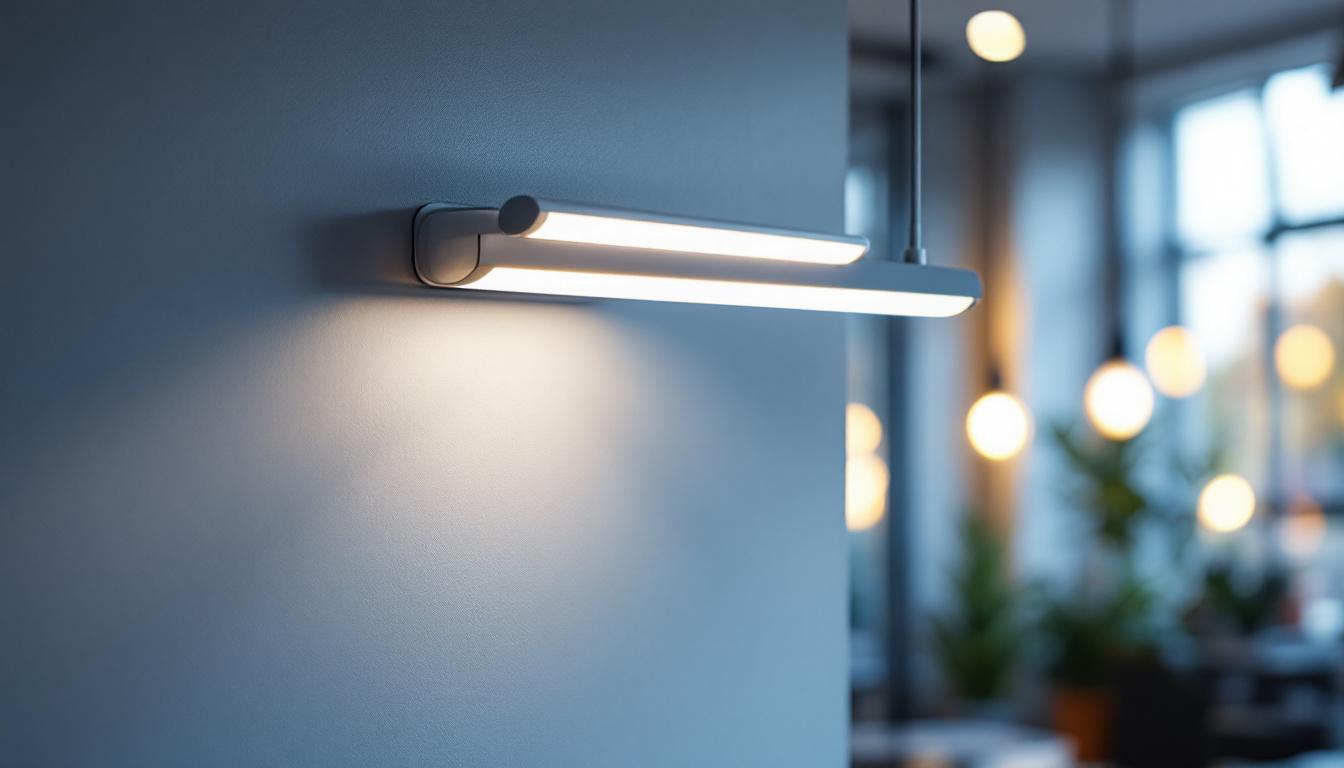
Why Track Lighting Under Cabinets Matters
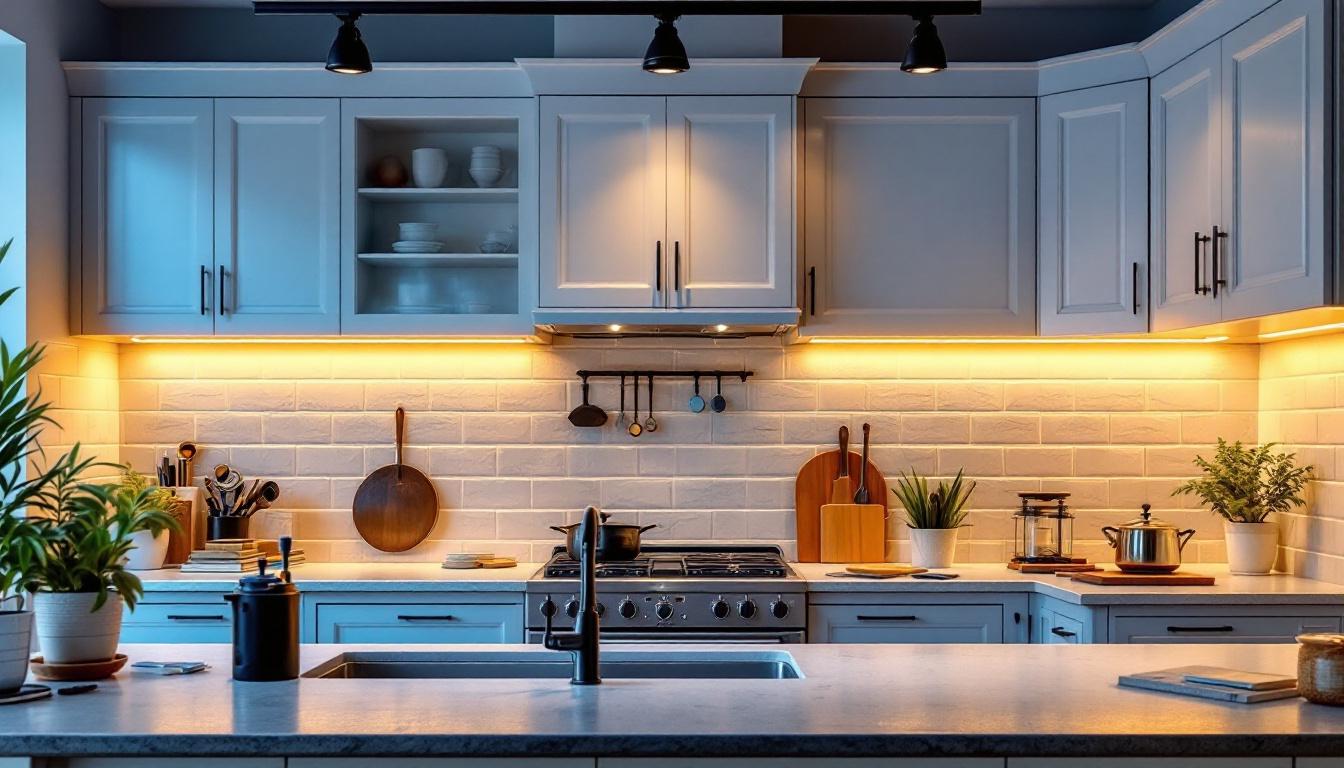
Track lighting under cabinets is more than a design choice-it’s a functional upgrade that transforms kitchens, workspaces, and retail displays. For lighting contractors, mastering this installation means delivering a blend of aesthetics, efficiency, and client satisfaction. Properly executed, under-cabinet track lighting enhances task visibility, highlights surfaces, and adds a modern touch to any environment.
Clients often seek lighting solutions that are flexible and customizable. Track lighting fits this bill perfectly, offering adjustable heads and directional beams that can spotlight countertops, backsplashes, or specific work areas. It’s essential to understand the nuances of track lighting systems to provide installations that not only look professional but also perform flawlessly over time.
Moreover, the versatility of track lighting allows for easy updates and modifications, making it a favorite among homeowners and designers alike. With a variety of styles and finishes available, from sleek metallics to warm wood tones, track lighting can seamlessly integrate into any existing decor. This adaptability means that as trends evolve or a client’s taste changes, the lighting can be adjusted without the need for a complete overhaul, saving both time and resources.
Additionally, energy efficiency is a crucial consideration in today’s environmentally conscious market. Many track lighting systems now utilize LED bulbs, which not only consume less power but also have a longer lifespan compared to traditional incandescent options. This shift not only benefits the environment but also appeals to clients looking to reduce their energy bills. By emphasizing the long-term savings and sustainability of modern track lighting solutions, contractors can further enhance their value proposition, ensuring that clients feel confident in their investment.
Key Considerations Before Installation
Assessing the Space and Client Needs
Every kitchen or workspace is unique. Before selecting a track lighting system, evaluate the cabinet layout, ceiling height, and existing electrical infrastructure. Ask clients about their daily activities in the space. Are they primarily cooking, crafting, or displaying merchandise? These details influence the type of lighting, beam spread, and color temperature that will work best.
Additionally, consider the cabinet material and finish. Reflective surfaces can amplify light, while darker finishes may require stronger illumination. Understanding these factors helps in recommending the right wattage and fixture placement. For instance, a kitchen with glossy white cabinets may benefit from softer, diffused lighting to create a warm ambiance, while a workshop with matte black surfaces might need brighter, focused beams to enhance visibility during intricate tasks.
Furthermore, the layout of the space can dictate how light is distributed. Open-concept designs may require broader beam angles to ensure even lighting throughout, while more confined areas might benefit from adjustable fixtures that can be directed precisely where needed. Engaging clients in discussions about their preferences for mood and functionality can lead to a more personalized lighting solution that enhances their experience in the space.
Choosing the Right Track Lighting System
Track lighting systems come in several varieties: H, J, and L types being the most common. Each type has distinct track and connector designs, affecting compatibility and installation complexity. Lighting contractors should verify the system type before purchasing components to avoid mismatches.
Low-voltage versus line-voltage options also play a role. Low-voltage systems offer greater flexibility and energy efficiency but require transformers. Line-voltage systems are simpler but may limit fixture choices. Discuss these trade-offs with clients to align with their budget and preferences. When considering low-voltage systems, it’s also worth mentioning that they often allow for more creative fixture options, such as pendants or unique designs that can serve as focal points in the room.
Moreover, the aesthetic appeal of the track lighting system should not be overlooked. Sleek, modern designs can complement contemporary spaces, while more traditional styles may better suit classic interiors. Encourage clients to explore various finishes and styles to find a system that harmonizes with their overall design vision, ensuring that the lighting not only serves its functional purpose but also enhances the room’s decor.
Power Supply and Wiring Requirements
Ensuring a safe and code-compliant power supply is critical. Determine whether the existing circuits can handle the additional load or if a dedicated circuit is necessary. Track lighting under cabinets often requires discreet wiring runs, sometimes through walls or cabinets themselves.
Contractors should plan wiring routes carefully to avoid interference with plumbing or other utilities. Using flexible conduit or wiremold can protect wiring and maintain a clean appearance. Confirm that all wiring meets local electrical codes and standards. It’s also essential to consider future needs; installing a dimmer switch can provide clients with the ability to adjust lighting levels based on different activities or times of day, enhancing the versatility of the space.
Additionally, the location of the power supply can impact the overall design and functionality of the track lighting. If possible, position the power source in a way that minimizes visible wiring and maintains a streamlined look. This might involve creative solutions, such as utilizing existing outlets or strategically placing junction boxes. By taking these considerations into account, contractors can ensure a seamless installation that not only meets technical requirements but also satisfies the aesthetic desires of their clients.
Installation Best Practices
Accurate Measurement and Marking
Precision is key when installing track lighting under cabinets. Start by measuring the length of the cabinet base and marking track positions to ensure even lighting distribution. Misaligned tracks can create uneven illumination and detract from the overall look. It’s essential to take into account the height of the cabinets as well, as this can affect how the light is cast across the workspace. A well-lit area not only enhances aesthetics but also improves functionality, making it easier to perform tasks such as cooking or crafting.
Use a level and a pencil to mark mounting points. Double-check measurements before drilling. It’s also wise to consider future adjustments or expansions, leaving space for additional fixtures if clients anticipate changes. Additionally, think about the type of bulbs being used; different bulbs can emit varying intensities and colors of light, which can influence how the space feels. For instance, warmer tones can create a cozy atmosphere, while cooler tones may lend a more modern, energetic vibe.
Mounting the Track Securely
Tracks must be mounted firmly to prevent sagging or detachment over time. Depending on the cabinet material, use appropriate anchors or screws. For wooden cabinets, pilot holes prevent splitting. In metal cabinetry, self-tapping screws or rivets may be necessary. It’s also beneficial to check the weight capacity of the track system to ensure it can support the fixtures and bulbs chosen. Overloading the track can lead to safety hazards and premature wear.
Some tracks come with mounting brackets or clips that simplify installation. Follow manufacturer guidelines closely to maintain warranty coverage and ensure safety. Additionally, consider the overall design of the space when positioning the track. Aligning the track with other design elements, such as cabinetry edges or backsplash tiles, can create a cohesive look that enhances the kitchen’s overall aesthetic. This attention to detail can significantly elevate the final appearance of the installation.
Installing and Positioning Fixtures
Once the track is mounted, attach the lighting fixtures. Their adjustable heads allow for precise beam direction. Aim lights to minimize shadows on work surfaces and avoid glare in users’ eyes. Experiment with different angles before finalizing the positions to see how the light interacts with various surfaces. This step is crucial, as the right positioning can make all the difference in achieving optimal functionality and ambiance.
Consider layering light by combining track lighting with under-cabinet puck lights or LED strips. This approach adds depth and versatility, catering to different tasks and moods. For example, using dimmable fixtures can allow for a softer glow during evening gatherings while providing bright task lighting during meal prep. Additionally, integrating smart lighting solutions can offer further customization, allowing users to control brightness and color temperature through mobile apps or voice commands, enhancing both convenience and energy efficiency.
Technical Details Lighting Contractors Should Know
Color Temperature and CRI (Color Rendering Index)
Color temperature affects the ambiance and functionality of under-cabinet lighting. A range between 2700K (warm white) and 4000K (neutral white) is typical. Warmer tones create a cozy atmosphere, while neutral whites enhance clarity for detailed tasks.
CRI measures how accurately a light source reveals colors compared to natural light. A CRI of 80 or above is recommended for kitchens and workspaces to ensure true color perception, which is especially important for food preparation or design work.
Energy Efficiency and Heat Management
LED track lighting has become the industry standard due to its energy efficiency and longevity. LEDs consume less power and generate less heat than halogen or incandescent counterparts, reducing strain on cabinets and electrical systems.
Heat buildup can damage cabinet surfaces and shorten fixture lifespan. Ensure adequate ventilation around fixtures and avoid installing high-heat lamps in confined spaces.
Dimming and Control Options
Modern track lighting systems often support dimming, allowing users to adjust brightness levels to suit different activities and times of day. Confirm compatibility between dimmers and LED drivers to prevent flickering or reduced lifespan.
Smart controls, including wireless and app-based systems, offer additional convenience. Lighting contractors should be familiar with integrating these technologies, which add value and appeal to tech-savvy clients.
Common Challenges and How to Avoid Them
Uneven Lighting and Shadows
Improper fixture placement or insufficient lighting can create shadows on countertops, defeating the purpose of under-cabinet illumination. To avoid this, stagger fixtures and aim beams to overlap slightly, ensuring consistent coverage.
Testing the lighting setup before finalizing installation helps identify dark spots or glare issues early.
Electrical Code Compliance
Non-compliance with electrical codes can lead to safety hazards and costly rework. Always verify local regulations regarding circuit capacity, wiring methods, and fixture types. Obtain necessary permits and inspections as required.
Using UL-listed components and following manufacturer instructions safeguards against liability and enhances installation quality.
Maintaining Accessibility for Maintenance
Under-cabinet lighting requires occasional maintenance, such as bulb replacement or cleaning. Design installations with accessibility in mind, avoiding hard-to-reach areas or permanent fixtures that complicate upkeep.
Modular track systems facilitate easy fixture swaps and upgrades, extending the life of the lighting solution.
Final Tips for Lighting Contractors
Successful under-cabinet track lighting installations blend technical skill with an eye for design. Keep communication open with clients throughout the process to align expectations and preferences.
Invest time in product research and stay updated on industry trends. New fixtures and control technologies emerge regularly, offering opportunities to enhance your service portfolio.
Document each project thoroughly, including measurements, wiring diagrams, and component specifications. This practice supports future troubleshooting and client support.
Ultimately, delivering well-planned, expertly installed track lighting under cabinets not only elevates the client’s space but also builds your reputation as a trusted lighting contractor.
Illuminate Your Projects with LumenWholesale
Ready to take your under-cabinet track lighting installations to the next level? At LumenWholesale, we provide lighting contractors with the highest quality, spec-grade lighting products at prices that can’t be beaten. Say goodbye to local distributor markups and hello to our vast selection of reliable, high-performance lighting that meets the most rigorous industry standards. Plus, with free shipping on bulk orders, you can stock up on premium lighting without worrying about hidden fees or compromises. Elevate your lighting game and give your clients the exceptional service they deserve. Discover the perfect blend of quality, affordability, and convenience at LumenWholesale – Wholesale Lighting at the Best Value.