The Rise of LED Technology in Modern Lighting
Over the past decade, LED (Light Emitting Diode) technology has revolutionized the lighting industry. Its energy efficiency, longevity, and versatility have made it the preferred choice for residential, commercial, and industrial applications. For lighting contractors, understanding the nuances of LED technology is essential to delivering optimal solutions to clients.
Unlike traditional incandescent bulbs, LEDs consume significantly less power while providing comparable or superior illumination. This efficiency translates into reduced energy costs and lower environmental impact, which are critical selling points in today’s eco-conscious market. Additionally, LEDs have a longer operational life, often exceeding 25,000 hours, reducing maintenance frequency and costs. The durability of LEDs also means they are less prone to breakage compared to fragile incandescent and fluorescent bulbs, making them ideal for a variety of settings, from homes to high-traffic commercial spaces.
However, the transition from incandescent and fluorescent lighting to LEDs has introduced new technical challenges, particularly in terms of dimming compatibility. Conventional dimmer switches were designed for resistive loads, such as incandescent bulbs, and often perform poorly or cause flickering when used with LEDs. This gap has driven the development of specialized LED dimmer switches, including smart variants, to meet the evolving demands of modern lighting systems. Furthermore, the integration of LED technology into smart home systems has opened up exciting possibilities for automation and customization, allowing users to control their lighting remotely or set schedules that align with their daily routines.
Moreover, the aesthetic flexibility of LED lighting cannot be overlooked. With advancements in color temperature options and the ability to produce a wide spectrum of colors, LEDs can enhance the ambiance of any space, whether it’s a cozy living room or a vibrant retail environment. Designers are increasingly leveraging this versatility to create dynamic lighting schemes that not only improve functionality but also elevate the overall design of a space. The ability to easily adjust brightness and color can transform an ordinary room into an extraordinary experience, catering to various moods and occasions.
As the technology continues to evolve, new innovations such as organic LEDs (OLEDs) and advancements in color rendering index (CRI) are set to further enhance the capabilities of LED lighting. OLEDs, in particular, offer the potential for ultra-thin, flexible lighting solutions that can be integrated into surfaces or even textiles, pushing the boundaries of traditional lighting design. With ongoing research and development, the future of LED technology looks promising, paving the way for even more efficient, sustainable, and aesthetically pleasing lighting solutions that meet the diverse needs of consumers and businesses alike.
Understanding LED Dimmer Switches: Challenges and Solutions
Technical Challenges with LED Dimming
LEDs operate on low voltage direct current (DC), whereas traditional dimmers are designed for high voltage alternating current (AC) and resistive loads. This fundamental difference can cause issues such as flickering, buzzing, and reduced bulb lifespan when incompatible dimmers are used.
One common problem is the minimum load requirement of conventional dimmers. LEDs draw far less current than incandescent bulbs, often falling below the threshold needed to maintain stable dimmer operation. This mismatch results in inconsistent dimming performance and can even damage the LED drivers.
Furthermore, the rapid advancement of LED technology has led to a wide variety of LED products on the market, each with its unique electrical characteristics. This diversity complicates the selection of compatible dimmers, as not all dimmers are created equal. For instance, some dimmers may work well with certain brands of LEDs but fail to perform adequately with others, leading to a frustrating experience for both consumers and installers alike.
Advancements in LED Dimmer Technology
To address these challenges, manufacturers have engineered LED-specific dimmer switches that accommodate the electrical characteristics of LED lighting. These dimmers employ advanced circuitry to regulate voltage and current more precisely, ensuring smooth and flicker-free dimming across a wide range of loads.
Moreover, many LED dimmers now feature adjustable trim settings, allowing contractors to fine-tune the dimming range and eliminate flicker or buzzing. This adaptability is crucial for meeting the diverse requirements of different LED products and installation environments. Some advanced models even come equipped with built-in diagnostic features that can alert users to potential issues, such as overheating or compatibility problems, thereby enhancing safety and reliability.
The Emergence of Smart LED Dimmer Switches
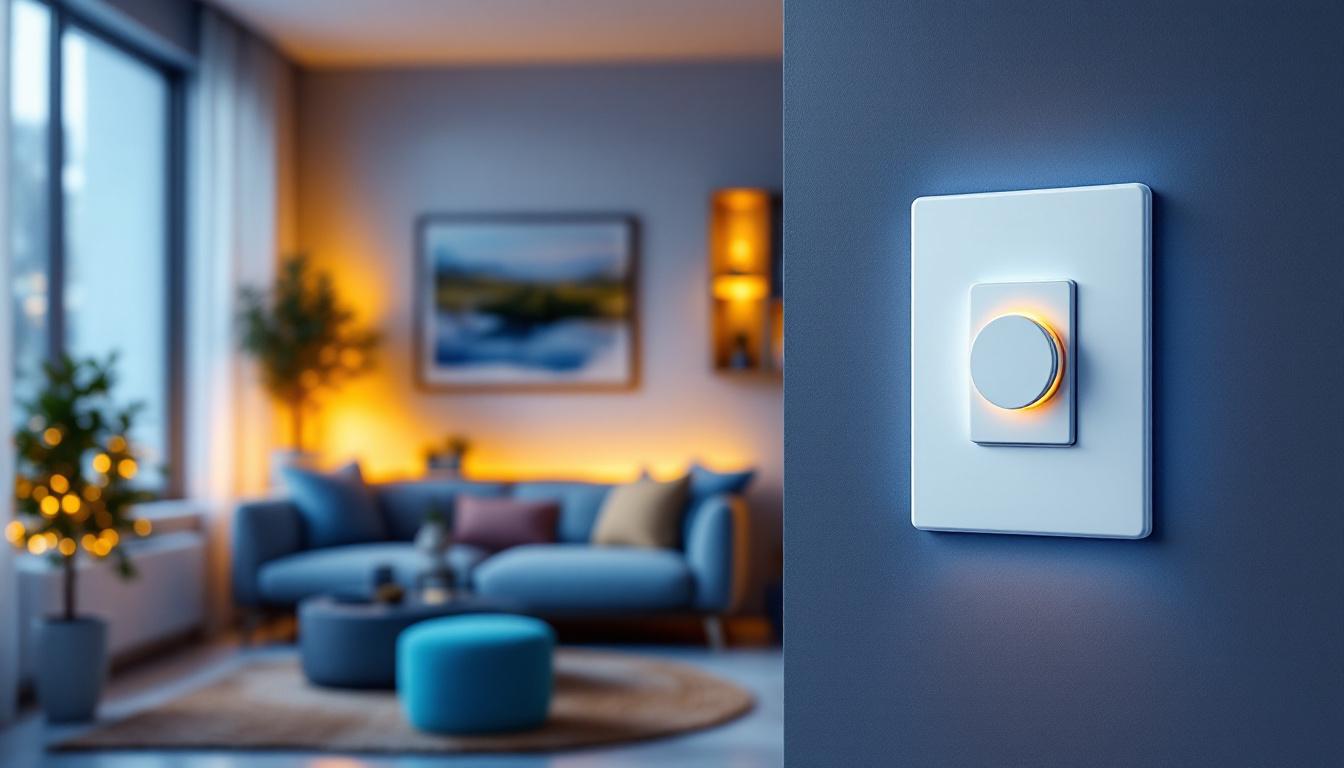
Smart LED dimmer switches represent the latest evolution in lighting control technology. Integrating wireless connectivity protocols such as Wi-Fi, Zigbee, or Z-Wave, these devices enable remote and automated control of lighting systems through smartphones, voice assistants, or centralized home automation platforms.
For lighting contractors, smart dimmers offer a compelling value proposition. They enhance user convenience, enable energy management through scheduling and occupancy sensing, and provide data insights into usage patterns. Additionally, smart dimmers can be integrated with other smart home devices, creating cohesive and responsive environments. For example, they can be programmed to adjust lighting based on the time of day or the presence of occupants, promoting energy efficiency and comfort. Furthermore, many smart dimmers are designed with user-friendly interfaces that allow for easy customization, making them appealing to tech-savvy homeowners looking to enhance their living spaces.
Benefits of Smart LED Dimmer Switches for Lighting Contractors
Enhanced Client Satisfaction and Differentiation
Offering smart LED dimmer switches allows contractors to differentiate their services in a competitive market. Clients increasingly seek lighting solutions that combine energy efficiency with modern convenience and aesthetics. Smart dimmers meet these expectations by providing customizable lighting scenes, remote access, and compatibility with voice control platforms such as Amazon Alexa and Google Assistant.
By recommending and installing smart dimmers, contractors position themselves as forward-thinking professionals who understand the latest trends and technologies. This can lead to increased referrals and repeat business.
Streamlined Installation and Integration
Modern smart dimmer switches are designed with contractor-friendly installation features. Many models fit standard electrical boxes and support both single-pole and multi-location wiring configurations. Wireless communication reduces the need for complex wiring runs, especially in retrofit scenarios.
Furthermore, smart dimmers often come with companion apps and cloud-based platforms that simplify configuration and troubleshooting. This reduces on-site time and enhances the overall project workflow.
Opportunities for Upselling and Recurring Revenue
Smart lighting systems open avenues for contractors to offer additional services such as system maintenance, software updates, and integration with other smart home components. These services can generate recurring revenue streams and foster long-term client relationships.
Moreover, contractors can bundle smart dimmers with other energy-efficient products, such as occupancy sensors and daylight harvesting systems, to provide comprehensive lighting solutions that maximize energy savings and user comfort.
Key Features to Consider When Selecting Smart LED Dimmer Switches
Compatibility with LED Loads
Ensuring that a dimmer switch is compatible with the specific LED fixtures being installed is paramount. Contractors should verify manufacturer specifications and test dimmers with sample bulbs to confirm performance. Compatibility extends to dimming range, minimum load requirements, and the type of LED drivers supported.
Connectivity and Control Options
Smart dimmers offer various connectivity options, including Wi-Fi, Zigbee, Z-Wave, and Bluetooth. The choice depends on the existing or planned smart home ecosystem. For example, Zigbee and Z-Wave are common in professionally installed systems due to their mesh networking capabilities and reliability, while Wi-Fi dimmers are often favored for ease of setup in residential settings.
Control options may include physical buttons, touch interfaces, mobile apps, voice commands, and integration with automation platforms. Contractors should consider client preferences and technical requirements when selecting devices.
Load Capacity and Multi-Location Support
Smart dimmer switches come with varying load capacities, which determine the maximum wattage of connected lighting they can safely control. Contractors must ensure the dimmer’s rating matches or exceeds the total load of the LED fixtures.
Multi-location dimming, where multiple switches control the same lighting circuit, is a common requirement in larger spaces. Many smart dimmers support this functionality either through wireless communication or wired configurations, enhancing flexibility in design.
Additional Features
Advanced features such as customizable scenes, scheduling, energy monitoring, and integration with occupancy or ambient light sensors can add significant value. Some smart dimmers also offer firmware updates, allowing new capabilities and improvements over time.
Installation Best Practices for Smart LED Dimmer Switches
Pre-Installation Assessment
Before installation, contractors should conduct a thorough assessment of the existing electrical infrastructure and lighting load. This includes verifying wiring types, circuit capacity, and compatibility with smart dimmer requirements.
Consulting with clients to understand their usage patterns and preferences will inform the selection of appropriate dimmer models and control strategies.
Proper Wiring and Grounding
Smart dimmer switches often require a neutral wire for operation, which may not be present in older homes. Contractors should verify the availability of a neutral conductor and, if absent, discuss options such as rewiring or selecting dimmers designed for no-neutral installations.
Ensuring proper grounding and adherence to local electrical codes is critical for safety and device performance.
Commissioning and Client Training
After installation, commissioning involves configuring the dimmer settings, connecting to networks, and testing functionality across all control points. Contractors should verify smooth dimming operation, responsiveness to commands, and integration with other smart devices if applicable.
Providing clients with clear instructions and demonstrations on using the smart dimmer’s features enhances satisfaction and reduces support calls.
The Future of LED Dimming and Smart Lighting
The lighting industry continues to evolve rapidly, driven by advances in semiconductor technology, wireless communication, and artificial intelligence. Smart LED dimmer switches are poised to become even more intelligent, with adaptive algorithms that learn user habits and optimize lighting for comfort and energy efficiency.
Integration with broader building management systems and the Internet of Things (IoT) will enable more granular control and data-driven decision-making. For lighting contractors, staying abreast of these trends and investing in ongoing education will be essential to maintaining a competitive edge.
In conclusion, the evolution of LED dimmer switches into smart, connected devices represents a significant opportunity for lighting contractors. By embracing these technologies, professionals can deliver superior lighting experiences, improve energy management, and unlock new business potential in an increasingly digital world.
Illuminate Your Projects with LumenWholesale
As the lighting industry advances, so should your choice in lighting suppliers. At LumenWholesale, we’re committed to equipping lighting contractors like you with the finest spec-grade LED dimmer switches and smart lighting solutions. Our extensive selection not only meets but exceeds industry standards, ensuring you deliver exceptional lighting experiences with every installation. Say goodbye to inflated markups and hello to unbeatable wholesale prices, complemented by the convenience of free shipping on bulk orders. Elevate your lighting projects with the quality, affordability, and convenience that only LumenWholesale can provide. Don’t miss out on the best value in wholesale lighting—explore our products today.